
 Esikatselu
 Jaa teos
 Jaa
Jaa
 Tiedot
 Opas
Opas

 Lataa kuva
 Samanlaisia kohteita
 Röntgenkuvaus
 Diaesitys
 Kysymykset ja vastaukset
 Tilastot
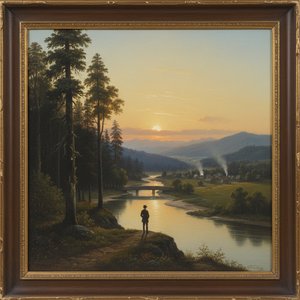
A Stream in the Wood

- 102.0 x 82.0 cm


 Lue lisää
Giclée- ja taideprintit
Museolaatuisia giclée- tai kankaitaulun tulosteita nopealla tuotannolla ja joustavilla viimeistelyvaihtoehdoilla. ( Osta käsinmaalattu taideteos Siirry digitaaliseen kuvaan)




P118B €10

P118H €10

P118W €10

P438Z €10

P508JH €12

P508YH €12

P805H €10

P805Z €10

P919BZ €10

P919G €10

P919XJ €10

P959ZH €10

P968JZ €12

W106C €8

W218G €10

W218JH €8

W218Y €10

W307PJ €10

W316G €10

W316PJ €8

W316Y €10

W398PJ €8

W4111J €10

W500HY €15

W500JH €15

W692G €12

W849H €8

W940BG €15

W953PJ €8




Valitse valmiista mitoistamme sellaiset, jotka vastaavat teoksen alkuperäisiä mittasuhteita.

Syötä tarvitsemasi leveys ja korkeus, jotta tuloste sopii kehyksiisi tai seinällesi. Tulostetta voidaan vain leikata, sitä ei voida koskaan suurentaa alkuperäistä kuvaa suuremmaksi, joten eri muotoinen koko aiheuttaa osan kuvasta katoamisen. Lähetämme sinulle digitaalisen mallikuvan hyväksyttäväksi ennen kuin aloitamme tulostuksen. Tällä sivulla näkyvä kuva ei näytä lopullista rajausta — vain mallikuva näyttää sen.
Maailmanlaajuinen toimitus () 2 viikossa tavallisen 4–5 viikon sijaan. (3 marraskuu)

Ilmainen pikatoimitus ympäri maailman

Korkealaatuinen pellavakangas

Kattava kuljetusvakuutus

Tulliveron palautustakuu

Takuu täydellisestä värien vastaavuudesta

100 päivän palautusoikeus (vain valmistusvirheet)

100% rahat takaisin -takuu

Määräalennus tarjolla
 Lasivaihtoehto on saatavilla vain alle 110 cm kokoisille teoksille

A Stream in the Wood
Giclée- ja taideprintit
Replikaatin koko
-


Kokonaishinta
€ 72
A Glimpse of Serenity: Asher Brown Durand’s “A Stream in the Wood”
Asher Brown Durand's "A Stream in the Wood," painted in 1865, isn’t merely a landscape; it’s an invitation to quiet contemplation. This masterful work, housed within a generous 102 x 82 cm canvas, captures a fleeting moment of profound tranquility nestled deep within the American wilderness. Durand, a pivotal figure in the Hudson River School movement, sought not just to depict nature but to imbue it with spiritual resonance – a belief that the natural world held a mirror to the divine. The painting immediately draws the viewer into a scene of understated grandeur; a gently flowing stream bisects a densely wooded area, its waters reflecting the dappled sunlight filtering through the canopy above. The composition is meticulously balanced, utilizing a classic pyramidal structure that directs the eye through the scene, from the foreground’s textured foliage to the distant, hazy mountains – a technique borrowed from the esteemed landscape masters of the 17th century.
Romantic Luminism and the American Ideal
Durand's approach aligns perfectly with the tenets of Romantic Luminism, a style characterized by its soft, diffused light and emphasis on atmospheric perspective. He eschewed the dramatic, theatrical landscapes favored by earlier generations, opting instead for a more subtle, almost melancholic beauty. This shift reflected a broader cultural movement in America – a yearning for an unspoiled wilderness, a connection to nature that transcended the burgeoning industrial landscape of the nation. Durand’s work embodies this ideal, presenting a vision of America as a vast, untamed Eden, untouched by human influence and brimming with spiritual significance. The painting speaks to a desire for simplicity and escape, reflecting the Romantic fascination with the sublime – an experience of awe and wonder evoked by confronting the immensity and power of nature.
Details of Technique: A Master’s Craftsmanship
Close examination reveals Durand's extraordinary technical skill. The artist employed a painstaking layering technique, building up the image through countless thin glazes of oil paint – a method that allowed him to achieve an unparalleled level of detail and luminosity. Notice the meticulous rendering of each individual leaf, branch, and stone; the subtle variations in color and texture that create a sense of depth and realism. The artist’s attention to light is particularly noteworthy, with Durand skillfully capturing the way sunlight filters through the trees, creating a shimmering effect on the water's surface. The use of a limited palette – primarily greens, browns, blues, and grays – contributes to the painting’s serene atmosphere, reinforcing its sense of quiet contemplation. The inclusion of a single bird perched near the top left corner adds a touch of life and movement to the scene, subtly disrupting the stillness and inviting the viewer to linger.
Symbolism and Emotional Resonance
"A Stream in the Wood" is rich with symbolic meaning. The stream itself represents the flow of time and the interconnectedness of all things; a metaphor for life’s journey. The dense forest symbolizes the mysteries of nature, while the distant mountains evoke a sense of timelessness and spiritual aspiration. The painting's overall mood is one of peaceful solitude – an invitation to escape the pressures of modern life and reconnect with the natural world. Durand’s masterful depiction of this serene landscape evokes feelings of tranquility, nostalgia, and perhaps even a touch of melancholy—a recognition of nature’s enduring beauty and its inevitable transience. It's a painting that speaks not just to the eye but also to the soul, offering a moment of respite and reflection in an increasingly chaotic world.
Further Exploration & Reproduction
For those seeking deeper insight into this remarkable work, we encourage you to explore the resources provided:
- Wikipedia Entry on Asher Brown Durand
- Web Gallery of Art - “A Stream in the Wood”
- Google Arts & Culture - “A Creek in the Woods”
- Museo Nacional Thyssen-Bornemisza - “A Creek in the Woods”
Kysymykset ja vastaukset
Mihin käyttöön Asher Brown Durand:n "A Stream in the Wood" on suositeltu?
Asher Brown Durand:n "A Stream in the Wood"-teoksen suositeltu käyttötarkoitus on Mood. Se soveltuu kuitenkin myös muihin tarkoituksiin.
Ovatko "A Stream in the Wood" värit voimakkaita vai pehmeitä?
Asher Brown Durand:n "A Stream in the Wood"-teoksessa on Balanced väri-intensiteetti.
Mihin huoneeseen Asher Brown Durand:n "A Stream in the Wood" suositellaan sijoitettavaksi sen värien perusteella?
Earthy väripalettinsa ansiosta Asher Brown Durand:n "A Stream in the Wood" on suositeltava Living Room-tilaan. Värit ovat yksi tämän suosituksen perusteista.
Taiteilijan elämäkerta
Asher Brown Durand: Amerikan Luonnon Jumaluuden Kuvaaja
Asher Brown Durand syntyi 21. elokuuta 1796 Maplewoodissa, New Jerseyssa, paikka, joka myöhemmin tunnettiin nimellä Jefferson Village. Hänen varhaisensa elämänsä muotoutui käytännöllisen maailman vaikutuksesta hänen isänsä, kello- ja hopeaseppurän, kautta, mikä sisällytti häneen tarkkanäköisyyden, joka myöhemmin vaikutti syvästi hänen taiteelliseen lähestymistapaansa. Tämä käsityöläisen perintö johti harjoitteluun Peter Maverickin palveluksessa vuonna 1812, polku, joka aluksi määritteli hänen uransa. Durand osoitti nopeasti poikkeuksellista taitoa, ja hänestä tuli kumppani yrityksessä ja perustaja sen New Yorkin toimistolle. Hänen maineensa kaivertajana nousi huomion arvoon vuonna 1823, kun hän suoritti monimutkaisen jälleenmuodostuksen John Trumbullin *Itsenäisyysjulistuksesta* – teko, joka lujitti hänen asemaansa taiteellisessa yhteisössä. Kuitenkin kaivertamisen tarkkuuden alla piili kasvava intohimo luonnon raakaa kauneutta vangitsemiseen, kutsu, joka lopulta johti hänet muuttumaksi keskeiseksi hahmoksi amerikkalaisessa taiteessa.Engravingin Maailmasta Luonnon Jumaluuteen
Kaivertajan tarkkaan harkittu siirtyminen luonnon jumaluuteen ei ollut välitön. Durand jatkoi kaivertustyötään samalla kun hän tutki maalausta, keskittyen aluksi muotokuvien ja genre-näytelmien piirustamiseen. Merkittävä käänne löytyi vuonna 1830 Luman Reedin suosiosta, joka kannusti häntä omistamaan itsensä täysin taiteelliselle harrastukselleen. Reedin tuki mahdollisti Durandin syventymisen maalaamiseen, pyrkimys, joka syttyi entisestään muuttavalla retkellä hänen läheisen ystävänsä Thomas Coleen kanssa Adirondien alueella vuonna 1837. Tämä matka villiin luontoon osoittautui ratkaisevaksi; juuri täällä Durand löysi kutsunsa – vangita Amerikan luonnon ihana loisto. Hän alkoi viettää kesiään uppoutuneena luontoon, dokumentoiden huolellisesti Catskillit, Adirondien ja Valkokatimien maisemia lukemattomilla piirustuksilla ja öljyvärimaalauksilla. Nämä tutkimukset eivät olleet ainoastaan valmistelutyökaluja, vaan ne muovasivat myös hänen taiteellista prosessiaan, ohjaten valmiiden maalauksien komposiitioita ja yksityiskohtia.Hudson River Schoolin Perustan Rakentaja
Durandin sitoutuminen maisemamaalaukseen sijoitti hänet kasvavaan ryhmään taiteilijoita, jotka jakavat saman näkemyksen – ryhmää, joka myöhemmin tunnettiin nimellä Hudson River School. Hän oli sen perustajien joukossa, Thomas Coleen rinnalla, ja toimi aktiivisesti vahvistaen tämän koulun ainutlaatuisen estetiikan. Hudson River School ei ollut ainoastaan maisemien kuvaamista; se oli tunteiden välittämistä ja hengellisen merkityksen luomista maisemiin. Durandin työ heijastaa tätä filosofiaa, jota karakterisoi tarkka realismi yhdistettynä romantiikkaan. Hän uskoi luonnon tarkkaan havainnointiin, mutta tunnusti myös sen voiman herättämään ihailua, kunnioitusta ja yliluonnollista tunnetta. Hänen maalauksensa eivät olleet pelkästään paikkojen esityksiä; ne olivat ilmauksia hänen syvästä yhteydestään Amerikan villiin luontoon ja juhla Jumalan luomuksesta.Vaikutukset ja Kestävä Vaikutus
Durandin vaikutus ulottui hänen taiteellisen tuotantonsa ulkopuolelle. Hän toimi National Academy of Designin presidenttinä vuosina 1845–1861, käyttäen tätä asemaa kannustaakseen amerikkalaista taidetta ja kasvattamaan uusia lahjakkuuksia. Hän kirjoitti myös syvällisiä "Landscape Painting -kirjeitä", jotka julkaistiin *Crayonissa* – merkittävässä taiteellisessa aikakauslehdessä – selittäen taiteellisia periaatteitaan ja puolustaakseen luonnollisen havainnoinnin tärkeyttä. Hänen sitoutumisensa realismiin ja yksityiskohtaiseen esittämiseen asetti korkean standardin myöhemmän sukupolven maisemamaalareille. Teokset, kuten *Kindred Spirits*, maalattu vuonna 1849 Thomas Coleen kunnianosoituksena, muuttuivat ikoniseksi Hudson River Schoolin estetiikan edustajiksi ja resonoivat edelleen katsojien kanssa tänä päivänä. Maalauksen esitys Colesta ja runoilijasta William Cullen Bryantissa villimessä kuvaa koulun uskoa luontoon ja sen voimaan yhdistää ihmiskunta jumaluuteen.Pääteemat ja Merkittävyys
Durandin taiteessa korostui usein luonnon ihmeellisyys, erityisesti metsien syvyydet ja vuorten jyrkkyydet. Hänen maalauksensa kuvasivat usein yksinäisiä puita, jotka seisovat majesteettisina yksinään maiseman keskellä, tai vesiputouksia, jotka putosivat voimakkaasti kivien lomasta. Hän oli erityisen taitava vangitsemaan valon ja varjon vuorovaikutuksen luonnossa, mikä lisäsi maalauksiensa syvyyttä ja dramaattisuutta. Hänen työnsä heijasteli 1800-luvun alun Amerikan kulttuurista ja uskonnollisesta ilmapiiristä, jossa luonto nähtiin Jumalan temppelinä ja inspiraation lähteinä. Durandin taiteellinen kehitys oli monivaiheinen: hän alkoi kaivertamisesta, mutta siirtyi maalaamiseen 1830-luvulla Luman Reedin kannustamana. Hän opiskeli paljon Euroopassa, erityisesti Italiassa, ja yhdisti sen kanssa luonnon tarkkaa havaintoa. Hänen vaikutuksensa amerikkalaisen taiteen kehitykseen on merkittävä, sillä hän oli yksi Hudson River Schoolin keskeisistä hahmoista ja inspiroi monia muita taiteilijoita.
Asher Brown Durand
1796 - 1886 , Yhdysvallat
Pähkinänkuoressa
- Artistic Movement Or Style: Hudson River School
- Artists Or Movements Influenced By This Artist: ['Hudson River School']
- Artists Who Influenced This Artist: ['Thomas Cole']
- Date Of Birth: 21. elokuuta 1796
- Date Of Death: 17. syyskuuta 1886
- Full Name: Asher Brown Durand
- Nationality: Amerikkalainen
- Notable Artworks:
- Kindred Spirits
- Metsämaisema
- Place Of Birth: Maplewood, New Jersey
Aiheeseen liittyvät artikkelit
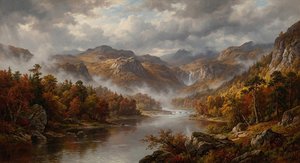
Hudson River School - 10 mestariteosta, jotka määrittelivät amerikkalaisen maisemamaalauksen
Tutustu Hudson River School -liikkeen 10 mestariteokseen! Thomas Cole, Frederic Church ja Albert Bierstadt loivat upeita maisemamaalauksia. Löydä amerikkalaisen taiteen historiaa ja inspiroi sisustusta museolaatuisilla reproduktioilla OriginalUniqueArt.comista.
Asher Brown Durand: Luminism, Landscape & the American Ideal – A Comprehensive Exploration
Explore the life & art of Asher Brown Durand, a founding member of the Hudson River School. Discover his masterful landscapes, Luminist techniques, and lasting impact on American painting. Learn about key works like 'Kindred Spirits' & collecting Durand today.
The Sublime Landscape: Exploring the Hudson River School Movement
Explore the captivating world of the Hudson River School! Discover the history, artists, and defining characteristics of this iconic American art movement. Learn about Romanticism's influence & find inspiration for your collection.
Capturing the American Spirit: A Journey Through Iconic Landscapes and the Legacy of the Hudson River School
Explore the profound beauty of American art history. From the Hudson River School to iconic landscapes, discover a curated journey through the masterpieces that defined a nation's spirit and the enduring legacy of American Romanticism.
Robert Spencer: Luminism, Narrative & the American Landscape Tradition
Explore the captivating world of Luminism & the Hudson River School with our expert analysis. Discover the history, artists, and enduring beauty of 19th-century American landscape painting. Find museum-quality reproductions at OriginalUniqueArt.

