

 Katso seinällä
 Lähetä
 Jaa
Jaa
 Tarkemmat tiedot
 Opas
Opas

 Lataa kuva
 Samanlaisia kohteita
 Röntgenkuvaus
 Diaesitys
 Tilastot
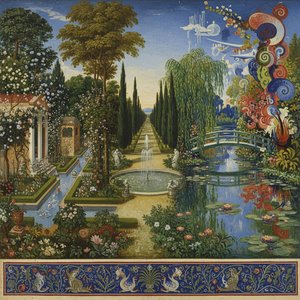
Garden Scene
 Oil On Canvas
- WallArt
- Modernism of his day
 1907
1907- Early Modern
 36.0 x 49.0 cm
 Arnold Schönberg Center
 Lue lisää
Giclée- ja taideprintit
Museolaatuisia giclée- tai kankaitaulun tulosteita nopealla tuotannolla ja joustavilla viimeistelyvaihtoehdoilla. ( Tilaa käsinmaalattu jäljennös Siirry digitaaliseen kuvaan)




P118B €10

P118H €10

P118W €10

P438Z €10

P508JH €12

P508YH €12

P805H €10

P805Z €10

P919BZ €10

P919G €10

P919XJ €10

P959ZH €10

P968JZ €12

W106C €8

W218G €10

W218JH €8

W218Y €10

W307PJ €10

W316G €10

W316PJ €8

W316Y €10

W398PJ €8

W4111J €10

W500HY €15

W500JH €15

W692G €12

W849H €8

W940BG €15

W953PJ €8




Valitse valmiista mitoistamme sellaiset, jotka vastaavat teoksen alkuperäisiä mittasuhteita.

Kirjoita tarvitsemasi leveys ja korkeus, jotta tuloste sopii kehyskokoon tai seinällesi. Tulostetta voidaan vain leikata, sitä ei voi koskaan tehdä suuremmaksi kuin alkuperäinen kuva, joten eri muotoinen koko aiheuttaa osan kuvasta katoamisen. Lähetämme sinulle digitaalisen mallikuvan hyväksyttäväksi ennen kuin aloitamme tulostuksen. Tällä sivulla näkyvä kuva ei näytä lopullista leikkausta — vain mallikuva näyttää sen.
Maailmanlaajuinen toimitus () 2 viikossa tavallisen 4–5 viikon sijaan. (22 lokakuu)

Ilmainen pikatoimitus ympäri maailman

Korkealaatuinen pellavakangas

Kattava kuljetusvakuutus

Tulliveron palautustakuu

Takuu täydellisestä värien vastaavuudesta

100 päivän palautusoikeus valmistusvirhetapauksissa

100% rahat takaisin -takuu

Määräalennus saatavilla
 Lasivaihtoehto on saatavilla vain alle 110 cm kokoisille teoksille

Garden Scene
Giclée- ja taideprintit
Replikaatin koko
-


Kokonaishinta
€ 70
A Moment of Spontaneous Harmony: Exploring Arnold Schönberg’s ‘Garden Scene’
Arnold Schönberg's “Garden Scene,” painted in 1907, is more than just a depiction of an outdoor gathering; it’s a visceral expression of the artist’s revolutionary approach to color and form. Created during a pivotal moment in artistic history – a time when established conventions were being aggressively challenged – this work embodies Schönberg's commitment to spontaneity and his willingness to embrace unconventional materials, reflecting the burgeoning spirit of Modernism. Measuring 36 x 49 cm, the painting immediately captivates with its vibrant palette and seemingly effortless composition. The scene unfolds with a group of figures enjoying themselves beneath a lush green canopy, seated around tables laden with simple yet elegant dining ware. This isn’t a meticulously rendered landscape; rather, it's an impression, a fleeting moment captured through a deliberate disregard for traditional artistic constraints.
Technique and Materiality: A Radical Experiment
What truly distinguishes “Garden Scene” is Schönberg’s audacious technique. He abandoned the conventional practice of priming surfaces – a cornerstone of academic painting – opting instead to utilize plywood and board directly, exposing the raw texture of the support. This decision, repeated in over 50 distinct combinations across his œuvre, speaks volumes about his desire for immediacy and an unvarnished truthfulness in his work. The visible grain of the wood, coupled with the layering of pigments, creates a dynamic surface that shifts with the light, adding depth and complexity to the scene. Schönberg’s preference for a fluid approach is evident in the loose brushwork and the blending of colors, suggesting a process driven by intuition rather than precise calculation. This rejection of traditional methods aligns him squarely within the modernist movement's pursuit of new forms of expression.
Historical Context: Vienna at the Dawn of Modernism
To fully appreciate “Garden Scene,” it’s essential to understand its historical context. Schönberg was working in Vienna, a city that was a hotbed of artistic innovation at the turn of the 20th century. The late 1890s and early 1900s witnessed a dramatic shift away from representational art, with artists like Schönberg, Gustav Klimt, and Egon Schiele pushing boundaries in color theory, composition, and subject matter. Schönberg’s exploration of atonality in his musical compositions – a radical departure from traditional harmony – mirrored his artistic experimentation, reflecting a broader cultural upheaval. The painting's creation coincides with the premiere of his String Quartet No. 2 (1907-1908), further solidifying his position as a leading figure in this revolutionary movement.
Symbolism and Emotional Impact
While seemingly simple, “Garden Scene” resonates with subtle symbolic layers. The figures gathered around the tables represent community, leisure, and perhaps even contemplation – themes frequently explored in Impressionist and Post-Impressionist art. The vibrant green of the canopy evokes a sense of tranquility and renewal, while the varied textures and colors contribute to an overall feeling of warmth and conviviality. Schönberg’s deliberate use of unprimed surfaces adds a layer of vulnerability and honesty to the work, inviting viewers to connect with it on a deeply emotional level. This piece is not merely a representation of a garden; it's a testament to the power of artistic freedom and the pursuit of authentic expression.
Kysymykset ja vastaukset
Mikä on teoksen Arnold Schoenberg:n "Garden Scene" taidehistoriallinen merkitys?
Arnold Schoenberg:n "Garden Scene" kuuluu Modernism of his day-suuntaukseen Early Modern-aikakaudella. Yhdessä ne antavat teokselle sen paikan taidehistoriassa.
Mihin sävyyn "Garden Scene" kallistuu?
Green to Violet Spectrum sävy hallitsee teosta Arnold Schoenberg:n "Garden Scene".
Kuinka voimakkaita värit ovat teoksessa Arnold Schoenberg:n "Garden Scene"?
Teoksen "Garden Scene" väri-intensiteetti on Balanced. Intensiteetti kuvaa värien voimakkuutta.
Taiteilijan elämäkerta
nuoruus ja musiikilliset alkuvaiheet
arnold schoenberg, itävalais-amerikkalainen säveltäjä, syntyi 13. syyskuuta 1874 Wienissä, Itävallassa. Hänen varhaisvuosia leimasi vaatimaton alku, sillä hänen isänsä toimi kenkäkauppiaana. Tästä huolimatta schoenbergin synnynnäinen intohimo musiikkiin johti hänet pitkältin itseoppineeksi tällä taiteen alalla.musiikillinen kehitys ja merkittävät teokset
schoenbergin varhaiset teokset, kuten verklärte nacht (1899), ilmentivät brahmsilaista ja wagnerilaista synteesiä. Edetessään hänestä tuli toisen wieniläiskoulukunnan keskeinen hahmo yhdessä anton webernin ja alban bergin kanssa. Hänen sävellyksensä, mukaan lukien jousikvartetto nro 2 (1907–1908), erwartung (1909) ja pierrot lunaire (1912), osoittivat hänen innovatiivista lähestymistapaansa atonaalisuuteen.opetus, emigraatio ja myöhempi elämä
schoenberg erosi Preussin taideakatemian jäsenyydestään vuonna 1933 natsien valtaannousun seurauksena, sillä he leimasivat hänen musiikkinsa "rappeutuneeksi". Hän opetti sen jälkeen Yhdysvalloissa, muun muassa Kalifornian yliopistossa Los Angelesissa (1936–1944), jonka tilat on nimetty hänen kunniakseen. [https://OriginalUniqueArt.rel/arnold-schoenberg](löydä lisää schoenbergin elämästä ja teoksista OriginalUniqueArt-palvelusta).- schoenberg tutki elokuvamusiikkia ja kirjoitti enemmän tonaalista musiikkia valmistuen kammarisinfonia nro 2:n vuonna 1939.
- hän satiirisoi fasistisia tyrannia Byronin hengessä teoksessaan ode to napoleon (1942).
- sodan jälkeinen Wien tarjosi hänelle kunniakansalaisuuden, mutta hän oli sairas, kuten hänen jousutrio (1946) kuvaa.
perintö ja vaikutus
maailman oppaessa holokaustista, schoenberg muistutti sen uhreja teoksellaan a survivor from warsaw (1947). Israelin konservatorio ja musiikkiakatemia valitsi hänet kunniapresidentiksi vuonna 1951. [https://OriginalUniqueArt.com/@@/a@d3bqc7-the-museum-destroyed-by-fire-(united-states)](lue lisää hänen työnsä vaikutuksesta OriginalUniqueArt-palvelussa). keskeiset kohdat:- schoenbergin innovatiivinen musiikki oli yksi 20. vuosisadan klassisen musiikin vaikutusvaltaisimmista ja kiistellyimmistä tyyleistä.
- vähintään kolme säveltäjäsukupolvea jatkoi sen muodollisia periaatteita.
- hänen esteettiset ja musiikkihistorialliset näkemyksensä vaikuttivat musiikkitieteilijöihin Theodor W. Adorno ja Carl Dahlhaus.

Arnold Schoenberg
1874 - 1951 , Itävalta
Tietoa taiteilijasta
- Artistic Movement Or Style: Dodekafonia; Ekspressionismi
- Artists Or Movements Influenced By This Artist:
- Anton Webern
- Alban Berg
- Artists Who Influenced This Artist:
- Johannes Brahms
- Richard Wagner
- Date Of Birth: 13. syyskuuta 1874
- Date Of Death: 1951
- Full Name: Arnold Schoenberg
- Nationality: Itävalmen-amerikkalainen
- Notable Artworks:
- Suite, op. 29
- Music Typewriter
- Staffliner
- Place Of Birth: Wien, Itävalta
Aiheeseen liittyvät artikkelit

Beyond the Lines: Mastering the High-Impact World of Contemporary Abstraction
Master the high-impact world of contemporary abstraction. Discover how bold colors, textures, and modern movements like Abstract Expressionism can transform your space with premium, high-energy art curated for the design-conscious professional.

Geometrisen abstraktion mestariteokset: Taidetta kotiin OriginalUniqueArtilta
Tutustu geometrisen abstraktion 10 mestariteokseen! Piet Mondrian, Kandinsky ja muut taiteilijat muovasivat modernin taiteen historiaa. Löydä inspiraatiota kotiisi OriginalUniqueArtilta – laadukkaat taideprintit ja sisustusehdotukset odottavat. Tutki kokoelma verkossa!

Wassily Kandinskin 25 mestariteosta: Värien ja muodon syvä maailma | OriginalUniqueArt
Tutustu Wassily Kandinskin 25 vaikuttavinta teosta! Uppoudu abstraktin taiteen maailmaan, värien symboliikkaan ja modernin ekspressionismin historiaan. Löydä inspiraatiota kodin sisustukseen OriginalUniqueArt.com:ista – laadukkaat taideprintit ja reproduktiot.
Cultivating Paradise: A Historical & Artistic Exploration of Gardens in Painting
Explore the rich history of gardens in painting! Discover masterpieces from Renaissance to Impressionism & beyond. Learn about symbolism, artists like Monet & Klimt, and find your perfect artwork at OriginalUniqueArt.

Abstraktin ekspressionismin mestariteokset: Taidetta ja inspiraatiota kotiisi
Tutustu abstraktin ekspressionismin 10 mestariteokseen! Jackson Pollock, Mark Rothko ja muut taiteilijat inspiroivat tunteellisuudellaan. Löydä upeita taidemaalauksia kotiisi OriginalUniqueArt.comista – museolaatuista laatua ja sisustusehdotuksia.


