Symbolism
La peste (Arnold Böcklin)
Arnold Böcklin (1827–1901) on luonut teoksen La peste. Se kuuluu Symbolism-liikkeeseen. Se on valmistettu materiaalilla Oil On Canvas.
- Oil On Canvas

 Esikatselu

 Käsinmaalattu öljymaalaus
 Jaa teos
 Jaa
 Tiedot-arkki


 Lataa kuva
 Samanlaisia kohteita
 Röntgenkuvaus
 Diaesitys
 Kysymykset ja vastaukset

 Tilastot
La peste lyhyesti
- Otsikko
- La peste
- Taiteilija
- Arnold Böcklin (1827–1901)
- Taiteilija syntynyt
- Basel, Sveitsi
- Tekniikka
- Oil On Canvas
- Tyylisuunta
- Symbolism
- Aikakausi
- 19th Century
- Aihe
- monster, rider, buildings, dead bodies, sky, red cloth
Mitä La peste esittää?
The Shadow of Mortality
In this unsettling scene, we find ourselves witnessing a moment of profound, inevitable decay. A monstrous, winged creature, reminiscent of a bat, moves through the narrow streets of a medieval European city. Atop this beast sits a skeletal figure, a personification of death that moves with a terrifying, silent purpose. The atmosphere is heavy, thick with a hazy, yellow-grey light that suggests a world choked by sickness. There is a sense of chaos here, yet it is a quiet, suffocating kind of chaos. The buildings, with their rigid, angular lines, seem to press in on the viewer, creating a claustrophobic environment where escape feels impossible.
The color palette is deliberately somber, leaning heavily into the earthy tones of ochre, brown, and grey. However, there is a specific, unsettling use of pale green—a hue often associated with the physical reality of decomposition—that permeates the work. This sickly tint contrasts sharply with the single, startling shock of red found in the foreground. A woman lies there, her clothing a vivid crimson against the muted, dying world around her, a stark reminder of the human cost of the plague passing through the streets.
Symbolic Elements and Composition
The composition is structured with a certain architectural precision that heightens the sense of dread. The rider and the beast form a central, pyramidal apex that draws the eye upward and then forces it back down toward the suffering below. The artist uses several layers of visual language to communicate the theme of pestilence:
- The winged creature, acting as a vessel for the plague, disrupts the orderly geometry of the urban landscape.
- The use of atmospheric perspective, where the background fades into a murky haze, suggests an endless, spreading contagion.
- The fallen figures in the foreground and middle ground represent the victims, their forms partially obscured by shadow and the weight of the scene.
- The contrast between organic, irregular shapes of the monster and the rigid, rectangular shapes of the architecture emphasizes the unnatural intrusion of death into civilization.
The technique involves a careful layering of oil paints, creating a texture that feels both rough and weathered. In certain areas, the impasto is visible, giving the creature a visceral, tactile presence. This physical depth mirrors the psychological depth of the subject matter, where the veil between the physical world and a nightmare state feels dangerously thin.
The Weight of the Unseen
There is a profound stillness in the way the figures are arranged, despite the violence of the subject. It is a stillness born of hopelessness. The lighting is diffused and uneven, casting deep shadows that hide as much as they reveal. This lack of a clear light source contributes to the sense of mystery and the feeling that the plague is an unstoppable, elemental force rather than a mere biological event. The work captures a specific tension between the tangible reality of a city and the intangible, spectral presence of death, leaving the viewer with a lingering sense of unease that remains long after the first glance.
La peste korkearesoluutioiset kuvat
Arnold Böcklin, La peste. Tekijänoikeudet vapaat.
Kysymyksiä teoksesta La peste, vastaukset
Mitä tekniikkaa Arnold Böcklin:n "La peste" on käytetty?
Teoksen Arnold Böcklin:n "La peste" tekniikka on Oil On Canvas. Vedosten tavoitteena on jäljitellä tämän tekniikan ulkoasua.
Mitä Arnold Böcklin:n "La peste" esittää?
Teoksen "La peste" aiheina ovat monster, rider, buildings, dead bodies, sky, red cloth, cityscape.
Onko Arnold Böcklin:n "La peste" vapaasti käytettävissä oleva teos?
Tekijänoikeuksien osalta teos "La peste" on vapaasti käytettävissä – tekijänoikeussuoja on päättynyt.
Kuka on luonut teoksen "La peste"?
Teos "La peste" on yhdistetty Arnold Böcklin.
Mihin tyylisuuntaan "La peste" kuuluu?
Teoksen Arnold Böcklin:n "La peste" tyylisuunta on Symbolism. Tämä luokittelu sijoittaa teoksen muiden samankaltaisten taiteilijoiden ja teosten joukkoon.
Mihin kohtaan Arnold Böcklin uraa teos "La peste" sijoittuu?
"La peste" kuuluu Arnold Böcklin uran Late Period-vaiheeseen. Tämä luokittelu yhdistää teoksen taiteilijan kehitysvaiheeseen.
Onko Arnold Böcklin teos "La peste" tekijänoikeudeltaan vapaa (public domain), ja miksi?
Arnold Böcklin:n "La peste" on vapaasti käytettävissä – tekijänoikeussuoja on päättynyt. Tekijänoikeuden voimassaolo lasketaan taiteilijan kuolinvuodesta, joka oli 1901.
Miten "La peste" asettuu osaksi Arnold Böcklin'n muuta tuotantoa?
Arnold Böcklin'n tuotannossa "La peste" edustaa Symbolism-tyyliä ja kytkeytyy symbolist movement, mythology and mortality, themes of death, war and pestilence, exploration of the subconscious teemoihin.
Onko "La peste" tyypillinen esimerkki siitä, mitä Arnold Böcklin yleensä loi?
Arnold Böcklin:n toistuvia teemoja ovat symbolist movement, mythology and mortality, themes of death, war and pestilence, exploration of the subconscious; "La peste" keskittyy aiheisiin monster, rider, buildings, dead bodies, sky, red cloth, cityscape.
Tietoa taiteilijasta, Arnold Böcklin
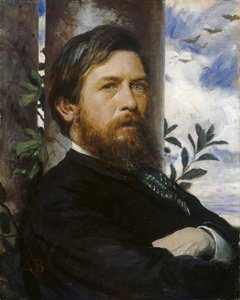
1827–1901, Sveitsi
Arnold Böcklin
Saaren varjo Basel, Sveitsi, tarjoaa lähtöpisteen elämälle, jota määrittää jännite aineellisen ja aavemaisen välillä. 16. lokakuuta 1827 syntynyt nuori mies, Christian Frederick Böcklinin ja Ursula Lippen poika, siirtyi lopulta isänsä silkkikaupan maailmasta Düsseldorfin akatemian kurinalaisiin saleihin. Schirmerin ohjauksessa hän alkoi omaksua maiseman kieltä, taidoksi, jota hän myöhemmin käytti ihmissielun maantiedon kartoittamiseen.
Tietoa kohteesta Arnold Böcklin Arnold Böcklinn merkittävimpiä teoksia
Myös Arnold Böcklin -teoksia
 Kuolleiden saari (ensimmäinen versio)1880
 Itsekuva kuoleman soittaessa viulua
 Sota1896
 The Isle of the Dead (Version 2)1880
Esseitä teoksesta La peste
 Beyond Reality: Unveiling the Enigmatic Depths of Metaphysical Art and its Philosophical EchoesExplore the profound mystery of Metaphysical Art. Delve into the philosophical depths of Giorgio de Chirico’s dreamscapes and discover how …
 25 Essential Works by Arnold Böcklin: A Journey Through Myth and SymbolismExplore 25 iconic Arnold Böcklin paintings and Symbolist works. Discover the full collection online at OriginalUniqueArt.com.
 Swiss artworks of the 1890sSwiss Symbolism in the 1890s features the iconic works of Félix Vallotton and Arnold Hodler. View the full collection online at OriginalUni…