
 Tilaa painos Tilaa maalaus
 Jaa
Jaa
 Jaa
Jaa
 Tarkemmat tiedot
 Lisää suosikkeihin

 Lataa
Lataa
 Samanlaisia
 Röntgenkuva
 Diaesitys
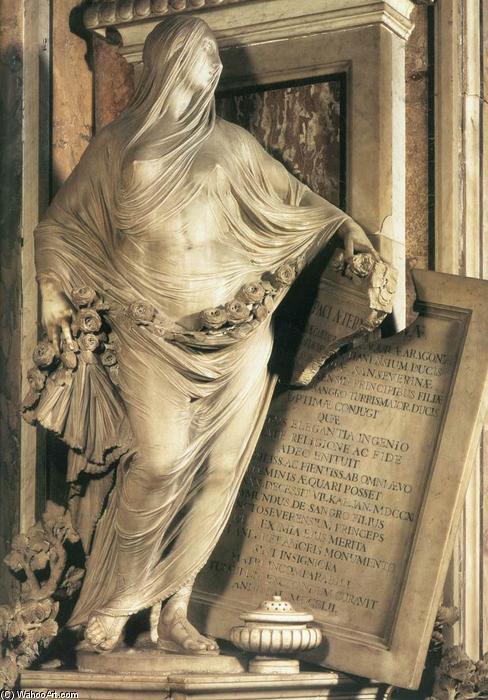
Modesty


 Näytä lisää
Osta korkearesoluutioinen, parannettu digitaalikuva, joka on laadultaan huomattavasti parempi kuin verkkosivuston esikatselu.
Jokainen tiedosto valmistellaan huolellisesti omien asiantuntijoidemme toimesta käyttäen edistyneitä työkaluja ja ammattitaitoista manuaalista retusointia. Varmistamme, että jokaisessa kuvassa on poikkeuksellinen selkeys, tarkka värintoisto ja hienovaraiset yksityiskohdat.
Lopputiedosto toimitetaan sähköpostitse 72 tunnin kuluessa, ja se on optimoitu välittömään käyttöön ammattimaisissa, toimituksellisissa ja painoympäristöissä. Laatu on sama, johon huipputason suunnittelustudiot, kustantajat ja galleriat luottavat.
Digitaalinen kuva
Lataa korkearesoluutioinen tiedosto henkilökohtaiseen näyttelyyn, tulostamiseen ja luoviin projekteihin.
Sisältyy jokaiseen digitaalisen kuvan tilaukseen
Asiantunteva digitaalinen toimitus, taattuun laatuun
Kun valitset OriginalUniqueArt.com-palvelun, et saa vain kuvaa – saat ammattimaisesti parannetun digitaalisen taideteoksen, joka on luotu tarkkuudella ja jonka takaa tulee tyytyväisyystakuu. Tässä on kaikki, mitä tilauksesi sisältää, automaattisesti:

Nopea digitaalinen toimitus
Korkearesoluutioinen digitaalinen kuvatiedostosi lähetetään sähköpostiisi 72 tunnin kuluessa tilauksesta – valmiina käytettäväksi välittömästi.

Tekoälyllä parannettu digitaalinen tiedosto
Taiteilijasi teos on optimoitu ammattimaisesti edistyneiden tekoälytyökalujen ja manuaalisen muokkauksen avulla, mikä takaa maksimaalisen yksityiskohtaisuuden, selkeyden ja väritarkkuuden.

Ilmainen elinikäinen uudelleenlähetyspalvelu
Oletko vahingossa poistanut tai kadottanut tiedostosi? Ei hätää – lähetämme sen sinulle uudelleen milloin tahansa täysin maksutta.

Ei tuontimaksuja – koskaan
Nauti taiteestasi välittömästi ilman tulleja, veroja tai toimitusmaksuja – digitaaliset lataukset ovat aina verovapaita.

Värintoiston tarkkuustakuu
Varmistamme, että digitaalinen kuvasi vastaa alkuperäisiä värejä mahdollisimman tarkasti käyttämällä ammattilaistason työkaluja ja värinhallintaa.

60 päivän tyytyväisyystakuu
Jos et ole tyytyväinen digitaaliseen kuvaasi, muokkaamme sitä tai palautamme 100% takaisin 60 päivän kuluessa – ilman kysymyksiä.

100% Rahat takaisin -takuu
Etkö ole tyytyväinen? Saat täyden hyvityksen 60 päivän kuluessa digitaalisen tiedostosi vastaanottamisesta – ilman kyselyitä.

Suurtilaaja-alennukset
Osta 3 kuvaa, säästä 10% - Osta 5, säästä 15% - Osta 10+, säästä 20%. Erinomainen valinta luoviin projekteihin, gallerioille ja toimistoille.
Taiteilijan elämäkerta
A Life in Marble: The Enigmatic World of Antonio Corradini
Antonio Corradini, a name synonymous with the breathtaking illusionism of Rococo sculpture, emerged from humble beginnings in 17th-century Venice to become one of the most celebrated artists of his time. Born in 1688, the son of a sail packer, young Antonio’s path diverged sharply from that of his father, leading him into the world of artistic creation. His early training under the sculptor Antonio Tarsia proved foundational, an apprenticeship lasting roughly four or five years – a standard duration for mastering the craft. This connection deepened when Corradini married Maria Tarsia, solidifying a familial and professional bond with a pivotal figure in Venetian sculpture. These formative years instilled not only technical skill but also a deep understanding of the artistic currents flowing through Venice, a city renowned for its opulent beauty and dramatic flair.From Venice to Imperial Courts: A Blossoming Career
Corradini’s talent quickly blossomed, gaining recognition around 1709 with his contributions to the façade of San Stae in Venice. His formal acceptance into the *Arte dei tagliapietra* in 1711 marked a significant milestone, acknowledging him as a professional sculptor within the Venetian guild system. However, it was commissions beyond Italy that truly propelled his career onto an international stage. A pivotal period unfolded between 1716 and 1723 with extensive work for Russian and Saxon patrons. He created numerous busts and statues for Peter the Great’s summer garden in St. Petersburg, demonstrating a remarkable versatility and adaptability to diverse artistic demands. These early commissions also hinted at the signature style that would define his legacy: the veiled figure. It was during this period that Corradini began exploring the captivating effect of depicting forms beneath translucent drapery, an exploration that would reach its zenith in later works. In 1729, a new chapter commenced with his appointment as court sculptor to Charles VI in Vienna. For over a decade, he served the Habsburg court, undertaking various projects encompassing monuments and decorative sculptures, further honing his skills and expanding his artistic horizons.The Mastery of Illusion: Veiled Figures and Rococo Sensibility
Antonio Corradini is most profoundly remembered for his exquisitely realistic depictions of draped figures, particularly women, where the contours of the body are subtly revealed beneath a seemingly weightless veil. This technique wasn’t merely skillful carving; it was an act of illusionism, pushing the boundaries of what marble could achieve. The effect captivated audiences with its delicate beauty and technical brilliance. Puritas, or Bust of a Veiled Woman (1717-1725), stands as an early exemplar of this style, showcasing remarkable detail and a profound understanding of anatomy. However, it is Modesty (La Pudicizia) (1749-1752), housed within the Cappella Sansevero in Naples, that is widely considered his masterpiece. The sculpture’s delicate veil clings to the form beneath, revealing and concealing with equal grace, embodying a captivating tension between modesty and sensuality. While Corradini designed the Veiled Christ, it was ultimately completed by Giuseppe Sanmartino after his death; nevertheless, it remains a testament to the style he pioneered. His work seamlessly blends the dramatic intensity of Baroque sculpture with the more graceful and elegant aesthetic of Rococo, drawing inspiration from classical antiquity while forging a distinctly innovative path.Legacy and Influence: A Transition in Artistic Style
Corradini’s artistic significance lies not only in his technical virtuosity but also in his role as a transitional figure between the Baroque and Rococo movements. He built upon the dramatic energy of the former while embracing the lightness, elegance, and playful sensuality of the latter. His mastery of illusionistic techniques – particularly with the veiled figures – set him apart and profoundly influenced subsequent generations of sculptors. The ability to create such realistic illusions with marble solidified his place as one of the leading sculptors of his time. After leaving Vienna, Corradini spent his final years in Rome and Naples, continuing to refine his art until his death in 1752. His legacy endures through the stunning sculptures he left behind, captivating viewers with their technical brilliance and aesthetic appeal. His veiled figures remain iconic examples of Rococo sculpture, celebrated for their ability to evoke a sense of mystery, beauty, and profound artistic skill. They are not merely representations of form but explorations of perception itself, inviting the viewer to contemplate the delicate interplay between revelation and concealment.
Antonio Corradini
1668 - 1752 , Italy
Lyhyesti esiteltynä
- Artistic Movement Or Style: Rococo
- Artists Or Movements Influenced By This Artist: ['Rococo sculpture']
- Artists Who Influenced This Artist: ['Antonio Tarsia']
- Date Of Birth: October 19, 1688
- Date Of Death: August 12, 1752
- Full Name: Antonio Corradini
- Nationality: Italian
- Notable Artworks:
- Puritas
- Modesty
- Veiled Christ
- Hatchcover
- Tuccia
- Place Of Birth: Este, Italy

