

 Katso seinällä
 Lähetä
 Jaa
Jaa
 Tarkemmat tiedot
 Opas
Opas

 Lataa kuva
 Samanlaisia kohteita
 Röntgenkuvaus
 Diaesitys
 Tilastot
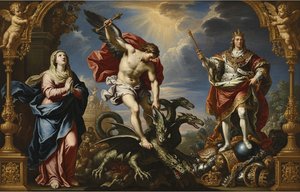
St sebastian

 Lue lisää
Käsinmaalattu öljyvärinen jäljennös
Käsinmaalattu öljyväri kankaalle haluamassasi koossa ja kehyksissä, taiteilijoidemme valmistamana tilauksesta. ( Vaihda tulosteeseen Siirry digitaaliseen kuvaan)




































Valitse valmiista mitoistamme sellaiset, jotka vastaavat teoksen alkuperäisiä mittasuhteita.

Kirjoita tarvitsemasi leveys ja korkeus, jotta teos sopii kehyskehyksiisi tai seinällesi. Koska kyseessä on käsinmaalattu teos, taiteilija voi maalata hieman enemmän kuvan ympärille tai rajata sitä hieman, jos haluat eri muotoisen koon — valinta on sinun. Lähetämme sinulle digitaalisen mallikuvan hyväksyttäväksi ennen kuin maalaus alkaa. Tällä sivulla näkyvä kuva ei vastaa lopullista tulosta — vain mallikuva näyttää sen.
Tilauksen jälkeen OriginalUniqueArt.com -tiimi lähettää asiakkaalle sähköpostitse ohjeet ja esikatselukuvan.
Maailmanlaajuinen toimitus () 3–4 viikossa tavallisen 5 viikon sijaan. (25 lokakuu). Laadusta ei tingitä.

Ilmainen pikatoimitus ympäri maailman

Korkealaatuinen pellavakangas

Kattava kuljetusvakuutus

Tulliveron palautustakuu

Takuu täydellisestä värien vastaavuudesta

100 päivän palautusoikeus valmistusvirhetapauksissa

100% rahat takaisin -takuu

Määräalennus saatavilla
 Lasivaihtoehto on saatavilla vain alle 110 cm kokoisille teoksille

St sebastian
Reproduktiotapa
Replikaatin koko
-


Kokonaishinta
€ 307
Taiteilijan elämäkerta
The Grandeur of the Venetian Spirit
Antonio Bellucci stands as a luminous figure within the Venetian artistic tradition, a master whose brush captured the transition from the dramatic intensity of the Baroque to the airy elegance of the Rococo. Born in 1654 in Pieve di Soligo, Italy, Bellucci’s early training under Domenico Difnico in Sebénico provided him with a rigorous foundation in classical principles. However, it was his arrival in Venice that truly ignited his creative spirit. By 1675, he was already making significant contributions to the city's sacred spaces, most notably through his monumental frescoes for San Pietro di Castello. In these works, depicting Saint Lorenzo Giustiniani’s fervent prayers during the plague of 1447, Bellucci demonstrated an extraordinary ability to weave together religious devotion and human emotion, creating a sense of divine drama that resonated deeply with the Venetian public.
His talent was not confined to the spiritual realm; Bellucci possessed a versatile mastery over various genres, from the intimate tenderness of nativity scenes for the church of Ascension to the sweeping narratives of classical mythology. A defining characteristic of his development was his collaborative spirit. He worked in close harmony with the landscape painter Antonio Tempesta, where Bellucci’s skill in rendering human figures breathed life and narrative complexity into Tempesta's expansive vistas. This synergy between figure and landscape became a hallmark of his maturing style, blending movement and grace with structural depth.
A Courtly Ascent and European Legacy
As his reputation grew, Bellucci’s ambitions carried him far beyond the borders of the Venetian Republic, leading him to the heart of European power. His periods in Vienna during the late seventeenth and early eighteenth centuries marked a pinnacle in his career, as he secured the prestigious patronage of the Habsburg court. Under the gaze of Emperor Charles VI, Bellucci undertook monumental projects that showcased his technical prowess on an imperial scale. The four altarpieces he created for Klosterneuburg serve as enduring testaments to his ability to command large-scale religious compositions with both majesty and clarity.
The zenith of his architectural painting is perhaps best exemplified by the breathtaking ceiling frescoes at Palais Liechtenstein. In depicting the Triumph of Hercules, Bellucci utilized the grand manner to create an immersive experience, where mythological heroism meets the sophisticated aesthetics of the burgeoning Rococo era. This ability to synthesize classical grandeur with a lighter, more decorative touch allowed him to navigate the changing tastes of the European aristocracy with ease.
Beyond his individual achievements, Bellucci’s historical significance is cemented by his role as a mentor and an influential force in the lineage of Italian art. Through his instruction of talented students such as Antonio Balestra and potentially Jacopo Amigoni, he ensured that the sophisticated techniques of the Venetian school would endure and evolve. His legacy remains etched in the ceilings of palaces and the altars of cathedrals, representing a period of unparalleled artistic splendor where light, movement, and myth converged to celebrate the human and the divine.

Antonio Bellucci
1654 - 1726 , Italy
Tietoa taiteilijasta
- Artistic Movement Or Style: Rococo
- Artists Or Movements Influenced By This Artist: ['Venetian Art']
- Artists Who Influenced This Artist: ['Domenico Difnico']
- Date Of Birth: 1654
- Date Of Death: 1726
- Full Name: Antonio Bellucci
- Nationality: Italian
- Notable Artworks:
- St Lorenzo Giustiniani Praying
- Nativity
- Hercules Triumph
- Place Of Birth: Pieve di Soligo, Italy
Aiheeseen liittyvät artikkelit

Baroque Classicism: The Grandeur of Order and Drama in 17th-Century Art History
Explore the profound elegance of Baroque Classicism. Discover how 17th-century masters synthesized dramatic emotion with classical order through the lens of the Counter-Reformation and the works of legends like Carlo Maratta and Andrea Sacchi.
The Dramatic Flourish: Exploring Themes of Power, Faith & Emotion in Baroque Artworks
Explore the dramatic world of Baroque art! Discover masters like Zurbarán & the powerful influence of religious zeal on painting techniques. Expert insights for collectors and enthusiasts.

El Grecon 25 mestariteosta: Taidetta, historiaa ja inspiraatiota kotiisi
Tutustu El Grecon 25 vaikuttavimpaan mestariteokseen! Uppoudu espanjalaisen renessanssin ja manierismin maailmaan. Taidehistoriaa, uskonnollisia maalauksia ja inspiraatiota kotiisi – löydä upeat taidevedokset OriginalUniqueArt.comista.

The Dramatic Flourish: Exploring the Baroque Movement's Enduring Legacy in Art History
Explore the dramatic world of Baroque art! Discover iconic artists like Caravaggio & Rubens, defining techniques, and its lasting impact on art history. Expert insights for collectors & enthusiasts at OriginalUniqueArt.

Theatricality & Triumph: Baroque Drama in Painting & Sculpture
Explore the dramatic world of Baroque art! Discover its history, defining characteristics, & lasting influence on painting & sculpture. Expert insights into Caravaggio, Zurbarán, and Bernini – plus high-quality reproductions at OriginalUniqueArt.

