
 Esikatselu
 Jaa teos
 Jaa
Jaa
 Tiedot
 Opas
Opas

 Lataa kuva
 Samanlaisia kohteita
 Röntgenkuvaus
 Diaesitys
 Kysymykset ja vastaukset
 Tilastot
Ecce Homo


 Lue lisää
Giclée- ja taideprintit
Museolaatuisia giclée- tai kankaitaulun tulosteita nopealla tuotannolla ja joustavilla viimeistelyvaihtoehdoilla. ( Osta käsinmaalattu taideteos Siirry digitaaliseen kuvaan)




P118B €10

P118H €10

P118W €10

P438Z €10

P508JH €12

P508YH €12

P805H €10

P805Z €10

P919BZ €10

P919G €10

P919XJ €10

P959ZH €10

P968JZ €12

W106C €8

W218G €10

W218JH €8

W218Y €10

W307PJ €10

W316G €10

W316PJ €8

W316Y €10

W398PJ €8

W4111J €10

W500HY €15

W500JH €15

W692G €12

W849H €8

W940BG €15

W953PJ €8




Valitse valmiista mitoistamme sellaiset, jotka vastaavat teoksen alkuperäisiä mittasuhteita.

Syötä tarvitsemasi leveys ja korkeus, jotta tuloste sopii kehyksiisi tai seinällesi. Tulostetta voidaan vain leikata, sitä ei voida koskaan suurentaa alkuperäistä kuvaa suuremmaksi, joten eri muotoinen koko aiheuttaa osan kuvasta katoamisen. Lähetämme sinulle digitaalisen mallikuvan hyväksyttäväksi ennen kuin aloitamme tulostuksen. Tällä sivulla näkyvä kuva ei näytä lopullista rajausta — vain mallikuva näyttää sen.
Maailmanlaajuinen toimitus () 2 viikossa tavallisen 4–5 viikon sijaan. (7 marraskuu)

Ilmainen pikatoimitus ympäri maailman

Korkealaatuinen pellavakangas

Kattava kuljetusvakuutus

Tulliveron palautustakuu

Takuu täydellisestä värien vastaavuudesta

100 päivän palautusoikeus (vain valmistusvirheet)

100% rahat takaisin -takuu

Määräalennus tarjolla
 Lasivaihtoehto on saatavilla vain alle 110 cm kokoisille teoksille

Ecce Homo
Giclée- ja taideprintit
Replikaatin koko
-


Kokonaishinta
€ 72
Antoine Étexin Mestarin Näky – Klassisen ja Romantiikan Ytimessä
Antoine Étex (1808-1888) oli ranskalainen kuvanveistäjä ja maalari, jonka työ tuo esiin 1800-luvun lopun taiteellisen muutoksen Ranskassa. Hän ei ollut radikaali innovaattori, vaan mestarillinen klassisen perinteen ja nousevien tunteiden yhdistäjä, mikä teki hänen teoksistaan aikansa heijastuksen. Étexin ura ei keskittynyt yksittäiseen suurta tähteä kohti pyrkivään projektiin, vaan hänestä tuli huolellinen mestariluokan ammattilainen ja syvästi klassisen taiteen ymmärtäjä.
Varhaiset tunnustukset ja monumentaaliset tilaukset
Étex aloitti uransa kuvanveistämällä, mikä jäi hänen taiteelliseksi identtiteetikseen koko elämänsä ajan. Hän kehitti tarkkaa tekniikkaa ja syvällistä tietämystä klassisista muodoista koulutuksen kautta. Hänen ensimmäiset työnsä saivat tunnustusta Pariisin yhteiskunnassa, mikä mahdollisti hänelle suurten monumentaalisten projektien toteuttamisen.
Neoklassismi ja Romantiikka – Taiteellinen Konflikti
Étexin tyyli oli erityisesti Neoklassismin vaikutuksen alla, mutta hän ei täysin hylännyt romanttisen liikkeen tunteellista ilmaisuvoimaa. Hän pyrki säilyttämään klassisen kauneuden ja symmetrian samalla kun hän tarttui uusien ideoiden mahdollisuuksiin. Tämä konfliktin tunne näkyy hänen teoksissaan, jotka ovat täynnä yksityiskohtia ja huolellista viimeistelyä.
Ecce Homo – Kristuksen Näyttö
”Ecce Homo” eli ”Katso Ihminen”, Antoine Étexin mestariteos Pariisin Saint-Eustache kirkossa, on fresko vuodelta 1856. Tämä vaikuttava kuvanveistosryhmä tuo esiin kristuksen kärsimyksen kohtalon ja kuvastaa Jumalan läsnäolon. Étex käytti klassisen taiteen perinteitä hyväksi luoden yksityiskohtaisen ja tunteellisen teoksen, joka vangitsee katsojan huomion.
Symbolismi ja Emotionaalinen Syvyys
Ecce Homo ei ole pelkästään teknisesti täydellinen; se on myös täynnä symboleja. Kristuksen nostettu käsi ilmaisee antautumista ja hyväksyntää, kun taas enkelit edustavat Jumalan armoa ja rakkautta. Étexin työ kutsuu katsojaa syvälliseen pohdintaan ihmisen kohtalosta ja kristuksen kärsimyksen merkityksestä.
Yhteenveto
Antoine Étexin Ecce Homo on huomionarvoinen esimerkki 1800-luvun taiteesta, joka yhdistää klassisen perinteen romanttiseen tunteellisuuteen. Hänen työnsä jatkaa klassisen kauneuden ja symmetrian ihannetta samalla kun se ilmaisee ihmisen sydämen syvyyksiä. Tämä mestariteos on todiste siitä, kuinka taide voi välittää tärkeän filosofisen sanoman.
Kysymykset ja vastaukset
Mihin huoneeseen Antoine Étex:n "Ecce Homo" sopii parhaiten?
Antoine Étex:n "Ecce Homo" on suositeltava Olohuone-tilaan. Tämä suositus perustuu teoksen aiheeseen, väreihin ja tunnelmaan.
Voiko Saint-Eustache-museon kokoelmiin kuuluvaa teosta Antoine Étex:n "Ecce Homo" jäljentää laillisesti?
Teoksen Antoine Étex:n "Ecce Homo" tekijänoikeustilanne on selvä: teos on vapaasti käytettävissä – tekijänoikeussuoja on päättynyt. Sen sijainti museossa Saint-Eustache ei muuta tätä tilaa.
Mistä voin löytää tilastoja teoksesta Antoine Étex:n "Ecce Homo"?
Teokselle "Ecce Homo" on olemassa Tilastot -sivu. Se esittää teoksen ja taiteilijan muiden teosten kuukausittaiset vierailumäärät maakohtaisesti ja kielittäin eriteltynä.
Taiteilijan elämäkerta
A Life Bridging Worlds: Antoine Étex and the French Artistic Transition
Antoine Étex, born in Paris in 1808 and passing away in Chaville in 1888, occupies a fascinating, if sometimes overlooked, position within the landscape of 19th-century French art. He was an artist of remarkable versatility—a sculptor first and foremost, but also a painter and architect—who embodied the shifting currents that moved France from the formality of Neoclassicism toward the emotional intensity of Romanticism. Étex’s career wasn't defined by radical innovation, but rather by a skillful synthesis of tradition and emerging sensibilities, making his work a compelling reflection of its era. His early aptitude for the arts led him to formal training in sculpture, a discipline that would remain central to his artistic identity throughout his life, instilling within him a meticulous technique and deep understanding of classical forms.Early Recognition and Monumental Commissions
Étex first presented his work to the public at the prestigious Paris Salon in 1833, immediately signaling his arrival as a talent to watch. Two pieces were exhibited that year: a marble reproduction of *Death of Hyacinthus* and a plaster cast titled *Cain and His Race Cursed by God*. These early works demonstrated not only technical proficiency but also an ability to imbue mythological narratives and biblical scenes with dramatic weight and emotional resonance. However, it was a commission from Adolphe Thiers, then Minister of Public Works, that truly propelled Étex into the forefront of French artistic life. He was entrusted with creating the sculptural groups of *Peace* and *War* intended to adorn the east facade of the Arc de Triomphe. Completed between 1833 and 1837, these monumental sculptures were more than just decorative elements; they were statements of national identity and civic virtue, and their successful execution cemented Étex’s reputation as a leading sculptor of his generation. The scale and ambition of this project established him as an artist capable of handling large-scale public works with both technical skill and artistic vision.A Diverse Oeuvre: Sculpture, Painting, and Architecture
While best known for the Arc de Triomphe sculptures, Étex’s creative output was remarkably diverse. His oeuvre encompassed a wide range of sculptural groups exploring mythological and religious themes, demonstrating his continued engagement with classical subject matter. Beyond sculpture, he also undertook architectural projects, designing tombs and monuments that showcased his understanding of spatial relationships and decorative detail. Perhaps surprisingly to some, Étex also produced paintings, such as *Eurydice* and *The Martyrdom of Saint Sebastian*, revealing a versatility across different media that speaks to the breadth of his artistic interests. His style is characterized by a compelling blend of Neoclassical precision—evident in the anatomical accuracy and careful modeling of his figures—and Romantic expressiveness, which manifests in the dramatic narratives and heightened emotionality of his compositions. He didn’t abandon classical forms entirely, but infused them with a new sense of dynamism and psychological depth.A Poignant Tribute: The Tomb of Théodore Géricault
Among Étex's most poignant achievements is the tomb he designed for fellow artist Théodore Géricault in Père Lachaise Cemetery. This memorial stands as a powerful testament to both artistic skill and personal respect. It features a bronze figure of Géricault himself, gazing thoughtfully into the distance, alongside a low-relief depiction of his controversial masterpiece, *The Raft of the Medusa*. The choice to include this specific work is particularly significant; it acknowledges Géricault’s bold departure from academic conventions and his unflinching portrayal of human suffering. Étex's tomb isn’t merely a marker of death but a celebration of artistic courage and a poignant dialogue between two generations of French artists. It demonstrates Étex’s ability to capture complex emotions and translate them into enduring sculptural form.Legacy and Historical Significance
Antoine Étex was not solely dedicated to the practical execution of art; he also engaged with its intellectual underpinnings, authoring essays on subjects related to artistic theory and practice. This demonstrates a thoughtful engagement with the broader artistic discourse of his time. While perhaps not as widely celebrated today as some of his contemporaries, Étex’s contributions remain vital for understanding the development of 19th-century French sculpture and art. His work reflects the transitional period between Neoclassicism and Romanticism, bridging the gap between classical tradition and modern expression. He influenced subsequent generations of sculptors who sought to combine technical mastery with emotional depth, leaving behind a legacy that continues to resonate within the history of French art. His influence can be seen in the continued exploration of narrative sculpture and the integration of dramatic storytelling into monumental public works.
Antoine Étex
1808 - 1888 , France
Pähkinänkuoressa
- Full Name: Antoine Étex
- Nationality: French
- Date Of Birth: 1808
- Date Of Death: 1888
- Place Of Birth: Paris, France
- Notable Artworks:
- Peace
- War
- Géricault's Tomb
- Blanche de Castille
- Eurydice
- The Martyrdom of Saint Sebastian
- Artistic Movement Or Style: Neoclassical, Romanticism
Aiheeseen liittyvät artikkelit

10 legendaarista pronssiveistosta, jotka mullistivat taiteen – OriginalUniqueArt.com
Tutustu 10 legendaariseen pronssiveistokseen, jotka ovat muuttaneet taiteen historiaa! Rodinista Michelangeloon – opi mestareiden tarinat ja löydä täydellinen taideteos kotiisi OriginalUniqueArt.com:ssa. Laadukkaat jäljennökset & sisustusideat.

The Enduring Form: Exploring Themes & Techniques in Sculpture Across Historical Periods
Explore the rich history of sculpture from ancient masterpieces to contemporary innovations. Discover key techniques, influential artists & investment potential for discerning art collectors.
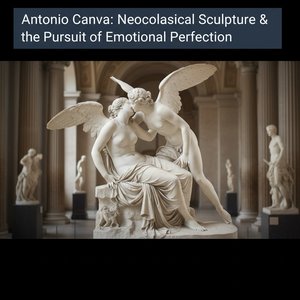
Antonio Canova: Neoclassical Sculpture & the Pursuit of Emotional Perfection
Explore the life & art of Antonio Canova, the greatest Neoclassical sculptor. Discover his masterpieces, innovative techniques, and lasting influence on fine art collecting. Expert insights for discerning investors.

10 legendaarista pronssiveistosta, jotka mullistivat taiteen – OriginalUniqueArt.com
Tutustu 10 legendaariseen pronssiveistokseen, jotka ovat muokanneet taiteen historiaa! Michelangelo, Rodin ja muut mestarit. Löydä inspiraatiota sisustukseesi ja tutki upeita taideteoksia OriginalUniqueArt.com-sivustolta.

The Enduring Form: Sculpture Across History, Technique & Emotional Resonance
Explore the rich history of sculpture with OriginalUniqueArt. Discover key techniques, influential artists & investment potential for discerning collectors. Expert insights into valuing and collecting timeless masterpieces.
