

 Katso seinällä
 Lähetä
 Jaa
Jaa
 Tarkemmat tiedot
 Opas
Opas

 Lataa kuva
 Samanlaisia kohteita
 Röntgenkuvaus
 Diaesitys
 Tilastot
The Butcher
 Acrylic On Canvas
- WallArt
- Baroque Painting
 1580
1580 59.0 x 71.0 cm
 Kimbellin taidemuseo
 Lue lisää
Käsinmaalattu öljyvärinen jäljennös
Käsinmaalattu öljyväri kankaalle haluamassasi koossa ja kehyksissä, taiteilijoidemme valmistamana tilauksesta. ( Vaihda tulosteeseen Siirry digitaaliseen kuvaan)




P118B €10

P118H €10

P118W €10

P438Z €10

P508JH €12

P508YH €12

P805H €10

P805Z €10

P919BZ €10

P919G €10

P919XJ €10

P959ZH €10

P968JZ €12

W106C €8

W218G €10

W218JH €8

W218Y €10

W307PJ €10

W316G €10

W316PJ €8

W316Y €10

W398PJ €8

W4111J €10

W500HY €15

W500JH €15

W692G €12

W849H €8

W940BG €15

W953PJ €8




Valitse valmiista mitoistamme sellaiset, jotka vastaavat teoksen alkuperäisiä mittasuhteita.

Kirjoita tarvitsemasi leveys ja korkeus, jotta teos sopii kehyskehyksiisi tai seinällesi. Koska kyseessä on käsinmaalattu teos, taiteilija voi maalata hieman enemmän kuvan ympärille tai rajata sitä hieman, jos haluat eri muotoisen koon — valinta on sinun. Lähetämme sinulle digitaalisen mallikuvan hyväksyttäväksi ennen kuin maalaus alkaa. Tällä sivulla näkyvä kuva ei vastaa lopullista tulosta — vain mallikuva näyttää sen.
Tilauksen jälkeen OriginalUniqueArt.com -tiimi lähettää asiakkaalle sähköpostitse ohjeet ja esikatselukuvan.
Maailmanlaajuinen toimitus () 3–4 viikossa tavallisen 5 viikon sijaan. (24 lokakuu). Laadusta ei tingitä.

Ilmainen pikatoimitus ympäri maailman

Korkealaatuinen pellavakangas

Kattava kuljetusvakuutus

Tulliveron palautustakuu

Takuu täydellisestä värien vastaavuudesta

100 päivän palautusoikeus valmistusvirhetapauksissa

100% rahat takaisin -takuu

Määräalennus saatavilla
 Lasivaihtoehto on saatavilla vain alle 110 cm kokoisille teoksille

The Butcher
Reproduktiotapa
Replikaatin koko
-


Kokonaishinta
€ 263
A Glimpse into the Heart of a Bolognese Trade: Annibale Carracci’s ‘The Butcher’
Annibale Carracci's “The Butcher,” painted around 1582, is more than just a depiction of a working scene; it’s a window into the social fabric and artistic ambitions of early Baroque Bologna. This captivating work, rendered in a limited palette of earthy tones, offers a remarkably honest portrayal of a commonplace profession – butchering – that challenged the prevailing Mannerist style with its direct observation of nature and emotional resonance. The painting, measuring 59 x 71 cm, immediately draws the viewer into a bustling workshop filled with men engaged in their craft, radiating an atmosphere both industrious and surprisingly dignified.
The scene is dominated by two figures, a central pair of men standing side-by-side. One, wielding a knife with practiced precision, and the other holding a cleaver, are deeply immersed in their task – preparing meat for sale or processing. Beyond them, a cast of supporting characters—apprentices, assistants, and perhaps even customers—adds to the dynamic energy of the space. Noticeably, Carracci’s treatment of light is masterful; shadows cascade across the floorboards and fall upon the wooden beams, lending an almost palpable sense of reality and depth to the composition. This attention to naturalism was a deliberate departure from the stylized, often artificial, hues favored by Mannerist painters.
The Birth of a Reform: Carracci’s Academy and its Influence
“The Butcher” exists within a pivotal moment in art history – the founding of the Carracci Academy by Annibale, his brother Agostino, and cousin Ludovico. This institution, established in Bologna around 1582, represented a radical shift away from the artistic conventions of the time. Inspired by the High Renaissance masters like Leonardo da Vinci and Raphael, but rejecting the overly ornate and emotionally detached style of Mannerism, the Academy championed direct observation of life as the foundation for artistic skill. Carracci’s own practice reflects this philosophy; he famously painted *on top* of earlier layers in “The Butcher’s Shop,” demonstrating a commitment to capturing fleeting moments and spontaneous gestures. This technique, combined with his deliberate use of earthy pigments – a stark contrast to the vibrant, often unnatural colors of Mannerism – created an image that felt remarkably immediate and truthful.
A Sympathetic Gaze: Beyond the Low-Life Subject
What distinguishes “The Butcher” from many earlier depictions of similar subjects is Carracci’s surprisingly sympathetic portrayal of his protagonists. Rather than presenting them as figures of low life or mere background detail, he imbues them with a sober and ceremonious demeanor, accentuated by their clean white aprons. This wasn't simply an artistic choice; it’s believed that Annibale, having familial connections to butchers himself, possessed intimate knowledge of the trade and sought to elevate its practitioners through his art. This gesture speaks volumes about Carracci’s humanist sensibilities – a desire to represent all members of society with dignity and respect.
Historical Context: From Bolognese Provincialism to Roman Grandeur
Following his formative years in Bologna, Annibale Carracci moved to Rome in 1594, where he served the powerful Farnese family. This move marked a significant shift in his artistic style, leading him toward a more grand and classicizing approach. He drew inspiration from antiquity, as well as the Renaissance masters of Venice and central Italy, synthesizing these influences into a distinctly personal vision. “The Butcher,” painted before this transition, offers a valuable glimpse into Carracci’s early development – a period characterized by a fervent dedication to naturalism and a rejection of artistic conventions. It stands as a testament to his ambition to revitalize Italian art through direct observation and emotional honesty.
Kysymykset ja vastaukset
Mitä käyttöä ja tilaa Annibale Carracci:n "The Butcher" suositellaan?
Annibale Carracci:n "The Butcher" on suositeltava Statement, mieluiten Living Room-tilassa. Käyttötarkoitus ja tila auttavat päättämään, mihin reproduktio sopii parhaiten.
Mihin tilaan Annibale Carracci:n "The Butcher" suositellaan?
"The Butcher"-teoksen reproduktio sopii hyvin Living Room-tilaan.
Mihin käyttöön Annibale Carracci:n "The Butcher" -teoksen reproduktio on suositeltava?
Annibale Carracci:n "The Butcher"-teoksen reproduktio on suositeltava Statement. Tämä suositus perustuu teoksen aiheeseen, tunnelmaan ja väreihin.
Taiteilijan elämäkerta
Early Life and the Bolognese Roots
Annibale Carracci, syntynyt Bolodnássa 3. marraskuuta 1560, kuului taiteelliseen perheeseen, jonka juuret ulottuivat syvälle taiteen historiaan. Hänen varhaiset opinnoilleen oli todennäköisesti määrätty ympäristö hänen oman perheensä työpajassa, joka loi pohjan uralle, joka muokkaisi Italian maalaustraditioita merkittävästi. Bolodná oli tuohon aikaan vilkas keskuksena ajattelulle ja taiteelle, mutta se tuntui samalla kaukaiselta keskeltä Rooman ja Venetsian hallitsevista virtauksista. Tämä tunne paikallisesta eristyneisyydestä sai nuorten taiteilijoiden – Annibalin, hänen veljensä Agostinin ja suhteensa Ludovicon – ryhmän etsimään uutta polkua, joka perustuisi renessanssin mestareiden inspirointiin samalla kun he omaksuivat luonnollisempaa lähestymistapaa.
Vuonna 1582 tämä pyrkimys toteutui *Accademia degli Incamminati* -taidekoulun perustamisena, joka tunnettiin aluksi nimellä *Academy of the Desirous*. Tämä ei ollut pelkästään studio; se oli innovaation kehto, tila, jossa keskityttiin tiukkaan elämänsä piirtämiseen, vilkkaaseen keskusteluun ja yhteiseen taiteelliseen pyrkimykseen. Koulun nimi itse – "Progressives" – heijasti tarkoitusta: ylittää Mannerismiin liittyvät tyylilliset monimutkaisuudet ja luoda uusi, perustuen vahvemmin klassisen renessanssin ihanteisiin. *Incamminati* muuttui malliksi taidekouluille ympäri Eurooppaa, korostaen elävästä piirustuksesta lähtevää koulutusta taiteellisen harjoittelun kulmakivenä.
A Synthesis of Styles and Influences
Carraccin taiteellinen visio ei syntynyt tyhjästä; se oli huolellisesti suunniteltu syvän vuorovaikutuksen pohjalta menneiden mestareiden perinnöistä. Hänellä oli poikkeuksellinen kyky yhdistää erilaisia vaikutteita, luoden tyylin, joka tuntui sekä vahvasti juurtuneelta perinteeseen että huomattavan omaperäiseltä. Hänet inspiroivat Rafaelin ja Andrea del Sarton selkeät viivat ja rakenteellinen tasapaino, pyrkien jäljittelemään heidän eleganssiaan ja harmoniaansa. Samalla hän tunnusti venetsiläisten maalaajien, kuten Titiuksen, tuomat värien ja tunnelman voiman, mikä lisäsi omaa työtään eloisuuteen ja tunteelliseen syvyyteen.
Correggion vaikutus oli erityisen merkittävä, joka näkyi Carraccin dynaamisissa komposiitioissa ja illuusiotekniikoissaan – erityisesti freskoissaan. Hän ei vain kopioinut näitä mestareita; hän omaksui vahvuuksiaan ja muovasi ne uuteen muotoon. Tämä eklektinen yhdistelmä tuli Bolognan koulun tunnusmerkiksi, merkittävä osa barokkiajan taidetta, joka korosti sekä klassisia ihanteita että luonnollisen havainnon.
The Roman Triumph: Palazzo Farnese and Beyond
Rooman koristamisen kutsu *Palazzo Farneseen* sisään oli Annibale Carraccin uran käännekohta. Tämä monumentaalinen tilatyömääräys – laaja freskosarja myyttisiä kohtauksia – tarjosi hänelle ennennäkemättömän mahdollisuuden esitellä taiteellista osaamistaan ja vakiinnuttaa mainettaan suurella mittakaavalla. *Triumph of Bacchus and Ariadne*, todennäköisesti hänen mestariteoksensa, on henkeäsalpaava esitys illuusionomaisesta tekniikasta, dynaamisesta komposiitiosta ja eloisista väreistä. Freskojen vaikutelma sulkee taideteoksen ja todellisuuden rajat, kutsuen katsojan myyttisen loiston maailmaan.
Yhdessä *Triumphin* kanssa Carracci suoritti myös *The Loves of the Gods* Palazzo Farneseen sisällä, tutkien myyttisiä teemoja ja rakkautta yhdistävän klassisen idealismin ja tarkkanäköisen havainnon sekoituksella. Nämä työt eivät olleet pelkästään koristeellisia; ne olivat lausunto taiteen voimasta kohottaa ihmiskunnan henkeä ja juhlia luonnon kauneutta. Hänen menestyksensä Rooman tasolla vahvisti hänen asemaansa ajan johtavista taiteilijoista, houkutellen virran tilauksia ja inspiroiden seuraavan sukupolven taiteilijoita.
Legacy and Historical Significance
Annibale Carraccin vaikutus taiteen historiaan on mittaamaton. Hänellä oli keskeinen rooli renessanssin ja barokkiajan välisen siltojen rakentamisessa, poistuen Mannerismin tyylillisten monimutkaisuuksista kohti dynaamisempaa ja tunteellisempaa estetiikkaa. Hänen luonnollisuuden korostuksensa – ihmisten kuvaaminen anatomisesti tarkasti ja psykologisesti syvällisesti – loi pohjan Caravaggion kaltaisille taiteilijoille, jotka mullistivat italialaista maalausta dramaattisella valon ja varjon käytöllä.
Accademia degli Incamminati, jonka Carracci ja hänen kollegansa perustivat, toimi mallina taidekouluille ympäri Eurooppaa, edistäen taiteellista koulutusta elävän piirustuksen perusteella ja klassisten periaatteiden mukaisesti. Hänen freskonsa Palazzo Farneseen sisällä ovat edelleen ikonisia esimerkkejä barokkiajan illuusionomaisesta tekniikasta ja taiteellisesta loistosta, inspiroimassa edelleen ihailua vuosisatojen jälkeen. Carraccien perintö elää ei vain hänen upeissa maalauksissaan vaan myös periaatteiden, joita hän puolusti: havainnon korostaminen, perinteiden kunnioittaminen ja taiteen voima maailman muuttamisessa.
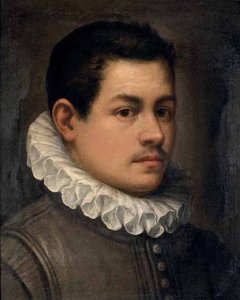
Annibale Carracci
1560 - 1609 , Italia
Tietoa taiteilijasta
- Artistic Movement Or Style: Barokki
- Artists Or Movements Influenced By This Artist:
- Caravaggio
- Bolognesen Koulu
- Artists Who Influenced This Artist:
- Raphael
- Andrea del Sarto
- Date Of Birth: 3. marraskuuta 1560
- Date Of Death: 15. heinäkuuta 1609
- Full Name: Annibale Carracci
- Nationality: Italian
- Notable Artworks:
- Triumph Bacchus
- Lovat
- Palazzo Farnese
- Place Of Birth: Bologna, Italia
Aiheeseen liittyvät artikkelit

Italian Baroque Unlocked: High-Drama Art That Hits Hard
Dive into the high-drama world of Italian Baroque art. Discover how chiaroscuro, intense emotion, and theatrical lighting redefined aesthetics. Explore the visceral power of the Counter-Reformation through a modern lens with expert insights from OriginalUniqueArt.com.
Annibale Carracci: Bridging Renaissance Ideals & Baroque Innovation
Explore the life & art of Annibale Carracci, a pivotal figure bridging Renaissance ideals with Baroque innovation. Discover his masterpieces and lasting influence on Italian painting.

Barokin loisto: Kuinka tuoda ylellisyyttä ja tunnetta nykyaikaiseen sisustukseen
Tutustu barokki sisustuksen loistoon! Opi luomaan ylellistä ja tunnelmallista kotia historiallisen tyylin inspiroimana. Vinkkejä, esimerkkejä ja in apua.
Simon Vouet: A Baroque Master's Journey from Italian Influence to French Classicism
Explore the life & art of Simon Vouet, a pivotal French Baroque painter who introduced Italian styles to France. Discover his masterpieces and lasting influence on 17th-century art.

Barokin mestariteokset: Taidetta ja loistoa kotiisi – OriginalUniqueArt.com
Uppoudu barokin loistokkuuteen! Tutustu Caravaggion, Rembrandtin ja Vermeerin kaltaisten mestareiden tunnetuimpiin teoksiin. Taidehistoriaa kotiisi – löydä upeat taidetulosteet ja canvas-taulut OriginalUniqueArt.comista.


