

 Katso seinällä
 Lähetä
 Jaa
Jaa
 Tarkemmat tiedot
 Opas
Opas

 Lataa kuva
 Samanlaisia kohteita
 Röntgenkuvaus
 Diaesitys
 Tilastot
Hercules at the Crossroads


 Lue lisää
Giclée- ja taideprintit
Museolaatuisia giclée- tai kankaitaulun tulosteita nopealla tuotannolla ja joustavilla viimeistelyvaihtoehdoilla. ( Tilaa käsinmaalattu jäljennös Siirry digitaaliseen kuvaan)




P118B €10

P118H €10

P118W €10

P438Z €10

P508JH €12

P508YH €12

P805H €10

P805Z €10

P919BZ €10

P919G €10

P919XJ €10

P959ZH €10

P968JZ €12

W106C €8

W218G €10

W218JH €8

W218Y €10

W307PJ €10

W316G €10

W316PJ €8

W316Y €10

W398PJ €8

W4111J €10

W500HY €15

W500JH €15

W692G €12

W849H €8

W940BG €15

W953PJ €8




Valitse valmiista mitoistamme sellaiset, jotka vastaavat teoksen alkuperäisiä mittasuhteita.

Kirjoita tarvitsemasi leveys ja korkeus, jotta tuloste sopii kehyskokoon tai seinällesi. Tulostetta voidaan vain leikata, sitä ei voi koskaan tehdä suuremmaksi kuin alkuperäinen kuva, joten eri muotoinen koko aiheuttaa osan kuvasta katoamisen. Lähetämme sinulle digitaalisen mallikuvan hyväksyttäväksi ennen kuin aloitamme tulostuksen. Tällä sivulla näkyvä kuva ei näytä lopullista leikkausta — vain mallikuva näyttää sen.
Maailmanlaajuinen toimitus () 2 viikossa tavallisen 4–5 viikon sijaan. (22 lokakuu)

Ilmainen pikatoimitus ympäri maailman

Korkealaatuinen pellavakangas

Kattava kuljetusvakuutus

Tulliveron palautustakuu

Takuu täydellisestä värien vastaavuudesta

100 päivän palautusoikeus valmistusvirhetapauksissa

100% rahat takaisin -takuu

Määräalennus saatavilla
 Lasivaihtoehto on saatavilla vain alle 110 cm kokoisille teoksille

Hercules at the Crossroads
Giclée- ja taideprintit
Replikaatin koko
-


Kokonaishinta
€ 70
A Crossroads of Virtue and Vice: Annibale Carracci’s “Hercules at the Crossroads”
Annibale Carracci's "Hercules at the Crossroads," painted between 1596 and 1597 for the opulent Camerino room within the Farnese Palace in Rome, is more than just a depiction of a legendary hero; it’s a meticulously crafted allegory of human choice, a vibrant testament to Renaissance ideals, and a remarkably prescient foreshadowing of Baroque dynamism. This monumental oil on canvas, now housed in the Capodimonte Museum in Naples, immediately commands attention with its dramatic composition and rich palette, drawing the viewer into a pivotal moment in Hercules’s life – a moment of profound deliberation between the allure of pleasure and the demanding path of virtue.
The scene unfolds within a verdant, almost Edenic landscape, sharply divided to mirror the two opposing forces confronting the hero. To his left, a seductive vision of Pleasure beckons, an explosion of vibrant color and theatricality. Playing cards spill from hands, musical instruments overflow, and masked figures dance in a whirlwind of indulgence – a direct reference to the hedonistic pursuits that Hercules could easily abandon for immediate gratification. The terrain here is lush and inviting, a rolling meadow promising ease and fleeting joy. Conversely, on the right, Virtue stands firm and resolute, bathed in cooler tones of blue and red. She points towards a rugged, winding road leading upwards – a steep ascent toward a winged Pegasus, symbolizing divine favor and ultimate glory. This landscape is starker, drier, and more challenging, reflecting the arduous journey demanded by moral righteousness.
The Mythic Foundation and Farnese Ideology
Carracci’s painting isn't simply illustrating a Greek myth; it’s deeply rooted in the philosophical currents of his time. The story originates from Prodicus, a Sophist who presented Hercules with two paths: one leading to immediate pleasure through worldly pursuits, the other demanding hardship and dedication to virtue. Cardinal Odoardo Farnese, the palace's librarian and a key patron of the arts, recognized the potent symbolism within this parable – a visual representation of the virtues he wished to instill in his court. Fulvio Orsini, another influential figure at the Farnese Palace, further shaped the painting’s iconography, drawing inspiration from ancient Greek tales recounted by Cicero, ensuring the narrative resonated with humanist ideals.
The choice of Hercules himself is significant. He represents not just strength and heroism but also a crucial test – a demonstration that even a demigod could be tempted by earthly desires. The painting’s placement within the Camerino room, a space designed to embody moral principles, underscores its didactic purpose. It wasn't intended as mere decoration; it was a carefully orchestrated visual sermon, guiding visitors toward a life of virtue and civic responsibility – a core tenet of Renaissance humanism.
A Synthesis of Styles: High Renaissance and Baroque Foreshadowing
Carracci’s genius lies in his masterful synthesis of artistic styles. While deeply influenced by the classical ideals of the High Renaissance, particularly Michelangelo's frescoes in the Sistine Chapel, he skillfully incorporates elements that prefigure the dramatic intensity and emotional depth characteristic of the emerging Baroque style. The figures are rendered with a remarkable sense of volume and plasticity, echoing Michelangelo’s monumental forms but imbued with a greater dynamism and expressiveness. Notice how Hercules himself is not depicted as a static hero but as a figure caught in a moment of intense contemplation – his posture conveying both strength and vulnerability.
The use of color is equally striking. The vibrant hues of Pleasure contrast sharply with the cooler tones of Virtue, creating a visual tension that mirrors the internal conflict at the heart of the myth. Carracci’s brushwork is loose and expressive, abandoning the meticulous detail favored by earlier Renaissance painters in favor of a more fluid and gestural approach – a hallmark of Baroque painting. This deliberate shift signals a move towards greater emotional impact and a heightened sense of realism.
Symbolism and Emotional Resonance
Beyond its narrative content, “Hercules at the Crossroads” is rich in symbolic detail. The poet crowned with laurels at the bottom left serves as a moral guide, assuring Hercules that virtue will ultimately lead to renown. The presence of Pegasus, representing divine favor, underscores the rewards awaiting those who choose the path of righteousness. Even the landscape itself contributes to the painting’s meaning – the lush meadow symbolizing fleeting pleasure, the rugged road signifying the arduous journey toward true fulfillment.
Ultimately, “Hercules at the Crossroads” is a profoundly moving work that speaks to the universal human struggle between desire and duty. It invites viewers to contemplate their own choices, to consider the consequences of their actions, and to embrace the virtues that will lead them towards a life of purpose and meaning. Its enduring power lies not only in its masterful execution but also in its timeless message – a reminder that true glory is found not in fleeting pleasures but in unwavering commitment to moral principles.
Kysymykset ja vastaukset
Onko teos Annibale Carracci:n "Hercules at the Crossroads" säilytyksessä taiteilijan kotimaassa?
Kyllä – teos säilytetään taiteilijan kotimaassa. Annibale Carracci on syntynyt maassa Italia, ja teoksen "Hercules at the Crossroads" alkuperäiskappaleen säilyttävä museo sijaitsee maassa Italia.
Miten teoksen Annibale Carracci:n "Hercules at the Crossroads" värit liittyvät sen välittämään tunteeseen?
Annibale Carracci:n "Hercules at the Crossroads" yhdistää Earthy väripaletin ja Reflective tunnelman.
Mihin taidesuuntaukseen Annibale Carracci:n "Hercules at the Crossroads" kuuluu?
Teoksen Annibale Carracci:n "Hercules at the Crossroads" tyylisuunta on Baroque. Tämä luokittelu sijoittaa teoksen muiden samankaltaisten taiteilijoiden ja teosten joukkoon.
Taiteilijan elämäkerta
Early Life and the Bolognese Roots
Annibale Carracci, syntynyt Bolodnássa 3. marraskuuta 1560, kuului taiteelliseen perheeseen, jonka juuret ulottuivat syvälle taiteen historiaan. Hänen varhaiset opinnoilleen oli todennäköisesti määrätty ympäristö hänen oman perheensä työpajassa, joka loi pohjan uralle, joka muokkaisi Italian maalaustraditioita merkittävästi. Bolodná oli tuohon aikaan vilkas keskuksena ajattelulle ja taiteelle, mutta se tuntui samalla kaukaiselta keskeltä Rooman ja Venetsian hallitsevista virtauksista. Tämä tunne paikallisesta eristyneisyydestä sai nuorten taiteilijoiden – Annibalin, hänen veljensä Agostinin ja suhteensa Ludovicon – ryhmän etsimään uutta polkua, joka perustuisi renessanssin mestareiden inspirointiin samalla kun he omaksuivat luonnollisempaa lähestymistapaa.
Vuonna 1582 tämä pyrkimys toteutui *Accademia degli Incamminati* -taidekoulun perustamisena, joka tunnettiin aluksi nimellä *Academy of the Desirous*. Tämä ei ollut pelkästään studio; se oli innovaation kehto, tila, jossa keskityttiin tiukkaan elämänsä piirtämiseen, vilkkaaseen keskusteluun ja yhteiseen taiteelliseen pyrkimykseen. Koulun nimi itse – "Progressives" – heijasti tarkoitusta: ylittää Mannerismiin liittyvät tyylilliset monimutkaisuudet ja luoda uusi, perustuen vahvemmin klassisen renessanssin ihanteisiin. *Incamminati* muuttui malliksi taidekouluille ympäri Eurooppaa, korostaen elävästä piirustuksesta lähtevää koulutusta taiteellisen harjoittelun kulmakivenä.
A Synthesis of Styles and Influences
Carraccin taiteellinen visio ei syntynyt tyhjästä; se oli huolellisesti suunniteltu syvän vuorovaikutuksen pohjalta menneiden mestareiden perinnöistä. Hänellä oli poikkeuksellinen kyky yhdistää erilaisia vaikutteita, luoden tyylin, joka tuntui sekä vahvasti juurtuneelta perinteeseen että huomattavan omaperäiseltä. Hänet inspiroivat Rafaelin ja Andrea del Sarton selkeät viivat ja rakenteellinen tasapaino, pyrkien jäljittelemään heidän eleganssiaan ja harmoniaansa. Samalla hän tunnusti venetsiläisten maalaajien, kuten Titiuksen, tuomat värien ja tunnelman voiman, mikä lisäsi omaa työtään eloisuuteen ja tunteelliseen syvyyteen.
Correggion vaikutus oli erityisen merkittävä, joka näkyi Carraccin dynaamisissa komposiitioissa ja illuusiotekniikoissaan – erityisesti freskoissaan. Hän ei vain kopioinut näitä mestareita; hän omaksui vahvuuksiaan ja muovasi ne uuteen muotoon. Tämä eklektinen yhdistelmä tuli Bolognan koulun tunnusmerkiksi, merkittävä osa barokkiajan taidetta, joka korosti sekä klassisia ihanteita että luonnollisen havainnon.
The Roman Triumph: Palazzo Farnese and Beyond
Rooman koristamisen kutsu *Palazzo Farneseen* sisään oli Annibale Carraccin uran käännekohta. Tämä monumentaalinen tilatyömääräys – laaja freskosarja myyttisiä kohtauksia – tarjosi hänelle ennennäkemättömän mahdollisuuden esitellä taiteellista osaamistaan ja vakiinnuttaa mainettaan suurella mittakaavalla. *Triumph of Bacchus and Ariadne*, todennäköisesti hänen mestariteoksensa, on henkeäsalpaava esitys illuusionomaisesta tekniikasta, dynaamisesta komposiitiosta ja eloisista väreistä. Freskojen vaikutelma sulkee taideteoksen ja todellisuuden rajat, kutsuen katsojan myyttisen loiston maailmaan.
Yhdessä *Triumphin* kanssa Carracci suoritti myös *The Loves of the Gods* Palazzo Farneseen sisällä, tutkien myyttisiä teemoja ja rakkautta yhdistävän klassisen idealismin ja tarkkanäköisen havainnon sekoituksella. Nämä työt eivät olleet pelkästään koristeellisia; ne olivat lausunto taiteen voimasta kohottaa ihmiskunnan henkeä ja juhlia luonnon kauneutta. Hänen menestyksensä Rooman tasolla vahvisti hänen asemaansa ajan johtavista taiteilijoista, houkutellen virran tilauksia ja inspiroiden seuraavan sukupolven taiteilijoita.
Legacy and Historical Significance
Annibale Carraccin vaikutus taiteen historiaan on mittaamaton. Hänellä oli keskeinen rooli renessanssin ja barokkiajan välisen siltojen rakentamisessa, poistuen Mannerismin tyylillisten monimutkaisuuksista kohti dynaamisempaa ja tunteellisempaa estetiikkaa. Hänen luonnollisuuden korostuksensa – ihmisten kuvaaminen anatomisesti tarkasti ja psykologisesti syvällisesti – loi pohjan Caravaggion kaltaisille taiteilijoille, jotka mullistivat italialaista maalausta dramaattisella valon ja varjon käytöllä.
Accademia degli Incamminati, jonka Carracci ja hänen kollegansa perustivat, toimi mallina taidekouluille ympäri Eurooppaa, edistäen taiteellista koulutusta elävän piirustuksen perusteella ja klassisten periaatteiden mukaisesti. Hänen freskonsa Palazzo Farneseen sisällä ovat edelleen ikonisia esimerkkejä barokkiajan illuusionomaisesta tekniikasta ja taiteellisesta loistosta, inspiroimassa edelleen ihailua vuosisatojen jälkeen. Carraccien perintö elää ei vain hänen upeissa maalauksissaan vaan myös periaatteiden, joita hän puolusti: havainnon korostaminen, perinteiden kunnioittaminen ja taiteen voima maailman muuttamisessa.
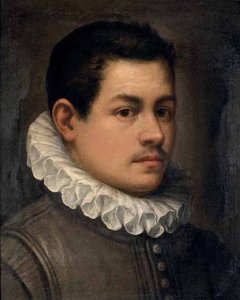
Annibale Carracci
1560 - 1609 , Italia
Tietoa taiteilijasta
- Artistic Movement Or Style: Barokki
- Artists Or Movements Influenced By This Artist:
- Caravaggio
- Bolognesen Koulu
- Artists Who Influenced This Artist:
- Raphael
- Andrea del Sarto
- Date Of Birth: 3. marraskuuta 1560
- Date Of Death: 15. heinäkuuta 1609
- Full Name: Annibale Carracci
- Nationality: Italian
- Notable Artworks:
- Triumph Bacchus
- Lovat
- Palazzo Farnese
- Place Of Birth: Bologna, Italia
Aiheeseen liittyvät artikkelit

The Dramatic Flourish: Exploring the Baroque Movement's Enduring Legacy in Art History
Explore the dramatic world of Baroque art! Discover iconic artists like Caravaggio & Rubens, defining techniques, and its lasting impact on art history. Expert insights for collectors & enthusiasts at OriginalUniqueArt.
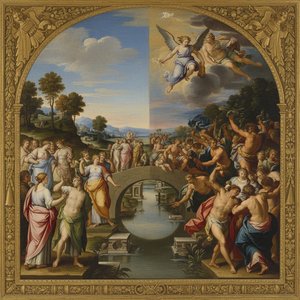
Annibale Carracci: Bridging Renaissance Ideals & Baroque Innovation
Explore the life & art of Annibale Carracci, a pivotal figure bridging Renaissance ideals with Baroque innovation. Discover his masterpieces and lasting influence on Italian painting.

Baroque Classicism: The Grandeur of Order and Drama in 17th-Century Art History
Explore the profound elegance of Baroque Classicism. Discover how 17th-century masters synthesized dramatic emotion with classical order through the lens of the Counter-Reformation and the works of legends like Carlo Maratta and Andrea Sacchi.

Barokin mestariteokset: Taidetta ja loistoa kotiisi – OriginalUniqueArt.com
Uppoudu barokin loistokkuuteen! Tutustu Caravaggion, Rembrandtin ja Vermeerin kaltaisten mestareiden tunnetuimpiin teoksiin. Taidehistoriaa kotiisi – löydä upeat taidetulosteet ja canvas-taulut OriginalUniqueArt.comista.

Barokin loisto: Kuinka tuoda ylellisyyttä ja tunnetta nykyaikaiseen sisustukseen
Tutustu barokki sisustuksen loistoon! Opi luomaan ylellistä ja tunnelmallista kotia historiallisen tyylin inspiroimana. Vinkkejä, esimerkkejä ja in apua.


