

 Katso seinällä
 Lähetä
 Jaa
Jaa
 Tarkemmat tiedot
 Guide
Guide

 Lataa kuva
 Samanlaisia kohteita
 Röntgenkuvaus
 Diaesitys
 Tilastot
Warren de la Rue
 Oil On Canvas
- WallArt
- Pre-Raphaelite
 1886
1886- 19th Century
 106.0 x 80.0 cm
 The Royal Institution
 Lue lisää
Käsinmaalattu öljyvärinen jäljennös
Käsinmaalattu öljyväri kankaalle haluamassasi koossa ja kehyksissä, taiteilijoidemme valmistamana tilauksesta. ( Vaihda tulosteeseen Siirry digitaaliseen kuvaan)




P118B $10

P118H $10

P118W $10

P438Z $10

P508JH $12

P508YH $12

P805H $10

P805Z $10

P919BZ $10

P919G $10

P919XJ $10

P959ZH $10

P968JZ $12

W106C $8

W218G $10

W218JH $8

W218Y $10

W307PJ $10

W316G $10

W316PJ $8

W316Y $10

W398PJ $8

W4111J $10

W500HY $15

W500JH $15

W692G $12

W849H $8

W940BG $15

W953PJ $8




Valitse valmiista mitoistamme sellaiset, jotka vastaavat teoksen alkuperäisiä mittasuhteita.

Voit syöttää omat mitat sopimaan tiettyyn kehykseen tai tilaan. Jos valitsemasi koko ei vastaa alkuperäisen kuvan mittasuhteita, rajaamme taideteoksen tai jatkamme maalausta käsin maalatuilla elementeillä. Digitaalinen esikatselu lähetetään hyväksyttäväksi ennen tuotannon aloittamista.
Huomioithan, että näytöllä oleva esikatselu ei vastaa todellista rajausta tai jatkamista. Vain digitaalinen mallikuva näyttää lopullisen sommittelun tarkasti.
Vaikka mittatilaustyöt ovat mahdollisia, suosittelemme valitsemaan mitan ennalta määritetystä listasta alkuperäisten mittasuhteiden säilyttämiseksi.
Tilauksen jälkeen OriginalUniqueArt.com -tiimi lähettää asiakkaalle sähköpostitse ohjeet ja esikatselukuvan.
Maailmanlaajuinen toimitus () 3–4 viikossa tavallisen 5 viikon sijaan. (20 syyskuu). Laadusta ei tingitä.

Ilmainen pikatoimitus ympäri maailman

Korkealaatuinen pellavakangas

Kattava kuljetusvakuutus

Tulliveron palautustakuu

Takuu täydellisestä värien vastaavuudesta

100 päivän palautusoikeus valmistusvirhetapauksissa

100% rahat takaisin -takuu

Määräalennus saatavilla
 Lasivaihtoehto on saatavilla vain alle 110 cm kokoisille teoksille

Warren de la Rue
Reproduktiotapa
Replikaatin koko
-


Kokonaishinta
$ 300
A Glimpse into Victorian Dignity
In the quiet, somber depths of Anna Lea Merritt’s 1886 masterpiece, Warren de la Rue, we encounter more than just a portrait; we enter a profound meditation on character and time. This exquisite oil on canvas captures an elderly gentleman seated with a composed, contemplative stillness that commands the viewer's respect. As he sits in his chair, hands clasped in a gesture of quiet reflection, the painting transcends simple representation to become a study of a life lived with purpose. The subject, dressed in the formal attire of the late 19th century—a meticulously rendered suit and tie—serves as an anchor for a composition that feels both intimate and monumental.
The atmosphere of the piece is thick with the weight of history and the dignity of age. Merritt, an artist whose American roots and European training allowed her to bridge different artistic sensibilities, utilizes a dark, indistinct background to push the subject toward the foreground. This technique creates a dramatic chiaroscroll effect, where light seems to emerge from the shadows to illuminate the textures of the man's weathered skin and the fine weave of his clothing. For the collector or interior designer, this painting offers a sense of grounded permanence, making it an ideal centerpiece for spaces that value tradition, intellectual depth, and a touch of Victorian gravitas.
Mastery of Light and Texture
Technically, Warren de la Rue is a triumph of the realistic style, showcasing Merritt’s exceptional ability to manipulate oil paint to mimic the physical world. The artist employs a sophisticated layering technique, building up colors to create a palpable sense of three-dimensionality. One cannot help but notice the way the light, seemingly emanating from a single source above and to the side, catches the subtle highlights on the subject's face and the structural lines of his chair. This careful management of light does more than define shape; it breathes life into the inanimate, lending a soft glow to the fabric and a rugged authenticity to the wood grain.
The color palette is intentionally restrained, dominated by deep browns, blacks, and charcoal tones, which are punctuated by the stark, honest whites and greys of the subject's features. This monochromatic leaning enhances the somber, serious tone of the work, ensuring that the viewer's focus remains entirely on the psychological depth of the sitter. The brushwork, while precise enough to capture the intricate details of a collar or a button, retains a painterly texture that reminds us of the artist's hand, adding an organic warmth to the formal composition.
Symbolism and Emotional Resonance
Beyond its technical brilliance, the painting serves as a powerful symbol of status and the enduring nature of the human spirit. In the context of the late 19th century, such a portrait was a declaration of wealth and social standing, yet Merritt imbues it with a much more personal, emotional resonance. The clasped hands and the steady, serious gaze suggest a man lost in thought, perhaps reflecting on the triumphs and tribulations of his long journey. There is a quiet melancholy present in the shadows, a reminder of the passage of time that invites the viewer to reflect on their own experiences.
For those looking to adorn a home or gallery with a high-quality reproduction, this work offers an unparalleled opportunity to introduce a sense of narrative and soul into a room. It is not merely a decorative object but a window into a bygone era of elegance and introspection. Whether placed in a study, a library, or a formal dining area, Warren de la Rue acts as a silent interlocutor, sparking conversation and providing a sophisticated focal point that celebrates the beauty of realism and the profound dignity of the human condition.
Taiteilijan elämäkerta
A Transatlantic Life in Art: The Story of Anna Lea Merritt
Anna Lea Merritt, born in Philadelphia in 1844, embodies a fascinating intersection of American origins and British artistic flourishing. Her life was one of dedicated study, personal tragedy, and ultimately, significant achievement within the Victorian art world. Coming from an affluent Quaker family, she benefited from opportunities for education uncommon for women of her time, initially pursuing studies that even touched upon medicine – a testament to her intellectual curiosity and keen observation of the human form, qualities that would later deeply inform her portraiture. The family’s relocation to Europe in 1865 proved pivotal, exposing Merritt to the artistic currents of the continent and providing access to instruction from esteemed artists like Stefano Ussi, Heinrich Hoffman, Léon Cogniet, and Alphonse Legros. This period was formative, broadening her technical skills and aesthetic sensibilities as she absorbed diverse influences that would shape her unique style. The move to London in 1870, prompted by the shadow of the Franco-Prussian War, marked a decisive shift, setting the stage for her mature artistic career and integration into the British art scene.Love, Loss, and Artistic Resilience
Merritt’s personal life was dramatically altered by her marriage in 1877 to Henry Merritt, an accomplished art critic and conservator who became both her mentor and husband. This union, tragically brief – lasting only three months before his untimely death – profoundly impacted her artistic trajectory. The grief she experienced found its most poignant expression in Love Locked Out, a deeply symbolic work created as a memorial to Henry. Depicting Cupid poised before a locked door, the painting speaks of longing and unattainable reunion. Merritt was initially hesitant to allow reproductions of this intensely personal piece, fearing misinterpretations of its delicate symbolism. Despite numerous requests, she guarded its meaning closely, recognizing the vulnerability inherent in sharing such raw emotion through her art. Yet, from this profound loss emerged a renewed dedication to her craft. She resolutely returned to painting, demonstrating remarkable resilience and a commitment to honoring her husband’s memory through continued artistic creation.A Multifaceted Artistic Practice
Anna Lea Merritt's artistic range was remarkably diverse. While celebrated for her evocative portraits – capturing the likenesses of notable figures like James Russell Lowell and Dr. Oliver Wendell Holmes with sensitivity and skill – she also excelled in landscapes and religious scenes. Her work often reveals a distinct Pre-Raphaelite influence, characterized by meticulous detail, rich symbolism, and a narrative quality that draws the viewer into the scene. This is particularly evident in her ambitious decorative projects, most notably the murals at St. Martin’s Church in Blackheath Village. These depictions of scenes from the life of Christ were executed using an innovative technique – painting on dry plaster with silicone-based paints – designed to combat the damp conditions prevalent in English churches. Beyond these grander undertakings, Merritt explored a unique niche combining floral symbolism with representations of women. These paintings often portray women embodying qualities associated with flowers—grace, beauty, and a certain languor—reflecting emerging feminist perspectives within the artistic landscape of the late 19th century.Legacy and Breaking Barriers
Despite her American birth, Anna Lea Merritt achieved considerable recognition in England during her lifetime. She exhibited regularly at prestigious venues like the Royal Academy, establishing herself as a respected artist within the British art establishment. Her most significant achievement came with Love Locked Out, which became the first painting by a woman artist to be acquired for the British national collection through the Chantrey Bequest – a landmark moment in recognizing female artistic talent. Merritt was also a thoughtful commentator on the challenges faced by women artists, acknowledging the societal pressures and the often-unacknowledged support roles played by husbands or family members in enabling their creative pursuits. Her writings offer valuable insights into the realities of navigating a male-dominated art world. Anna Lea Merritt’s career stands as a testament to her talent, perseverance, and contribution to a broader understanding of artistic expression beyond traditional boundaries. She died in 1930, leaving behind a legacy that continues to inspire and resonate with those who appreciate the beauty and depth of her work.
Anna Lea Merritt
1844 - 1930 , United States of America
Tietoa taiteilijasta
- Artistic Movement Or Style: Pre-Raphaelite
- Artists Who Influenced This Artist:
- Stefano Ussi
- Heinrich Hoffman
- Léon Cogniet
- Alphonse Legros
- Date Of Birth: September 13, 1844
- Date Of Death: April 7, 1930
- Full Name: Anna Lea Merritt
- Nationality: American/British
- Notable Artworks:
- Love Locked Out
- Warren de la Rue
- Henry Merritt
- Place Of Birth: Philadelphia, USA
Aiheeseen liittyvät artikkelit

Francisco Goya: 25 mestariteosta – Taidetta kotiisi OriginalUniqueArtilta
Tutustu Francisco Goyan 25 mestariteokseen! Uppoudu espanjalaisen taiteen historiaan, romanttisiin maalauksiin ja vaikuttaviin muotokuviin. Löydä täydellinen seinätaide kotiisi OriginalUniqueArtilta – korkealaatuiset reproduktiot ja inspiroivat sisustusideat. Tutki kokoelma verkossa!

Maurice Quentin de La Tour: Light, Shadow & the Rococo Portrait
Explore the captivating world of Maurice Quentin de La Tour, a master of Rococo portraiture. Discover his innovative pastel techniques, intimate depictions of French aristocracy, and lasting artistic legacy. Learn more at OriginalUniqueArt.

Águeda Ruiz de la Prada: A Study of Eclecticism & Emotional Resonance in Contemporary Spanish Painting
Discover the vibrant world of Ágatha Ruiz de la Prada, a leading figure in contemporary Spanish art. Explore her eclectic style, emotional depth & legacy – a must-read for discerning collectors.
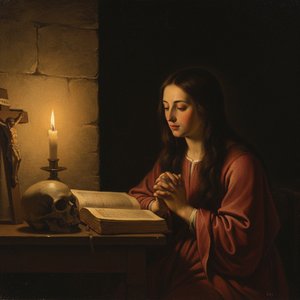
Georges de La Tour: Luminosity, Spirituality & Realism in Baroque Painting
Discover the captivating world of Georges de La Tour, a Baroque master renowned for his dramatic chiaroscuro & spiritual realism. Explore key works, influences, and his remarkable rediscovery. Learn more at OriginalUniqueArt.

Meistä
Tutustu tarinaamme! Tuomme maailmanluokan taidetta elämääsi asiantuntevan valikoiman, räätälöityjen ratkaisujen ja ilmaisten ennusteiden avulla. Yksityishenkilöt ja yritykset ovat luottaneet meihin vuodesta 2000 lähtien.