() ·

Sinulle käsin tehty maalaus

St Mark

Käsinmaalattu öljyvärinen jäljennös

Käsinmaalattu öljyväri kankaalle haluamassasi koossa ja kehyksissä, taiteilijoidemme valmistamana tilauksesta. ( Vaihda tulosteeseen Siirry digitaaliseen kuvaan)

Keräilykohteen kuvaus

Andrea del Castagno’s ‘St Mark,’ painted in 1442, showcases Saint Mark holding a book on a boat, symbolizing faith and contemplation amidst Venetian culture. This fresco exemplifies early Renaissance artistic style, influenced by Masaccio and Giotto.

Taiteilijan elämäkerta

Andrea del Castagno oli italialainen renessanssimestari, jonka dramaattiset freskomaalaukset ja innovatiivinen Laatupöytä ovat pysyneet säilyneinä! Tutustu hänen mestariteoksiinsa ja löydä Firenzeen liittyviä tietoja.

alkaen ·

Luku 1

Kuinka suuren sen tulisi olla?

Vedä liukusäädintä vaihtaaksesi kokoa; vasemmalla oleva kuva näyttää kehyksen todellisen leveyden. Alkuperäiset mittasuhteet säilyvät.

Vakiokoko
räätälöity
CM
INCH

Valitse valmiista mitoistamme sellaiset, jotka vastaavat teoksen alkuperäisiä mittasuhteita.

leveys
korkeus

Kirjoita tarvitsemasi leveys ja korkeus, jotta teos sopii kehyksiisi tai seinällesi. Koska kyseessä on käsinmaalattu teos, taiteilija voi maalata hieman enemmän kuvan ympärille tai rajata sitä hieman, jos haluat eri muotoisen koon — valinta on sinun. Lähetämme sinulle digitaalisen mallikuvan hyväksyttäväksi ennen kuin maalaus alkaa. Tällä sivulla näkyvä kuva ei vastaa lopullista tulosta — vain mallikuva näyttää sen.

Luku 2

Miten teoksen tulisi saapua?

Valitse kangaspinnan reunat

Valitse kehys

Corner sample of the WhiteWrap canvas edge finish, stretched on massiivipuu bars
Valkoinen reuna €1
Corner sample of the BlurSideWrap canvas edge finish, stretched on massiivipuu bars
pehmennetty reuna €1
Corner sample of the ExtendedWrap canvas edge finish, stretched on massiivipuu bars
Jatkuva reuna €1
Corner sample of the P118B picture frame: valettu polystyreeni, 5 cm wide and 3 cm thick
P118B €10
Corner sample of the P118H picture frame: valettu polystyreeni, 5 cm wide and 3 cm thick
P118H €10
Corner sample of the P118W picture frame: valettu polystyreeni, 5 cm wide and 3 cm thick
P118W €10
Corner sample of the P438Z picture frame: valettu polystyreeni, 5.5 cm wide and 3.5 cm thick
P438Z €10
Corner sample of the P508JH picture frame: valettu polystyreeni, 7 cm wide and 3.5 cm thick
P508JH €12
Corner sample of the P508YH picture frame: valettu polystyreeni, 7 cm wide and 3.5 cm thick
P508YH €12
Corner sample of the P805H picture frame: valettu polystyreeni, 5 cm wide and 3.5 cm thick
P805H €10
Corner sample of the P805Z picture frame: valettu polystyreeni, 5 cm wide and 3.5 cm thick
P805Z €10
Corner sample of the P919BZ picture frame: valettu polystyreeni, 7 cm wide and 3.5 cm thick
P919BZ €10
Corner sample of the P919G picture frame: valettu polystyreeni, 7 cm wide and 3.5 cm thick
P919G €10
Corner sample of the P919XJ picture frame: valettu polystyreeni, 7 cm wide and 3.5 cm thick
P919XJ €10
Corner sample of the P959ZH picture frame: valettu polystyreeni, 5 cm wide and 3 cm thick
P959ZH €10
Corner sample of the P968JZ picture frame: valettu polystyreeni, 6 cm wide and 4 cm thick
P968JZ €12
Corner sample of the W106C picture frame: massiivipuu, 5 cm wide and 3 cm thick
W106C €8
Corner sample of the W218G picture frame: massiivipuu, 5 cm wide and 3 cm thick
W218G €10
Corner sample of the W218JH picture frame: massiivipuu, 5 cm wide and 3 cm thick
W218JH €8
Corner sample of the W218Y picture frame: massiivipuu, 5 cm wide and 3 cm thick
W218Y €10
Corner sample of the W307PJ picture frame: massiivipuu, 6 cm wide and 3 cm thick
W307PJ €10
Corner sample of the W316G picture frame: massiivipuu, 6 cm wide and 3 cm thick
W316G €10
Corner sample of the W316PJ picture frame: massiivipuu, 6 cm wide and 3 cm thick
W316PJ €8
Corner sample of the W316Y picture frame: massiivipuu, 6 cm wide and 3 cm thick
W316Y €10
Corner sample of the W398PJ picture frame: massiivipuu, 5 cm wide and 3 cm thick
W398PJ €8
Corner sample of the W4111J picture frame: massiivipuu, 6.5 cm wide and 3.5 cm thick
W4111J €10
Corner sample of the W500HY picture frame: massiivipuu, 7 cm wide and 5 cm thick
W500HY €15
Corner sample of the W500JH picture frame: massiivipuu, 7 cm wide and 5 cm thick
W500JH €15
Corner sample of the W692G picture frame: massiivipuu, 8 cm wide and 4 cm thick
W692G €12
Corner sample of the W849H picture frame: massiivipuu, 5 cm wide and 3 cm thick
W849H €8
Corner sample of the W940BG picture frame: massiivipuu, 7.5 cm wide and 4.5 cm thick
W940BG €15
Corner sample of the W953PJ picture frame: massiivipuu, 6 cm wide and 3.5 cm thick
W953PJ €8
Corner sample of the H24-GOLD picture frame: kaiverrettua puuta ja gessoa, 10 cm wide and 6 cm thick
H24-GOLD €30
Corner sample of the H24-SILVER picture frame: kaiverrettua puuta ja gessoa, 10 cm wide and 6 cm thick
H24-SILVER €30
Corner sample of the H36-GOLD picture frame: kaiverrettua puuta ja gessoa, 15 cm wide and 6.5 cm thick
H36-GOLD €45
Corner sample of the H36-SILVER picture frame: kaiverrettua puuta ja gessoa, 15 cm wide and 6.5 cm thick
H36-SILVER €45
Kehyksen esikatselu
Kehystetty

Kehystys: . Kokonaismitat kehyksen kanssa: .

Luku 3

Kuka sen maalaa, ja pitäisikö mitään muuttaa?

Esimerkkejä muutettavista asioista: Vaihda kasvot asiakkaan valokuvaan; Lisää lemmikki (esim. vaihda kissa koiraksi); Lisää piilotettu viesti taustalle; Vaihda taustan maisemaa tai elementtejä.


Tilauksen jälkeen OriginalUniqueArt.com -tiimi lähettää asiakkaalle sähköpostia ohjeita varten ja toimittaa luonnoksen esikatselun

Maailmanlaajuinen toimitus () 3–4 viikossa tavallisen 5 viikon sijaan. (7 marraskuu). Laadusta ei tingitä.

Luku 4

Viimeiset silaukset

Nimikyltti, kuten museossa?

Kaiverretun pronssilaatan tiedot

This elegant plaque features the artist's name and the title of the artwork, finely engraved for a timeless presentation.

It is made from bronze with a refined, elegant finish. The text is precisely laser-engraved for a sharp and permanent result. Measuring 9x2 cm, the plaque is compact yet easy to read. It's built to be durable and scratch-resistant, offering a professional, museum-quality look. Mounting is simple thanks to the included adhesive backing.

Läpinäkyvän akryylilaatan tiedot

The plaque includes essential engraved details such as the artist's name, the title of the artwork, the date it was created, the type of media used-like oil on canvas or watercolor-a brief description of the piece, and a QR code that links to the complete artwork information.

It is crafted from clear acrylic, offering a sleek, modern appearance. The text is UV-engraved in black to ensure strong visual contrast. With a size of 10x15 cm, it ensures optimal readability. It comes equipped with two metal hooks for secure wall mounting. The plaque is designed to be weather-resistant, making it suitable for various environments, and it includes interactive features that work seamlessly with smartphone scanning.

Mustan akryylilaatan tiedot

This elegant plaque includes engraved information such as the artist's name, the title of the artwork, the date it was created, the type of media used (like oil on canvas or watercolor), a short description of the artwork, and a QR code for quick access to more information.

The plaque itself is made from refined black acrylic with a premium finish. The text is laser-engraved in white for high contrast and readability. Its size is 10x15 cm, designed to be easy to read. It comes with two metal hooks for professional mounting. The design is sleek and fits any interior style. It is also weather-resistant and durable, with built-in digital integration for mobile compatibility.

Suojaava lakka?

Milloin tarvitset sen?

Luku 5

Maalauksesi juuri niin kuin tilasit

St Mark

Reproduktiotekniikka

Replikaatin koko

-

Kokenut huipputaiteilija

Lisää yksityiskohtia, hienostuneisuutta ja enemmän aikaa tuotantoon

-

Reproduktion kehystysvaihtoehdot

-

-

Teoksille tai reproduktioille, joiden mikä tahansa sivu on suurempi kuin 105 cm (noin 41 tuumaa), kehys toimitetaan osina purettuna sarjana. Tämä menetelmä varmistaa turvallisen toimituksen ja ehkäisee vaurioita kuljetuksen aikana.

Vaatii ammattimaista kokoamista – kyseessä ei ole tee-se-itse-tuote.
Sarja on koottava ja kangas kiristettävä kokeneen kehystysammattilaisen toimesta käyttäen puuliimaa (ei sisälly pakkaukseen), kangaspinnetteitä ja puristimia, jotta kehyksen kulmat pysyvät suorina liiman kuivuessa. Virheellinen kokoaminen tai epätasainen kankaan kiristys voi vaurioittaa teosta pysyvästi, eikä tällaiset vauriot ala takuun piiriin.

  • Kaikki massiivipuupalat sisältyvät, tarkasti mittojen mukaan leikattuina.

  • Kootaan mukana tulevilla ruuveilla sekä kulmaliitoksia varten tarvittavalla puuliimalla, jota ei toimiteta, joten se on hankittava kehystäjältä.

  • Vaatii ammattilaisvälineitä, jotka eivät sisälly pakkaukseen: kankaan venytyspihdit (kiristin) ja puristimet, joilla pidetään kehyksen puut suorassa liiman kuivuessa.

Tärkeää:
Kulmaliitoksissa tarvitaan puuliimaa, kehyksien osat on pidettävä puristimilla, kunnes liima on täysin kuivunut, ja koottuun kehykseen jännitettävän kankaan kiristämiseen tarvitaan kangaspenssipihti. Mikään näistä ei sisälly pakkaukseen. Suosittelemme varmistamaan kokeneen kehystäjän saatavuuden ennen tämän kokoisen kehyksen tilaamista.

Nimilaatta

-

-

Suojalakkaus

Kiiltävä lakka (syventää värejä, suojaa valolta ja kosteudelta)

-

Mukauta taideteokseni

Esimerkkejä muokattavista asioista: Vaihda kasvot asiakkaan omaan valokuvaan; Lisää lemmikki (esim. vaihda kissa koiraan); Lisää taustalle piilotettu viesti; Muuta taustan maisemaa tai elementtejä.

-

Pikatoimitus

Maailmanlaajuinen toimitus () 3–4 viikossa tavallisen 5 viikon sijaan. (7 marraskuu). Laadusta ei tingitä.

-

Pikatoimitus

Maailmanlaajuinen toimitus () 5 viikon kuluessa. (14 marraskuu).

Sisältyy hintaan

Kokonaishinta

€ 268

Kokonaishinta € 268

Lasivaihtoehto on saatavilla vain alle 110 cm kokoisille teoksille

Sisältyy jokaiseen tilaukseen

  • Ilmainen pikatoimitus ympäri maailman
  • Korkealaatuinen pellavakangas
  • Kattava kuljetusvakuutus
  • Tulliveron palautustakuu
  • Takuu täydellisestä värien vastaavuudesta
  • 100 päivän palautusoikeus (vain valmistusvirheet)
  • 100% rahat takaisin -takuu
  • Määräalennus tarjolla

A Vision of Venetian Faith: The Divine Presence in St Mark

In the heart of the Early Renaissance, amidst the salt-misted air of Venice, Andrea del Castagno breathed life into a vision of spiritual fortitude that continues to captivate the modern soul. His 1442 fresco, St Mark, is far more than a mere religious depiction; it is a profound meditation on the human journey toward the divine. As the patron saint of Venice, Mark is presented not as a distant icon, but as a palpable, commanding presence seated upon a boat, his gaze directed upward in a moment of celestial connection. The scene unfolds with a sense of movement and purpose, as pilgrims navigate the waters, their very existence a metaphor for the Christian quest for salvation and the arduous pilgrimage toward Jerusalem.

To behold this work is to witness the transformative power of naturalism. Heavily influenced by the revolutionary techniques of Masaccio, Castagno moved away from the ethereal, flattened aesthetics of the Gothic era to embrace a rugged, anatomical realism. Every muscle, every fold of fabric, and every gesture is rendered with an unprecedented precision that lends the figures a sculptural weight. This mastery of form is paired with an innovative use of perspective, creating a spatial depth that draws the viewer into the boat alongside the saint. The artist’s command over the fresco technique—applying pigment to wet plaster—has preserved a luminous vibrancy in the blues and reds, ensuring that the emotional intensity of the scene remains as striking today as it was in the fifteenth century.

Symbolism and the Renaissance Spirit

Every element within Castagno’s composition serves a higher narrative purpose, weaving a complex tapestry of meaning for the observant viewer. The book held aloft by Saint Mark is not merely an object of study but a potent symbol of divine revelation and the enduring power of sacred knowledge. As the figures surround him, their presence underscores the communal nature of faith, suggesting that the path to holiness is one traveled by many. This interplay between the individual saint and the collective group of pilgrims creates a rhythmic tension between solitude and community, much like the historical tensions Venice faced regarding papal authority and humanist progress.

For the collector or the interior designer, a reproduction of St Mark offers more than just aesthetic beauty; it brings a sense of historical gravity and intellectual depth to a space. The painting’s ability to evoke solemn reverence through its masterful use of light and shadow makes it an ideal centerpiece for environments that value contemplation and classical elegance. It is a piece that invites conversation, bridging the gap between the turbulent politics of the 1440s and the contemporary desire for art that possesses both physical presence and spiritual resonance. To display this work is to invite a fragment of the Renaissance spirit—a testament to resilience, faith, and the eternal human search for meaning—into the modern home.

Kysymykset ja vastaukset

Onko "St Mark"-teoksen luoja Andrea del Castagno tunnettu myös muilla nimillä?

Andrea del Castagno tunnetaan myös nimellä Andrea degli Impiccati.

Kuka on luonut teoksen "St Mark" ja milloin?

Andrea del Castagno loi teoksen "St Mark" vuonna 1442.

Mihin käyttöön Andrea del Castagno:n "St Mark" on suositeltu?

Teoksen "St Mark" painosteelle suositeltu käyttötapa on Accent.

Lisää tästä teoksesta

Vaihda tulosteeseen Siirry digitaaliseen kuvaan Jaa teos
Tiedot Opas Lisää suosikkeihin Lataa kuva Samanlaisia kohteita Diaesitys Kysymykset ja vastaukset Tilastot

Lukuina

  • 1442teosvuosi
  • 29valittavissa olevat kehykset
  • standardikoot, omissa mittasuhteissaan
  • 5viikkoja maalaamiseen ja toimitukseen
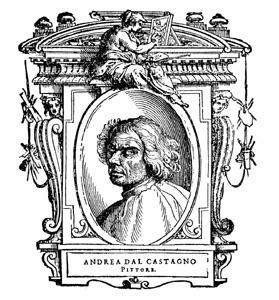
Andrea del Castagno

Andrea del Castagno

1419 - 1457, Italia

Pikaaakkaukset taiteilijasta Andrea del Castagno

  • Artistic Movement Or Style: Renaissance art
  • Artists Who Influenced This Artist:
    • Masaccio
    • Giotto
    • Fra Filippo Lippi
  • Date Of Birth: c. 1419
  • Date Of Death: 19 août 1457
  • Full Name: Andrea del Castagno
  • Nationality: Italian
  • Notable Artworks:
    • Last Supper
    • Crucifixion
    • Resurrection
  • Place Of Birth: Castagnoli, Italia

Taiteilijan elämäkerta

Andrea del Castagno, A Florentine Renaissance Master: The Life and Art of Andrea del Castagno

Andrea del Castagno, a pivotal figure in the Early Renaissance, emerged from the Tuscan countryside near Florence around 1419 to leave an indelible mark on the artistic landscape. His life, though shrouded in some mystery, was one of innovation, dramatic realism, and a departure from the more stylized conventions that preceded him. Born in Castagnoli, not far from Monte Falterona, young Andrea’s early years were touched by conflict; his family resided in Corella during periods of war between Florence and Milan before returning home. It was under the patronage of Bernardo de' Medici in 1440 that he truly entered the Florentine art world, an entry marked by a rather grim commission – painting portraits of citizens executed after the Battle of Anghiari on the facade of the Palazzo del Podestà. This act earned him the chilling nickname “Andrea degli Impiccati” (Andrea of the Hanged), a testament to the political turbulence and stark realities of the era, and a shadow that followed him throughout his career. While details regarding his formal training remain scarce, it is widely believed he studied under both Fra Filippo Lippi and Paolo Uccello, absorbing their techniques while forging his own distinct path. His early works, such as the fresco of the Crucifixion and Saints in the Ospedale di Santa Maria Nuova (1440-1441), already demonstrate a keen interest in perspective and figures that bear the clear influence of Masaccio’s groundbreaking naturalism.

Early Life and Artistic Training

Little is known about Andrea del Castagno's formative years, yet scholars believe he honed his skills primarily under Fra Filippo Lippi and Paolo Uccello – masters who championed a revolutionary approach to painting characterized by meticulous observation and the pursuit of accurate representation. Lippi’s influence instilled in Castagno a profound appreciation for detail and expressive gesture, while Uccello's dedication to perspective provided him with invaluable tools for creating illusionistic space—a technique that would become central to his artistic style. The lack of comprehensive biographical information contributes to the artist’s enigmatic aura, fueling speculation about his personal life and motivations. Despite this scarcity of documentation, Castagno’s early output speaks volumes about his burgeoning talent and intellectual curiosity.

Evolution of Style and Major Works

Castagno's artistic journey was one of continuous development, moving away from decorative approaches towards a more profound realism and psychological depth. His frescoes in San Tarasio Chapel, Venice (1442), represent an early expression of this evolving style, demonstrating his burgeoning mastery of perspective and capturing the solemn beauty of religious iconography. Simultaneously, he undertook significant commissions within St Mark’s Basilica (1442-1443), culminating in the poignant “Death of the Virgin,” a masterpiece that exemplifies Castagno's ability to convey profound emotion through carefully crafted composition and nuanced shading—a hallmark of his distinctive artistic vision. However, it was the Last Supper fresco at Sant’Apollonia in Florence, completed around 1447, that cemented his reputation as a master. This work is considered not merely a painting but a pivotal moment in Renaissance art; its exceptional detail, naturalistic portrayal of the apostles' reactions, and innovative use of perspective captivated contemporaries and profoundly influenced later artists – most notably Leonardo da Vinci, who is believed to have studied it intently before embarking on his own iconic rendition of the scene. The Assumption with Saints Julian and Miniato (c. 1449-1450), now housed in Berlin, further exemplifies his evolving style, showcasing a masterful command of color and sculptural form. Finally, Castagno’s ambitious undertaking – the equestrian statue of Niccolò da Tolentino (1456) – within Florence Cathedral stands as a testament to his technical prowess and artistic ambition.

Influences and Artistic Legacy

Andrea del Castagno did not work in isolation; his art was deeply informed by the giants who came before him. The pioneering use of perspective and naturalism championed by Masaccio served as a cornerstone of his artistic philosophy, while the expressive figures of Giotto di Bondone provided an early source of inspiration. He synthesized these influences into something uniquely his own – a style characterized by stark contrasts in light and shadow that heightened dramatic effect, and a commitment to portraying human emotion with unflinching honesty. This emphasis on realism and detailed observation wasn’t confined to Florence; it resonated throughout Italy, significantly impacting subsequent generations of artists, particularly those associated with the Ferrarese school. Cosme Tura, Francesco del Cossa, and Ercole de’ Roberti all demonstrate a clear debt to Castagno's innovations, carrying forward his legacy of naturalistic representation and psychological depth. He brought to painting what Banco and Donatello brought to sculpture, as one contemporary observer noted, solidifying his place among the most important artists of his time.

Historical Significance and Remembrance

Andrea del Castagno’s contribution to Renaissance art is undeniable—he ushered in a new era of artistic expression characterized by unprecedented realism and psychological insight. His frescoes continue to inspire awe and admiration, serving as tangible reminders of Florence's cultural brilliance during the Quattrocento. Despite the controversies surrounding his life – notably the disputed claim regarding Domenico Veneziano’s murder – Castagno remains an artist whose work transcends time, securing his place in art history as a pioneer of naturalism and a champion of emotional truthfulness. His legacy lives on through reproductions that allow audiences worldwide to experience the beauty and power of his artistic vision.

Pikaista tietoa

  • Medium: Fresco
  • Subject or theme: Religious iconography
  • Artistic style: Realistic
  • Artist: Andrea del Castagno
  • Year: 1442

Taidevisat

Jokaisessa kysymyksessä on vain yksi oikea vastaus.

Kysymys 1:
What is the primary subject matter depicted in Andrea del Castagno’s painting, ‘St Mark’?
Kysymys 2:
In what year was Andrea del Castagno commissioned to paint portraits of citizens executed after the Battle of Anghiari?
Kysymys 3:
The fresco ‘St Mark’ utilizes a technique known for its pioneering use of perspective, influenced by Masaccio. What is this technique called?
Kysymys 4:
According to historical records, Andrea del Castagno’s nickname ‘Andrea degli Impiccati’ refers to...
Kysymys 5:
What is one notable characteristic of Mark’s depiction of the Crucifixion compared to other artistic representations of similar themes?
Tutustu teoksiin, jotka on järjestetty aiheiden, tyylien ja ominaisuuksien mukaan.