

 Katso seinällä
 Lähetä
 Jaa
Jaa
 Tarkemmat tiedot
 Opas
Opas

 Lataa kuva
 Samanlaisia kohteita
 Röntgenkuvaus
 Diaesitys
 Tilastot
Manhood calendar
 Lithograph
- WallArt
- Art Nouveau
 1897
1897- 19th Century
 22.0 x 30.0 cm
 Lue lisää
Giclée- ja taideprintit
Museolaatuisia giclée- tai kankaitaulun tulosteita nopealla tuotannolla ja joustavilla viimeistelyvaihtoehdoilla. ( Tilaa käsinmaalattu jäljennös Siirry digitaaliseen kuvaan)




P118B €10

P118H €10

P118W €10

P438Z €10

P508JH €12

P508YH €12

P805H €10

P805Z €10

P919BZ €10

P919G €10

P919XJ €10

P959ZH €10

P968JZ €12

W106C €8

W218G €10

W218JH €8

W218Y €10

W307PJ €10

W316G €10

W316PJ €8

W316Y €10

W398PJ €8

W4111J €10

W500HY €15

W500JH €15

W692G €12

W849H €8

W940BG €15

W953PJ €8




Valitse valmiista mitoistamme sellaiset, jotka vastaavat teoksen alkuperäisiä mittasuhteita.

Kirjoita tarvitsemasi leveys ja korkeus, jotta tuloste sopii kehyskokoon tai seinällesi. Tulostetta voidaan vain leikata, sitä ei voi koskaan tehdä suuremmaksi kuin alkuperäinen kuva, joten eri muotoinen koko aiheuttaa osan kuvasta katoamisen. Lähetämme sinulle digitaalisen mallikuvan hyväksyttäväksi ennen kuin aloitamme tulostuksen. Tällä sivulla näkyvä kuva ei näytä lopullista leikkausta — vain mallikuva näyttää sen.
Maailmanlaajuinen toimitus () 2 viikossa tavallisen 4–5 viikon sijaan. (27 lokakuu)

Ilmainen pikatoimitus ympäri maailman

Korkealaatuinen pellavakangas

Kattava kuljetusvakuutus

Tulliveron palautustakuu

Takuu täydellisestä värien vastaavuudesta

100 päivän palautusoikeus valmistusvirhetapauksissa

100% rahat takaisin -takuu

Määräalennus saatavilla
 Lasivaihtoehto on saatavilla vain alle 110 cm kokoisille teoksille

Manhood calendar
Giclée- ja taideprintit
Replikaatin koko
-


Kokonaishinta
€ 70
A Symphony of Nature and Connection
In the delicate tapestry of the Art Nouveau movement, few works capture the rhythmic pulse of life as tenderly as Alphonse Maria Mucha’s Manhood Calendar. Created in 1897, this masterpiece serves as more than a mere decorative print; it is an evocative tableau that invites the viewer into a serene, pastoral sanctuary. The composition centers on a man and a woman seated in quiet intimacy beneath the sheltering canopy of an apple tree. Their presence is not merely romantic but deeply symbolic, embodying a profound harmony between humanity and the natural world. As they share this peaceful moment, the surrounding landscape breathes with a sense of vitality, drawing the observer into a world where time seems to slow, allowing for a deep contemplation of connection and existence.
The artistic vision behind this work is a masterclass in the organic fluidity that defined Mucha’s legendary style. Eschewing the rigid constraints of academic tradition, he employed expressive, undulating lines that mimic the natural curves of branches laden with fruit. This deliberate use of asymmetrical composition guides the eye through a dynamic journey across the canvas, creating a sense of movement that feels as spontaneous as a summer breeze. The color palette is a sophisticated arrangement of muted greens and earthy browns, which provide a grounded foundation for the vibrant splashes of crimson found in the scattered apples. These bursts of color represent ripeness and life force, punctuating the scene with a rhythmic energy that mirrors the regenerative power of nature itself.
Symbolism and the Eternal Cycle
Every element within the Manhood Calendar is imbued with layers of meaning, rooted in the cyclical rhythms of the earth. The apple tree, with its heavy boughs and scattered fruit, acts as a potent symbol of abundance, wisdom, and the bountiful rewards of life. Mucha’s meticulous attention to detail—from the subtle shading on the rugged tree trunk to the delicate rendering of individual petals—underscores his commitment to capturing the essence of growth and decay. The interplay between the figures and the fruit-laden branches suggests a mirroring of human experience with the seasonal transitions of the natural world, creating an emotional resonance that is both nostalgic and hopeful.
For the discerning collector or interior designer, this artwork offers a unique opportunity to introduce a sense of timeless elegance and tranquility into a space. The piece possesses a rare ability to transform an environment, providing a focal point that is both intellectually stimulating and visually soothing. Whether placed in a sunlit study or a sophisticated living area, the Manhood Calendar brings with it the enchanting spirit of the late 19th century, offering a window into a period where art sought to dissolve the boundaries between the beautiful and the everyday. It remains a testament to Mucha’s enduring legacy, capturing a fleeting moment of peace that feels eternally present.
Kysymykset ja vastaukset
Mikä sijoittelu sopii teoksen Alphonse Mucha:n "Manhood calendar" formaattiin?
Portrait-muotoisena "Manhood calendar"-teoksen reproduktio sopii erinomaisesti Living Room-tilaan.
Onko "Manhood calendar" yksi Alphonse Mucha'n suosituimmista teoksista?
Teoksen Alphonse Mucha:n "Manhood calendar" suosiotaso on Iconic.
Minkälainen teos "Manhood calendar" on?
Luettelossa teos Alphonse Mucha:n "Manhood calendar" on luokiteltu tyypiksi WallArt. Kategoria auttaa löytämään samankaltaisia teoksia.
Taiteilijan elämäkerta
Early Life and Artistic Beginnings
Alphonse Maria Mucha syntyi 24. heinäkuuta 1860 pienessä Ivančicen kylässä, joka sijaitsee nykyisen Tšekin maakunnassa, lähellä Moravian alueen sydämessä. Hänen perheensä oli hyvin köyhä; isänsä Ondřej oli tuomioistuimen kirstuhenkilö, ja äitinsä Amálie oli myllärin tytär. Alphonse oli kuuden lapsen vanhin, ja kaikki heidän niminsä alkoivat kirjaimella "A". Jo nuorena Alphonse osoitti lahjakkuutta piirtämisessä; paikallinen kauppias ylisti hänen töitään ja antoi hänelle lahjaksi paperia, joka oli tuohon aikaan harvinainen ylellisyys. Hänellä oli myös intohimo musiikkiin: hän oli barokkiajan lauluääni ja viulunsoittaja. Alphonse halusi jatkaa opintojaan, mutta hänen perheensä ei pystynyt rahoittamaan niitä, sillä heillä oli jo velvollisuuksia kolmen sisaruksensa koulutuksen tukemisessa. Hän päätti kuitenkin omatoimisesti kehittää taitojaan ja pyrki ammattimaiseksi taiteilijaksi.Parisissa ja Art Nouveau:n Nousu
Alphonse muutti Pariisiin vuonna 1887, jossa hän jatkoi opintojaan Académie Julianillaan ja Académie Colarossi’llaan sekä tuotti aikakauslehtien ja mainosten kuvituksia. Satunnainen sattuma johti siihen, että hän törmäsi printtitalossa, jossa oli äkillinen tarve uudelle julisteelle näyttelijän Sarah Bernhardtin esitykseen Théâtre de la Renaissance Boulevard Saint-Martinin varrella vuonna 1894. Alphonse suostui tekemään litografisen julisteen kahden viikon sisällä, ja 1. tammikuuta 1895 Bernhardtin esityksen juliste oli valmis. Se teki Muchasta heti tunnetun Pariisissa, ja kaupunkilaiset olivat niin lumoutuneita siitä, että he yrittivät leikata julisteita alas kotiinsa. Alphonse alkoi saada uusia tilauksia, ja hänen tyylinsä, jota myöhemmin kutsuttiin Art Nouveau -tyyliksi, levisi nopeasti ympäri Eurooppaa. Hän osallistui Universal Exhibitioniin vuonna 1900, jossa hän koristeli Bosnian ja Hertsegovinan paviljonkia ja teki yhteistyötä Itävallan pavillonissa.Sarah Bernhardtin kanssa ja "Le Pater"
Muchan ura kukoisti Sarah Bernhardtin kanssa, jonka kanssa hän työskenteli vuosina 1894–1906. Hän suunnitteli julisteita ja asuja näyttelijälle useisiin esityksiin. Alphonse teki myös monia muita julisteita ja aikakauslehtikuvaajia sekä suunnittelutyötä koruille, matkapaloille, tapeteille ja teatteriympäristöille. Hänen tunnetuin teoksensa on "Le Pater" (1907), joka oli hänen mielensä mukaan tärkein tulos. Se on suuri symbolistinen maalauksia sarja, jossa Alphonse kuvaa slaavien historiaa ja päämääriä. Hän maalasi 20 monumentaalista kuvaa vuosina 1912–1926.Slaavilainen eepos ja perintö
Alphonse Muchan tyyli oli vaikutteita Tšekin taiteellisista traditioista sekä modernista eurooppalaisesta taidesuunnasta. Hänen ainutlaatuinen tyylinsä loi tien tuleville taiteilijoille Art Nouveau - ja Secessionism -liikkeissä. Hän inspiroi muita taiteilijoita, kuten Evaa Prokopcován. Alphonse Mucha kuoli 14. heinäkuuta 1939 Prahassa, Tšekkoslovakiassa. Hänen työnsä on edelleen suosittu ja hänen vaikutuksensa näkyy monissa suunnittelutyyleissä ja estetiikassa.Alphonse Muchan pääteokset
- The Slavonic Uprising - Esittelee yhdistelmän perinteisiä tšekiläisiä motiiveja ja modernia Art Nouveau -estetiikkaa.
- Salon des Cent
- Maalauksia, jotka pohjautuvat Gustave Moreaun teoksiin The Daughters of Tespio sekä Piero Dorazion teokseen La Ribambelle des Gobelins.
- Kuvituksia Sir Hubert von Herkomerin teoksesta Young Farmers Breaking Flax.
Lisätietoja
- Syntymäpäivä: 24. heinäkuuta 1860
- Kuolinpäivä: 14. heinäkuuta 1939
- Syntymäpaikka: Ivančice, Moravia (Tšekki)
- Sijainti: Praha, Tšekkoslovakia

Alphonse Mucha
1860 - 1939 , Tšekki
Tietoa taiteilijasta
- Artistic Movement Or Style: Art Nouveau
- Artists Or Movements Influenced By This Artist: ['Prokopcová']
- Artists Who Influenced This Artist:
- Renoir
- Moreau
- Date Of Birth: 24.7.1860
- Date Of Death: 14.7.1939
- Full Name: Alphonse Maria Mucha
- Nationality: Tšekkiläinen
- Notable Artworks:
- Slav Epic
- Gismonda
- Salon des Cent
- Place Of Birth: Ivančice, Tšekki
Aiheeseen liittyvät artikkelit

The Elegance of Art Nouveau: Discovering Beauty in Nature’s Sinuous Curves and the Belle Époque Spirit
Immerse yourself in the romantic allure of Art Nouveau. Explore the sinuous curves and floral elegance of the Belle Époque through our exquisite, hand-painted reproductions. Discover a timeless connection to nature’s beauty with our museum-quality collection.

10 Iconic Art Nouveau Masterpieces That Changed Art Forever
Step into the elegant world of Art Nouveau. Explore 10 iconic masterpieces, from Klimt to Mucha, through their stories and organic beauty. Find museum-quality art reproductions and decor inspiration for your home. Discover all masterpieces on OriginalUniqueArt.com.

10 Iconic Masterpieces That Defined the Art Nouveau Movement
Immerse yourself in the flowing elegance of Art Nouveau. Discover the stories behind 10 legendary masterpieces by icons like Klimt and Mucha. Perfect for art lovers seeking museum-quality reproductions and timeless decor inspiration. Explore the full collection online at OriginalUniqueArt.com.
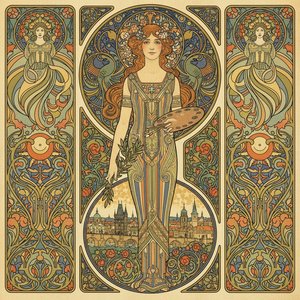
Alphonse Mucha: A Comprehensive Exploration of Art Nouveau's Master of Decorative Symbolism
Explore the life & art of Alphonse Mucha, master of Art Nouveau! Discover his iconic posters, stunning illustrations, and the monumental Slav Epic. A comprehensive guide for collectors & enthusiasts.

The Elegance of Art Nouveau: A Masterclass in Organic Forms, Sinuous Lines, and the Belle Époque Aesthetic
Explore the exquisite world of Art Nouveau. From Alphonse Mucha’s flowing lines to the organic elegance of the Belle Époque, discover the history and mastery behind this iconic movement with expert insights from our museum-grade art collection.