
 Esikatselu
 Jaa teos
 Jaa
Jaa
 Tiedot
 Opas
Opas

 Lataa kuva
 Samanlaisia kohteita
 Röntgenkuvaus
 Diaesitys
 Kysymykset ja vastaukset
 Tilastot
George III (1738–1820)

- 246.0 x 163.0 cm


 Lue lisää
Giclée- ja taideprintit
Museolaatuisia giclée- tai kankaitaulun tulosteita nopealla tuotannolla ja joustavilla viimeistelyvaihtoehdoilla. ( Osta käsinmaalattu taideteos Siirry digitaaliseen kuvaan)




P118B €10

P118H €10

P118W €10

P438Z €10

P508JH €12

P508YH €12

P805H €10

P805Z €10

P919BZ €10

P919G €10

P919XJ €10

P959ZH €10

P968JZ €12

W106C €8

W218G €10

W218JH €8

W218Y €10

W307PJ €10

W316G €10

W316PJ €8

W316Y €10

W398PJ €8

W4111J €10

W500HY €15

W500JH €15

W692G €12

W849H €8

W940BG €15

W953PJ €8




Valitse valmiista mitoistamme sellaiset, jotka vastaavat teoksen alkuperäisiä mittasuhteita.

Syötä tarvitsemasi leveys ja korkeus, jotta tuloste sopii kehyksiisi tai seinällesi. Tulostetta voidaan vain leikata, sitä ei voida koskaan suurentaa alkuperäistä kuvaa suuremmaksi, joten eri muotoinen koko aiheuttaa osan kuvasta katoamisen. Lähetämme sinulle digitaalisen mallikuvan hyväksyttäväksi ennen kuin aloitamme tulostuksen. Tällä sivulla näkyvä kuva ei näytä lopullista rajausta — vain mallikuva näyttää sen.
Maailmanlaajuinen toimitus () 2 viikossa tavallisen 4–5 viikon sijaan. (4 marraskuu)

Ilmainen pikatoimitus ympäri maailman

Korkealaatuinen pellavakangas

Kattava kuljetusvakuutus

Tulliveron palautustakuu

Takuu täydellisestä värien vastaavuudesta

100 päivän palautusoikeus (vain valmistusvirheet)

100% rahat takaisin -takuu

Määräalennus tarjolla
 Lasivaihtoehto on saatavilla vain alle 110 cm kokoisille teoksille

George III (1738–1820)
Giclée- ja taideprintit
Replikaatin koko
-


Kokonaishinta
€ 72
A Vision of Royal Majesty
In the grand tapestry of eighteenth-century portraiture, few works command the room with as much authoritative grace as Allan Ramsay’s 1764 masterpiece, George III. This breathtaking portrait serves as more than a mere likeness; it is a profound window into the heart of the British monarchy during an era of immense transition. As the viewer gazes upon the King, they are immediately struck by the sheer scale and presence of the composition. Ramsay, a master of capturing both the physical essence and the psychological weight of his subjects, utilizes a rich, vibrant palette to breathe life into the royal figure. The deep, velvety tones of the drapery and the shimmering gold trim of the royal robes create a sensory experience that transcends the canvas, inviting collectors and art enthusiasts alike to step back into the gilded age of the Enlightenment.
The technical brilliance of this work lies in Ramsay’s ability to balance the meticulous detail of neoclassical precision with the dramatic flair of his Italian training. Having studied under masters like Francesco Solimena, Ramsay brought a sophisticated understanding of light and shadow—chiaroscroll—to the English court. In this portrait, the light does not merely illuminate; it sculpts. It catches the intricate textures of the King’s regalia, from the heavy, embroidered fabric of his mantle to the cold, hard glint of the scepter and sword. Every brushstroke serves a purpose, contributing to a sense of tactile reality that makes the royal splendor feel almost tangible. For the interior designer, such a piece offers an unparalleled focal point, providing a sense of historical weight and architectural grandeur to any sophisticated space.
Symbolism and the Language of Power
Beyond its aesthetic allure, the portrait is a complex semiotic map of sovereign authority. Every element held by George III is a deliberate symbol of his divine and temporal right to rule. The scepter, gripped firmly in one hand, represents his judicial power, while the sword serves as a reminder of his role as the protector of the realm. These instruments of statecraft are set against a backdrop of heavy, theatrical curtains, a classic trope in royal portraiture that creates an intimate yet staged atmosphere, suggesting that we are witnessing a moment of profound historical significance. The composition is designed to evoke awe, instilling a sense of stability and continuity in the viewer.
To possess a reproduction of this caliber is to invite a conversation about heritage, leadership, and the enduring beauty of classical art into one's home. It is an investment in atmosphere. Whether placed in a formal study, a grand dining hall, or a curated gallery wall, Ramsay’s depiction of George III acts as an anchor of elegance. The painting does not merely decorate a wall; it commands the environment, offering a timeless connection to the artistry and the political drama of the eighteenth century. It remains a captivating testament to the power of portraiture to immortalize not just a man, but an entire epoch of human history.
Kysymykset ja vastaukset
Miten kontrasti ja harmonia yhdistyvät teoksessa "George III (1738–1820)"?
Allan Ramsay:n "George III (1738–1820)" teoksen väriyhdistelmä yhdistää Gentle kontrastin ja Unified Palette harmonian.
Onko teos "George III (1738–1820)" tekijänoikeusvapaa?
Tekijänoikeuksien osalta teos "George III (1738–1820)" on vapaasti käytettävissä – tekijänoikeussuoja on päättynyt.
Ovatko "George III (1738–1820)" värit voimakkaita vai pehmeitä?
Teoksen Allan Ramsay:n "George III (1738–1820)" värit ovat Balanced voimakkuudeltaan.
Taiteilijan elämäkerta
Allan Ramsay: Eleganssin ja taiteellisuuden elämä
Skotlannin Edinburghissa 13. lokakuuta 1713 syntynyt Allan Ramsay nousi merkittäväksi skottilaisportrettimaalariksi, jonka teokset vangitsivat aikansa eleganssin ja hienostuneisuuden. Hänen taiteellinen matkansa alkoi kaksikymmenen vuoden iässä, kun hän matkusti Lontooseen opiskelemaan ruotsalaisen maalarin Hans Hysingin johdolla ja jatkoi sen jälkeen St. Martin's Lane Academyssä. Tämä peruskoulutus antoi hänelle vankan pohjan tekniikassa ja sommittelussa.
Italialaiset vaikutteet ja taiteellinen kehitys
Ramsayn taiteellinen kehitys kääntyi merkittävään suuntaan hänen matkoillaan Roomaan ja Napoliin, jossa hän vietti kolme vuotta (1736–1738) työskennellen Francesco Solimenan ja Imperiali (Francesco Fernandinin) oppilaana. Nämä italialaiset mestarit vaikuttivat syvästi hänen tyyliinsä, edistäen klassisten periaatteiden ymmärtämystä ja parantaen hänen taitojaan vangita ulkonäköä ja luonnetta. Hän omaksui vallitsevan rokokoo-estetiikan kehittäen samalla arvostusta uusklassisiin ihanteisiin.
Kukoistava ura ja merkittävät teokset
Palattuaan Britanniaan vuonna 1738 Ramsay vakiinnutti nopeasti menestyksekkään uran muotokuvamaalarina. Hänen kykynsä kuvata kohteitaan tarkasti ja tyylikkäästi toi hänelle pian arvostetun asiakaskunnan. Joitakin hänen merkittävimmistä teoksistaan ovat:
- Kuningatar Charlotten (1744–1818) muotokuva kahden vanhimman poikansa kanssa (Royal Collection, Lontoo): Juhlallinen kuvaus, joka esittelee kuningattaren äidillisen läsnäolon.
- Mary Degg, Lady Robert Manners (Scottish National Gallery, Edinburgh): Tyylikäs muotokuva, joka osoittaa Ramsayn kyvyn vangita aristokraattista kauneutta.
- Duncan Forbes of Cullodenin pää: Tämä varhainen työ herätti herttua Argyllin huomion ja esiintyi myöhemmin Royal Bank of Scotlandin seteleissä.
Kunniamaininta ja huippusaavutus
Ramsayn uran ratkaiseva hetki koitti vuonna 1761, jolloin hänet nimitettiin George III:n hovimaalariksi. Tämä arvostettu asema vahvisti hänen asemansa taiteellisten eliittien joukossa ja varmisti tasaisen tilausvirran kuninkaalliselta perheeltä ja yläluokalta. Hänestä tuli georgiaanisikauden muotokuvamaalari.
Myöhempi elämä ja perintö
Ramsayn myöhemmässä elämässään hän siirtyi kirjallisiin pyrkimyksiin, mikä heijasti hänen laajaa älyllistä kiinnostustaan. Henkilökohtaiset tragediat – oikean käsivarren vahingossa tapahtunut sijoiltaanmeno ja toisen vaimonsa kuolema vuonna 1782 – vaikuttivat hänen terveyteensä ja tuottavuuteensa. Hän kuoli vuonna 1784.
Näistä haasteista huolimatta Ramsay jätti jälkeensä pysyvän perinnön yhtenä Skotlannin tunnetuimmista muotokuvamaalareista. Kuten Samuel Johnson totesi: "Rakastan Ramsayn maalausta. Et löydä miestä, jonka keskustelussa on enemmän opetusta, tietoa ja eleganssia kuin Ramsayn." Hänen teoksiaan ihaillaan edelleen niiden teknisen taidon, hienostuneen estetiikan ja 1700-luvun yhteiskunnan oivaltavien kuvausten vuoksi.
Historiallinen merkitys
Allan Ramsayn panos ulottuu hänen taiteellisten kykyjensä lisäksi. Hänellä oli ratkaiseva rooli Skotlannin visuaalisen kulttuurin muokkaamisessa merkittävän sosiaalisen ja poliittisen muutoksen aikana. Hänen muotokuvansa tarjoavat arvokkaita näkemyksiä skottilaisen aateliston ja herrasten elämästä, muodista ja arvoista. Hänen teoksiaan voi löytää paikoista kuten Ayr Town Hall ja Scottish National Portrait Gallery.
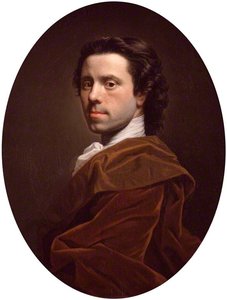
Allan Ramsay
1713 - 1784 , Yhdistynyt kuningaskunta
Pähkinänkuoressa
- Kansallisuus: Skotti
- Koko Nimi: Allan Ramsay
- Kuolinpäivä: 1784
- Merkittäviä Teoksia:
- Queen Charlotte
- Mary Degg
- Duncan Forbes
- Syntymäpaikka (Kaupunki Ja Maa): Edinburgh, Yhdistynyt kuningaskunta
- Syntymäpäivä: 13. lokakuuta 1713
- Taidesuuntaus: Rokokoo, Neoklassismi
- Vaikuttaneet Taiteilijat:
- Hans Hysing
- Francesco Solimena
Aiheeseen liittyvät artikkelit

Neoclassical Portraiture: The Timeless Elegance of Order, Grace, and Academic Mastery
Explore the refined world of Neoclassical portraiture. Discover the mastery of line, light, and order through an expert exploration of academic art history, from Jacques-Louis David to Jean-Antoine Houdon. Immerse yourself in the timeless elegance of classical realism.

Georges Seurat: 25 mestariteosta – Valon ja värin lumoa taidossa | OriginalUniqueArt
Tutustu Georges Seuratin 25 mestariteokseen! Uppoudu pointillismia, valomaalausta ja väriteoriaa hyödyntävään taidemaailmaan. Löydä A Sunday on La Grande Jatte ja muut ikonit OriginalUniqueArt.comista – korkealaatuiset taidekopiot kotiisi.
Neoklassismin 10 mestariteosta: Taidetta ja inspiraatiota kotiin – OriginalUniqueArt.com
Tutustu neoklassismin 10 vaikuttavinta mestariteosta! Jacques-Louis Davidista Canovaan – taidehistorian helmet ja inspiraatiota sisustukseen. Laadukkaat taideprintit OriginalUniqueArt.com:ssa. Tutki kokoelma verkossa!

Allen Ramsay: Portraiture, Patronage & Shaping Georgian Identity
Explore the life & work of Allen Ramsay, pivotal portraitist to George III. Discover his Rococo style, influence on Georgian society, and lasting legacy in British art history. Learn about his key works & patronage.

Georges Braquen 25 mestariteosta: Taidetta kotiin OriginalUniqueArtilta
Tutustu Georges Braquen 25 mestariteokseen ja kubismin lumoihin! Taidehistoriaa, värejä ja inspiraatiota kotiisi. Laadukkaat taulut OriginalUniqueArtilta – löydä täydellinen seinätaulu nyt!


