

 Katso seinällä
 Lähetä
 Jaa
Jaa
 Tarkemmat tiedot
 Opas
Opas

 Lataa kuva
 Samanlaisia kohteita
 Röntgenkuvaus
 Diaesitys
 Tilastot
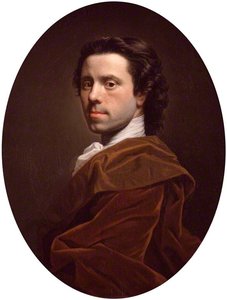
DAVID WEMYSS, LORD ELCHO


 Lue lisää
Giclée- ja taideprintit
Museolaatuisia giclée- tai kankaitaulun tulosteita nopealla tuotannolla ja joustavilla viimeistelyvaihtoehdoilla. ( Tilaa käsinmaalattu jäljennös Siirry digitaaliseen kuvaan)




P118B €10

P118H €10

P118W €10

P438Z €10

P508JH €12

P508YH €12

P805H €10

P805Z €10

P919BZ €10

P919G €10

P919XJ €10

P959ZH €10

P968JZ €12

W106C €8

W218G €10

W218JH €8

W218Y €10

W307PJ €10

W316G €10

W316PJ €8

W316Y €10

W398PJ €8

W4111J €10

W500HY €15

W500JH €15

W692G €12

W849H €8

W940BG €15

W953PJ €8




Valitse valmiista mitoistamme sellaiset, jotka vastaavat teoksen alkuperäisiä mittasuhteita.

Kirjoita tarvitsemasi leveys ja korkeus, jotta tuloste sopii kehyskokoon tai seinällesi. Tulostetta voidaan vain leikata, sitä ei voi koskaan tehdä suuremmaksi kuin alkuperäinen kuva, joten eri muotoinen koko aiheuttaa osan kuvasta katoamisen. Lähetämme sinulle digitaalisen mallikuvan hyväksyttäväksi ennen kuin aloitamme tulostuksen. Tällä sivulla näkyvä kuva ei näytä lopullista leikkausta — vain mallikuva näyttää sen.
Maailmanlaajuinen toimitus () 2 viikossa tavallisen 4–5 viikon sijaan. (24 lokakuu)

Ilmainen pikatoimitus ympäri maailman

Korkealaatuinen pellavakangas

Kattava kuljetusvakuutus

Tulliveron palautustakuu

Takuu täydellisestä värien vastaavuudesta

100 päivän palautusoikeus valmistusvirhetapauksissa

100% rahat takaisin -takuu

Määräalennus saatavilla
 Lasivaihtoehto on saatavilla vain alle 110 cm kokoisille teoksille

DAVID WEMYSS, LORD ELCHO
Giclée- ja taideprintit
Replikaatin koko
-


Kokonaishinta
€ 70
A Portrait of Nobility: Allan Ramsay’s David Wemyss, Lord Elcho
Allan Ramsay's “David Wemyss, Lord Elcho” is more than just a painted likeness; it’s a carefully constructed tableau of 18th-century Scottish aristocracy, imbued with the formality and restrained emotion characteristic of his era. Completed around 1775, this oil on canvas portrait captures David Wemyss, Lord Elcho, a prominent figure in Jacobite circles and a man defined by both privilege and turbulent history. The painting immediately draws the eye with its rich palette – deep reds and browns dominate, offset by creamy whites and subtle golds – creating an atmosphere of dignified opulence that speaks to the subject’s status and wealth.
Ramsay's skill lies not merely in replicating appearance but in conveying character. Lord Elcho is presented in a three-quarter pose, his gaze direct and unwavering, establishing an immediate connection with the viewer. His posture exudes confidence, yet there’s also a hint of melancholy in his expression, perhaps reflecting the political turmoil that defined his life. The artist masterfully employs soft lines to define the contours of the face and clothing, avoiding harsh outlines and instead creating a sense of gentle realism. Notice how the folds of his coat and cravat aren't simply rendered; they’re sculpted with subtle shading, adding depth and texture that bring the portrait to life.
The Context of Power and Rebellion
To fully appreciate “David Wemyss, Lord Elcho,” it’s crucial to understand its historical context. The late 18th century in Scotland was a period of intense political unrest, fueled by aspirations for restoring the Stuart monarchy. Lord Elcho, as a Jacobite supporter, played a significant role in this movement, raising his own troop of cavalry – the “Lifeguards” – which became renowned for their bravery and effectiveness during the 1745 Rising. The portrait itself is therefore inextricably linked to this era of rebellion and loyalty, serving as a visual testament to a man caught between duty and ambition.
Further research reveals that Lord Elcho’s life was marked by both success and tragedy. He initially rose through the ranks of the army, earning recognition for his military prowess. However, following the disastrous defeat at Culloden in 1746, he fled to Europe and faced imprisonment and exile. The painting, therefore, can be viewed as a poignant reminder of a life cut short by political upheaval – a man whose legacy is intertwined with both glory and loss.
Symbolism and Artistic Technique
Ramsay’s technique is rooted in the traditions of 18th-century portraiture, yet he infuses it with his own distinctive style. The lighting, diffused and soft, illuminates Lord Elcho's face and upper body while leaving the background shrouded in shadow, creating a dramatic focal point and emphasizing the subject’s presence. The use of color is particularly noteworthy; the rich reds and browns evoke notions of power, wealth, and nobility, while the lighter tones suggest refinement and elegance.
Beyond mere representation, Ramsay employs subtle symbolism to enhance the portrait's meaning. The elaborate attire – the richly colored coat, the ornate cravat, and the powdered wig – are all indicators of Lord Elcho’s social standing and status within Scottish society. The composition itself, with its balanced arrangement and direct gaze, reinforces his authority and confidence. It is a carefully considered image designed to project an aura of power and dignity.
A Timeless Masterpiece for the Home
“David Wemyss, Lord Elcho” remains a captivating work of art, offering a glimpse into a pivotal moment in Scottish history and showcasing the exceptional talent of Allan Ramsay. Reproductions of this portrait are highly sought after by collectors and interior designers alike, providing a touch of elegance and historical gravitas to any space. Its rich colors, masterful composition, and evocative subject matter make it a truly timeless masterpiece – a testament to the enduring power of art to capture both the outward appearance and inner character of its subjects.
Kysymykset ja vastaukset
Missä "DAVID WEMYSS, LORD ELCHO" suositellaan sijoitettavan, kun otetaan huomioon sen väripaletti?
Earthy väripalettinsa ansiosta Allan Ramsay:n "DAVID WEMYSS, LORD ELCHO" on suositeltava Living Room-tilaan. Värit ovat yksi tämän suosituksen perusteista.
Missä voin nähdä alkuperäisen teoksen Allan Ramsay:n "DAVID WEMYSS, LORD ELCHO"?
Alkuperäinen Allan Ramsay:n "DAVID WEMYSS, LORD ELCHO" on esillä Louvren museo, Paris, France-museossa. Reproduktio mahdollistaa teoksen näyttämisen kotona.
Millainen tunnelma teoksella "DAVID WEMYSS, LORD ELCHO" on?
Teoksen Allan Ramsay:n "DAVID WEMYSS, LORD ELCHO" tunnelmaa kuvataan olevan Elegant. Tämä luokittelu voi auttaa löytämään teokselle sopivan ympäristön.
Taiteilijan elämäkerta
Allan Ramsay: Eleganssin ja taiteellisuuden elämä
Skotlannin Edinburghissa 13. lokakuuta 1713 syntynyt Allan Ramsay nousi merkittäväksi skottilaisportrettimaalariksi, jonka teokset vangitsivat aikansa eleganssin ja hienostuneisuuden. Hänen taiteellinen matkansa alkoi kaksikymmenen vuoden iässä, kun hän matkusti Lontooseen opiskelemaan ruotsalaisen maalarin Hans Hysingin johdolla ja jatkoi sen jälkeen St. Martin's Lane Academyssä. Tämä peruskoulutus antoi hänelle vankan pohjan tekniikassa ja sommittelussa.
Italialaiset vaikutteet ja taiteellinen kehitys
Ramsayn taiteellinen kehitys kääntyi merkittävään suuntaan hänen matkoillaan Roomaan ja Napoliin, jossa hän vietti kolme vuotta (1736–1738) työskennellen Francesco Solimenan ja Imperiali (Francesco Fernandinin) oppilaana. Nämä italialaiset mestarit vaikuttivat syvästi hänen tyyliinsä, edistäen klassisten periaatteiden ymmärtämystä ja parantaen hänen taitojaan vangita ulkonäköä ja luonnetta. Hän omaksui vallitsevan rokokoo-estetiikan kehittäen samalla arvostusta uusklassisiin ihanteisiin.
Kukoistava ura ja merkittävät teokset
Palattuaan Britanniaan vuonna 1738 Ramsay vakiinnutti nopeasti menestyksekkään uran muotokuvamaalarina. Hänen kykynsä kuvata kohteitaan tarkasti ja tyylikkäästi toi hänelle pian arvostetun asiakaskunnan. Joitakin hänen merkittävimmistä teoksistaan ovat:
- Kuningatar Charlotten (1744–1818) muotokuva kahden vanhimman poikansa kanssa (Royal Collection, Lontoo): Juhlallinen kuvaus, joka esittelee kuningattaren äidillisen läsnäolon.
- Mary Degg, Lady Robert Manners (Scottish National Gallery, Edinburgh): Tyylikäs muotokuva, joka osoittaa Ramsayn kyvyn vangita aristokraattista kauneutta.
- Duncan Forbes of Cullodenin pää: Tämä varhainen työ herätti herttua Argyllin huomion ja esiintyi myöhemmin Royal Bank of Scotlandin seteleissä.
Kunniamaininta ja huippusaavutus
Ramsayn uran ratkaiseva hetki koitti vuonna 1761, jolloin hänet nimitettiin George III:n hovimaalariksi. Tämä arvostettu asema vahvisti hänen asemansa taiteellisten eliittien joukossa ja varmisti tasaisen tilausvirran kuninkaalliselta perheeltä ja yläluokalta. Hänestä tuli georgiaanisikauden muotokuvamaalari.
Myöhempi elämä ja perintö
Ramsayn myöhemmässä elämässään hän siirtyi kirjallisiin pyrkimyksiin, mikä heijasti hänen laajaa älyllistä kiinnostustaan. Henkilökohtaiset tragediat – oikean käsivarren vahingossa tapahtunut sijoiltaanmeno ja toisen vaimonsa kuolema vuonna 1782 – vaikuttivat hänen terveyteensä ja tuottavuuteensa. Hän kuoli vuonna 1784.
Näistä haasteista huolimatta Ramsay jätti jälkeensä pysyvän perinnön yhtenä Skotlannin tunnetuimmista muotokuvamaalareista. Kuten Samuel Johnson totesi: "Rakastan Ramsayn maalausta. Et löydä miestä, jonka keskustelussa on enemmän opetusta, tietoa ja eleganssia kuin Ramsayn." Hänen teoksiaan ihaillaan edelleen niiden teknisen taidon, hienostuneen estetiikan ja 1700-luvun yhteiskunnan oivaltavien kuvausten vuoksi.
Historiallinen merkitys
Allan Ramsayn panos ulottuu hänen taiteellisten kykyjensä lisäksi. Hänellä oli ratkaiseva rooli Skotlannin visuaalisen kulttuurin muokkaamisessa merkittävän sosiaalisen ja poliittisen muutoksen aikana. Hänen muotokuvansa tarjoavat arvokkaita näkemyksiä skottilaisen aateliston ja herrasten elämästä, muodista ja arvoista. Hänen teoksiaan voi löytää paikoista kuten Ayr Town Hall ja Scottish National Portrait Gallery.
Allan Ramsay
1713 - 1784 , Yhdistynyt kuningaskunta
Tietoa taiteilijasta
- Kansallisuus: Skotti
- Koko Nimi: Allan Ramsay
- Kuolinpäivä: 1784
- Merkittäviä Teoksia:
- Queen Charlotte
- Mary Degg
- Duncan Forbes
- Syntymäpaikka (Kaupunki Ja Maa): Edinburgh, Yhdistynyt kuningaskunta
- Syntymäpäivä: 13. lokakuuta 1713
- Taidesuuntaus: Rokokoo, Neoklassismi
- Vaikuttaneet Taiteilijat:
- Hans Hysing
- Francesco Solimena
Aiheeseen liittyvät artikkelit

Allen Ramsay: Portraiture, Patronage & Shaping Georgian Identity
Explore the life & work of Allen Ramsay, pivotal portraitist to George III. Discover his Rococo style, influence on Georgian society, and lasting legacy in British art history. Learn about his key works & patronage.

David Roberts: A Scottish Pioneer of Topographical Art & Orientalist Vision
Explore the captivating world of David Roberts, a pioneering Scottish painter renowned for his detailed Orientalist scenes & stunning Egyptian landscapes. Discover his legacy and find museum-quality reproductions at OriginalUniqueArt.
Alexander Nasmyth: Picturing Scotland's Romantic Landscape – Innovation & Identity
Explore the life & art of Alexander Nasmyth, a pivotal figure in Scottish Romantic landscape painting. Discover his iconic works, including portraits of Robert Burns, and learn about his lasting influence on national identity. Fine art reproductions available.
George Paul Chalmers: Rediscovering the Angus Rembrandt & Scottish Colourist Roots
Explore the captivating world of George Paul Chalmers (1833-1878), a pivotal Scottish painter. Discover his landscapes, portraits & connection to the Aesthetic Movement and Colourists. Learn about this 'Angus Rembrandt's' legacy with OriginalUniqueArt.
Sir John Watson Gordon: A Study in Scottish Landscape Painting & Tonal Impressionism
Explore the captivating portraits of Sir John Watson Gordon, a leading Scottish master. Discover his evolution from neoclassical style to atmospheric Tonalism and influence on 19th-century British art. Learn about his iconic sitters & legacy.


