

 Katso seinällä
 Lähetä
 Jaa
Jaa
 Tarkemmat tiedot
 Opas
Opas

 Lataa kuva
 Samanlaisia kohteita
 Röntgenkuvaus
 Diaesitys
 Tilastot
Calder's Circus


 Lue lisää
Tällä sivulla esitettyä taideteosta suojaa tekijänoikeuslaki, mikä tarkoittaa, ettemme voi laillisesti luoda tai myydä täsmälleen samanlaista jäljennöstä. Tämä suoja toteutetaan kansainvälisten sopimusten, kuten esimerkiksi Berne-konventio ja kansallisilla laeilla, mukaan lukien niillä määritellyt Yhdysvaltain tekijänoikeuslaki – Luku 17. Kaikki oikeudet pidätetään. Luvaton kopiointi tai jäljittely on kielletty.
Tämä menetelmä noudattaa täysin tekijänoikeussäännöksiä, sillä se ei sisällä suojatun taideteoksen kopioimista tai jäljentämistä. Sen sijaan kyseessä on luova uudelleentulkinta – uusi maalaus, joka ammentaa vaikutteita alkuperäisestä, mutta ei ole sen identtinen kopio.
Giclée- ja taideprintit
Museolaatuisia giclée- tai kankaitaulun tulosteita nopealla tuotannolla ja joustavilla viimeistelyvaihtoehdoilla. ( Tilaa käsinmaalattu jäljennös Siirry digitaaliseen kuvaan)




P118B €10

P118H €10

P118W €10

P438Z €10

P508JH €12

P508YH €12

P805H €10

P805Z €10

P919BZ €10

P919G €10

P919XJ €10

P959ZH €10

P968JZ €12

W106C €8

W218G €10

W218JH €8

W218Y €10

W307PJ €10

W316G €10

W316PJ €8

W316Y €10

W398PJ €8

W4111J €10

W500HY €15

W500JH €15

W692G €12

W849H €8

W940BG €15

W953PJ €8




Valitse valmiista mitoistamme sellaiset, jotka vastaavat teoksen alkuperäisiä mittasuhteita.

Kirjoita tarvitsemasi leveys ja korkeus, jotta tuloste sopii kehyskokoon tai seinällesi. Tulostetta voidaan vain leikata, sitä ei voi koskaan tehdä suuremmaksi kuin alkuperäinen kuva, joten eri muotoinen koko aiheuttaa osan kuvasta katoamisen. Lähetämme sinulle digitaalisen mallikuvan hyväksyttäväksi ennen kuin aloitamme tulostuksen. Tällä sivulla näkyvä kuva ei näytä lopullista leikkausta — vain mallikuva näyttää sen.
Maailmanlaajuinen toimitus () 2 viikossa tavallisen 4–5 viikon sijaan. (22 lokakuu)

Ilmainen pikatoimitus ympäri maailman

Korkealaatuinen pellavakangas

Kattava kuljetusvakuutus

Tulliveron palautustakuu

Takuu täydellisestä värien vastaavuudesta

100 päivän palautusoikeus valmistusvirhetapauksissa

100% rahat takaisin -takuu

Määräalennus saatavilla
 Lasivaihtoehto on saatavilla vain alle 110 cm kokoisille teoksille

Calder's Circus
Giclée- ja taideprintit
Replikaatin koko
-


Kokonaishinta
€ 70
Alexander Milne Calder's Miniature Circus: A Testament to Precision and Play
Alexander Milne Calder’s “Calder’s Circus,” created in 1931, is more than just a charming miniature scene; it’s a meticulously crafted meditation on movement, spectacle, and the enduring allure of childhood dreams. Born in Aberdeen, Scotland, in 1898, Calder’s journey from architectural sculpture to the creation of these intricate tabletop worlds reveals a lifelong fascination with balance, form, and the expressive potential of space. This particular piece, a testament to his burgeoning skill and artistic vision, captures the vibrant energy of a circus performance within a remarkably compact scale.
The photograph itself presents a world meticulously rendered in miniature. The central circus ring, a three-tiered stage for fantastical acts, immediately draws the eye. Each performer – acrobats poised on ropes, a figure balancing with breathtaking poise, and perhaps even a clown amidst the organized chaos – is imbued with a sense of dynamic action frozen in time. Calder’s genius lies not just in depicting these figures but in conveying their movement through subtle shifts in posture and the carefully considered placement of each element. The dark background serves to amplify the richness of the colors employed, creating a dramatic contrast that enhances the visual impact.
Technique and Materials: A Masterclass in Miniature
Calder’s technique is characterized by an almost obsessive attention to detail. The craftsmanship displayed here is extraordinary, utilizing a variety of materials and textures to achieve remarkable depth within the miniature world. Notice the varied patterns and colors of the performers' costumes – each suggesting a distinct character or act, inviting the viewer to imagine the unfolding spectacle. The flooring, rendered in a realistic wooden texture, contrasts beautifully with the smooth finish of the ropes and banners, further emphasizing the tactile quality of the piece. This careful manipulation of materials speaks to Calder’s dedication to realism within his abstract forms.
The use of bold lettering – “CIRCUS” emblazoned across the flags – adds a layer of theatricality, reinforcing the theme of performance and spectacle. The placement of these banners, along with the surrounding poles, contributes to the overall sense of organized chaos that defines a circus environment. It’s clear Calder wasn't simply replicating a scene; he was constructing an illusion, a carefully orchestrated representation of a beloved tradition.
Symbolism and Historical Context
"Calder’s Circus" reflects the broader artistic trends of the early 20th century, particularly the rise of Surrealism and Dadaism. While Calder wouldn't be formally associated with these movements, his work shares their emphasis on playful distortion, dreamlike imagery, and a rejection of traditional representational norms. The circus itself has long been a potent symbol – representing escape, illusion, and the triumph of imagination over reality. Created in 1931, during the Great Depression, this piece may also be interpreted as a nostalgic yearning for simpler times and a celebration of human ingenuity and entertainment.
This miniature circus is a captivating example of Alexander Milne Calder’s artistic talent and his ability to transform everyday subjects into extraordinary works of art. A hand-painted reproduction offers an unparalleled opportunity to bring this intricate scene into your home, adding a touch of whimsy, elegance, and historical significance to any interior space.
Kysymykset ja vastaukset
Mihin kohtaan taidehistoriaa Alexander Calder:n "Calder's Circus" sijoittuu?
Teoksen Alexander Calder:n "Calder's Circus" taidehistoriallinen luokitus on Kinetic Sculpture, 19th Century-kaudelta.
Mitä tunteita "Calder's Circus" herättää lahjana?
Alexander Calder:n "Calder's Circus" teoksen Joyful tunnelma sopii erinomaisesti suositeltuun lahjatilaisuuteen: Birthday.
Kuka on teoksen "Calder's Circus" tekijä ja mikä on sen valmistumisvuosi?
Teoksen "Calder's Circus" tekijä on Alexander Calder, ja se on vuodelta 1931.
Taiteilijan elämäkerta
esittely alexander milne calderista
alexander milne calder oli skotlantilais-amerikkalainen kuvanveistäjä, joka syntyi Aberdeenissa, Skotlannissa vuonna 1846. Hänet tunnetaan parhaiten Philadelphia City Hallin arkkitehtonisista veistoksistaan, ja hänen taiteellinen perintönsä jatkui voimakkaana myös seuraavissa sukupolvissa; sekä hänen poikansa, alexander stirling calder, että lapsenlapsensa, alexander 'sandy' calder, nousivat merkittäviksi kuvanveistäjiksi 1900-luvulla.nuoruus ja ura
alexander milne calder aloitti uransa Skotlannissa työskennellen kuvanveistäjä john rhindin palveluksessa opiskeluaan Edinburghin kuninkaallisessa akatemiassa samalla kun hän hioi taitojaan. Myöhemmin hän siirtyi Lontooseen ja osallistui vaikuttavaan Albert Memorial -muistomerkin valmisteluun. Vuonna 1868 Calder muutti Yhdysvaltoihin ja asettui Philadelphiaan, missä hän syvensi osaamistaan opiskellen joseph a. baillyn johdolla ja osallistui thomas eakinsin kursseille Pennsylvania Academy of Fine Arts -taideakatemiassa.merkittävät teokset
alexander milne calderin tuotantoon kuuluu useita mestarillisia teoksia:- philadelphia city hall: valtava tilaustyö, joka koostui yli 250 marmori- ja pronssiosasta, ja jonka valmistaminen vei calderilta peräti 20 vuotta.
- william penn: kolossaalinen pronssipatsas, jonka tarkoituksena oli kruunata kaupungintalon torni.
- indian figure: veistos, joka toteutettiin ennen sen asettamista osaksi kaupungintaloa.
- eteläinen portti ja läntinen portti: värikkäillä valoilla valaistut osat, jotka ilmentävät calderin poikkeuksellista tarkkuutta ja yksityiskohtien tuntua.
perintö
alexander milne calderin perintö ulottuu kauas hänen omien teostensa ulkopuolelle, sillä sekä hänen poikansa että lapsenlapsensa nousivat taidehistorian merkittäviksi hahmoiksi. Hänen panoksensa maailman taiteeseen on nähtävissä useissa arvostetuissa museoissa, kuten smithsonian american art museum -museossa ja galleria civica di arte moderna e contemporanea torinossa. Jos haluat tutustua syvällisemmin alexander milne calderin elämään ja työhön, vieraile osoitteessa https://OriginalUniqueArt.com/@/alexander-milne-calder tai tutustu wahoo art timeline -aikajanaan saadaksesi kattavan katsauksen taidehistoriaan. On tärkeää huomata, että alexander milne calderin työtä ovat taiteen ystävien ja tutkijoiden arvostamia, mikä tekee hänestä merkittävän hahmon taidemaailmassa. Hänen panoksensa tulee säilymään juhlistettuna ja tutkimuksen kohteena vielä sukupolvien ajan.
Alexander Calder
1898 - 1976 , Iso Britannia
Tietoa taiteilijasta
- Artistic Movement Or Style: Architectural sculpture
- Artists Who Influenced This Artist: ['John Rhind']
- Date Of Birth: August 23, 1846
- Date Of Death: June 14, 1923
- Full Name: Alexander Milne Calder
- Nationality: Scottish-American
- Notable Artworks:
- Philadelphia City Hall
- William Penn statue
- Place Of Birth: Aberdeen, Scotland
Aiheeseen liittyvät artikkelit

10 legendaarista pronssiveistosta, jotka mullistivat taiteen – OriginalUniqueArt.com
Tutustu 10 legendaariseen pronssiveistokseen, jotka ovat muuttaneet taiteen historiaa! Rodinista Michelangeloon – opi mestareiden tarinat ja löydä täydellinen taideteos kotiisi OriginalUniqueArt.com:ssa. Laadukkaat jäljennökset & sisustusideat.
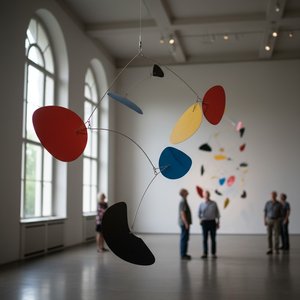
Alexander Calder: Kinetic Sculpture, Mobile Art & the Poetics of Chance
Explore the revolutionary world of Alexander Calder's kinetic sculptures & mobiles. Discover insights for collectors, acquisition advice, and the enduring legacy of this modern master. Expert analysis & art valuation.

The Enduring Form: Sculpture Across History, Technique & Emotional Resonance
Explore the rich history of sculpture with OriginalUniqueArt. Discover key techniques, influential artists & investment potential for discerning collectors. Expert insights into valuing and collecting timeless masterpieces.

The Enduring Form: Exploring Themes & Techniques in Sculpture Across Historical Periods
Explore the rich history of sculpture from ancient masterpieces to contemporary innovations. Discover key techniques, influential artists & investment potential for discerning art collectors.

10 legendaarista pronssiveistosta, jotka mullistivat taiteen – OriginalUniqueArt.com
Tutustu 10 legendaariseen pronssiveistokseen, jotka ovat muokanneet taiteen historiaa! Michelangelo, Rodin ja muut mestarit. Löydä inspiraatiota sisustukseesi ja tutki upeita taideteoksia OriginalUniqueArt.com-sivustolta.
