 Esikatselu
 Jaa teos
 Jaa
Jaa
 Tiedot
 Opas
Opas

 Lataa kuva
 Samanlaisia kohteita
 Röntgenkuvaus
 Diaesitys
 Q&A
Q&A Tilastot
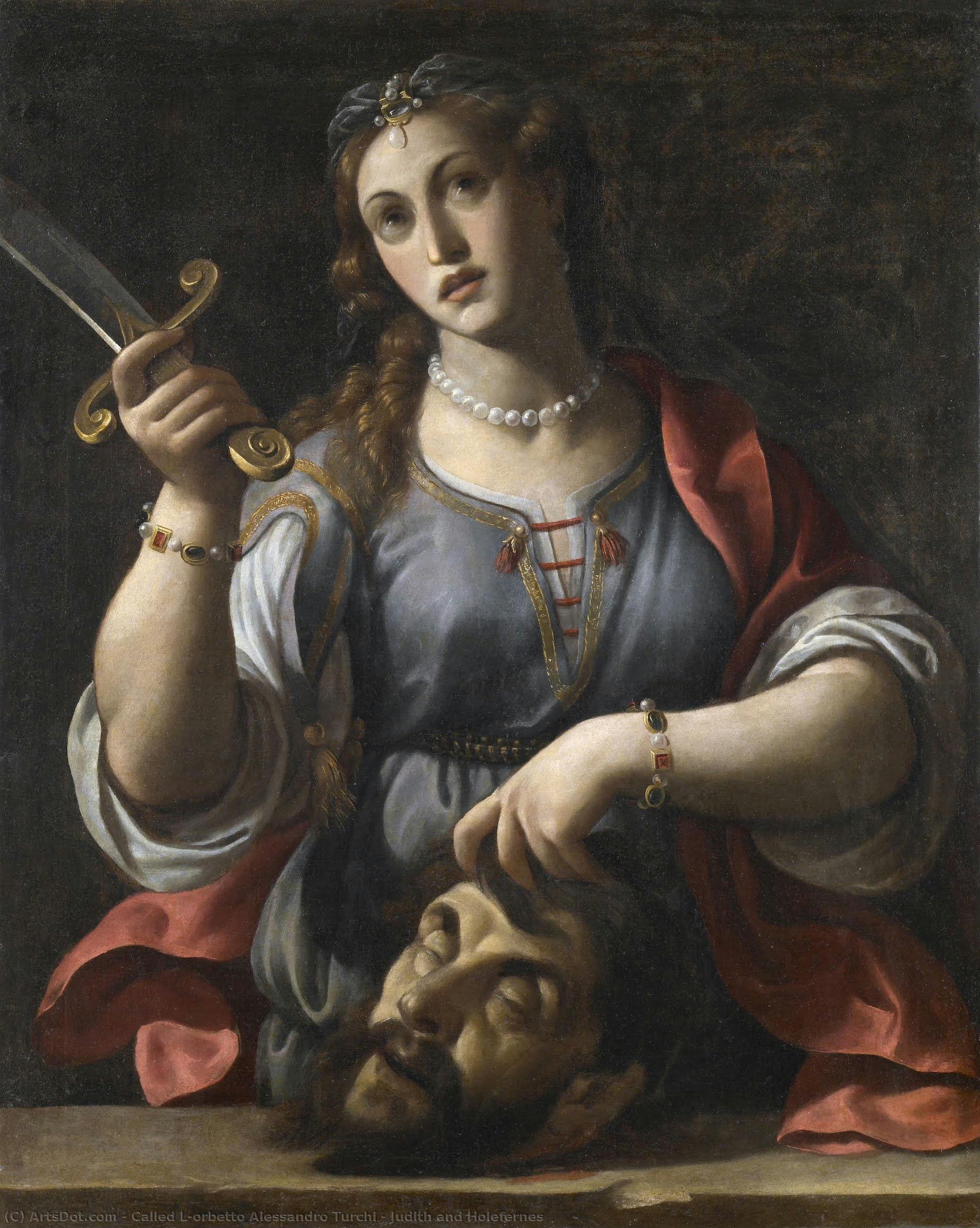
Judith and Holefernes


 Lue lisää
Giclée- ja taideprintit
Museolaatuisia giclée- tai kankaitaulun tulosteita nopealla tuotannolla ja joustavilla viimeistelyvaihtoehdoilla. ( Osta käsinmaalattu taideteos Siirry digitaaliseen kuvaan)




P118B €10

P118H €10

P118W €10

P438Z €10

P508JH €12

P508YH €12

P805H €10

P805Z €10

P919BZ €10

P919G €10

P919XJ €10

P959ZH €10

P968JZ €12

W106C €8

W218G €10

W218JH €8

W218Y €10

W307PJ €10

W316G €10

W316PJ €8

W316Y €10

W398PJ €8

W4111J €10

W500HY €15

W500JH €15

W692G €12

W849H €8

W940BG €15

W953PJ €8




Valitse valmiista mitoistamme sellaiset, jotka vastaavat teoksen alkuperäisiä mittasuhteita.

Syötä tarvitsemasi leveys ja korkeus, jotta tuloste sopii kehyksiisi tai seinällesi. Tulostetta voidaan vain leikata, sitä ei voida koskaan suurentaa alkuperäistä kuvaa suuremmaksi, joten eri muotoinen koko aiheuttaa osan kuvasta katoamisen. Lähetämme sinulle digitaalisen mallikuvan hyväksyttäväksi ennen kuin aloitamme tulostuksen. Tällä sivulla näkyvä kuva ei näytä lopullista rajausta — vain mallikuva näyttää sen.
Maailmanlaajuinen toimitus () 2 viikossa tavallisen 4–5 viikon sijaan. (1 marraskuu)

Ilmainen pikatoimitus ympäri maailman

Korkealaatuinen pellavakangas

Kattava kuljetusvakuutus

Tulliveron palautustakuu

Takuu täydellisestä värien vastaavuudesta

100 päivän palautusoikeus (vain valmistusvirheet)

100% rahat takaisin -takuu

Määräalennus tarjolla
 Lasivaihtoehto on saatavilla vain alle 110 cm kokoisille teoksille

Judith and Holefernes
Giclée- ja taideprintit
Replikaatin koko
-


Kokonaishinta
€ 71
A Masterpiece of Baroque Tension
In the shadowy corridors of art history, few moments capture the visceral intersection of violence and virtue as poignantly as Alessandro Turchi’s Judith and Holofernes. Painted around 1605, this monumental oil on canvas serves as a breathtaking window into the Roman Baroque era, a period defined by its theatricality and profound psychological depth. The scene depicts the climactic biblical moment where Judith, a Jewish heroine of unparalleled courage, executes the Assyrian king Holofernes to save her people from oppression. Turchi does not merely record a historical or religious event; he invites the viewer into a space of intense emotional confrontation, where the air feels heavy with the scent of iron and the weight of divine retribution.
The composition is masterfully anchored by Judith herself, whose presence dominates the foreground with an almost chilling composure. Clad in opulent fabrics—a pristine white blouse accented by crimson trim and draped in a flowing blue garment—she stands as a beacon of light against an indistinct, dark background. This use of chiaroscuro, the dramatic interplay between light and shadow, is a hallmark of Turchi’s style, drawing the eye irresistibly toward the central drama. As she holds aloft the severed head of her enemy, her expression remains remarkably steady, blending a sense of solemn duty with an unwavering resolve that transcends simple vengeance.
Technique and the Language of Light
To gaze upon this work is to witness the technical prowess of a Veronese master. Turchi employs a sophisticated layered oil painting technique, building up textures that make the tactile world of the painting feel palpable. One can almost feel the smoothness of the pearls adorning Judith’s neck and the heavy, luxurious folds of her drapery. The artist’s brushstrokes are deliberate and precise, used to render the gruesome reality of Holofernes’s demise with a realism that is both unsettling and beautiful. This balance between the grotesque and the graceful is what elevates the piece from a mere narrative illustration to a high-art triumph.
The lighting in the piece acts as a silent narrator, originating from above to cast dramatic shadows that define the contours of the figures and create a profound sense of volume. This light does more than illuminate; it sanctifies the act of resistance, casting Judith in a heroic glow while leaving the fallen king in the encroaching darkness of death. For collectors and interior designers, such a piece offers more than just visual interest; it provides a focal point of immense character, capable of anchoring a room with its sophisticated palette and commanding presence.
Symbolism and Lasting Emotional Resonance
Beyond the immediate shock of the decapitation, Judith and Holofernes is a rich tapestry of symbolic meaning. The severed head serves as a potent emblem of mortality and the inevitable defeat of tyranny, while Judith herself embodies the triumph of faith and justice over brute force. The jewelry and fine clothing she wears are not merely decorative; they represent the dignity of her cause and the grandeur of the moment, suggesting that even in the midst of carnage, there is a divine order being restored.
For those seeking to surround themselves with art that provokes thought and stirs the soul, Turchi’s vision offers an unparalleled experience. A high-quality reproduction of this work allows the drama of the Baroque to inhabit modern spaces, bringing a sense of history, gravity, and timeless elegance to any collection. It is a piece that demands attention, inviting continuous re-examination of its themes of courage, sacrifice, and the enduring struggle between light and shadow.
Kysymykset ja vastaukset
Sallitaanko Alessandro Turchi:n "Judith and Holefernes" -teoksen tekijänoikeuksien perusteella sen jäljentäminen?
Alkuperäinen "Judith and Holefernes" sijaitsee kohteessa Fondazione Brescia Musei, ja teos on vapaasti käytettävissä – tekijänoikeussuoja on päättynyt.
Kuinka voimakkaita värit ovat teoksessa Alessandro Turchi:n "Judith and Holefernes"?
Teoksen "Judith and Holefernes" väri-intensiteetti on Monochromatic. Intensiteetti kuvaa värien voimakkuutta.
Kuinka voimakas kontrasti teoksessa Alessandro Turchi:n "Judith and Holefernes" on?
Teoksessa Alessandro Turchi:n "Judith and Holefernes" on Balanced kontrasti vaaleiden ja tummien alueiden välillä.
Taiteilijan elämäkerta
A Veroudennuksen Taiteilija Barokki-aikakaudella: Alessandro Turchin Elämä ja Teokset
Alessandro Turchi, tunnettu nimellä “L’Orbetto” – pieni ”kuhakuori”, oli keskeinen hahmo, joka yhdisti myöhäismannerilaisen perinteen varhaisen roomalaisen barokin intohimoon. Hän syntyi vuonna 1578 Veronan kaupungissa, joka oli tunnettu taiteellisesta vilskeenä, ja hänen matkansa heijastaa kiehtovaa vuorottelua alueellisten tyylien ja Rooman taiteellisen innovaation vetovoimaa. Varhaiset opinnoilleen hän osallistui Felice Ricciolle (il Brusasorci), merkittävälle veronalaiselle maalari, joka antoi hänelle vankan pohjan tekniikalle ja kompositiolle. Tämä harjoitus sisälsi hänen sisimpäänsä huolellisen lähestymistavan muotoon ja värien herkkyyteen, jotka olivat tunnusomaisia hänen varhaisille töilleen. Jo vuonna 1603 Turchi vakiinnutti asemansa itsenäisenä taiteilijana, saaden nopeasti tunnustusta nousevasta lahjakkuudestaan. Merkittävä varhainen komissio – organin sukat Accademia Filarmicanille Veronan kaupungissa (1606-1609) – osoitti ei ainoastaan hänen teknistä taitoaan vaan myös hänen monipuolisuuttaan suurten koristeellisten projektien käsittelyssä. Tämä ajanjakso vahvisti hänen asemansa veronalaisessa taiteellisessa ympäristössä, valmistellen häntä laajemmalle taiteelliselle horisontille.Veronasta Roomaan: Kukoistavaura
Felice Riccion kuolema vuonna 1605 oli käännekohta. Turchi, yhdessä Pasquale Ottinon kanssa, astui eteenpäin viimeistelemään heidän mestarinsa jättämiä työkaluja, mikä vahvisti hänen taitojaan ja vakiinnutti hänen mainettaan taiteellisessa yhteisössä. Tämä yhteistyö ei ollut ainoastaan olemassaolevien teosten viimeistelyä, vaan myös kriittinen oppimis- ja kehitysaika, joka mahdollisti Turchin Riccion tyylivaihteluiden omaksumisen samalla kun hän kehitti omaa ainutlaatuista äänensä. Hänen intohimonsa johti pian Veronan ulkopuolelle. Jo vuonna 1616 hän matkusti Roomaan, taiteellisen innovaation keskukseen, jossa hän uppoutui papeille omistetun taiteen ja kilpailun vilkkaaseen ilmapiiriin. Hänen osallistumisensa freskojen koristeluun Sala Regiaa Quirinal Palazzossa – esittäen Manna-keräystä – merkitsi hänen astumistaan roomalaiseen näyttämölle. Tämä komissio toi hänet yhteyteen päivän johtavien taiteilijoiden kanssa ja altisti hänet dramaattiselle intensiteetille, joka määritteli nousevaa barokkityyliä. Eräs erityisen merkittävä saavutus tässä ajanjaksossa oli *Christus, Magdalena ja Angelit*, jonka kardinaali Scipione Borghese tilasi, voimakas patroni, jolla oli hienostunut maku ja tuki taiteelliselle lahjakkuudelle.Tyylin Yhdistelmä: Caravaggismia ja Armoniaa
Turchin taiteellinen tyyli on huomattavan tunnusomaista – kiehtova yhdistelmä dramaattisuutta ja lempeyttä. Vaikka hän oli syvästi vaikuttanut Guido Reniin ja erityisesti varhaiseen opettajaansa Felice Ricciolle, hän ei ainoastaan kopioinut heidän tyylejään. Sen sijaan hän loi oman polkunsa, joka erotti hänet päivän taiteilijoista. Caravaggion vaikutus on ilmeinen; Turchi hallitsi mestarillisesti *chiaroscuroa* – dramaattisen valon ja varjon käyttöä – luodakseen teatraalista tunnelmaa ja tunteellista syvyyttä maalikohteisiinsa. Kuitenkaan hän ei käyttänyt tätä intensiteettiä yhtä rajusti kuin Caravaggion joissakin tiukemmissa realistisissa esityksissä. Sen sijaan hän pehmitti tätä voimaa lempeällä armonialla ja hienostuneella värien herkkyydellä. Hänen hahmoillaan on patoutta, mutta ne ovat täynnä ihmismielen helliä piirteitä, jotka pehmentävät dramaattista vaikutusta. Tämä kyky tasapainottaa nämä vastakkaiset voimat – draama ja lempeys – määrittelee hänen taiteellisen signatuurinsa. Hän käytti usein mustaa marmoria taustana historiallisissa teoksissaan, luoden vaikuttavan kontrastin, joka korosti entisestään maalikohteidensa tunteellista voimaa.Perintö ja Tunnustus: Prinssi Roomalaisen Taiteen Maailmassa
Koko uransa aikana Alessandro Turchi ei ollut ainoastaan taitava maalaaja, vaan myös omistautunut opettaja. Hän jakoi vilkkaan tietonsa ja asiantuntemuksensa lupaavien nuorten taiteilijoiden kanssa, mukaan lukien Giovanni Ceschini ja Giovanni Battista Rossi (il Gobbino), jotka molemmat menestyivät vakiinnuttamaan oman uransa Veronan kaupungissa. Hänen ammattimainen asemansa nousi jatkuvasti; vuonna 1637 hänet valittiin "prinssiksi" – johtajaksi – Accademia di San Lucan, joka oli merkittävä taiteellinen yhteisö Rooman kaupungissa. Vuosi myöhemmin, vuonna 1638, hän liittyi kuninkaalliseen taiteilijoiden hallintoon, Pontifiaalinen Akatemia Taiteesta ja Kirjoista, Virtuosi al Pantheon, mikä vahvisti hänen asemaansa Rooman eliitin keskuudessa. Turchin varhainen barokkimaalaustyö tunnetaan nyt taitoisena yhdistelmänä dramaattisuuden ja lempeän esteettisen tyylin välillä. Hänen kiehtovat uskonnolliset ja historialliset teoksensa tarjoavat näkymän 1600-luvun Italian taiteelliseen vilskeeseen. Hän jätti jälkeensä perinnön ei ainoastaan maalikohteidensa kautta, vaan myös taiteilijoiden, jotka hän inspiroi, varmistaen, että hänen ainutlaatuinen näkemyksensä säilyisi sukupolvien ajan.
Alessandro Turchi
1578 - 1649 , Italia
Pähkinänkuoressa
- Artistic Movement Or Style: Barokki
- Artists Or Movements Influenced By This Artist: ['Caravaggismo']
- Artists Who Influenced This Artist:
- Felice Riccio
- Carlo Cagliari
- Date Of Birth: 1578
- Date Of Death: 1649
- Full Name: Alessandro Turchi
- Nationality: Italian
- Notable Artworks:
- Ilmaan nousu
- Kristus ja Magdalena
- Manna keräys
- Place Of Birth: Verona, Italia
Aiheeseen liittyvät artikkelit

Chiaroscuro & Emotion: Capturing the Dramatic Soul of Baroque Art
Explore the profound drama of Baroque art. Discover how masters used chiaroscuro and intense emotion to capture the soul of the 17th century through light, shadow, and spiritual grandeur in this expert art history guide.

The Visceral Stage: Exploring Dramatic Narratives & Emotional Intensity in Baroque Art
Explore the dramatic world of Baroque art! Discover iconic masters like Caravaggio & Rembrandt, their techniques, and the movement's lasting impact. Expert insights for collectors & enthusiasts at OriginalUniqueArt.

The Dramatic Flourish: Exploring the Baroque Movement's Enduring Legacy in Art History
Explore the dramatic world of Baroque art! Discover iconic artists like Caravaggio & Rubens, defining techniques, and its lasting impact on art history. Expert insights for collectors & enthusiasts at OriginalUniqueArt.

Barokin mestariteokset: Taidetta ja loistoa kotiisi – OriginalUniqueArt.com
Uppoudu barokin loistokkuuteen! Tutustu Caravaggion, Rembrandtin ja Vermeerin kaltaisten mestareiden tunnetuimpiin teoksiin. Taidehistoriaa kotiisi – löydä upeat taidetulosteet ja canvas-taulut OriginalUniqueArt.comista.

Barokin loisto: Kuinka tuoda ylellisyyttä ja tunnetta nykyaikaiseen sisustukseen
Tutustu barokki sisustuksen loistoon! Opi luomaan ylellistä ja tunnelmallista kotia historiallisen tyylin inspiroimana. Vinkkejä, esimerkkejä ja in apua.

