
 Esikatselu
 Jaa
Jaa Jaa
Jaa
 Tarkemmat tiedot

 Lataa
Lataa
 Samanlaisia
 Röntgenkuva
 Diaesitys
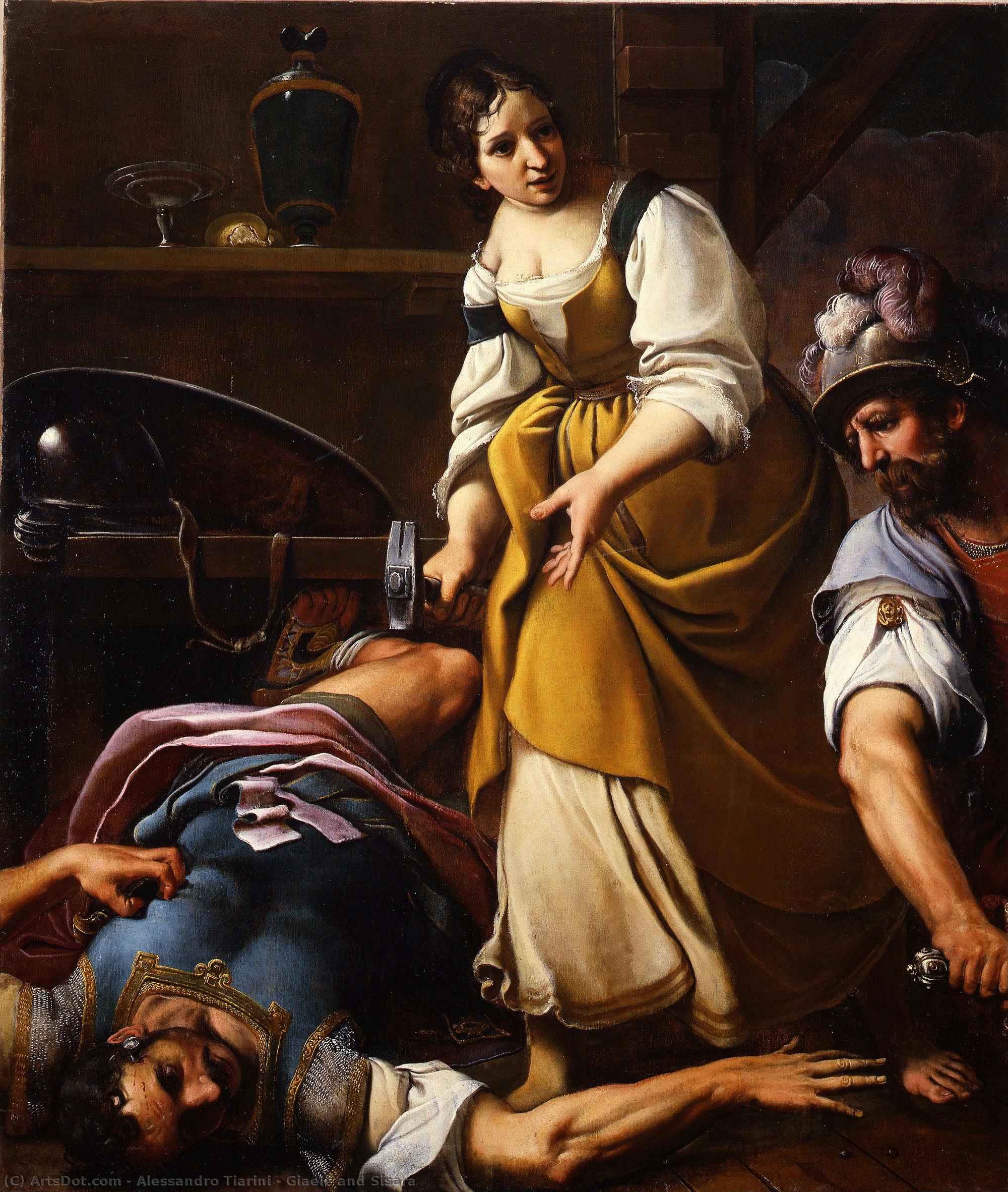
Giaele and Sisara
 146.0 x 171.0 cm
 Civic Museums of Reggio Emilia
 Näytä lisää
Giclée-printit ja taideprintit
Museolaatuisia giclée- tai kankaitaulun tulosteita nopealla tuotannolla ja joustavilla viimeistelyvaihtoehdoilla. ( Osta käsintehty maalaus Osta kuva)




































Valitse valmiista mitoistamme sellaiset, jotka vastaavat teoksen alkuperäisiä mittasuhteita.

Voit syöttää omat mitat sopiaksesi tiettyyn kehykseen tai tilaan. Jos valittu koko ei vastaa alkuperäisen kuvan mittasuhteita, rajaamme teosta tai laajennamme kuvaa peilatulla tai yhtenäisellä reunalla. Digitaalinen mallikuva lähetetään hyväksyttäväksi ennen tuotannon aloittamista.
Huomaathan, että näytöllä näkyvä esikatselu ei vastaa lopullista rajausta tai laajennusta. Vain mallikuva näyttää lopullisen sommittelun tarkasti.
Vaikka räätälöityjä kokoja on saatavilla, suosittelemme valitsemaan mitat valmiista listasta alkuperäisten mittasuhteiden säilyttämiseksi.
Toimitus maailmanlaajuisesti () kahdessa viikossa tavallisen 4–5 viikon sijaan. (18 elokuu)

Ilmainen pikatoimitus ympäri maailman

Korkealaatuinen pellavakangas

Kattava kuljetusvakuutus

Tulliveron palautustakuu

Täydellinen värien vastaavuustakuu

60 päivän palautusoikeus (vain valmistusvirheet)

100% rahat takaisin -takuu

Määräalennus tarjous
 Lasivaihtoehto on saatavilla vain alle 110 cm kokoisina teoksina

Giaele and Sisara
Giclée-printit ja taideprintit
Replikaatin koko
-


Kokonaishinta
$ 80
Taiteilijan elämäkerta
The Visionary of Bologna: The Life and Legacy of Alessandro Tiarini
Alessandro Tiarini (1577–1668) stands as a pivotal figure within the vibrant artistic landscape of Bologna during the Baroque period, embodying the spirit of innovation and devout religious expression characteristic of his time. Born in Bologna, Italy, his early life was marked by tragedy—the untimely death of his mother leaving him under the care of an aunt who struggled to steer him toward a clerical vocation. Despite these initial challenges, Tiarini’s artistic talent shone through, finding its formative influence in the mentorship of Lavinia Fontana and her father Prospero Fontana, establishing a connection with one of Bologna's most celebrated painters. He subsequently honed his skills under Bartolomeo Cesi, though crucially eschewed membership in the Carracci Academy—a decision that arguably fostered his independent artistic vision.
The trajectory of Tiarini's life was not without its dramatic upheavals. A contentious dispute resulting in the unfortunate demise of another artist forced him to flee Bologna, a turning point described by contemporary chroniclers Malvasia and Amorini as a profound shift in his career. Seeking refuge in Florence, he embraced opportunities to collaborate with prominent masters such as Domenico Passignano, Bernardino Punicetti, and Jacopo da Empoli. It was during this Florentine period that Tiarini undertook ambitious fresco commissions, including the Adoration of the Shepherds at Palazzo Pitti, a testament to his mastery of monumental painting and classical ideals. This era solidified his reputation as a skilled craftsman and cemented his allegiance to humanist principles.
Mastery of Emotion and Baroque Devotion
Upon returning to Bologna and Reggio Emilia under the patronage of Ludovico Carracci, Tiarini experienced a resurgence of artistic fervor, producing works that would define the emotional depth of the Bolognese School. His ability to weave together dramatic lighting, rich textures, and profound religious sentiment allowed him to capture the very essence of Baroque piety. One of his most poignant achievements is ‘Grieving over a Dead Jesus’, housed in the Pinacoteca Nazionale of Bologna, which serves as a hauntingly beautiful depiction of the sorrow inherent in religious devotion.
Tiarini's repertoire was remarkably diverse, ranging from intimate devotional scenes to grand, complex compositions. His work often featured:
- The Holy Family with Saints (1620): A masterpiece showcasing Baroque drama through the figures of Joseph, Mary, and Jesus, surrounded by the presence of St. Francis and John the Baptist in a richly detailed setting.
- The Mystic Marriage of St. Catherine: An exquisite display of dynamic composition and dramatic lighting that captures the intense religious fervor of the era.
- Narrative Frescoes: Such as his depiction of Erminia’s journey towards Jerusalem, which blends nobility and faith with a serene, classical grace.
Historical Significance and Artistic Heritage
The significance of Alessandro Tiarini lies in his unique position between the classical traditions of the late Renaissance and the emotive intensity of the high Baroque. By maintaining an independent path away from the strictures of the Carracci Academy, he brought a personal, often more somber and introspective quality to his religious subjects. His works do not merely illustrate scripture; they invite the viewer into a shared experience of sanctity and human suffering.
Throughout his long life, which spanned nearly nine decades, Tiarini enriched the Bolognese artistic heritage with an unparalleled ability to render texture and light. His legacy remains etched in the great galleries of Italy, where his altarpieces and frescoes continue to serve as profound examples of how art can bridge the gap between the earthly and the divine. Through his mastery of oil on canvas and monumental fresco, Tiarini ensured that the spirit of the Bolognese School would endure as a cornerstone of 17th-century European art.

Alessandro Tiarini
1577 - 1668 , Italy
Pikatiedot
- Artistic Movement Or Style: Baroque
- Artists Or Movements Influenced By This Artist: ['Bernardino Poccetti']
- Artists Who Influenced This Artist:
- Lavinia Fontana
- Bartolomeo Cesi
- Ludovico Carracci
- Date Of Birth: 1577 Bologna Italy
- Date Of Death: 1668 Bologna Italy
- Full Name: Alessandro Tiarini
- Nationality: Italian
- Notable Artworks:
- Grieving over a Dead Jesus
- Erminia Hall
- Raising the Cross
- Place Of Birth: Bologna Italy

