Katso seinällä
 Lähetä
 Jaa
Jaa
 Tarkemmat tiedot
 Opas
Opas

 Lataa kuva
 Samanlaisia kohteita
 Röntgenkuvaus
 Diaesitys
 Tilastot
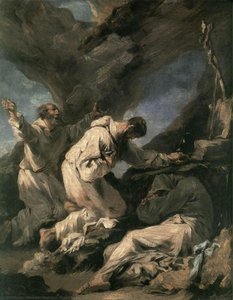
Banditti at Rest
 Acrylic On Canvas
- WallArt
- Baroque
 1710
1710 110.0 x 167.0 cm
 Ermitažin museo
 Lue lisää
Giclée- ja taideprintit
Museolaatuisia giclée- tai kankaitaulun tulosteita nopealla tuotannolla ja joustavilla viimeistelyvaihtoehdoilla. ( Tilaa käsinmaalattu jäljennös Siirry digitaaliseen kuvaan)




P118B $10

P118H $10

P118W $10

P438Z $10

P508JH $12

P508YH $12

P805H $10

P805Z $10

P919BZ $10

P919G $10

P919XJ $10

P959ZH $10

P968JZ $12

W106C $8

W218G $10

W218JH $8

W218Y $10

W307PJ $10

W316G $10

W316PJ $8

W316Y $10

W398PJ $8

W4111J $10

W500HY $15

W500JH $15

W692G $12

W849H $8

W940BG $15

W953PJ $8




Valitse valmiista mitoistamme sellaiset, jotka vastaavat teoksen alkuperäisiä mittasuhteita.

Voit syöttää omat mitat sopiaksesi tiettyyn kehykseen tai tilaan. Jos valittu koko ei vastaa alkuperäisen kuvan mittasuhteita, rajaamme teosta tai laajennamme kuvaa peilatulla tai yhtenäisellä reunalla. Digitaalinen mallikuva lähetetään hyväksyttäväksi ennen tuotannon aloittamista.
Huomaathan, että näytöllä näkyvä esikatselu ei vastaa lopullista rajausta tai laajennusta. Vain mallikuva näyttää lopullisen sommittelun tarkasti.
Vaikka räätälöityjä kokoja on saatavilla, suosittelemme valitsemaan mitat valmiista listasta alkuperäisten mittasuhteiden säilyttämiseksi.
Maailmanlaajuinen toimitus () 2 viikossa tavallisen 4–5 viikon sijaan. (25 syyskuu)

Ilmainen pikatoimitus ympäri maailman

Korkealaatuinen pellavakangas

Kattava kuljetusvakuutus

Tulliveron palautustakuu

Takuu täydellisestä värien vastaavuudesta

100 päivän palautusoikeus valmistusvirhetapauksissa

100% rahat takaisin -takuu

Määräalennus saatavilla
 Lasivaihtoehto on saatavilla vain alle 110 cm kokoisille teoksille

Banditti at Rest
Giclée- ja taideprintit
Replikaatin koko
-


Kokonaishinta
$ 80
A Glimpse into Shadowed Camaraderie: Alessandro Magnasco’s “Banditti at Rest”
Alessandro Magnasco's "Banditti at Rest," painted in 1710, is not merely a depiction of outlaws; it’s a hauntingly beautiful tableau of human connection amidst the stark realities of survival. This oil on canvas, measuring an impressive 110 x 167 cm, transports us to a secluded courtyard bathed in muted light – a space where danger and tranquility momentarily converge. Magnasco, a master of the late Baroque period, eschews heroic narratives or dramatic action, instead offering a quiet study of male companionship, rendered with a distinctive psychological depth rarely seen in his contemporaries.
The scene unfolds within the ruins of an ancient structure, a deliberate choice that speaks volumes about the transient nature of power and the enduring spirit of those who operate outside societal norms. The architecture itself is not merely a backdrop but actively participates in the narrative – its crumbling walls and shadowed corners mirroring the precariousness of the bandits’ existence. Notice how Magnasco utilizes chiaroscuro, the dramatic interplay of light and dark, to sculpt the figures and create an atmosphere of both intimacy and unease. The strong contrasts emphasize the textures of their clothing, the weariness in their faces, and the subtle gestures that reveal a complex web of relationships.
The Artist’s Vision: A Shift Towards Personal Expression
Magnasco's artistic journey is marked by a fascinating evolution. Initially working within the established traditions of Milanese art – collaborating on grand commissions and adhering to prevailing stylistic conventions – he gradually developed a profoundly personal vision. This transition is particularly evident in “Banditti at Rest.” While influenced by the Venetian masters, notably Sebastiano Ricci, Magnasco moves beyond mere imitation, injecting his own melancholic sensibility into every brushstroke. His style, often described as ‘solitary, tense, strange, mystic, ecstatic, grotesque,’ reflects a fascination with the darker aspects of human experience – poverty, desperation, and the allure of rebellion.
The painting’s creation coincided with a period of significant personal change for Magnasco. His move from Florence to Milan in 1703 marked a deliberate shift away from collaborative projects towards independent work. This geographical relocation seems to have unlocked a new level of artistic freedom, allowing him to explore his own unique voice and subject matter. The collaboration with Clemente Spera on the architectural background further underscores this shift – Magnasco was no longer simply executing someone else’s vision; he was actively shaping the world within the canvas.
Symbolism and Emotional Resonance
Beyond its surface depiction, “Banditti at Rest” is rich in symbolic meaning. The presence of horses, symbols of power and movement, contrasts sharply with the bandits' sedentary state, suggesting a yearning for freedom that remains perpetually out of reach. The dog, positioned centrally within the courtyard, could represent loyalty, companionship, or perhaps even a shared understanding of their outlaw existence. Most powerfully, the painting captures a fleeting moment of camaraderie – a rare glimpse into the humanity of these figures often portrayed as villains. The relaxed postures, shared glances, and subtle gestures suggest a bond forged in adversity.
Magnasco’s masterful use of color—primarily muted browns, grays, and ochres—contributes to the painting's somber mood. These earthy tones evoke a sense of decay and decline, mirroring the bandits’ own precarious situation. Yet, within this darkness, there is also a subtle beauty – a poignant reminder that even in the most desolate circumstances, human connection can endure.
A Timeless Masterpiece: Reproduction and Legacy
"Banditti at Rest" remains a compelling testament to Alessandro Magnasco’s artistic genius. Its evocative imagery, psychological depth, and masterful technique continue to captivate viewers centuries after its creation. Reproductions offer an accessible way to experience the power of this extraordinary painting, bringing its haunting beauty into your home or office. Consider how this piece can add a touch of intrigue and emotional resonance to any space – a subtle reminder of the complexities of human nature and the enduring allure of shadowed camaraderie.
Taiteilijan elämäkerta
Alessandro Magnasco (1667–1749): A Painter of Gloom and Wonder
- Early Life and Training:
- Collaboration and Artistic Influences:
- Magnasco’s Distinctive Style: Landscape and Figure Painting:
- Themes and Symbolism in His Oeuvre:
- Legacy and Recognition:
Early Life and Training
Alessandro Magnasco was born in Genoa in 1667, the son of Stefano Magnasco, a painter who practiced in the Genoese tradition. Unlike his father’s polished style—characterized by harmonious color blending—Magnasco embraced a radically different aesthetic path from an early age. Recognizing his talent, Stefano Magnasco entrusted him to Valerio Castello and Filippo Abbiati in Milan, where he honed his skills amidst the vibrant artistic milieu of the Lombard Baroque. This formative period instilled in Magnasco a sensitivity to expressive brushwork and a fascination with capturing psychological depth—traits that would define his future artistic endeavors.- Collaboration and Artistic Influences:
- Magnasco’s Distinctive Style: Landscape and Figure Painting:
- Themes and Symbolism in His Oeuvre:
- Legacy and Recognition:
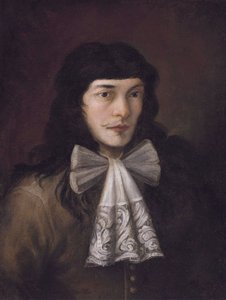
Alessandro Magnasco
1667 - 1749 , Italia
Tietoa taiteilijasta
- Artistic Movement Or Style: Barokki
- Artists Or Movements Influenced By This Artist:
- Cerquozzi
- Michelangelo Bamboccianti
- Artists Who Influenced This Artist:
- Valerio Castello
- Filippo Abbiati
- Date Of Birth: 4. helmikuuta 1667
- Date Of Death: 12. maaliskuuta 1749
- Full Name: Alessandro Magnasco
- Nationality: Italian
- Notable Artworks: ['Suuri Pyhä Maria']
- Place Of Birth: Genova, Italia
Aiheeseen liittyvät artikkelit

Barokin mestariteokset: Taidetta ja loistoa kotiisi – OriginalUniqueArt.com
Uppoudu barokin loistokkuuteen! Tutustu Caravaggion, Rembrandtin ja Vermeerin kaltaisten mestareiden tunnetuimpiin teoksiin. Taidehistoriaa kotiisi – löydä upeat taidetulosteet ja canvas-taulut OriginalUniqueArt.comista.

Barokin loisto: Kuinka tuoda ylellisyyttä ja tunnetta nykyaikaiseen sisustukseen
Tutustu barokki sisustuksen loistoon! Opi luomaan ylellistä ja tunnelmallista kotia historiallisen tyylin inspiroimana. Vinkkejä, esimerkkejä ja in apua.

The Dramatic Flourish: Exploring the Baroque Movement's Enduring Legacy in Art History
Explore the dramatic world of Baroque art! Discover iconic artists like Caravaggio & Rubens, defining techniques, and its lasting impact on art history. Expert insights for collectors & enthusiasts at OriginalUniqueArt.

Italian Baroque Unlocked: High-Drama Art That Hits Hard
Dive into the high-drama world of Italian Baroque art. Discover how chiaroscuro, intense emotion, and theatrical lighting redefined aesthetics. Explore the visceral power of the Counter-Reformation through a modern lens with expert insights from OriginalUniqueArt.com.
Simon Vouet: A Baroque Master's Journey from Italian Influence to French Classicism
Explore the life & art of Simon Vouet, a pivotal French Baroque painter who introduced Italian styles to France. Discover his masterpieces and lasting influence on 17th-century art.