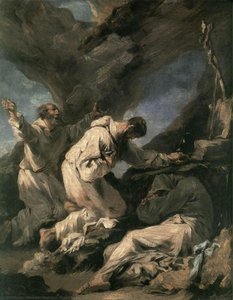
Esikatselu
 Jaa
Jaa Jaa
Jaa
 Tarkemmat tiedot

 Lataa
Lataa
 Samanlaisia
 Röntgenkuva
 Diaesitys
Bacchanalian Scene
 Oil On Canvas
- WallArt
- Baroque
 1710
1710 110.0 x 167.0 cm
 Ermitažin museo
 Näytä lisää
Giclée-printit ja taideprintit
Museolaatuisia giclée- tai kankaitaulun tulosteita nopealla tuotannolla ja joustavilla viimeistelyvaihtoehdoilla. ( Osta käsintehty maalaus Osta kuva)




P118B $10

P118H $10

P118W $10

P438Z $10

P508JH $12

P508YH $12

P805H $10

P805Z $10

P919BZ $10

P919G $10

P919XJ $10

P959ZH $10

P968JZ $12

W106C $8

W218G $10

W218JH $8

W218Y $10

W307PJ $10

W316G $10

W316PJ $8

W316Y $10

W398PJ $8

W4111J $10

W500HY $15

W500JH $15

W692G $12

W849H $8

W940BG $15

W953PJ $8




Valitse valmiista mitoistamme sellaiset, jotka vastaavat teoksen alkuperäisiä mittasuhteita.

Voit syöttää omat mitat sopiaksesi tiettyyn kehykseen tai tilaan. Jos valittu koko ei vastaa alkuperäisen kuvan mittasuhteita, rajaamme teosta tai laajennamme kuvaa peilatulla tai yhtenäisellä reunalla. Digitaalinen mallikuva lähetetään hyväksyttäväksi ennen tuotannon aloittamista.
Huomaathan, että näytöllä näkyvä esikatselu ei vastaa lopullista rajausta tai laajennusta. Vain mallikuva näyttää lopullisen sommittelun tarkasti.
Vaikka räätälöityjä kokoja on saatavilla, suosittelemme valitsemaan mitat valmiista listasta alkuperäisten mittasuhteiden säilyttämiseksi.
Toimitus maailmanlaajuisesti () kahdessa viikossa tavallisen 4–5 viikon sijaan. (31 elokuu)

Ilmainen pikatoimitus ympäri maailman

Korkealaatuinen pellavakangas

Kattava kuljetusvakuutus

Tulliveron palautustakuu

Täydellinen värien vastaavuustakuu

60 päivän palautusoikeus (vain valmistusvirheet)

100% rahat takaisin -takuu

Määräalennus tarjous
 Lasivaihtoehto on saatavilla vain alle 110 cm kokoisina teoksina

Bacchanalian Scene
Giclée-printit ja taideprintit
Replikaatin koko
-


Kokonaishinta
$ 80
Bacchanalian Scene: A Symphony of Decay and Delight
The Bacchanalian Scene by Alessandro Magnasco (1710) isn’t merely a depiction of revelry; it's an arresting meditation on the precarious balance between ecstasy and ruin—a hallmark of Baroque art that continues to resonate with audiences today. Housed in The Hermitage Museum in St. Petersburg, Russia, this monumental canvas measures 110 x 167 cm and immediately draws the eye into a dramatic tableau brimming with vibrant color and restless movement. Magnasco’s masterful handling of light and shadow contributes significantly to the painting's emotive power, creating an atmosphere thick with anticipation and hinting at hidden anxieties beneath the surface gaiety.Composition and Style: Baroque Dynamism Embodied
Magnasco adheres rigorously to the conventions of the Baroque period, prioritizing dynamism over static representation. The central focus is undeniably a grand archway adorned with columns—a compositional device frequently employed during this era—which serves as a stage for an exuberant procession of figures. Loose brushstrokes dominate the surface, conveying a palpable sense of energy and spontaneity. Unlike earlier Renaissance styles that prioritized idealized beauty, Magnasco embraces imperfection, mirroring the turbulent spirit of his time. The artist’s deliberate disregard for linear perspective enhances the illusionistic depth of the scene, immersing viewers in its immersive environment.Color Palette and Technique: Earth Tones Illuminated
The painting's color palette is dominated by earthy hues—browns, beiges, and greens—reflecting a preoccupation with materiality and decay that characterizes Baroque aesthetics. Magnasco skillfully utilizes chiaroscuro – the dramatic interplay of light and dark – to sculpt the figures’ forms and heighten their emotional impact. Notice how the drapery glows with luminescence, contrasting sharply with the shadowy recesses of the archway and surrounding space. Clemente Spera collaborated on the architectural backdrop, ensuring meticulous detail and reinforcing the painting's grandeur. Magnasco’s technique is characterized by layering thin glazes over a preparatory underpainting, resulting in luminous surfaces that capture the subtleties of color and texture.Historical Context: Mythological Echoes and Venetian Influence
Created during Magnasco’s formative years in Florence—where he served Cosimo III—the Bacchanalian Scene draws inspiration from classical mythology, specifically Dionysian rituals celebrating fertility and liberation. However, Magnasco transcends mere imitation; he imbues the scene with a distinctly Venetian sensibility, evident in the artist's penchant for atmospheric perspective and his masterful rendering of textures. The painting’s subject matter speaks to broader anxieties about mortality and transcendence—themes prevalent throughout Baroque art—suggesting that Magnasco sought not only to depict a joyous occasion but also to explore the darker side of human experience.Symbolism: Decay as Beauty – A Reflection of Baroque Thought
Beyond its visual splendor, the Bacchanalian Scene carries profound symbolic weight. The decaying foliage and crumbling columns serve as reminders of impermanence—a central preoccupation of Baroque philosophers like Descartes and Leibniz who wrestled with questions of determinism and free will. Yet, amidst this melancholic backdrop, figures dance with abandon, symbolizing the pursuit of pleasure and escape from worldly cares. Magnasco’s deliberate juxtaposition of beauty and decay underscores the Baroque belief that true contemplation involves confronting both joy and sorrow—a timeless message conveyed through a breathtaking artistic achievement.- Magnasco's style is characterized by loose brushstrokes and dramatic chiaroscuro.
- The painting utilizes earthy tones, enhanced by luminous glazes.
- It draws inspiration from Dionysian rituals and Venetian artistic traditions.
Taiteilijan elämäkerta
Alessandro Magnasco (1667–1749): A Painter of Gloom and Wonder
- Early Life and Training:
- Collaboration and Artistic Influences:
- Magnasco’s Distinctive Style: Landscape and Figure Painting:
- Themes and Symbolism in His Oeuvre:
- Legacy and Recognition:
Early Life and Training
Alessandro Magnasco was born in Genoa in 1667, the son of Stefano Magnasco, a painter who practiced in the Genoese tradition. Unlike his father’s polished style—characterized by harmonious color blending—Magnasco embraced a radically different aesthetic path from an early age. Recognizing his talent, Stefano Magnasco entrusted him to Valerio Castello and Filippo Abbiati in Milan, where he honed his skills amidst the vibrant artistic milieu of the Lombard Baroque. This formative period instilled in Magnasco a sensitivity to expressive brushwork and a fascination with capturing psychological depth—traits that would define his future artistic endeavors.- Collaboration and Artistic Influences:
- Magnasco’s Distinctive Style: Landscape and Figure Painting:
- Themes and Symbolism in His Oeuvre:
- Legacy and Recognition:
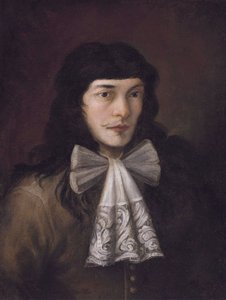
Alessandro Magnasco
1667 - 1749 , Italia
Pikatiedot
- Artistic Movement Or Style: Barokki
- Artists Or Movements Influenced By This Artist:
- Cerquozzi
- Michelangelo Bamboccianti
- Artists Who Influenced This Artist:
- Valerio Castello
- Filippo Abbiati
- Date Of Birth: 4. helmikuuta 1667
- Date Of Death: 12. maaliskuuta 1749
- Full Name: Alessandro Magnasco
- Nationality: Italian
- Notable Artworks: ['Suuri Pyhä Maria']
- Place Of Birth: Genova, Italia
Liittyvät artikkelit
Hermitaasin 25 mestariteosta: Taidetta ja historiaa kotiisi – OriginalUniqueArt.com
Tutustu Hermitaasin 25 upeimpaan mestariteokseen! Rembrandt, Leonardo da Vinci ja muut taiteen legendat Pietarissa. Löydä tarinat, tekniikat ja inspiraatiota kotiisi OriginalUniqueArt.com:sta. Tutki kokoelma verkossa!

Barokin loisto: Kuinka tuoda ylellisyyttä ja tunnetta nykyaikaiseen sisustukseen
Tutustu barokki sisustuksen loistoon! Opi luomaan ylellistä ja tunnelmallista kotia historiallisen tyylin inspiroimana. Vinkkejä, esimerkkejä ja in apua.

The Enduring Power of Painting: A Historical & Contemporary Exploration of Form and Emotion
Explore the rich history & enduring techniques of oil painting with OriginalUniqueArt. Discover masterpieces, learn about art collecting, and find authentic handmade reproductions crafted by skilled artists.

Oil on Canvas: A Historical & Technical Exploration of a Timeless Artistic Medium
Explore the rich history & enduring techniques of oil painting on canvas. Discover the science behind its longevity, conservation practices, and contemporary relevance. Expert insights for art enthusiasts.

The Dramatic Flourish: Exploring the Baroque Movement's Enduring Legacy in Art History
Explore the dramatic world of Baroque art! Discover iconic artists like Caravaggio & Rubens, defining techniques, and its lasting impact on art history. Expert insights for collectors & enthusiasts at OriginalUniqueArt.