Esikatselu
 Jaa teos
 Jaa
Jaa
 Tiedot
 Opas
Opas

 Lataa kuva
 Samanlaisia kohteita
 Röntgenkuvaus
 Diaesitys
 Kysymykset ja vastaukset
 Tilastot
The Lamentation

- 293.0 x 416.0 cm


 Lue lisää
Giclée- ja taideprintit
Museolaatuisia giclée- tai kankaitaulun tulosteita nopealla tuotannolla ja joustavilla viimeistelyvaihtoehdoilla. ( Osta käsinmaalattu taideteos Siirry digitaaliseen kuvaan)




P118B €10

P118H €10

P118W €10

P438Z €10

P508JH €12

P508YH €12

P805H €10

P805Z €10

P919BZ €10

P919G €10

P919XJ €10

P959ZH €10

P968JZ €12

W106C €8

W218G €10

W218JH €8

W218Y €10

W307PJ €10

W316G €10

W316PJ €8

W316Y €10

W398PJ €8

W4111J €10

W500HY €15

W500JH €15

W692G €12

W849H €8

W940BG €15

W953PJ €8




Valitse valmiista mitoistamme sellaiset, jotka vastaavat teoksen alkuperäisiä mittasuhteita.

Syötä tarvitsemasi leveys ja korkeus, jotta tuloste sopii kehyksiisi tai seinällesi. Tulostetta voidaan vain leikata, sitä ei voida koskaan suurentaa alkuperäistä kuvaa suuremmaksi, joten eri muotoinen koko aiheuttaa osan kuvasta katoamisen. Lähetämme sinulle digitaalisen mallikuvan hyväksyttäväksi ennen kuin aloitamme tulostuksen. Tällä sivulla näkyvä kuva ei näytä lopullista rajausta — vain mallikuva näyttää sen.
Maailmanlaajuinen toimitus () 2 viikossa tavallisen 4–5 viikon sijaan. (5 marraskuu)

Ilmainen pikatoimitus ympäri maailman

Korkealaatuinen pellavakangas

Kattava kuljetusvakuutus

Tulliveron palautustakuu

Takuu täydellisestä värien vastaavuudesta

100 päivän palautusoikeus (vain valmistusvirheet)

100% rahat takaisin -takuu

Määräalennus tarjolla
 Lasivaihtoehto on saatavilla vain alle 110 cm kokoisille teoksille

The Lamentation
Giclée- ja taideprintit
Replikaatin koko
-


Kokonaishinta
€ 72
A Symphony of Sorrow: The Soul of Dürer’s Lamentation
In the quiet, silvered lines of Albrecht Dürer’s The Lamentation, one finds more than a mere religious scene; one encounters a profound meditation on the human condition. Created during the height of the Northern Renaissance, this masterpiece captures the heavy, breathless moment following the Crucifixion. The composition is anchored by the weight of Christ’s lifeless body, draped across the lap of Mary Magdalene, creating a focal point that pulls the viewer into a tight, intimate circle of mourning. As your eyes move through the piece, you encounter a constellation of grief—the Virgin Mary lifting Christ’s head, the solemn presence of John the Evangelist, and the weary shadows of Nicodemus and Joseph of Arimathea. It is a scene where every gesture, from a bowed head to a slumped shoulder, speaks of an unbearable loss that transcends time.
The technical brilliance of this work lies in Dürer’s mastery of the silverpoint technique, a method that demands absolute precision and leaves no room for error. Unlike the fluid freedom of charcoal, silverpoint requires a steady hand to etch fine, delicate lines onto a specially prepared surface. This painstaking process allows for an extraordinary level of detail, where the subtle hatching and cross-hatching create a sense of three-dimensional volume and atmospheric depth. The resulting textures—the heavy folds of mourning drapery, the weathered skin of the elders, and the soft, tragic contours of Christ’s form—are rendered with a breathtaking realism that feels almost tactile. For the collector, this level of detail offers a mesmerizing visual experience that rewards prolonged contemplation.
Symbolism and the Landscape of Loss
Beyond its anatomical perfection, The Lamentation is rich with the symbolic language characteristic of the German Renaissance. Dürer utilizes a pyramidal composition to establish a spiritual hierarchy, guiding the viewer’s gaze upward from the earthly tragedy at the base toward the heavens. Even the landscape serves as a silent participant in this drama; the presence of a barren tree, bearing only withered fruit, acts as a poignant emblem of mortality and the spiritual emptiness left in the wake of death. The interplay of light and shadow—achieved through meticulous tonal gradations—does not merely illuminate the figures but emphasizes their vulnerability, casting a somber glow upon the faces of those left to navigate a world transformed by grief.
For interior designers and connoisseurs of fine art, a high-quality reproduction of this work offers an unparalleled opportunity to introduce a sense of historical gravity and intellectual depth into a space. Whether placed in a quiet study, a formal gallery, or a sophisticated living area, the monochromatic elegance of Dürer’s silverpoint style provides a timeless aesthetic that complements both classical and contemporary decor. It is not simply a decoration; it is an invitation to reflect, a piece of history that brings the profound emotional resonance of the 16th century into the modern home, serving as a constant reminder of the enduring power of faith, memory, and the beauty found within sorrow.
Kysymykset ja vastaukset
Mitä Albrecht Dürer:n "The Lamentation" esittää?
Albrecht Dürer:n "The Lamentation" esittää: mourning, grief, religious devotion, composition, detail, silverpoint drawing, renaissance.
Voinko tutkia teosta "The Lamentation" yksityiskohtaisemmin?
Albrecht Dürer:n "The Lamentation" -teoksen Röntgentutkimus -sivu on interaktiivinen katseluohjelma, jonka avulla voit selata teoksen kuvaa yhdennellätoista optisella kerroksella, mukaan lukien röntgenkuvamainen näkymä.
Kuinka voimakkaita värit ovat teoksessa Albrecht Dürer:n "The Lamentation"?
Teoksen Albrecht Dürer:n "The Lamentation" värit ovat Monochromatic voimakkuudeltaan.
Taiteilijan elämäkerta
A Life Forged in Nuremberg: The Early Years and Apprenticeship
Albrecht Dürer, nimi joka on synonyymi Saksalaiselle renessanssille, nousi esiin Nürnbergin vilkkaassa käsityöläiskaupunkissa vuonna 1471. Hänen isänsä, Albrecht Dürer Senior, oli menestyksekäs kultaseppä, joka oli muuttanut Unkarista Saksaan ja tuonut mukanaan perinnön taitoa. Tämä ympäristö – metallin haju ja tarkka käden työn tarkkuus – loi pohjan nuoren Albrechtin taiteellisille taipumuksille. Vaikka isänsä näki hänestä kultasepinän, Albrecht osoitti pian poikkeuksellisen lahjakkuutensa piirtämisessä. Kolmetoista-vuotiaana hän siirtyi Michael Wolgemutin työpajaan, Nürnbergin johtavaan taiteilijaan tuona aikana. Tämä ei ollut pelkästään teknistä koulutusta; se oli uppoutumista valokirjoihin, maalattuihin paneeleihin ja – tärkeintä – puupiirrosten nousuun. Wolgemutin työpajan tuottama työmäärä, mukaan lukien laajat kuvaukset *Nürnbergin kalenterissa*, tarjosivat Dürerille ennennäkemätöntä pohjaa suunnittelulle, kompositiolle ja kuvan tekemisen mekaaniselle puolelle. Upea hopeakuvaporträtti vuodelta 1484, kun hän oli vain teini-ikäinen, on hämmästyttävä todiste hänen kehittyvästä lahjakkuudestaan – testamentti taiteellisesta identiteetistä, joka alkoi muotoutua. Vaikka isänsä näki hänestä kultasepinän, Albrecht osoitti pian poikkeuksellisen lahjakkuutensa piirtämisessä. Kolmetoista-vuotiaana hän siirtyi Michael Wolgemutin työpajaan, Nürnbergin johtavaan taiteilijaan tuona aikana. Tämä ei ollut pelkästään teknistä koulutusta; se oli uppoutumista valokirjoihin, maalattuihin paneeleihin ja – tärkeintä – puupiirrosten nousuun. Wolgemutin työpajan tuottama työmäärä, mukaan lukien laajat kuvaukset *Nürnbergin kalenterissa*, tarjosivat Dürerille ennennäkemätöntä pohjaa suunnittelulle, kompositiolle ja kuvan tekemisen mekaaniselle puolelle. Upea hopeakuvaporträtti vuodelta 1484, kun hän oli vain teini-ikäinen, on hämmästyttävä todiste hänen kehittyvästä lahjakkuudestaan – testamentti taiteellisesta identiteetistä, joka alkoi muotoutua.The Italian Influence and Artistic Maturation
Dürerin intohimoinen halu ulottui Nürnbergin rajojen yli. Hän oli pakkomielessä uteliaisuus ja pyrkimys mestaruuteen maalauksessa, hän teki ensimmäisen matkansa Italiaan vuonna 1494. Tämä ei ollut pelkkää nähtävyyksiä; se oli pyhiinvaellus renessanssin sydäelle. Hän kohtasi mestareita kuten Rafael, Giovanni Bellini ja Leonardo da Vinci – taiteilijoita, jotka uudistasivat muodon, perspektiivin ja ihmisen ilmaisun mahdollisuuksia. Tämän kohtaamisen vaikutus oli syvällinen. Dürer imi klassisia motiiveja, harmonista kompositioa ja hienovaraista sfumatoa, joka oli tunnusomaista italialaiselle taiteelle, mutta hän ei koskaan luopunut pohjoismaisesta aistillisuudestaan tarkkuuden ja symbolisen syvyyden suhteen. Toinen matka Italiaan vuosina 1505–1507 vahvisti näitä vaikutteita entisestään, mahdollistaen hänet tutustumaan antiikin roomalaisten raunioihin ja hienosäätämään ymmärrystään anatomiasta ja suhteista. Tämä klassisen ja pohjoismaisen aistillisuuden yhdistelmä muuttui Dürerin ainutlaatuisen taiteellisen tyylin tunnusmerkiksi.Mastering the Mediums: Painting, Engraving, and Woodcut
Dürer oli useiden materiaalien mestari, joista jokainen tarjosi hänelle erilaisia luovuuden kanavia. Hänen maalauksensa, vaikka niitä on vähemmän kuin printtejä, osoittavat hämmästyttävää hallintaa öljyvärimaalauksessa ja kykyä vangita sekä fyysinen samankaltaisuus että psykologinen syvyys. Teokset kuten *Rosmariinin juhla* (1506) paljastavat eloisan värimaailman, joka on saanut vaikutteita venetsialaisesta värityksestä. Kuitenkin printtaus – erityisesti kaiverrus ja puupiirros – oli se ala, jossa Dürer todella mullisti taiteellisen käytännön. Hän kohdensi nämä tekniikat itsenäisiksi taidemuodoiksi, jotka pystyivät välittämään monimutkaisia tarinoita ja syvällisiä tunteita. *Apokalypsin* sarja (1498), neljätoista puupiirrosta Raamatun Ilmestyskirjan kuvaukseen, osoitti hänen taitojaan tässä mediassa huolimatta sen sisäisistä rajoituksista. Myöhemmät kaiverrukset kuten *Melankolia I* (1514) ja *Jerome kirjastossa* (1514) ovat todiste hänen vertaansa vailla olevasta taidostaan – monimutkaisia kompositioita, jotka on täynnä symbolista merkitystä ja toteutettu huolellisesti. Hän ei pelkästään kuvannut todellisuutta; hän sisällytti siihen kerroksia älyllistä ja hengellistä merkitystä.Major Achievements and Historical Significance
Dürer ei ollut vain taiteilija; hän oli tutkija, teoreetikko ja innovaattori, joka pyrki ymmärtämään taiteen luonnollisia periaatteita. Hän uskoi taiteen matemaattisiin perusteisiin ja omistautui tiukan tarkastelun perustamisen tutkimiselle. Hänen teoksensa *Neljä kirjaa ihmisproportioista* (1528) olivat uraauurtavia ajassaan, koska ne osoittivat hänen sitoutumistaan tieteelliseen havainnoon ja rationaaliseen analyysiin. Nämä kirjoitukset eivät olleet pelkästään akateemisia harjoituksia; ne oli tarkoitettu nostamaan taiteilijoiden asema käsityöläisistä älykkäiksi toimijoiksi. Dürerin perintö ulottuu paljon hänen yksittäisten teostensa yli. Hän yhdisti pohjoismaiset traditiot ja renessanssin italialaiset ideat, tuoden klassisia motiiveja pohjoiseen taiteeseen säilyttäen samalla sen ainutlaatuisen luonteen. Hänen teoreettiset panoksensa perustivat uuden kehyksen taiteelliselle käytännölle, inspiroimatta sukupolvia taiteilijoita hänen teknisen taitonsa, innovatiivisen ajattelunsa ja syvällisen näkemyksensä avulla. Hän on edelleen yksi tärkeimmistä hahmoista länsimaiseen taiteen historiassa.Influences and Enduring Impact
- Michael Wolgemut: Dürerin alkuperäinen mentori, joka tarjosi hänelle perusteita piirtämisessä, maalauksessa ja puupiirrosten tekemisessä.
- Leonardo da Vinci: Inspiroi Düreriä tutkimaan anatomiaa, perspektiiviä ja sfumatoa – hienovaraista sävyjen sekoittamista.
- Raphael: Vaikutti Dürerin harmoniseen kompositioon ja ihannellisiin muotoihin.
- Giovanni Bellini: Auttoi Düreriä ymmärtämään venetsialaista taidetta ja sen värejä.
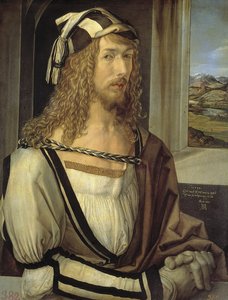
Albrecht Dürer
1471 - 1528 , Saksa
Pähkinänkuoressa
- Artistic Movement Or Style: Saksa renessanssi
- Artists Or Movements Influenced By This Artist: ['Pohjoinen renessanssi']
- Artists Who Influenced This Artist:
- Leonardo da Vinci
- Raphael
- Giovanni Bellini
- Date Of Birth: 21. toukokuuta 1471
- Date Of Death: 6. huhtikuuta 1528
- Full Name: Albrecht Dürer
- Nationality: Saksalainen
- Notable Artworks:
- Apokalypsi
- Melencolia I
- Jeesuksen ristiinnaulitseminen
- Place Of Birth: Nürnberg, Saksa
Aiheeseen liittyvät artikkelit

Albrecht Dürer: A Renaissance Master's Legacy of Innovation and Self-Portraiture
Explore the life & art of Albrecht Dürer, a pivotal German Renaissance master. Discover his groundbreaking printmaking techniques, iconic self-portraits, and lasting influence on Western art history. A deep dive into innovation & symbolism.
German Renaissance Unlocked: The Bold Precision and Iconic Mastery of Albrecht Dürer Reimagined
Discover the bold precision of the German Renaissance. Explore the legendary mastery of Albrecht Dürer through expert art history insights and premium, hand-painted reproductions designed to bring iconic Northern Renaissance detail into your modern collection.
The Northern Awakening: Artistic Innovation & Cultural Transformation in the German Renaissance
Explore the artistic innovation of the German Renaissance! Discover Dürer, the Danube School & Reformation art. Learn about techniques, materials & lasting influence. Find museum-quality reproductions at OriginalUniqueArt.
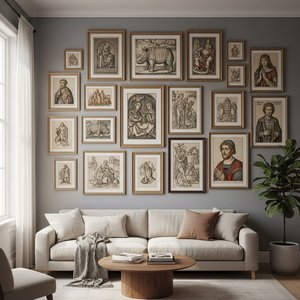
Albrecht Dürerin mestariteokset: 25 taideteosta kotiisi – OriginalUniqueArt.com
Tutustu Albrecht Dürerin 25 mestariteokseen – renessanssin grafiikan huippuja ja vaikuttavia maalauksia. Taideteosten tarinat, tekniikat ja inspiraatio kotiisi. Löydä upeat taideprintit OriginalUniqueArt.com!

British Museumin 25 mestariteosta: Taidetta ja historiaa kotiisi – OriginalUniqueArt.com
Tutustu British Museumin 25 vaikuttavimpaan mestariteokseen! Uppoudu historian ja taiteen maailmaan – egyptiläisistä aarteista Elginin marmoreihin. Löydä inspiraatiota kotiisi OriginalUniqueArt.com:sta, jossa tarjoamme korkealaatuisia taide-reproduktioita ja sisustusehdotuksia. Tutki kokoelma verkossa!