

 Katso seinällä
 Lähetä
 Jaa
Jaa
 Tarkemmat tiedot
 Opas
Opas

 Lataa kuva
 Samanlaisia kohteita
 Röntgenkuvaus
 Diaesitys
 Tilastot
Dock at Havre


 Lue lisää
Käsinmaalattu öljyvärinen jäljennös
Käsinmaalattu öljyväri kankaalle haluamassasi koossa ja kehyksissä, taiteilijoidemme valmistamana tilauksesta. ( Vaihda tulosteeseen Siirry digitaaliseen kuvaan)




P118B €10

P118H €10

P118W €10

P438Z €10

P508JH €12

P508YH €12

P805H €10

P805Z €10

P919BZ €10

P919G €10

P919XJ €10

P959ZH €10

P968JZ €12

W106C €8

W218G €10

W218JH €8

W218Y €10

W307PJ €10

W316G €10

W316PJ €8

W316Y €10

W398PJ €8

W4111J €10

W500HY €15

W500JH €15

W692G €12

W849H €8

W940BG €15

W953PJ €8




Valitse valmiista mitoistamme sellaiset, jotka vastaavat teoksen alkuperäisiä mittasuhteita.

Kirjoita tarvitsemasi leveys ja korkeus, jotta teos sopii kehyskehyksiisi tai seinällesi. Koska kyseessä on käsinmaalattu teos, taiteilija voi maalata hieman enemmän kuvan ympärille tai rajata sitä hieman, jos haluat eri muotoisen koon — valinta on sinun. Lähetämme sinulle digitaalisen mallikuvan hyväksyttäväksi ennen kuin maalaus alkaa. Tällä sivulla näkyvä kuva ei vastaa lopullista tulosta — vain mallikuva näyttää sen.
Tilauksen jälkeen OriginalUniqueArt.com -tiimi lähettää asiakkaalle sähköpostitse ohjeet ja esikatselukuvan.
Maailmanlaajuinen toimitus () 3–4 viikossa tavallisen 5 viikon sijaan. (21 lokakuu). Laadusta ei tingitä.

Ilmainen pikatoimitus ympäri maailman

Korkealaatuinen pellavakangas

Kattava kuljetusvakuutus

Tulliveron palautustakuu

Takuu täydellisestä värien vastaavuudesta

100 päivän palautusoikeus valmistusvirhetapauksissa

100% rahat takaisin -takuu

Määräalennus saatavilla
 Lasivaihtoehto on saatavilla vain alle 110 cm kokoisille teoksille

Dock at Havre
Reproduktiotapa
Replikaatin koko
-


Kokonaishinta
€ 262
A Window on Havre’s Soul: Albert Marquet's "Dock at Havre"
Albert Marquet’s “Dock at Havre” (1906) isn’t merely a depiction of a harbor; it’s a vibrant, almost palpable distillation of late 19th-century France – a moment suspended between industry and leisure, tradition and modernity. Painted during a period of rapid transformation for Le Havre, the port city itself, this canvas captures an extraordinary confluence of light, atmosphere, and human activity, offering a glimpse into a pivotal era of French history.
Marquet, a key figure in the transition from Fauvism to a more personal brand of naturalistic painting, masterfully employs his signature technique. He abandons strict realism in favor of an intensely subjective interpretation of light and color. The scene is bathed in a warm, golden glow, seemingly originating not just from the sun but also reflecting off the wet surfaces of the docks and boats. Notice how he uses broken brushstrokes – short, choppy marks that create a shimmering effect—particularly evident in the water, conveying both its movement and the play of light upon it. This deliberate manipulation of paint is crucial to the painting’s overall impression of dynamism and life.
The Industrial Heartbeat
Le Havre in 1906 was a city undergoing a dramatic metamorphosis. Once primarily a center for shipbuilding and trade, fueled by the slave trade and later by burgeoning international commerce, it was now grappling with the challenges and opportunities presented by industrialization. Marquet’s painting perfectly encapsulates this duality. The bustling dockworkers, identifiable by their dark clothing and purposeful movements, are juxtaposed against the elegant sailboats gliding across the water – a visual representation of the city's evolving identity.
The presence of numerous figures engaged in various activities—loading cargo, repairing vessels, socializing—adds to the sense of a thriving community. These aren’t simply background details; they are integral to the painting’s narrative, suggesting a vibrant and complex social fabric. The detail with which Marquet renders these individuals – their postures, expressions, and interactions – speaks volumes about his keen observation skills and his ability to capture the essence of everyday life.
Symbolism in Light and Composition
Beyond its straightforward depiction of a harbor scene, “Dock at Havre” is rich with symbolic meaning. The light itself—that pervasive golden hue—can be interpreted as representing prosperity and optimism, reflecting the city’s burgeoning economic growth. However, there's also an underlying sense of melancholy, perhaps hinting at the social inequalities inherent in this period of rapid industrialization. The composition, too, is carefully considered. Marquet uses a strong diagonal line created by the boats to draw the viewer’s eye into the heart of the scene, while the receding docks and buildings establish a sense of depth and perspective.
Furthermore, the inclusion of the distant silhouette of the Eiffel Tower – a relatively new landmark at the time – subtly anchors the painting in its specific historical context. It serves as a reminder of France’s industrial prowess and its embrace of modernity, while simultaneously highlighting the contrast between urban progress and the enduring beauty of the natural world.
A Legacy of Light and Color
“Dock at Havre” is more than just a beautiful painting; it's a powerful testament to Albert Marquet’s artistic vision. His ability to capture the fleeting effects of light, his masterful use of color, and his insightful portrayal of human life have cemented this work as a cornerstone of French Impressionism. Reproductions of this piece offer an exceptional opportunity to bring this evocative scene into any space, inviting viewers to contemplate the complexities of a rapidly changing era and appreciating the enduring power of art to capture both the beauty and the spirit of a place.
Kysymykset ja vastaukset
Mikä tekniikka ja tyyli luonnehtivat teosta Albert Marquet:n "Dock at Havre"?
Teoksessa "Dock at Havre" Acrylic On Canvas-tekniikka kohtaa Post-Impressionism-suuntauksen.
Voiko teoksen Albert Marquet:n "Dock at Havre" kuvaa käyttää vapaasti jäljentämiseen?
Albert Marquet:n "Dock at Havre" on tekijänoikeusvapaa – sen tekijänoikeussuoja on päättynyt. Tämä tila määrittää, miten teoksen kuvaa saa käyttää uudelleen.
Mikä väri hallitsee teosta Albert Marquet:n "Dock at Havre"?
Teoksen Albert Marquet:n "Dock at Havre" hallitseva väri on Rosy Brown (#a5aaa6).
Taiteilijan elämäkerta
Albert Marquet: Valon ja Ilman Varjoissa
Albert Marquetin elämä oli taiteen, valon ja matkustamisen lumoava kokemus. Syntynyt Bordeaux’ssa vuonna 1875, hänestä tuli yksi modernin taiteen merkittävimmistä hahmoista, tunnettu erityisesti rauhallisista maisemistaan ja merenkulun tunnelmista. Marquetin ura kukoisti Pariisissa, jossa hän yhdisti fauvenyttä intoa ja syvää luonnon tarkkailua. Hänen taiteensa ei ole vain maisemaa, vaan tunteiden ja hetkien vangitsemista.Fauven Ajan Vaikutukset ja Varhainen Kehitys
Marquetin taideura alkoi fauven vallatessa taidemaailmaa 1900-luvun alussa. Hän osallistui vuonna 1905 järjestetyn Salon d’Automnen näyttelyyn, jossa hän yhdessä Henri Mattisen ja muiden kanssa esitettiin "wild beasts" -nimellä. Vaikka Marquet omaksui fauven rohkean värimaailman, hänen lähestymistapansa oli aina omaa laatuaan. Hän ei kuitenkaan heittäytynyt täysin raakaan ekspressioon, vaan säilytti tarkkanäköisyyden piirustuksessa ja valon käsittelyssä. Tämä hienovarainen kontrolli mahdollisti harmonisten kompositioiden luomisen. Moreau’n vaikutus École des Beaux-Artsissa antoi hänelle pohjan symbolistiselle estetiikalle, mutta samalla hän alkoi muotilla oman polkunsa modernin taiteen pariin. Marquetin varhaiset maalaukset heijastavat fauven värimaailmaa, mutta niissä on myös hienovaraista harkintaa ja tarkkuutta. Hän oli osa Pariisin taidoyhteisöä, jossa hän tapasi Mattisen ja muita merkittäviä taiteilijoita. Heidän yhteistyönsä loi inspiraation ja vaikutti toistensa työhön.Matkailun Inspiroima Tyyli
Marquetin taideura kääntyi uuteen suuntaan, kun hän alkoi matkustaa laajasti Euroopassa ja Pohjois-Afrikassa. Nämä matkat eivät olleet vain huvituksia, vaan syvällisiä tutkimusmatkoja, jotka inspiroivat häntä luomaan uusia maalauksia. Hän keskittyi erityisesti satamien, rannikkojen ja kaupunkien maisemiin, vangiten niiden valon ja tunnelman. Marquet ei ainoastaan kuvannut paikkoja, vaan myös tunteita ja mielleyhtymiä, jotka niistä syntyivät. Hänen maalauksensa ovat kuin hetkiä elävässä muistissa. Marquetin tyyli kehittyi matkustamisen myötä. Hän alkoi käyttää värejä harkitummin ja keskittytti enemmän valon ja ilman vaikutuksiin. Hänen maalauksissaan näkyy usein heijastuksia vedessä, hämärää auringonvaloa tai sumuisia tunnelmia. Nämä elementit luovat syvällisen tunteen ja vievät katsojan matkalle.Valon ja Tunnelman Taiteilija
Marquetin taidossa valo on keskeisessä roolissa. Hän ei ainoastaan kuvaannut maisemia, vaan myös vangitsi niiden tunnelmaa ja ilmapiiriä. Hänen maalauksensa ovat kuin valokuvaus, mutta ne ovat täynnä tunteita ja mielleyhtymiä. Marquetin kyky havainnoida ja kuvata valon vaikutuksia on yksi hänen suurimmista vahvuuksistaan. Hän ei käyttänyt voimakkaita värejä, vaan hienovaraisia sävyjä, jotka luovat syvällisen tunteen ja tunnelman. Hänen maalauksensa ovat usein rauhallisia ja harkittuja, mutta niissä on myös voimaa ja dramaattisuutta. Marquetin taiteessa valo ei ole vain visuaalinen elementti, vaan myös tunteiden ja mielleyhtymien ilmentäjä.Perintö ja Merkitys
Albert Marquet kuoli vuonna 1947, mutta hänen taotteensa elävät edelleen ja inspiroivat taiteilijoita ympäri maailmaa. Hänen maalauksiaan löytyy arvostetuista museoista, kuten Musée National d’Art Moderne Pariisissa, mikä todistaa hänen merkittävästä asemastaan modernin taiteen historiassa. Marquetin taide on muistutus siitä, että taiteessa voi yhdistää modernin ja perinteisen, säilyttäen samalla tarkkanäköisyyden ja hienostuneisuuden. Hänen tyylinsä on edelleen ajaton ja inspiroiva.Marquetin Tyylin Keskeiset Ominaisuudet
- Fauven Vaikutukset: Varhaisissa teoksissa näkyy fauven rohkea värimaailma, mutta harkitusti.
- Valon ja Ilman Tärkeys: Keskeinen elementti hänen myöhemmässä tyylissään, valon vangitseminen maisemissa.
- Hienovarainen Väripaletti: Käyttää hienovaraisia sävyjä tunnelman luomiseen.
- Tarkka Piirustus: Hienostunut piirustustaito, joka korostaa liikettä ja valoa.
- Japanilaisen Taiteen Vaikutukset: Arvostaa japanilaisten taideteosten lineaarista yksinkertaisuutta ja tunteiden ilmaisua.

Albert Marquet
1875 - 1947 , Ranska
Tietoa taiteilijasta
- Artistic Movement Or Style: Fauvismi, Luonnonmukaisuus
- Artists Or Movements Influenced By This Artist: ['Maisema-maalarit']
- Artists Who Influenced This Artist:
- Henri Matisse
- Gustave Moreau
- Date Of Birth: 1875
- Date Of Death: 1947
- Full Name: Albert Marquet
- Nationality: Ranskalainen
- Notable Artworks:
- Satamamaalaukset
- Seine-kuvat
- Place Of Birth: Bordeaux, Ranska
Aiheeseen liittyvät artikkelit

Valon ja värien vuosisata: Impressionismi vs. postimpressionismi vaativan keräilijän silmin
Syväluotaus impressionismin ja postimpressionismin maailmaan kokeneiden taidehistorioitsijoiden johdolla. Opas vaativille keräilijöille arvonmäärityksestä sijoituspotentiaaliin.
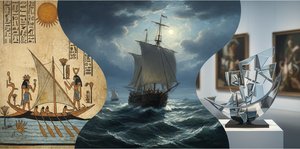
Navigating Symbolism & Sentiment: A Comprehensive Exploration of Boats in Art History
Explore the rich history of boats in art! Discover symbolism & style from ancient myths to Impressionist masterpieces. Expert insights for collectors at OriginalUniqueArt.

Albert Charles Lebourg: A Study in Atmospheric Impressionism & Rural France
Explore the serene landscapes of Albert Charles Lebourg, a master of the Rouen School Impressionists. Discover his atmospheric paintings of the Seine and enduring legacy in 19th-century French art.

Top 10 Impressionismin Mestarityötä – Taidetta Kotiisi OriginalUniqueArtilta
Uppoudu impressionismin maailmaan! Tutustu 10 ikoniseen mestariteokseen Monet'sta Renoiriin. Taidetta kotiisi – löydä upeat taideprintit ja öljyvärimaalaukset OriginalUniqueArtilta. Explore the full collection online!

Top 10 Veneaiheista Taideteosta: Inspiroivia Mestareita Kotiisi
Tutustu 10 ikoniseen veneaiheiseen taideteokseen! Inspiroivat mestariteokset Monét'lta, van Goghilta ja muilta. Löydä tarinat, tekniikat ja värit – täydellinen sisustustaide kotiisi. Tutki kokoelma OriginalUniqueArt.comissa.