

 Katso seinällä
 Lähetä
 Jaa
Jaa
 Tarkemmat tiedot
 Opas
Opas

 Lataa kuva
 Samanlaisia kohteita
 Röntgenkuvaus
 Diaesitys
 Tilastot
Michelangelo
 Akryyli kankaalle
- Seinätaide
- Romantic Neoclassicism
 1883
1883 56.0 x 40.0 cm
 Complutense University of Madridin kuvataiteen tiedekunta
 Lue lisää
Käsinmaalattu öljyvärinen jäljennös
Käsinmaalattu öljyväri kankaalle haluamassasi koossa ja kehyksissä, taiteilijoidemme valmistamana tilauksesta. ( Vaihda tulosteeseen Siirry digitaaliseen kuvaan)




P118B €10

P118H €10

P118W €10

P438Z €10

P508JH €12

P508YH €12

P805H €10

P805Z €10

P919BZ €10

P919G €10

P919XJ €10

P959ZH €10

P968JZ €12

W106C €8

W218G €10

W218JH €8

W218Y €10

W307PJ €10

W316G €10

W316PJ €8

W316Y €10

W398PJ €8

W4111J €10

W500HY €15

W500JH €15

W692G €12

W849H €8

W940BG €15

W953PJ €8




Valitse valmiista mitoistamme sellaiset, jotka vastaavat teoksen alkuperäisiä mittasuhteita.

Kirjoita tarvitsemasi leveys ja korkeus, jotta teos sopii kehyskehyksiisi tai seinällesi. Koska kyseessä on käsinmaalattu teos, taiteilija voi maalata hieman enemmän kuvan ympärille tai rajata sitä hieman, jos haluat eri muotoisen koon — valinta on sinun. Lähetämme sinulle digitaalisen mallikuvan hyväksyttäväksi ennen kuin maalaus alkaa. Tällä sivulla näkyvä kuva ei vastaa lopullista tulosta — vain mallikuva näyttää sen.
Tilauksen jälkeen OriginalUniqueArt.com -tiimi lähettää asiakkaalle sähköpostitse ohjeet ja esikatselukuvan.
Maailmanlaajuinen toimitus () 3–4 viikossa tavallisen 5 viikon sijaan. (27 lokakuu). Laadusta ei tingitä.

Ilmainen pikatoimitus ympäri maailman

Korkealaatuinen pellavakangas

Kattava kuljetusvakuutus

Tulliveron palautustakuu

Takuu täydellisestä värien vastaavuudesta

100 päivän palautusoikeus valmistusvirhetapauksissa

100% rahat takaisin -takuu

Määräalennus saatavilla
 Lasivaihtoehto on saatavilla vain alle 110 cm kokoisille teoksille

Michelangelo
Reproduktiotapa
Replikaatin koko
-


Kokonaishinta
€ 264
Albert Ernest Carrier Belleuse: Michelangelo – Rococo Elegance Meets Anatomical Precision
Albert Ernest Carrier Belleuse (1824-1887) occupies a fascinating position within the annals of French sculpture, representing a pivotal moment where the refined grace of Rococo ornamentation seamlessly intertwined with the burgeoning rigor of Naturalistic Realism. Born in Anizy-le-Château, Aisne, France, Belleuse’s artistic journey began humbly as a goldsmith’s apprentice – an experience that instilled him with invaluable foundational skills and a keen understanding of craftsmanship.
- Early Influences: Carrier Belleuse's formative years were deeply impacted by neoclassical ideals championed by David D’Angers at the École des Beaux-Arts. This exposure cultivated a meticulous attention to anatomical detail, shaping his artistic sensibilities for decades to come.
- Romantic Embrace: However, Belleuse swiftly abandoned strict neoclassicism, embracing the expressive fervor of Romanticism. He experimented boldly with dramatic narratives and emotionally charged forms – reflecting the spirit of the era.
His artistic versatility is truly remarkable. Early sculptures showcased a delicate elegance reminiscent of Rococo’s opulent ornamentation, capturing the fleeting beauty of aristocratic life. This stylistic choice speaks to Belleuse's desire to honor tradition while simultaneously exploring new avenues for artistic expression.
The Michelangelo Bust: A Testament to Classical Ideal
The subject matter of Carrier Belleuse’s celebrated “Michelangelo” bust exemplifies his commitment to portraying iconic figures with unparalleled accuracy and dignity. Executed in 1883, the sculpture depicts Michelangelo Buonarotti – arguably the most influential sculptor of the Renaissance – with remarkable realism.
- Material & Technique: Crafted from bronze overlaid with a gilded base, the bust demonstrates Belleuse’s mastery of casting techniques. The meticulous application of gold enhances the statue's luminosity and contributes to its overall grandeur.
- Detailed Anatomy: Carrier Belleuse painstakingly recreated Michelangelo’s facial features, capturing subtle nuances of expression that convey both intellect and compassion. This level of anatomical precision underscores his dedication to representing human form with utmost fidelity.
Historical Context & Artistic Significance
Carrier Belleuse's work emerged during a period of significant artistic debate – the clash between Romantic idealism and Classical realism. He skillfully navigated this tension, synthesizing elements from both traditions into his oeuvre. The “Michelangelo” bust stands as a testament to Belleuse’s ability to honor artistic heritage while simultaneously pushing boundaries.
Furthermore, Carrier Belleuse's influence extended beyond his own sculptures; he mentored Rodin, fostering the development of another monumental figure in French sculpture. His legacy continues to inspire artists today, cementing his place as a cornerstone of 19th-century artistic achievement.
Symbolism & Emotional Resonance
The depiction of Michelangelo embodies more than just anatomical accuracy; it symbolizes the pursuit of perfection – both artistic and human. Belleuse’s masterful rendering captures the sculptor's contemplative gaze, conveying a profound sense of inner strength and unwavering dedication to his craft. The gilded base adds an aura of prestige and commemorates Michelangelo’s enduring legacy as one of history’s greatest artists.
Kysymykset ja vastaukset
Mistä "Michelangelo" kertoo?
Albert Ernest Carrier Belleuse:n "Michelangelo" esittää: sculpture, michelangelo, portrait bust, bronze sculpture, classical art, french sculpture, renaissance figure.
Miten taidesuuntaus ja aikakausi kohtaavat teoksessa Albert Ernest Carrier Belleuse:n "Michelangelo"?
Teoksessa Albert Ernest Carrier Belleuse:n "Michelangelo" Romantic Neoclassicism-suuntaus ja luku-aikakausi kohtaavat.
Mihin vaiheeseen Albert Ernest Carrier Belleuse uralla teoksen "Michelangelo" vuosiluku 1883 sijoittuu?
Vuosiluku 1883 sijoittaa teoksen "Michelangelo" Albert Ernest Carrier Belleuse:n kehityksen Mature Period-vaiheeseen.
Taiteilijan elämäkerta
Albert Ernest Carrier Belleusen veistotaiteellinen perintö
Ranskalaisen 1800-luvun taiteen elävässä ja jatkuvasti muuttuvassa maisemassa harva hahmo hallitsi monipuolisuutta ja teknistä taituruutta yhtä syvästi kuin Albert Ernest Carrier Belleuse. Vuonna 1824 Anizy-le-Châteaussa syntyneen taiteilijan matka hienovaraisen taiteen maailmaan ei alkanut akatemioiden suuren marmorin parista, vaan kultasepän oppipoikaa vaatimalla tarkkuudella ja herkkyydellä. Tämä varhainen uppoutuminen jalometallien monimutkaisiin yksityiskohtiin kylvi häneen elinikäisen kunnioituksen tekstuuria ja muotoa kohtaan – perustan, joka mahdollisti myöhemmin sujuvan siirtymän uusklassisesta jäykkyydestä nousevan Art Nouveau -tyylin virtaavaan eleganssiin.
Hänen muodollinen koulutuksensa École des Beaux-Arts -akatemian piirissä David D'Angersin ohjauksessa antoi hänelle nousua vaativan rakenteellisen kurinalaisuuden. D'Angersin alaisuudessa Carrier Belleuse hallitsi anatomisen tarkkuuden ja klassiset ihanteet, jotka määrittivät suuren osan hänen varhaisesta tuotannostaan. Hän ei kuitenkaan koskaan ollut pelkkä menneisyyden jäljittelijä. Uran edetessä hän alkoi täyttää teoksensa romanttisella intohimolla, siirtyen staattisesta täydellisyydestä kohti ilmaisullisempaa ja tunteikkaampaa realismia. Tämä kehitys näkyy kenties selvimmin hänen kykynään vangita liike ja elinvoima, olipa kyseessä sitten herkkä posliiniyhteistyö Englannin vuosinaan tai hänen monumentaaliset pronssiteoksensa Pariisissa.
Muodon ja virtaavuuden mestari
Carrier Belleusen loisto perustui hänen poikkeukselliseen kykyynsä yhdistää erilliset taidesuuntaukset yhdeksi yhtenäiseksi estetiikaksi. Hänellä oli ainutlaatuinen lahja rakentaa silta rokokoon koristeellisen eleganssin ja realismin raa'an, luonnollisen energian välille. Hänen teoksissaan kohtaavat usein valon ja varjon lumoava leikki, erityisesti pronssilla tai terrakotalla työskennellessään, jolloin hän pystyi muokkaamaan pintoja viittaamaan ihon pehmeyteen tai kankaan raskaisiin laskoksiin.
Hänen veistotaiteellinen repertuaarinsa oli yhtä monipuolinen kuin hänen vaikutteetkin:
- Suuruuden muotokuvataide: Teoksissaan, kuten hopeoidussa pronssibustissaan, joka esittää Miguel Angela, hän osoitti vertaansa vailla olevaa kykyä yhdistää klassinen kunnioitus ja psykologinen syvyys, joka kunnioittaa kohteen legendaarista henkeä.
- Allegorinen eleganssi: Teokset, kuten hänen Torchère-veistoksensa, ilmentävät hänen hallintansa allegorisessa muodossa, käyttäen kietoutuneita hahmoja ilmentämään monimutkaisia inhimillisiä tunteita, kuten intohimoa ja voimaa, uusklassisella sulavuudella.
- Liikkeen vangitseminen: Hänen kykynsä kääntää elämän katoavaisuus pysyvään materiaaliin näkyy hänen impressionistisemmissa tutkimuksissaan, joissa hahmon ja ilmakehän väliset rajat alkavat hämärtyä.
Mentorointi ja historiallinen merkitys
Yksittäisten saavutustensa lisäksi Carrier Belleuse on ottanut syvän paikan taidehistoriassa roolinsa vuoksi sukupolvien välisenä siltana. Kaikkein merkittävimpänä hän toimi mentorina Auguste Rodinille. Vaikka Rodin lopulta särki veistotaiteen konventiot luodakseen modernismin uuden kielen, juuri Carrier Belleusen tarjoama perustavanlaatuinen koulutus ja tyylillinen laajuus auttoivat muovaamaan liikkeen mestarin varhaista suuntaa. Heidän yhteistyönsä, kuten Bryssin pörssitalossa nähtävät työt, edustavat kiehtovaa kohtaamista vakiintuneen perinteen ja nousevan innovaation välillä.
Kunniamerkkeineen, kuten Légion d'honneur, sekä jäsenyytenään Société Nationale des Beaux-Arts -seuraan, hänen tunnustuksensa oli todistus hänen valtavasta panoksestaan ranskalaiseen kulttuuriin. Siirtyessään herkästä "carrier"-allekirjoituksesta vakiintuneempaan "carrier-belleuse"-nimeen, hänen työstään tuli synonyymi 1800-luvun lopun hienostuneelle estetiikalle. Nykyään hänen perintönsä elää ei vain museoissa, vaan modernin kuvanveiston DNA:ssa, muistuttaen meitä ajasta, jolloin taide saattoi olla samanaikaisesti juhlavaa, koristeellista ja syvän inhimillistä.

Albert Ernest Carrier Belleuse
1824 - 1887 , Ranska
Tietoa taiteilijasta
- Artistic Movement Or Style: Neoklassinen & Realistinen
- Artists Or Movements Influenced By This Artist: Auguste Rodin
- Artists Who Influenced This Artist: David D'angers
- Date Of Birth: 12. kesäkuuta 1824
- Date Of Death: 4. kesäkuuta 1887
- Full Name: Albert Ernest Carrier-Belleuse
- Nationality: Ranskalainen
- Notable Artworks:
- Hippodamian raiskaus
- At The Couturier
- Place Of Birth: Anizy-le-Château, Ranska
Aiheeseen liittyvät artikkelit

10 legendaarista pronssiveistosta, jotka mullistivat taiteen – OriginalUniqueArt.com
Tutustu 10 legendaariseen pronssiveistokseen, jotka ovat muokanneet taiteen historiaa! Michelangelo, Rodin ja muut mestarit. Löydä inspiraatiota sisustukseesi ja tutki upeita taideteoksia OriginalUniqueArt.com-sivustolta.

10 legendaarista pronssiveistosta, jotka mullistivat taiteen – OriginalUniqueArt.com
Tutustu 10 legendaariseen pronssiveistokseen, jotka ovat muuttaneet taiteen historiaa! Rodinista Michelangeloon – opi mestareiden tarinat ja löydä täydellinen taideteos kotiisi OriginalUniqueArt.com:ssa. Laadukkaat jäljennökset & sisustusideat.

The Enduring Form: Exploring Themes & Techniques in Sculpture Across Historical Periods
Explore the rich history of sculpture from ancient masterpieces to contemporary innovations. Discover key techniques, influential artists & investment potential for discerning art collectors.
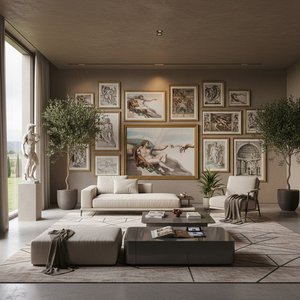
Michelangelo Buonarotin 25 mestariteosta: Taidetta ja inspiraatiota kotiisi
Tutustu Michelangelo Buonarotin 25 mestariteokseen – renessanssin veistoksiin, maalauksiin ja freskoihin. Pietà, David ja Sixtuksen kappeli odottavat! Löydä inspiraatiota sisustukseesi ja korkealaatuiset taideprintit OriginalUniqueArt.comista.

The Enduring Form: Sculpture Across History, Technique & Emotional Resonance
Explore the rich history of sculpture with OriginalUniqueArt. Discover key techniques, influential artists & investment potential for discerning collectors. Expert insights into valuing and collecting timeless masterpieces.
