
 Esikatselu
 Jaa
Jaa Jaa
Jaa
 Tarkemmat tiedot

 Lataa
Lataa
 Samanlaisia
 Röntgenkuva
 Diaesitys
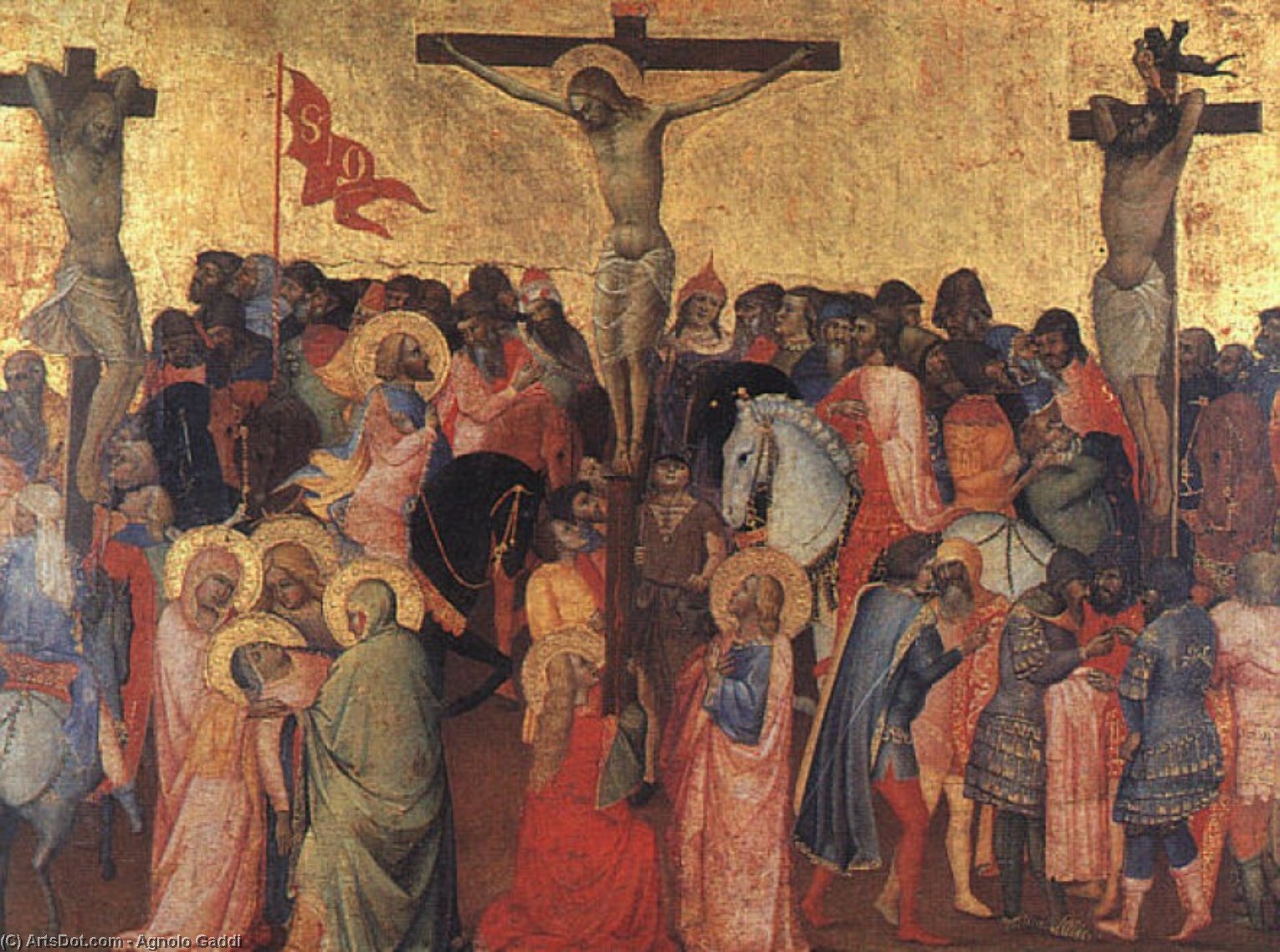
Crucifixion
 Oil On Panel
- Gothic Revival
 1390
1390 57.0 x 77.0 cm
 Galleria degli Uffizi
 Näytä lisää
Käsinmaalattu öljykopio
Käsinmaalattu öljyväri kankaalle haluamassasi koossa ja kehyksissä, taiteilijoidemme valmistamana tilauksesta. ( Osta printti Osta kuva)




P118B $10

P118H $10

P118W $10

P438Z $10

P508JH $12

P508YH $12

P805H $10

P805Z $10

P919BZ $10

P919G $10

P919XJ $10

P959ZH $10

P968JZ $12

W106C $8

W218G $10

W218JH $8

W218Y $10

W307PJ $10

W316G $10

W316PJ $8

W316Y $10

W398PJ $8

W4111J $10

W500HY $15

W500JH $15

W692G $12

W849H $8

W940BG $15

W953PJ $8




Valitse valmiista mitoistamme sellaiset, jotka vastaavat teoksen alkuperäisiä mittasuhteita.

Voit syöttää omat mitat sopimaan tiettyyn kehykseen tai tilaan. Jos valitsemasi koko ei vastaa alkuperäisen kuvan mittasuhteita, rajaamme taideteoksen tai jatkamme maalausta käsin maalatuilla elementeillä. Digitaalinen esikatselu lähetetään hyväksyttäväksi ennen tuotannon aloittamista.
Huomioithan, että näytöllä oleva esikatselu ei vastaa todellista rajausta tai jatkamista. Vain digitaalinen mallikuva näyttää lopullisen sommittelun tarkasti.
Vaikka mittatilaustyöt ovat mahdollisia, suosittelemme valitsemaan mitan ennalta määritetystä listasta alkuperäisten mittasuhteiden säilyttämiseksi.
Tilauksen jälkeen OriginalUniqueArt.com -tiimi lähettää asiakkaalle ohjeet ja esikatselukuvan.
Maailmanlaajuinen toimitus () 3–4 viikossa tavallisen 5 viikon sijaan. (20 elokuu). Laadusta ei tingitä.

Ilmainen pikatoimitus ympäri maailman

Korkealaatuinen pellavakangas

Kattava kuljetusvakuutus

Tulliveron palautustakuu

Täydellinen värien vastaavuustakuu

60 päivän palautusoikeus (vain valmistusvirheet)

100% rahat takaisin -takuu

Määräalennus tarjous
 Lasivaihtoehto on saatavilla vain alle 110 cm kokoisina teoksina

Crucifixion
Reproduktiotekniikka
Replikaatin koko
-


Kokonaishinta
$ 300
Teoksen kuvaus
The Crucifixion by Agnolo Gaddi: A Window into Florentine Gothic
The painting “Crucifixion” by Agnolo Gaddi, created in 1390, is more than just a depiction of a pivotal moment in Christian history; it’s a vibrant testament to the burgeoning artistic spirit of Florence during the late Medieval period. Housed within the hallowed halls of the Galleria degli Uffizi, this tempera painting offers a profound glimpse into the evolving style of a master craftsman – Gaddi himself – and his deep connection to the legacy of Giotto di Bondone. Measuring just 57 x 77 cm, its intimate scale belies the emotional weight it carries, inviting viewers to contemplate the suffering and sacrifice at its core.
Gaddi’s work immediately distinguishes itself within the Gothic tradition, yet subtly anticipates the stylistic shifts that would define the Early Renaissance. The composition is remarkably balanced, a careful orchestration of figures arranged around the central image of Christ on the cross. Notice the deliberate positioning – soldiers and mourners cluster at the base, creating a sense of earthly sorrow, while angels ascend above, representing divine compassion. A striking detail is the presence of a horse to the right, adding depth and dynamism to the scene, a touch uncommon in purely religious depictions of this era. The artist’s skill lies not just in anatomical accuracy – though it's evident – but in conveying a palpable sense of drama and emotional intensity.
A Glimpse into Technique and Materials
The painting is executed in tempera, a medium favored by artists during the Gothic period due to its luminosity and ability to create rich colors. Observe how Gaddi masterfully layered the pigments, building up textures and creating subtle gradations of light and shadow. The use of gold leaf, particularly around Christ’s figure and the haloed angels, further enhances the painting's spiritual aura and draws the eye towards these focal points. The attention to detail is remarkable; from the folds of Christ’s garments to the expressions on the faces of the onlookers, every element contributes to a sense of realism and immediacy.
Furthermore, Gaddi demonstrates an understanding of perspective – though it's not fully developed as in later Renaissance works. The figures are arranged in a shallow space, creating a sense of depth that is both engaging and emotionally resonant. The overall effect is one of controlled chaos, reflecting the dramatic nature of the event being depicted while maintaining a formal, balanced composition.
Historical Context: Florence at the Dawn of a New Era
To fully appreciate “Crucifixion,” it’s essential to understand the historical context in which it was created. Florence during the 14th century was a crucible of artistic innovation, fueled by wealth, political stability, and a renewed interest in classical antiquity. Giotto di Bondone, who had revolutionized painting with his naturalistic style, exerted a profound influence on subsequent generations of artists, including Gaddi. Gaddi’s work represents a direct continuation of Giotto's legacy, yet he subtly departs from it, introducing elements that foreshadow the stylistic developments of the Renaissance.
Agnolo Gaddi himself was deeply connected to this artistic lineage; he was the son of Taddeo Gaddi, who had been a devoted pupil of Giotto. This familial connection placed him at the heart of Florence’s artistic community and ensured that he remained immersed in the innovative spirit of the time. His work reflects not only his own talent but also the collective artistic consciousness of his era.
Symbolism and Emotional Resonance
The painting is laden with symbolism, inviting viewers to contemplate profound theological themes. The crucifixion itself represents sacrifice, redemption, and the promise of salvation. The figures surrounding Christ – soldiers, mourners, and angels – embody a range of human emotions: grief, despair, compassion, and hope. The horse, often associated with royalty and power, may symbolize the suffering of the Roman Empire under Christ’s rule.
Ultimately, “Crucifixion” is not merely a historical depiction; it's an emotionally charged meditation on faith, suffering, and redemption. It invites viewers to connect with the human drama at its core and to contemplate the enduring significance of this central event in Christian theology. Reproductions of this masterpiece offer a tangible connection to this remarkable artistic achievement, allowing us to experience its beauty and power firsthand.
Taiteilijan elämäkerta
Agnolo Gaddi – Florentine Legacy
Agnolo Gaddi, born around 1350 in Florence, stands as a cornerstone of Italian painting’s transition from the Gothic to the Early Renaissance—a figure whose artistic lineage traced directly back to Giotto di Bondone solidified his place within Florentine art history. He wasn't merely inheriting a style; he was subtly reshaping it, fostering a harmonious blend of tradition and innovation that mirrored the dynamism of the city itself. While often portrayed as the last great Florentine painter descended from Giotto’s revolutionary vision, reducing him to mere imitation would diminish the profound complexity of his contribution. Gaddi's life—though sparsely documented compared to contemporaries like Michelangelo—revealed a man deeply interwoven with Florence’s artistic and commercial pulse – a city pulsating with creativity and burgeoning wealth. He wasn’t solely consumed by painting; archival records indicate involvement in mercantile pursuits, particularly later in life, demonstrating a pragmatism uncommon among celebrated artists of his era.From Giotto's Shadow: Artistic Development and Influences
The indelible imprint of Giotto is palpable throughout Gaddi’s formative works. The monumental figures, the emotionally resonant expressions, and the narrative clarity characteristic of Giotto’s frescoes permeated Gaddi’s initial paintings—a testament to his unwavering dedication to mastering Giotto's groundbreaking style. However, Gaddi swiftly distinguished himself from his predecessor, embracing a refined elegance that transcended mere imitation. Where Giotto favored robust simplicity, Gaddi infused his canvases with intricate details and heightened textural richness – a deliberate departure that signaled the burgeoning influence of humanist ideals. The Gothic aesthetic profoundly shaped his artistic sensibilities: dramatic lighting effects, sumptuous fabrics rendered with meticulous precision, and an overarching preoccupation with opulent beauty served as guiding principles. This wasn’t to suggest abandonment of naturalism; rather, Gaddi layered Giotto's foundational approach with a sophisticated stylistic nuance reflecting the evolving tastes of Florentine society. He skillfully employed color palettes that conveyed emotion and atmosphere—a technique honed through observation and experimentation.A Master of Fresco: Santa Croce and Beyond
Gaddi’s artistic legacy is inextricably linked to his monumental frescoes adorning the Basilica di Santa Croce in Florence – a project undertaken alongside fellow artists like Giovanni da Milano and Gherardo Starnina. These eight panels depicting scenes from *The Legend of the True Cross* represent arguably the pinnacle of Florentine Gothic art, embodying Giotto’s expressive power while simultaneously elevating it to new heights of artistic sophistication. The frescoes capture the drama and pathos of biblical narratives with breathtaking immediacy—figures rendered with palpable emotion and set within meticulously crafted architectural spaces. Gaddi's masterful command of fresco technique—a skill passed down from his father Taddeo—allowed him to achieve unparalleled luminosity and textural depth, creating images that continue to captivate viewers centuries later. The scale and ambition of this undertaking underscored Gaddi’s commitment to artistic excellence and cemented his reputation as Florence’s foremost painter of the period.The Influence of Cennino Cennini: Artistic Discourse and Innovation
Agnolo Gaddi's impact extended beyond his visual creations; he served as a mentor to Cennino Cennini, author of *Il Libro dell’Arte*, arguably the most influential treatise on art produced in Italy during the Renaissance. Cennini’s writings—characterized by meticulous observation and detailed analysis—documented Gaddi’s artistic methods and philosophies, disseminating his knowledge throughout Florence and beyond. This collaboration exemplifies Gaddi's dedication to fostering artistic dialogue and promoting innovation—a commitment that ensured the transmission of Florentine artistic traditions into subsequent generations. Cennini’s treatise championed a humanist approach to artmaking—emphasizing the importance of disegno (drawing) as the foundation for all creative endeavors—reflecting Gaddi’s conviction that artistic excellence stemmed from careful study and disciplined practice.A Legacy Enduring Through Time: Vasari's Testament
Giorgio Vasari, in his *Lives of the Most Excellent Painters, Sculptors, and Architects*, recognized Agnolo Gaddi as a pivotal figure within Florentine art history—a testament to his enduring influence on subsequent artists. Vasari lauded Gaddi’s artistic prowess and documented his life’s journey with meticulous detail—providing invaluable insight into the cultural milieu that nurtured his creativity. His portrayal of Gaddi as a craftsman devoted to mastering Giotto's style underscored Vasari’s belief in the importance of tradition alongside innovation—a perspective that continues to resonate with art historians today. Agnolo Gaddi’s contribution to Florentine painting—characterized by stylistic refinement, technical mastery, and intellectual engagement—solidified his place within the canon of Italian Renaissance art—leaving behind a legacy of beauty, devotion, and enduring artistic significance.
Agnolo Gaddi
1350 - 1396 , Italia
Pikatiedot
- Artistic Movement Or Style: Gothic, Early Renaissance
- Artists Or Movements Influenced By This Artist: ['Cennino Cennini']
- Artists Who Influenced This Artist:
- Taddeo Gaddi
- Giotto
- Date Of Birth: Florence, Italy (c. 1350)
- Date Of Death: October 10, 1396
- Full Name: Agnolo Gaddi
- Nationality: Italian
- Notable Artworks:
- The Last Supper
- Crucifixion
- Discovery of True Cross
- Place Of Birth: Florence
Liittyvät artikkelit
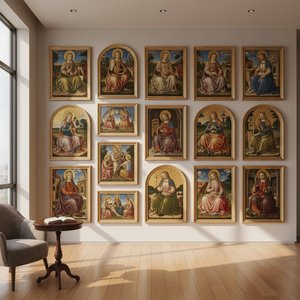
Fra Angelicon 25 mestariteosta: Taidetta ja hengellisyyttä kotiisi – OriginalUniqueArt.com
Tutustu Fra Angelicon 25 mestariteokseen – varhaisen renessanssin lumoavia freskoja ja alttaritauluja. Uppoudu italialaisen taidemaalarin hengelliseen maailmaan OriginalUniqueArt.comissa! Taidekopiokuvia ja sisustusideoita.

Gothic Vibes: From Dark Shadows to Bold Modern Edge | The Ultimate Trend Forecast
Explore the evolution of Gothic vibes, from historical shadows to bold modern edge. Discover how dark aesthetics, noir interiors, and contemporary subcultures are redefining modern design through a high-impact, trend-focused lens.
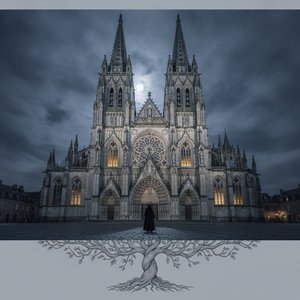
Shadows & Splendor: A Journey Through the Soul of Gothic Art and Architectural Grandeur
Embark on a profound journey through the spiritual intensity of Gothic art. Explore the architectural marvels, luminous stained glass, and sacred sculptures that define this era of grandeur and human devotion.
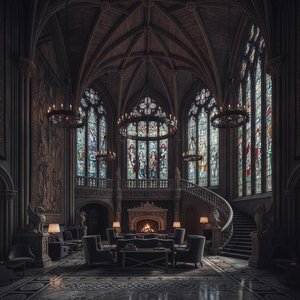
Gothic Art Guide for Hotel Designers: Leveraging Dramatic Shadows and Architectural Grandeur in Luxury Interiors
Elevate hospitality interiors with our expert guide to Gothic art. Discover how to leverage dramatic shadows, architectural grandeur, and high-end reproductions to create sophisticated, atmospheric hotel spaces that captivate guests.
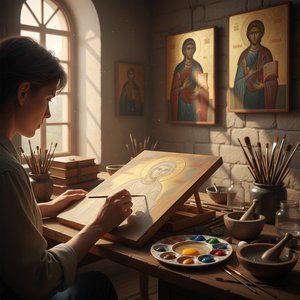
Illuminating Surfaces: A Comprehensive Exploration of Tempera on Panel Painting Techniques & Historical Significance
Explore the rich history & techniques of tempera painting! Discover Renaissance masters like Botticelli & Fra Angelico, conservation insights, and the enduring legacy of this captivating art form. Learn more now!


