Esikatselu
 Jaa teos
 Jaa
Jaa
 Tiedot
 Opas
Opas

 Lataa kuva
 Samanlaisia kohteita
 Röntgenkuvaus
 Diaesitys
 Kysymykset ja vastaukset
 Tilastot
Ugolino Martelli

- 102.0 x 85.0 cm


 Lue lisää
Giclée- ja taideprintit
Museolaatuisia giclée- tai kankaitaulun tulosteita nopealla tuotannolla ja joustavilla viimeistelyvaihtoehdoilla. ( Osta käsinmaalattu taideteos Siirry digitaaliseen kuvaan)




P118B €10

P118H €10

P118W €10

P438Z €10

P508JH €12

P508YH €12

P805H €10

P805Z €10

P919BZ €10

P919G €10

P919XJ €10

P959ZH €10

P968JZ €12

W106C €8

W218G €10

W218JH €8

W218Y €10

W307PJ €10

W316G €10

W316PJ €8

W316Y €10

W398PJ €8

W4111J €10

W500HY €15

W500JH €15

W692G €12

W849H €8

W940BG €15

W953PJ €8




Valitse valmiista mitoistamme sellaiset, jotka vastaavat teoksen alkuperäisiä mittasuhteita.

Syötä tarvitsemasi leveys ja korkeus, jotta tuloste sopii kehyksiisi tai seinällesi. Tulostetta voidaan vain leikata, sitä ei voida koskaan suurentaa alkuperäistä kuvaa suuremmaksi, joten eri muotoinen koko aiheuttaa osan kuvasta katoamisen. Lähetämme sinulle digitaalisen mallikuvan hyväksyttäväksi ennen kuin aloitamme tulostuksen. Tällä sivulla näkyvä kuva ei näytä lopullista rajausta — vain mallikuva näyttää sen.
Maailmanlaajuinen toimitus () 2 viikossa tavallisen 4–5 viikon sijaan. (5 marraskuu)

Ilmainen pikatoimitus ympäri maailman

Korkealaatuinen pellavakangas

Kattava kuljetusvakuutus

Tulliveron palautustakuu

Takuu täydellisestä värien vastaavuudesta

100 päivän palautusoikeus (vain valmistusvirheet)

100% rahat takaisin -takuu

Määräalennus tarjolla
 Lasivaihtoehto on saatavilla vain alle 110 cm kokoisille teoksille

Ugolino Martelli
Giclée- ja taideprintit
Replikaatin koko
-


Kokonaishinta
€ 72
A Portrait of Quiet Dignity: Agnolo Bronzino’s Ugolino Martelli
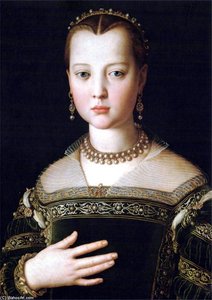
The painting “Portrait of Ugolino Martelli,” executed by Agnolo Bronzino in 1535, stands as a testament to the Mannerist aesthetic—a deliberate rejection of High Renaissance ideals favoring restraint, psychological complexity, and meticulous observation. More than just a likeness of Ugolino Martelli, Marchese di Montalto, this artwork embodies a profound exploration of human character within a carefully constructed visual framework. It’s a piece that whispers rather than shouts, inviting contemplation on themes of intellectuality, status, and the subtle interplay between appearance and inner life—qualities particularly valued during Bronzino's time.- Subject Matter: The portrait depicts Ugolino Martelli, a prominent noble figure of Florence, seated calmly beside a statue. This deliberate positioning isn’t merely decorative; it underscores Martelli’s elevated social standing and subtly suggests an association with classical ideals of virtue and contemplation.
- Style & Technique: Bronzino's signature Mannerist style distinguishes itself from its predecessor through flattened perspectives, stylized drapery, and a disconcerting lack of illusionistic depth. Unlike the luminous realism championed by Leonardo da Vinci or Michelangelo, Bronzino prioritizes precise modeling and subtle shading to convey an impression of stillness and polished elegance. The artist’s masterful use of oil paint allows for incredible detail—notice the intricate folds of Martelli's robe and the meticulous rendering of the statue’s surface.
Historical Context: Florence Under Medici Rule
Florence in 1535 was at the zenith of Medici patronage, a period marked by political stability and artistic flourishing. Cosimo I de' Medici’s reign fostered an environment where artists like Bronzino thrived—commissioned to decorate palaces and commemorate noble families, they catered to the tastes of a discerning elite who appreciated sophistication and intellectual refinement. The portrait reflects this cultural climate, aligning with the Mannerist preoccupation with portraying individuals as embodiments of moral virtue and aristocratic dignity. It’s a visual record of Florence's power and prestige during its golden age.- Symbolism: The statue flanking Martelli is laden with symbolic significance—likely representing Apollo or Minerva, deities associated with intellect and artistic inspiration. This deliberate inclusion reinforces the notion that Martelli possesses cultivated mind and embodies noble ideals.
- Emotional Impact: Despite its apparent calmness, “Portrait of Ugolino Martelli” evokes a sense of contemplative seriousness. Bronzino’s gaze is averted from the viewer, creating an intimacy that invites us to consider Martelli's inner thoughts—a characteristic Mannerist technique designed to heighten psychological realism and convey profound emotion through subtle visual cues.
Legacy & Reproduction Considerations
Bronzino’s influence extended far beyond his own lifetime, shaping the artistic sensibilities of subsequent generations. His meticulous attention to detail and masterful command of technique continue to inspire artists today. OriginalUniqueArt offers exceptionally detailed reproductions of “Portrait of Ugolino Martelli,” utilizing archival pigments and printing processes to faithfully capture the nuances of Bronzino’s original artwork. These reproductions provide a stunning opportunity to experience the beauty and intellectual depth of this iconic Mannerist masterpiece in your own home or studio—a timeless testament to Florentine artistry and humanist ideals.Kysymykset ja vastaukset
Mitä tunnetta Mannerist Style-tyylisuunnan teos "Ugolino Martelli" välittää?
"Ugolino Martelli" välittää Reflective tunnetilan Mannerist Style-tyylisuunnan sisällä.
Mihin käyttöön Agnolo Bronzino:n "Ugolino Martelli" on suositeltu?
Agnolo Bronzino:n "Ugolino Martelli"-teoksen suositeltu käyttötarkoitus on Statement. Se soveltuu kuitenkin myös muihin tarkoituksiin.
Onko teoksessa "Ugolino Martelli" voimakkaita valon ja varjon kontrasteja?
Teoksen "Ugolino Martelli" valoisuus- ja varjokontrasti on Gentle. Kontrasti kuvaa, kuinka voimakkaasti vaaleat ja tummat alueet eroavat toisistaan.
Taiteilijan elämäkerta
Agnolo Bronzino – Florentine Master of Reserved Elegance
Agnolo di Cosimo, known to history as Bronzino, emerged from the vibrant artistic landscape of Renaissance Florence in 1503, a period already brimming with genius. Born the son of a butcher, his path diverged sharply from familial trade, guided instead by an innate talent that would see him become one of the most sought-after portraitists of his era and a defining figure of Mannerism. His early training began with Raffaellino del Garbo, but it was under the tutelage of Jacopo da Pontormo that Bronzino’s artistic sensibilities truly took shape. While absorbing Pontormo's innovative style, he ultimately forged his own distinct voice—one characterized by a cool composure and refined detail markedly different from his teacher’s often emotionally charged works. This early period was also influenced by studies with Andrea del Sarto, exposing him to the legacies of Michelangelo and Leonardo da Vinci, foundational influences that would subtly permeate his mature style. The young Bronzino quickly demonstrated an aptitude for capturing not just physical likeness but a certain psychological depth, even in his earliest commissions.Early Influences and Artistic Development
Bronzino’s formative years were marked by exposure to the artistic titans of Florence—Michelangelo Buonarroti and Leonardo da Vinci—whose monumental sculptures and groundbreaking paintings profoundly shaped his aesthetic sensibilities. He absorbed Pontormo's daring experimentation with perspective and color, pushing boundaries beyond what was considered acceptable at the time. Simultaneously, he honed his technical skills under Andrea del Sarto’s guidance, mastering the meticulous rendering of drapery and achieving an unparalleled level of realism in his portraits. This confluence of influences instilled in him a commitment to precision and intellectual rigor—qualities that would characterize his entire artistic career. His early works reveal a fascination with idealized beauty and a subtle awareness of humanist thought, foreshadowing the stylistic developments that would define Mannerism.Ascension at the Medici Court – Patronage and Artistic Output
Bronzino’s fortunes dramatically shifted when he secured the patronage of Cosimo I de’ Medici, Duke of Tuscany—a relationship cemented after he contributed to the opulent celebrations commemorating Cosimo's wedding to Eleonora di Toledo in 1539. This prestigious commission propelled him to the forefront of Florentine art and afforded him access to unparalleled resources for artistic production. During his reign, Cosimo entrusted Bronzino with decorating the chapel dedicated to Eleonora—a monumental undertaking spanning two decades that showcased his versatility as a fresco painter. The resulting murals are breathtaking in their scale and ambition, demonstrating Bronzino’s mastery of technique and his ability to convey complex narratives through visual imagery. He produced numerous portraits of members of the Medici family, capturing not merely physical likeness but conveying an aura of aristocratic dignity and restrained emotion. These works solidified his reputation as Florence's premier court painter—a role he upheld with unwavering dedication until his death in 1572.The Mannerist Style – Characteristics and Innovations
Bronzino’s artistic style is undeniably Mannerist—a movement that emerged in Italy during the mid-16th century as a deliberate reaction against the harmonious idealism of the High Renaissance. Unlike Michelangelo and Leonardo, who sought to represent the human form with anatomical accuracy and emotional fervor, Bronzino prioritized stylistic refinement above all else. His figures are often elongated and stylized, rendered with an unsettling stillness that defies natural movement—a hallmark of Mannerist aesthetics. He employed a palette dominated by cool colors—pale blues, greens, and yellows—creating compositions characterized by ethereal beauty and subtle ambiguity. Venus, Cupid, Folly and Time exemplifies this approach perfectly: the figures are positioned in poses that seem frozen in time, their expressions deliberately devoid of emotion. Bronzino’s meticulous attention to detail—the textures of fabrics, the gleam of jewels, the delicate rendering of facial features—elevated his portraits to levels of artistic sophistication previously unattainable. He skillfully manipulated perspective and illusionistic techniques to create immersive environments that captivated viewers' imaginations.Legacy and Enduring Influence
Agnolo Bronzino’s contribution to Renaissance art is undeniable. His stylistic innovations profoundly impacted subsequent generations of artists, establishing Mannerism as a dominant aesthetic force across Europe. Beyond his technical prowess, Bronzino possessed an intellectual curiosity—a fascination with mythology and allegory that informed his artistic vision. He wasn't merely replicating reality; he sought to transcend it through artifice and stylistic control—a pursuit that continues to inspire admiration today. His portraits remain iconic representations of aristocratic power and elegance—testaments to the enduring beauty of Mannerist refinement. Bronzino’s legacy extends beyond individual artworks; he helped shape the visual language of the Renaissance court, influencing artistic conventions for centuries to come. He is remembered as a master craftsman who elevated portraiture to new heights of sophistication—a figure whose influence resonates powerfully within the annals of art history.- Born: Florence, Italy, 1503
- Died: Florence, Italy, 1572
- Key Movement: Mannerism
- Notable Works: *Venus, Cupid, Folly and Time*, Portraits of Cosimo I de’ Medici and Eleonora di Toledo

Agnolo Bronzino
1503 - 1572 , Italia
Pähkinänkuoressa
- Artistic Movement Or Style: Mannerismi
- Artists Who Influenced This Artist:
- Pontormo
- Michelangelo
- Leonardo da Vinci
- Date Of Birth: 17. marraskuuta 1503
- Date Of Death: 23. marraskuuta 1572
- Full Name: Agnolo di Cosimo
- Nationality: Italian
- Notable Artworks:
- Venuksen ja Kuun päällä
- Ugolino Martellin kuva
- Pyhä Mikael
- Place Of Birth: Florence, Italia
Aiheeseen liittyvät artikkelit

10 legendaarista pronssiveistosta, jotka mullistivat taiteen – OriginalUniqueArt.com
Tutustu 10 legendaariseen pronssiveistokseen, jotka ovat muokanneet taiteen historiaa! Michelangelo, Rodin ja muut mestarit. Löydä inspiraatiota sisustukseesi ja tutki upeita taideteoksia OriginalUniqueArt.com-sivustolta.

The Enduring Form: Exploring Themes & Techniques in Sculpture Across Historical Periods
Explore the rich history of sculpture from ancient masterpieces to contemporary innovations. Discover key techniques, influential artists & investment potential for discerning art collectors.

10 legendaarista pronssiveistosta, jotka mullistivat taiteen – OriginalUniqueArt.com
Tutustu 10 legendaariseen pronssiveistokseen, jotka ovat muuttaneet taiteen historiaa! Rodinista Michelangeloon – opi mestareiden tarinat ja löydä täydellinen taideteos kotiisi OriginalUniqueArt.com:ssa. Laadukkaat jäljennökset & sisustusideat.

The Enduring Form: Sculpture Across History, Technique & Emotional Resonance
Explore the rich history of sculpture with OriginalUniqueArt. Discover key techniques, influential artists & investment potential for discerning collectors. Expert insights into valuing and collecting timeless masterpieces.
Pronssiveistosten kestävä perintö: Historiaa, tekniikoita ja nykyaikaisia tulkintoja
Tutustu pronssiveistosten kiehtovaan maailmaan! Opi historiasta, tekniikoista ja konservoinnista. Vinkkejä taidekeräilijöille ja tietoa nykytaiteen pronssitrendeistä.