Esikatselu
 Jaa teos
 Jaa
Jaa
 Tiedot
 Opas
Opas

 Lataa kuva
 Samanlaisia kohteita
 Röntgenkuvaus
 Diaesitys
 Q&A
Q&A Tilastot
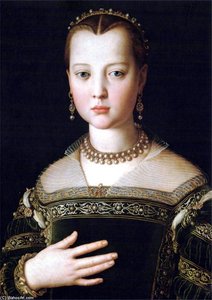
Pope Leo X

- 15.0 x 12.0 cm


 Lue lisää
Giclée- ja taideprintit
Museolaatuisia giclée- tai kankaitaulun tulosteita nopealla tuotannolla ja joustavilla viimeistelyvaihtoehdoilla. ( Osta käsinmaalattu taideteos Siirry digitaaliseen kuvaan)




P118B €10

P118H €10

P118W €10

P438Z €10

P508JH €12

P508YH €12

P805H €10

P805Z €10

P919BZ €10

P919G €10

P919XJ €10

P959ZH €10

P968JZ €12

W106C €8

W218G €10

W218JH €8

W218Y €10

W307PJ €10

W316G €10

W316PJ €8

W316Y €10

W398PJ €8

W4111J €10

W500HY €15

W500JH €15

W692G €12

W849H €8

W940BG €15

W953PJ €8




Valitse valmiista mitoistamme sellaiset, jotka vastaavat teoksen alkuperäisiä mittasuhteita.

Syötä tarvitsemasi leveys ja korkeus, jotta tuloste sopii kehyksiisi tai seinällesi. Tulostetta voidaan vain leikata, sitä ei voida koskaan suurentaa alkuperäistä kuvaa suuremmaksi, joten eri muotoinen koko aiheuttaa osan kuvasta katoamisen. Lähetämme sinulle digitaalisen mallikuvan hyväksyttäväksi ennen kuin aloitamme tulostuksen. Tällä sivulla näkyvä kuva ei näytä lopullista rajausta — vain mallikuva näyttää sen.
Maailmanlaajuinen toimitus () 2 viikossa tavallisen 4–5 viikon sijaan. (2 marraskuu)

Ilmainen pikatoimitus ympäri maailman

Korkealaatuinen pellavakangas

Kattava kuljetusvakuutus

Tulliveron palautustakuu

Takuu täydellisestä värien vastaavuudesta

100 päivän palautusoikeus (vain valmistusvirheet)

100% rahat takaisin -takuu

Määräalennus tarjolla
 Lasivaihtoehto on saatavilla vain alle 110 cm kokoisille teoksille

Pope Leo X
Giclée- ja taideprintit
Replikaatin koko
-


Kokonaishinta
€ 71
The Regal Presence of Pope Leo X
To gaze upon this portrait of Pope Leo X is to encounter a moment suspended in the opulent grandeur of the Italian Renaissance. Agnolo Bronzino, master chronicler of aristocratic and papal life, has captured not merely a likeness, but an embodiment of temporal power mingled with spiritual authority. The subject, depicted here in rich vestments—the deep crimson of his hat and robe accented by shimmering gold trim—commands attention. His bearing suggests the weight of immense responsibility; the beard and mustache lend him an air of seasoned gravitas. Though rendered in a palette that evokes classic black and white studies, one can almost feel the texture of the velvet and the gleam of the embroidery, hallmarks of Bronzino’s meticulous hand.
A Masterclass in Mannerist Elegance
Bronzino's signature style, often described as reserved elegance, is on full display here. He eschews the dramatic emotionalism found in some of his contemporaries, opting instead for a cool, almost sculptural composure. This restraint is itself a profound statement—a hallmark of Mannerism that favors artifice and polished refinement over raw emotion. The technique employed speaks to an unparalleled technical skill; every fold of fabric, every strand of hair, seems rendered with painstaking precision. It is the portraiture of status, where the sitter’s identity is inseparable from their magnificent presentation.
Historical Echoes and Symbolism
Pope Leo X reigned during a period of immense cultural ferment in Rome, a time when papal power intersected dramatically with burgeoning Renaissance humanism. The inclusion of background elements, perhaps script or architectural details visible faintly behind the figure, anchors the portrait within its specific historical moment. These subtle cues invite contemplation on the intersection of earthly politics and divine mandate. Owning a reproduction of this piece is to possess a tangible link to the powerful patronage systems that fueled the artistic explosion of 16th-century Florence and Rome.
Bringing Renaissance Authority Home
For the discerning collector or designer, this artwork offers more than mere decoration; it provides an atmosphere. Its sophisticated formality elevates any space—be it a formal drawing-room, a library, or a gallery wall dedicated to history. The controlled drama inherent in Bronzino’s work adds depth and intellectual weight to an interior design scheme. A high-quality reproduction allows one to integrate the cool, authoritative grace of Renaissance portraiture into contemporary life, making a statement of cultivated taste and historical appreciation.
Kysymykset ja vastaukset
Millaista tunnelmaa "Pope Leo X" toisi tilaan?
Agnolo Bronzino:n "Pope Leo X" -teoksen Elegant tunnelma sopii täydellisesti sen suositeltuun tilaan: Living Room.
Milloin teos Agnolo Bronzino:n "Pope Leo X" on luotu?
"Pope Leo X" on peräisin vuodelta 1555. Teoksen valmistumisajankohta sijoittaa sen Agnolo Bronzino uran ja aikakauden kontekstiin.
Kuinka voimakas kontrasti teoksessa Agnolo Bronzino:n "Pope Leo X" on?
Teoksessa Agnolo Bronzino:n "Pope Leo X" on Statement kontrasti vaaleiden ja tummien alueiden välillä.
Taiteilijan elämäkerta
Agnolo Bronzino – Florentine Master of Reserved Elegance
Agnolo di Cosimo, known to history as Bronzino, emerged from the vibrant artistic landscape of Renaissance Florence in 1503, a period already brimming with genius. Born the son of a butcher, his path diverged sharply from familial trade, guided instead by an innate talent that would see him become one of the most sought-after portraitists of his era and a defining figure of Mannerism. His early training began with Raffaellino del Garbo, but it was under the tutelage of Jacopo da Pontormo that Bronzino’s artistic sensibilities truly took shape. While absorbing Pontormo's innovative style, he ultimately forged his own distinct voice—one characterized by a cool composure and refined detail markedly different from his teacher’s often emotionally charged works. This early period was also influenced by studies with Andrea del Sarto, exposing him to the legacies of Michelangelo and Leonardo da Vinci, foundational influences that would subtly permeate his mature style. The young Bronzino quickly demonstrated an aptitude for capturing not just physical likeness but a certain psychological depth, even in his earliest commissions.Early Influences and Artistic Development
Bronzino’s formative years were marked by exposure to the artistic titans of Florence—Michelangelo Buonarroti and Leonardo da Vinci—whose monumental sculptures and groundbreaking paintings profoundly shaped his aesthetic sensibilities. He absorbed Pontormo's daring experimentation with perspective and color, pushing boundaries beyond what was considered acceptable at the time. Simultaneously, he honed his technical skills under Andrea del Sarto’s guidance, mastering the meticulous rendering of drapery and achieving an unparalleled level of realism in his portraits. This confluence of influences instilled in him a commitment to precision and intellectual rigor—qualities that would characterize his entire artistic career. His early works reveal a fascination with idealized beauty and a subtle awareness of humanist thought, foreshadowing the stylistic developments that would define Mannerism.Ascension at the Medici Court – Patronage and Artistic Output
Bronzino’s fortunes dramatically shifted when he secured the patronage of Cosimo I de’ Medici, Duke of Tuscany—a relationship cemented after he contributed to the opulent celebrations commemorating Cosimo's wedding to Eleonora di Toledo in 1539. This prestigious commission propelled him to the forefront of Florentine art and afforded him access to unparalleled resources for artistic production. During his reign, Cosimo entrusted Bronzino with decorating the chapel dedicated to Eleonora—a monumental undertaking spanning two decades that showcased his versatility as a fresco painter. The resulting murals are breathtaking in their scale and ambition, demonstrating Bronzino’s mastery of technique and his ability to convey complex narratives through visual imagery. He produced numerous portraits of members of the Medici family, capturing not merely physical likeness but conveying an aura of aristocratic dignity and restrained emotion. These works solidified his reputation as Florence's premier court painter—a role he upheld with unwavering dedication until his death in 1572.The Mannerist Style – Characteristics and Innovations
Bronzino’s artistic style is undeniably Mannerist—a movement that emerged in Italy during the mid-16th century as a deliberate reaction against the harmonious idealism of the High Renaissance. Unlike Michelangelo and Leonardo, who sought to represent the human form with anatomical accuracy and emotional fervor, Bronzino prioritized stylistic refinement above all else. His figures are often elongated and stylized, rendered with an unsettling stillness that defies natural movement—a hallmark of Mannerist aesthetics. He employed a palette dominated by cool colors—pale blues, greens, and yellows—creating compositions characterized by ethereal beauty and subtle ambiguity. Venus, Cupid, Folly and Time exemplifies this approach perfectly: the figures are positioned in poses that seem frozen in time, their expressions deliberately devoid of emotion. Bronzino’s meticulous attention to detail—the textures of fabrics, the gleam of jewels, the delicate rendering of facial features—elevated his portraits to levels of artistic sophistication previously unattainable. He skillfully manipulated perspective and illusionistic techniques to create immersive environments that captivated viewers' imaginations.Legacy and Enduring Influence
Agnolo Bronzino’s contribution to Renaissance art is undeniable. His stylistic innovations profoundly impacted subsequent generations of artists, establishing Mannerism as a dominant aesthetic force across Europe. Beyond his technical prowess, Bronzino possessed an intellectual curiosity—a fascination with mythology and allegory that informed his artistic vision. He wasn't merely replicating reality; he sought to transcend it through artifice and stylistic control—a pursuit that continues to inspire admiration today. His portraits remain iconic representations of aristocratic power and elegance—testaments to the enduring beauty of Mannerist refinement. Bronzino’s legacy extends beyond individual artworks; he helped shape the visual language of the Renaissance court, influencing artistic conventions for centuries to come. He is remembered as a master craftsman who elevated portraiture to new heights of sophistication—a figure whose influence resonates powerfully within the annals of art history.- Born: Florence, Italy, 1503
- Died: Florence, Italy, 1572
- Key Movement: Mannerism
- Notable Works: *Venus, Cupid, Folly and Time*, Portraits of Cosimo I de’ Medici and Eleonora di Toledo

Agnolo Bronzino
1503 - 1572 , Italia
Pähkinänkuoressa
- Artistic Movement Or Style: Mannerismi
- Artists Who Influenced This Artist:
- Pontormo
- Michelangelo
- Leonardo da Vinci
- Date Of Birth: 17. marraskuuta 1503
- Date Of Death: 23. marraskuuta 1572
- Full Name: Agnolo di Cosimo
- Nationality: Italian
- Notable Artworks:
- Venuksen ja Kuun päällä
- Ugolino Martellin kuva
- Pyhä Mikael
- Place Of Birth: Florence, Italia
Aiheeseen liittyvät artikkelit

The Enduring Legacy of Fine Art Prints: Technique, History & Aesthetic Impact
Explore the rich history & techniques of fine art prints. Discover investment potential, assess authenticity, and learn how to preserve your collection with expert guidance. Trusted insights for discerning collectors.

Giclée Prints Explained: The Ultimate Guide to Museum-Quality Art Reproductions
Master the nuances of Giclée printing with our expert guide. Discover how pigment-based inks and museum-grade substrates create fade-resistant, high-fidelity art reproductions designed for discerning collectors seeking unparalleled quality and longevity.
The Enduring Legacy of Printmaking: Techniques, Themes & Artistic Innovation Across Centuries
Explore the rich history of printmaking with OriginalUniqueArt. Discover techniques from intaglio to lithography, learn about collecting valuable prints & find museum-quality reproductions. Expert insights for art enthusiasts and collectors.

Echoes of Time: Exploring the Enduring Appeal & Historical Context of Vintage Art Prints
Explore the captivating world of vintage art prints! Discover their history, collecting tips & enduring appeal. Expert insights on chromolithography and building a legacy collection with OriginalUniqueArt.

Giclée Prints: Archival Quality & Aesthetic Nuances for the Discerning Collector
Explore the world of giclée prints with OriginalUniqueArt. Learn about archival quality, aesthetic nuances & investment potential. Expert guidance for discerning art collectors seeking museum-quality reproductions and lasting value.