

 Katso seinällä
 Lähetä
 Jaa
Jaa
 Tarkemmat tiedot
 Guide
Guide

 Lataa kuva
 Samanlaisia kohteita
 Röntgenkuvaus
 Diaesitys
 Tilastot
The temple entrance
 Oil On Canvas
- WallArt
- Dutch Baroque
 1679
1679- Early Modern
 71.0 x 91.0 cm
 Royal Picture Gallery Mauritshuis
 Lue lisää
Giclée- ja taideprintit
Museolaatuisia giclée- tai kankaitaulun tulosteita nopealla tuotannolla ja joustavilla viimeistelyvaihtoehdoilla. ( Tilaa käsinmaalattu jäljennös Siirry digitaaliseen kuvaan)




P118B $10

P118H $10

P118W $10

P438Z $10

P508JH $12

P508YH $12

P805H $10

P805Z $10

P919BZ $10

P919G $10

P919XJ $10

P959ZH $10

P968JZ $12

W106C $8

W218G $10

W218JH $8

W218Y $10

W307PJ $10

W316G $10

W316PJ $8

W316Y $10

W398PJ $8

W4111J $10

W500HY $15

W500JH $15

W692G $12

W849H $8

W940BG $15

W953PJ $8




Valitse valmiista mitoistamme sellaiset, jotka vastaavat teoksen alkuperäisiä mittasuhteita.

Voit syöttää omat mitat sopiaksesi tiettyyn kehykseen tai tilaan. Jos valittu koko ei vastaa alkuperäisen kuvan mittasuhteita, rajaamme teosta tai laajennamme kuvaa peilatulla tai yhtenäisellä reunalla. Digitaalinen mallikuva lähetetään hyväksyttäväksi ennen tuotannon aloittamista.
Huomaathan, että näytöllä näkyvä esikatselu ei vastaa lopullista rajausta tai laajennusta. Vain mallikuva näyttää lopullisen sommittelun tarkasti.
Vaikka räätälöityjä kokoja on saatavilla, suosittelemme valitsemaan mitat valmiista listasta alkuperäisten mittasuhteiden säilyttämiseksi.
Maailmanlaajuinen toimitus () 2 viikossa tavallisen 4–5 viikon sijaan. (20 syyskuu)

Ilmainen pikatoimitus ympäri maailman

Korkealaatuinen pellavakangas

Kattava kuljetusvakuutus

Tulliveron palautustakuu

Takuu täydellisestä värien vastaavuudesta

100 päivän palautusoikeus valmistusvirhetapauksissa

100% rahat takaisin -takuu

Määräalennus saatavilla
 Lasivaihtoehto on saatavilla vain alle 110 cm kokoisille teoksille

The temple entrance
Giclée- ja taideprintit
Replikaatin koko
-


Kokonaishinta
$ 80
A Moment Frozen in Time: The Soul of the Temple Entrance
To stand before Aert de Gelder’s “The Temple Entrance” is to step into a world where the boundaries between the physical and the spiritual begin to blur. Painted in 1679, this monumental canvas serves as a profound testament to the enduring legacy of Rembrandt van Rijn. As one of Rembrandt's most devoted pupils, De Gelder did not merely mimic his master; he inhaled the very essence of the Dutch Golden Age’s dramatic spirit. In this work, we encounter a scene that is far more than a mere architectural study. It is a complex tapestry of human emotion and narrative depth, where every shadow seems to whisper a story of devotion, and every light beam illuminates a moment of profound significance.
The composition draws the viewer into a bustling yet solemn gathering at the threshold of a sacred space. A group of figures, draped in rich, textured costumes and evocative headwear, congregates before the imposing stone arches of a temple. There is a palpable sense of ceremony in their assembly, as if they are pilgrims paused at the precip de la spiritualité. The architecture itself, with its heavy, weathered stone surfaces, provides a grounding permanence to the fleeting human drama unfolding before it. Through De Gelder's eyes, the temple entrance becomes a liminal space—a gateway between the mundane world of the street and the divine sanctuary that lies beyond.
The Mastery of Light and Shadow
Technically, “The Temple Entrance” is a masterclass in chiaroscuro, the dramatic interplay of light and dark that defines the late Baroque period. De Gelder employs light not just to illuminate, but to sculpt. The way the light catches the rough grain of the stone and the heavy folds of the men's garments creates a tactile reality that is almost overwhelming. You can almost feel the coolness of the shadows and the warmth of the sun hitting the central figures. This meticulous attention to texture—from the rugged masonry to the soft fabrics—lends the painting an incredible sense of atmosphere, making the scene feel less like a distant historical record and more like a living, breathing moment.
The artist’s brushwork carries a certain rhythmic energy, a characteristic learned in the studios of Amsterdam. While he maintains the psychological realism and emotional gravity of his mentor, De Gelder introduces a unique, expressive quality to his surfaces. This technique allows for a dynamic equilibrium within the composition; while the central group of men anchors the eye, the surrounding shadows create a sense of movement and depth that prevents the scene from feeling static. For the collector or the interior designer, this creates a piece that possesses both a commanding presence and an inviting intimacy.
A Timeless Addition to the Curated Space
Beyond its technical brilliance, the painting resonates with a deep symbolic weight. The temple entrance serves as a metaphor for access—to knowledge, to faith, and to the inner self. This layer of meaning makes the artwork particularly compelling for those who seek pieces that offer intellectual and emotional nourishment. It is a work that invites contemplation, encouraging the viewer to look past the surface and consider the transitions and thresholds within their own lives.
For the discerning decorator or art enthusiast, a high-quality reproduction of “The Temple Entrance” offers an unparalleled opportunity to introduce historical gravity and dramatic flair into a room. Whether placed in a quiet study to inspire deep thought or as a focal point in a grand hall to evoke a sense of classical grandeur, this painting brings with it the prestige of the Dutch masters. It is an investment in atmosphere, a way to anchor a modern interior within the rich, storied traditions of art history, and a permanent invitation to experience a moment of sacred stillness.
Taiteilijan elämäkerta
Mestarimestarin kaiku: Aert de Gelderin omistautuminen Rembrandtin hengelle
Aert de Gelderin teosten edessä seisominen on kuin kohtaaminen kaiun kanssa – elävä, intohimoinen resonanssi yhden historian suurimman mestarin työstämme. Vaikka hänen maallinen matkansa oli traagisen lyhyt, De Gelder löysi merkittävän paikan hollantilaisen taiteen historiassa, ollen ikuisesti sidottuna Rembrandt van Rijnin syvään chiaroscuro-tekniikkaan ja emotionaaliseen syvyyhteens'. Dordrechtissa noin vuonna 1645 syntyneen taiteilijan elämä vaikuttaa lähes liian lyhyeltä kattamaan näin intensiivisen taiteellisen tuotannon. Silti noiden ohikiitävien vuosien aikana hän imeytti itseensä mestarin tekniikan olemuksen ja kanavoi sen teoksiin, jotka kertovat valtavasti inhimillisestä draamasta ja hengellisestä palosta.
Hänen koulutuksensa ei ollut pelkästään akateemista; se oli täydellinen uppoutuminen. Opiskelu Rembrandt itseään työpajassa vuosina 1661–1663 asetti hänet taiteellisen innovaation keskipisteeseen. Tästä oppipoikakaudesta tuli muovaava voima, joka antoi hänen omaksua paitsi siveltimenvedot, myös filosofian – tavan nähdä sisäänrakennettu draama niin arkisissa hetkissä kuin pyhissä kertomuksissakin.
Myöhäisrembrandtin tyylin hallinta
De Gelderin tunnusomainen tyyli on erottamaton mentorinsa myöhäiskauden loistosta. Tyylille on ominaista lähes käsinkosketeltava emotionaalinen lataus. Hänen kankaansa eivät ainoastaan esitä kohtauksia; ne hengittävät ne eloon, vetäen katsojan syvän pohdiskelun tai kiihkeän toiminnan hetkiin. Olipa kyseessä suuret raamatulliset kertomukset tai intiimit hahmotutkimukset, inhimillinen elementti säilyy ensisijaisena.
Tarkastellaan teosten dramaattista laajuutta, kuten "Kristuksen kaste" tai jännitteen vangitsemista teoksessa "Ahimelech antaa Goljatin miekan Daavidille". Nämä teokset eivät ole pelkkiä kuvituksia; ne ovat meditaatioita uskosta ja konfliktista. De Gelderillä oli hämmästyttävä lahja tarinankerrontaan, käyttäen valoa ja varjoa – tuota tunnusomaista rembrandtilaista tekniikkaa – ohjaamaan katsetta ja syventämään jokaisen hahmon emotionaalista resonanssia.
Hänen muotokuvauksensa todistaa tätä mestaruutta entisestään. Teoksissa kuten "Esther ja Mordekai" tai hänen kuvauksessaan "Kuningas Daavid", voi aistia muutakin kuin pelkän ulkonäön; siinä on sielu. Hänellä oli ylivertainen kyky välittää malliensa sisäinen levottomuus, hiljainen arvokkuus tai voitokas henki.
Historiallinen merkitys ja perintö
Aert de Gelderin ura toimii kiehtovana siltana taidehistoriassa. Hänen sitoutumisensa hollantilaisen kultakauden mestareiden emotionaalisuuteen ja narratiiviseen painoon mahdollisti vahvan yhteyden tuon aikakauden huipentumaan, vaikka taiteellinen maku alkoikin kääntyä kohti 1700-lukua. Hän toimi Rembrandtin perinnön vaalijana varmistaen, että tämän dramaattinen sanasto säilyi elinvoimaisena.
Hänen pysyvä merkityksensä piilee juuri tässä jatkumossa. Hän osoitti, että mestarin monumentaalisten saavutusten päälle voi rakentaa ilman pelkkää jäljittelyä; sen sijaan hän sisäisti hengen ja sopeutti sen uuteen muotoon. Se tosiasia, että instituutiot kuten Rijksmuseum säilyttävät hänen teoksiaan, korostaa hänen paikkaansa hollantilaisen nerokkuuden kanonissa ja vakiinnuttaa hänen maineensa suurten mestareiden, kuten Jan Lievensin, rinnalle.
De Glaserin taiteen katsominen on todistus näkyväksi tehdystä omistautumisesta – sitoutumisesta vangita ihmisyyden olennainen, ylevä draama, suodatettuna Rembrandtille ainutlaatuisen ja unohtumattoman vision linssin läpi.

Aert De Gelder
1645 - 1645 , Alankomaat
Tietoa taiteilijasta
- Artistic Movement Or Style: Rembrandtin myöhäistyyli
- Artists Who Influenced This Artist: ['rembrandt van rijn']
- Date Of Birth: 1645
- Date Of Death: 1645
- Full Name: aert de gelder
- Nationality: Alankomaalainen
- Notable Artworks:
- Kristuksen kaste
- Kuningas Daavid
- Place Of Birth: Dordrecht, Alankomaat
Aiheeseen liittyvät artikkelit

10 Iconic Masterpieces That Defined the Dutch Golden Age
Immerse yourself in the luminous mastery of the Dutch Golden Age. From Rembrandt’s dramatic shadows to Vermeer’s serene light, explore 10 iconic masterpieces and find museum-quality art reproductions to elevate your decor. Discover all masterpieces on OriginalUniqueArt.com.
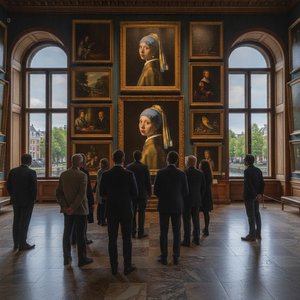
25 Must-See Masterpieces at the Mauritshuis: A Journey Through Dutch Golden Age Art
Step into the Dutch Golden Age with our curated guide to the 25 greatest masterpieces at the Mauritshuis. From Vermeer’s luminous light to Rembrandt’s drama, explore the stories behind these iconic works and find museum-quality art reproductions. Discover all masterpieces on OriginalUniqueArt.com.

Golden Light & Dutch Skies: The Timeless Magic of Dutch Golden Age Landscapes
Discover the breathtaking beauty of Dutch Golden Age landscapes. Explore the mastery of light, chiaroscuro, and 17th-century realism through an expert art history lens, celebrating the enduring legacy of the Dutch Masters for discerning collectors and art lovers.

25 Must-See Masterpieces at the Mauritshuis: A Journey Through Dutch Golden Age Art
Step into the Dutch Golden Age with our curated guide to the 25 greatest masterpieces at the Mauritshuis. From Vermeer’s luminous light to Rembrandt’s drama, explore the stories behind these iconic works and find museum-quality art inspiration. Discover all masterpieces on OriginalUniqueArt.com.

25 Must-See Masterpieces at the Mauritshuis: A Journey Through Dutch Golden Age Art
Step into the Dutch Golden Age with our curated guide to 25 iconic masterpieces from the Mauritshuis. From Vermeer’s luminous light to Rembrandt’s drama, explore the stories behind these timeless works and find museum-quality art inspiration. Discover all masterpieces on OriginalUniqueArt.com.