

 Esikatselu
 Jaa
Jaa Jaa
Jaa
 Tarkemmat tiedot

 Lataa
Lataa
 Samanlaisia
 Röntgenkuva
 Diaesitys
Untitled
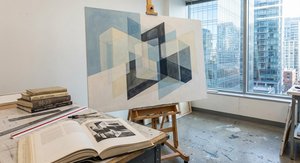
 Geometric Abstraction
 51.0 x 58.0 cm
 Michael C. Carlos Museum
 Näytä lisää
Giclée-printit ja taideprintit
Museolaatuisia giclée- tai kankaitaulun tulosteita nopealla tuotannolla ja joustavilla viimeistelyvaihtoehdoilla. ( Osta käsintehty maalaus Osta kuva)




































Valitse valmiista mitoistamme sellaiset, jotka vastaavat teoksen alkuperäisiä mittasuhteita.

Voit syöttää omat mitat sopiaksesi tiettyyn kehykseen tai tilaan. Jos valittu koko ei vastaa alkuperäisen kuvan mittasuhteita, rajaamme teosta tai laajennamme kuvaa peilatulla tai yhtenäisellä reunalla. Digitaalinen mallikuva lähetetään hyväksyttäväksi ennen tuotannon aloittamista.
Huomaathan, että näytöllä näkyvä esikatselu ei vastaa lopullista rajausta tai laajennusta. Vain mallikuva näyttää lopullisen sommittelun tarkasti.
Vaikka räätälöityjä kokoja on saatavilla, suosittelemme valitsemaan mitat valmiista listasta alkuperäisten mittasuhteiden säilyttämiseksi.
Toimitus maailmanlaajuisesti () kahdessa viikossa tavallisen 4–5 viikon sijaan. (23 elokuu)

Ilmainen pikatoimitus ympäri maailman

Korkealaatuinen pellavakangas

Kattava kuljetusvakuutus

Tulliveron palautustakuu

Täydellinen värien vastaavuustakuu

60 päivän palautusoikeus (vain valmistusvirheet)

100% rahat takaisin -takuu

Määräalennus tarjous
 Lasivaihtoehto on saatavilla vain alle 110 cm kokoisina teoksina

Untitled
Giclée-printit ja taideprintit
Replikaatin koko
-


Kokonaishinta
$ 80
Taiteilijan elämäkerta
A Synthesis of European Vision and Yoruba Spirit
Adunni Olorisha, born Susanne Wenger, remains one of the most singular and transformative figures in twentieth-century art. An Austrian-Nigerian artist whose life was a profound bridge between continents, she possessed the rare ability to weave Western aesthetic sensibilities with the deep, rhythmic traditions of Yoruba spirituality. Born in Graz, Austria, on July 4, 1915, her early years were shaped by an innate connection to the natural world and a scholarly fascination with folklore and mythology. This intellectual foundation, nurtured through studies in comparative religion at Graz University, would later serve as the spiritual compass for her creative journey across the Atlantic.
Her relocation to Nigeria in 1952 marked more than a mere change in geography; it was a profound artistic awakening. Arriving in Osogbo alongside her husband, the scholar Ulli Beier, Wenger found herself immersed in a landscape where the boundaries between the physical and the divine were perpetually fluid. This immersion sparked a creative explosion that transcended traditional medium boundaries. As she embraced the identity of a Yoruba priestess, her art evolved from the formal training she received at the College for Arts and Crafts in Graz and the Vienna Academy of Art into a powerful, symbolic language that spoke to the very soul of the Orishas.
The Sacred Art Movement and the Osun Grove
Wenger’s most enduring legacy lies in her role as the driving force behind the Sacred Art Movement. Rather than working in isolation, she sought to foster a collective spirit, establishing an artist cooperative within Osogbo that empowered local masters of clay, cement, and woodcarving. Together with artists such as Kasali Akangbe and Adebisi Akanji, she embarked on the monumental task of revitalizing the Osun-Osogbo Sacred Grove. This was not merely a sculptural endeavor but an act of cultural preservation and spiritual restoration.
Through her leadership, the grove was transformed into a living gallery of monumental structures and sculptures that honored the deities of Yoruba cosmology. Her work in this period was characterized by:
- Architectural Harmony: Creating installations that felt like organic extensions of the forest itself.
- Symbolic Depth: Utilizing geometric abstraction and intricate patterns to evoke the multifaceted nature of the Orishas.
- Collaborative Mastery: Blending her knowledge of ancient fresco techniques with indigenous Nigerian sculptural traditions.
Her tireless advocacy was instrumental in securing governmental recognition for the grove’s preservation in 1965, a mission that eventually led to its designation as a UNESCO World Heritage Site in 1979. This achievement cemented her status as a global champion of cultural heritage, ensuring that the sacred landscape would remain a sanctuary for both nature and spirit.
A Legacy of Cultural Convergence
The artistry of Adunni Olorisha is defined by its refusal to adhere to a single tradition. Whether through her paintings, such as the evocative Palms of Destiny, or her large-scale environmental installations, her work remains a testament to the power of cultural synthesis. Her style—a captivating blend of European geometric abstraction and the earthy, textured vitality of African motifs—serves as a visual dialogue between two worlds. She did not merely observe Yoruba culture; she became an integral part of its living history, contributing to both its visual landscape and its literature.
In recognition of her immense contributions to Nigerian society and the arts, the Nigerian government honored her in 2008 as a Member of the Order of the Federal Republic (MFR). Today, the works of Adunni Olorisha continue to resonate with those who seek art that transcends the gallery walls. Her life remains an inspiring narrative of how an artist can move beyond the boundaries of their birth to find a true home in the spiritual and creative heartbeat of another culture, leaving behind a legacy that is as enduring as the sacred groves she fought so fiercely to protect.

adunni olorisha
1915 - 2009 , Austria
Pikatiedot
- Artistic Movement Or Style: Yoruba sculpture
- Date Of Birth: July 4, 1915
- Date Of Death: January 12, 2009
- Full Name: Adunni Olorisha (Susanne Wenger)
- Nationality: Austrian-Nigerian
- Notable Artworks:
- Untitled
- Palms of Destiny
- Place Of Birth: Graz, Austria
Liittyvät artikkelit

Geometrisen abstraktion mestariteokset: Taidetta kotiin OriginalUniqueArtilta
Tutustu geometrisen abstraktion 10 mestariteokseen! Piet Mondrian, Kandinsky ja muut taiteilijat muovasivat modernin taiteen historiaa. Löydä inspiraatiota kotiisi OriginalUniqueArtilta – laadukkaat taideprintit ja sisustusehdotukset odottavat. Tutki kokoelma verkossa!

Neo-Abstract Art: The High-Impact Evolution of Modern Visual Energy and Geometric Sophistication
Discover the power of Neo-Abstract art. Explore how bold geometric forms and high-impact visual energy are redefining modern design. Learn to curate sophisticated, high-energy spaces with the latest trends in contemporary abstraction and structural color.

Beyond Form & Color: Geometric Abstraction's Evolution in 20th/21st Century Art
Explore the evolution of geometric abstraction from Cubism to contemporary art. Discover key artists like Malevich & Mondrian, investment insights, and expert collecting advice at OriginalUniqueArt.
Beyond Form & Color: Geometric Abstraction's Enduring Legacy in Art History
Explore the captivating world of geometric abstraction! Discover its origins, key artists like Malevich & Mondrian, and why this movement remains highly valued by art collectors today. Expert insights at OriginalUniqueArt.

Wassily Kandinskin 25 mestariteosta: Värien ja muodon syvä maailma | OriginalUniqueArt
Tutustu Wassily Kandinskin 25 vaikuttavinta teosta! Uppoudu abstraktin taiteen maailmaan, värien symboliikkaan ja modernin ekspressionismin historiaan. Löydä inspiraatiota kodin sisustukseen OriginalUniqueArt.com:ista – laadukkaat taideprintit ja reproduktiot.

