

 Katso seinällä
 Lähetä
 Jaa
Jaa
 Tarkemmat tiedot
 Opas
Opas

 Lataa kuva
 Samanlaisia kohteita
 Röntgenkuvaus
 Diaesitys
 Tilastot
Signs


 Lue lisää
Tällä sivulla esitettyä taideteosta suojaa tekijänoikeuslaki, mikä tarkoittaa, ettemme voi laillisesti luoda tai myydä täsmälleen samanlaista jäljennöstä. Tämä suoja toteutetaan kansainvälisten sopimusten, kuten esimerkiksi Berne-konventio ja kansallisilla laeilla, mukaan lukien niillä määritellyt Yhdysvaltain tekijänoikeuslaki – Luku 17. Kaikki oikeudet pidätetään. Luvaton kopiointi tai jäljittely on kielletty.
Kunnioittavana ja laillisena vaihtoehtona tarjoamme alkuperäisestä inspiroituneita, yksilöllisiä ja käsinmaalattuja taideteoksia. Taitavat ja ammattimaiset taiteilijamme tutkivat huolellisesti alkuperäisen teoksen tyyliä, tunnelmaa ja taiteellista ydintä luodakseen uuden, ainutlaatuisen teoksen, joka herättää saman tunteen – säilyttäen samalla oman itsenäisen alkuperäisyytensä.
Tämä menetelmä noudattaa täysin tekijänoikeussäännöksiä, sillä se ei sisällä suojatun taideteoksen kopioimista tai jäljentämistä. Sen sijaan kyseessä on luova uudelleentulkinta – uusi maalaus, joka ammentaa vaikutteita alkuperäisestä, mutta ei ole sen identtinen kopio.
Käsinmaalattu öljyvärinen jäljennös
Käsinmaalattu öljyväri kankaalle haluamassasi koossa ja kehyksissä, taiteilijoidemme valmistamana tilauksesta. ( Vaihda tulosteeseen Siirry digitaaliseen kuvaan)




P118B €10

P118H €10

P118W €10

P438Z €10

P508JH €12

P508YH €12

P805H €10

P805Z €10

P919BZ €10

P919G €10

P919XJ €10

P959ZH €10

P968JZ €12

W106C €8

W218G €10

W218JH €8

W218Y €10

W307PJ €10

W316G €10

W316PJ €8

W316Y €10

W398PJ €8

W4111J €10

W500HY €15

W500JH €15

W692G €12

W849H €8

W940BG €15

W953PJ €8




Valitse valmiista mitoistamme sellaiset, jotka vastaavat teoksen alkuperäisiä mittasuhteita.

Voit syöttää omat mitat sopimaan tiettyyn kehykseen tai tilaan. Jos valitsemasi koko ei vastaa alkuperäisen kuvan mittasuhteita, rajaamme taideteoksen tai jatkamme maalausta käsin maalatuilla elementeillä. Digitaalinen esikatselu lähetetään hyväksyttäväksi ennen tuotannon aloittamista.
Huomioithan, että näytöllä oleva esikatselu ei vastaa todellista rajausta tai jatkamista. Vain digitaalinen mallikuva näyttää lopullisen sommittelun tarkasti.
Vaikka mittatilaustyöt ovat mahdollisia, suosittelemme valitsemaan mitan ennalta määritetystä listasta alkuperäisten mittasuhteiden säilyttämiseksi.
Tilauksen jälkeen OriginalUniqueArt.com -tiimi lähettää asiakkaalle sähköpostitse ohjeet ja esikatselukuvan.
Maailmanlaajuinen toimitus () 3–4 viikossa tavallisen 5 viikon sijaan. (13 lokakuu). Laadusta ei tingitä.

Ilmainen pikatoimitus ympäri maailman

Korkealaatuinen pellavakangas

Kattava kuljetusvakuutus

Tulliveron palautustakuu

Takuu täydellisestä värien vastaavuudesta

100 päivän palautusoikeus valmistusvirhetapauksissa

100% rahat takaisin -takuu

Määräalennus saatavilla
 Lasivaihtoehto on saatavilla vain alle 110 cm kokoisille teoksille

Signs
Reproduktiotapa
Replikaatin koko
-


Kokonaishinta
€ 260
Taiteilijan elämäkerta
A Pioneer of Abstract Expressionism: The Life and Art of Adolph Gottlieb
Adolph Gottlieb, born in New York City in 1903, emerged as a pivotal figure in the burgeoning landscape of American Abstract Expressionism. His journey was one of constant exploration—a relentless pursuit to distill universal human experiences into a visual language that resonated with both ancient symbolism and modern anxieties. Growing up as the son of Jewish immigrants, Gottlieb’s early life instilled within him a sensitivity to cultural displacement and the search for meaning in a rapidly changing world, themes that would profoundly shape his artistic vision. He received foundational training at the Art Students League and Parsons The New School for Design, but it was his subsequent travels through Europe during the 1920s that truly ignited his aesthetic sensibilities. Immersing himself in the art and philosophies of Germany and France, he absorbed influences from Constructivism and Surrealism, laying the groundwork for his future innovations.Early Influences and Artistic Formation
Gottlieb’s formative years were marked by exposure to European avant-garde movements—particularly Surrealism—which challenged traditional artistic conventions and championed subconscious exploration. He was captivated by artists like Giorgio Morandi and Ernst Ludwig Kirchner, whose works conveyed a profound sense of melancholy and alienation—feelings that mirrored Gottlieb's own preoccupation with existential questions. His initial artistic endeavors focused on representational painting, depicting landscapes and portraits with meticulous detail. However, he quickly recognized the limitations of portraying reality faithfully and sought to express deeper emotional truths through abstraction. This transition wasn’t merely stylistic; it represented a fundamental shift in his worldview—a conviction that art could communicate ideas beyond the confines of visual perception.The Founding of “The Ten” and Collaborative Experimentation
A crucial turning point arrived in 1935 when Gottlieb joined forces with artists like Mark Rothko, John D. Graham, Franz Kline, Barnett Newman, Clyfford Still, Lester Thomson, William Lehrer, George Tooker Lea, Harold Rosenberg, and Philip Guston to form “The Ten,” later known as the New York Artists Painters group. This collective was instrumental in establishing a distinctly American voice within the international art scene, challenging European dominance and fostering a spirit of experimentation. Recognizing that artistic breakthroughs often occur through collaborative dialogue, Gottlieb embraced the challenges posed by working alongside fellow artists—a practice that encouraged him to push boundaries and explore new approaches to abstraction. The group’s discussions centered on philosophical concepts and psychological theories—influences that would permeate Gottlieb's subsequent work.The Impact of the Federal Art Project and Arizona Landscapes
During the Great Depression, Gottlieb benefited from initiatives like the Federal Art Project, securing funding for his artistic endeavors and allowing him to engage in ambitious projects. This period coincided with a transformative experience: Gottlieb spent time in Arizona between 1937-1938—a journey that profoundly impacted his artistic sensibilities. The stark landscapes of the American Southwest captivated him—particularly the ancient Native American rock art sites—inspiring him to investigate primal symbolism and explore the relationship between human consciousness and the natural world. He sought to capture not merely the visual appearance of the desert, but its emotional resonance—a sense of vastness, isolation, and spiritual power. This fascination with archetypal imagery would become a recurring motif in his paintings throughout his career.The Pictographs Series: Symbolism and Universal Themes
Gottlieb’s most celebrated series, *Pictographs* (1940-1947), exemplifies this commitment to exploring universal themes through abstraction. These paintings feature geometric shapes—primarily rectangles and squares—arranged in horizontal bands, reminiscent of ancient hieroglyphs or tribal markings. He deliberately drew inspiration from diverse sources—classical mythology, Amerindian art, African motifs—creating a compelling dialogue between modernity and ancient traditions. The *Pictographs* weren’t merely abstract compositions; they were attempts to tap into archetypes—symbols representing fundamental human experiences—such as birth, death, and transformation. Gottlieb's meticulous attention to detail—particularly the subtle variations in color and texture—served to heighten the paintings’ emotional impact. He believed that abstraction could convey profound truths about the human condition without resorting to representational imagery.Legacy and Enduring Influence
Throughout his prolific career, Adolph Gottlieb exhibited widely in both the United States and Europe, garnering critical acclaim for his innovative approach to abstract painting. His work is now represented in major museum collections worldwide—including the Museum of Modern Art (MoMA) in New York City and the Tate Modern in London—a testament to its enduring power and influence. He received numerous awards and accolades, solidifying his place as one of the most significant abstract painters of the 20th century. Gottlieb’s legacy extends beyond his individual paintings; he played a vital role in shaping the landscape of postwar American art, paving the way for future generations of artists to explore abstraction, symbolism, and cultural influences. His unwavering dedication to conveying universal human experiences through a uniquely American lens cemented his place as one of the most influential figures in Abstract Expressionism—a movement that continues to inspire artists today.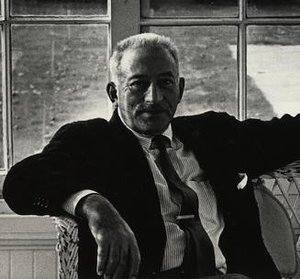
Adolph Gottlieb
1903 - 1974 , Yhdysvallat
Tietoa taiteilijasta
- Artistic Movement Or Style: Abstrakti ekspressionismi
- Artists Who Influenced This Artist:
- Konstruktivismi
- Surrealismi
- Date Of Birth: March 14, 1903
- Full Name: Adolph Gottlieb
- Nationality: Amerikanainen
- Notable Artworks:
- Pictographs
- Burst Paintings
- Signs
- Untitled (881)
- Place Of Birth: New York City, USA
Aiheeseen liittyvät artikkelit
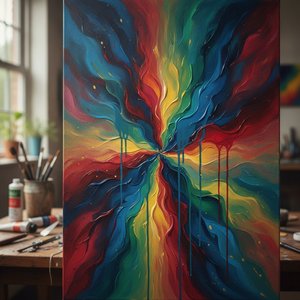
Lyrical Abstraction: The Emotional Power of Color and Form in Modern Art History
Explore the profound emotional depth of Lyrical Abstraction. Discover how masters like Raymond Parker used color and form to bridge Impressionism and Abstract Expressionism. Learn about this pivotal movement through our expert-led art history guide.

Wassily Kandinskin 25 mestariteosta: Värien ja muodon syvä maailma | OriginalUniqueArt
Tutustu Wassily Kandinskin 25 vaikuttavinta teosta! Uppoudu abstraktin taiteen maailmaan, värien symboliikkaan ja modernin ekspressionismin historiaan. Löydä inspiraatiota kodin sisustukseen OriginalUniqueArt.com:ista – laadukkaat taideprintit ja reproduktiot.
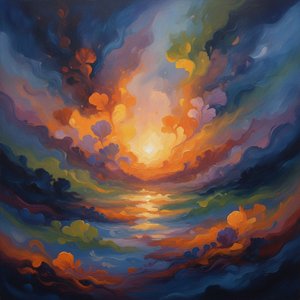
The Soul of Color: A Journey into the Emotional Resonance of Lyrical Abstraction
Embark on a cultural journey through Lyrical Abstraction. Explore how masters like Kandinsky used color and motion to translate emotion into visual poetry. Discover the profound beauty of abstract expressionism and learn to curate emotional resonance in your own art collection.

Abstraktin ekspressionismin mestariteokset: Taidetta ja inspiraatiota kotiisi
Tutustu abstraktin ekspressionismin 10 mestariteokseen! Jackson Pollock, Mark Rothko ja muut taiteilijat inspiroivat tunteellisuudellaan. Löydä upeita taidemaalauksia kotiisi OriginalUniqueArt.comista – museolaatuista laatua ja sisustusehdotuksia.

Geometrisen abstraktion mestariteokset: Taidetta kotiin OriginalUniqueArtilta
Tutustu geometrisen abstraktion 10 mestariteokseen! Piet Mondrian, Kandinsky ja muut taiteilijat muovasivat modernin taiteen historiaa. Löydä inspiraatiota kotiisi OriginalUniqueArtilta – laadukkaat taideprintit ja sisustusehdotukset odottavat. Tutki kokoelma verkossa!