

Kivi ja kambda sisse graveeritud pärand
Staatliche Kunsthalle Karlsruhe seisab sügavana Euroopa seitsenda sajandi kunstilise püüdlemise kui tunnistus, toimides kultuuripärandi säravate tuletena Saksamaa südames. See on olnud palju rohkem kui lihtsalt meistriteostega täidetud hoiust; see pakub uputavat teekonda läbi aja, kus Renessensi tö workshopsid kaja annavad koos impressionistlike maastikude vibratil ja lennukatest pintoonitustest. Institutsiooni struktuur ise räägib tema suuremast ambitsioonist; looma visionäärne arhitekt Heinrich Hübsch kavandas selle kui Gesamtkunstwerk —ühtse kunstiteose—kus arhitektuur, skulptuur ja maalid sulanduvad ühtseks, harmooniliseks tervikuks.
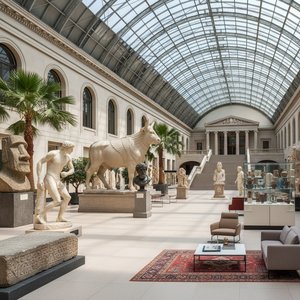
Sisse astumine on sarnane üheks ajaks ajas kinni jäänud üheks tuhandesa sadaks üheks sajandi galeriiga, pakkudes autentset atmosfääri, mida kaasaegsetes ruumides harv kohtab. Kuna hoone on pärast selle valmimist aastal 1846 säilinud imetlusväärselt, ei ole selle uusklassiline disain pelgalt kunstipind, vaid aktiivne osaleja vaatamiskogemuses. Hübschi sümmeetriline fassaad, elegantsed sambad ja hoolikalt proportsioneeritud galeriid loovad koru ja ilu tunnet, mis täiendab seal asuvaid meistriteoseid. Siseala paigutus, mis on peaaegu muutumatu alustest saati, peegeldab möödunud ajastu kuraatorlikke praktikaid, pakkudes külastajatele ainulaadset vaadet sellele, kuidas kunagi ajal kunsti esitati ja väärtustati.
Meistriteoste ja kunstilise evolutsiooni kanga
Nendes pühendatud seinte all uhkub kollektsioon, mis on märkimisväärselt mitmekülgine ja kõnetab igat kunstilist tundlikkust. Teekond algab keskaaja ja Renessensi tööde õrnuse ja iluga, pakkudes pilguid Euroopa kunsti loomisprotsessi algusaegadesse. Siin kohtab inim saksa hiiglite sügavust, nagu Albrecht Dürer , kelle täpsed graveeringud võlustavad ka tänapäeva vaatajat, ning Matthias Grünewald , kes on kuulus oma emotsionaalselt laadneudud altaripaindide poolest. See ajalooline narratiiv liigub edasi hollandi baroki draamatilisse maailma, kus meistrid nagu Rembrandt kasutavad chiaroscuro't (valgus-varjund), et lisada portretimeediale ja stillelife'idele võrratu sügavus ja psühholoogiline keerukus.
Valguse ja värvi armastajatele pakub institutsioon väljavalitud üheksندا sajandi Prantsuse maalidust, võimaldades külastajatel jälgida modernuse arengut mitme legendaarse isiku murdilisteks eksperimentideks muutunud teel:
- Manet , kelle teosed nagu Nana tabutasid Pariisi elu provokatiivset olemust.
- Degas , keda nähendatakse intiimsetes teostes nagu Madame Jeantaudi portret , mis navigeerib meisterlikult realismi ja impressionistliku tundlikkuse vahel.
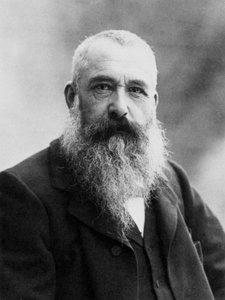
- Monet, Pissarro, Renoir, Cézanne ja Gauguin , kelle pintoonitused redefineerisid maastiku ja valguse tajumist.
See, mis tõeliselt eristab Staatliche Kunsthalle Karlsruhet , on ajaloolise süvenemise ja spetsialiseeritud fookuse unikaalne liit. Kuigi institutsioon embraced rahvusvahelisi mõjud suure sofistikatsiooniga, jääb see sügavalt juurdunuks oma pühendumusest saksa kunsti rikkale pärandile. See on esiklassiline sihtkoht kunstihistoristidele, kes jälivad impressionismi juuri, zeeserendajatele, kes otsivad inspiratsiooni vanadest meistritest, ning interjööri disaineritele, kes otsivad uusklassilise harmoonia ajatut elegantsi.