Koloman Moser portree

100 kulubumatamatumat Koloman Moser maalist, millist on vaid üks

Uuendatud november 2026 · järjestatud meie populaarsusindeksi järgi (otsingud, külastused ja tellimused igale teosele) · 189 teost Koloman Moser meie kataloogis

Lühidalt

Dance of the Wreath-Bearing Maidens (1898) on Koloman Moser maalide kõige silmapaistvam teos; originaal kuulub museumi Secession, Viin. Pärast seda suunatakse pilk Poster of the Beethoven sonatas evening (1908) ja Drafts for the exlibris for Fritz Waerndorfer (1903) suunas. Meie kataloogis olevatest Koloman Moser 189 teosest on need 100 kõige kuulsumat, millist igaüks on esitatud koos aasta, muuseumi ja põhjusega, miks teos on püsiv.

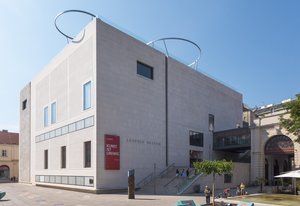
1868 – 1918, Viin Art nouveau Enamama teoseid: Leopold Museum

Koloman Moser top 10 maalist galeriist vaatenurgast

1
Dance of the Wreath-Bearing Maidens (1898) autor Koloman Moser

Dance of the Wreath-Bearing Maidens

1898 · Black and White Photography · Secession, Viin

In this work, titled Dance of the Wreath-Bearing Maidens, Koloman Moser presents an architectural scene that centers on a large, imposing structure. The composition is anchored by this building, which is likely the Secession Building located in Vienna, Austria. The structure is defined by a prominent roofline and a series of decorative elements that frame its entrances. Through the use of columns and arches, the architecture gains a sense of…

2
Poster of the Beethoven sonatas evening (1908) autor Koloman Moser

Poster of the Beethoven sonatas evening

1908 · Print

The Poster of the Beethoven sonatas evening by Koloman Moser emerges from 1908, a moment when the air in Vienna pulses with new artistic energy. This graphic work functions as a visual invitation to a specific musical encounter. It announces an evening dedicated to the profound compositions of Ludwig van Beethoven, inviting the viewer to witness the power of his sonatas through a modern lens. The design carries the weight…

3
Drafts for the exlibris for Fritz Waerndorfer (1903) autor Koloman Moser

Drafts for the exlibris for Fritz Waerndorfer

1903 · Ink On Paper

The ink flows across the paper in a rhythmic dance, capturing a moment of transition between thought and final form. In this 1903 draft for an exlibris, the lines possess a liquid quality, winding around figures with an organic grace that feels alive. Three women emerge from the composition, their bodies elongated and poised in a way that suggests a dreamlike elegance. One figure wears a crown, her presence lending…

4
Semmering Landscape autor Koloman Moser

Semmering Landscape

Oil On Canvas

The landscape of the Semmering region finds a quiet, symbolic expression in this work. Mountains rise against a sky saturated with purple hues, while a rising sun casts a warm glow over the peaks. Scattered trees provide texture and depth to the composition, grounding the ethereal light in the physical reality of the terrain. Two figures are positioned within the scene—one near the center and another toward the right—offering a…

5
Loneliness (1902) autor Koloman Moser

Loneliness

1902 · Watercolor

In Loneliness, Koloman Moser explores a quiet, introspective moment through the medium of watercolor. Created about 1902, this work reflects the sensibilities of the Art Nouveau style, focusing on a singular, solitary figure. A man stands beneath a tree, his head partially obscured by the foliage, creating a sense of withdrawal from the world around him. This choice of posture suggests a deep internal focus, a retreat into the self…

6
Figure study of Tristan (1915) autor Koloman Moser

Figure study of Tristan

1915 · Drawing

The scene unfolds through a black and white drawing titled Figure study of Tristan. Created by Koloman Moser, this work captures a singular, quiet moment of preparation. The artist’s hand moves across the paper to document the human form, focusing on the physical presence of the subject. It is a study of light and shadow, stripped of color to emphasize the raw essence of the figure.

7
Poster for 'Prince Richard Metternich' (1899) autor Koloman Moser

Poster for 'Prince Richard Metternich'

1899 · Print

In this 1899 composition, we find ourselves observing a moment of suspended motion. A single figure, draped in a flowing blue dress, appears to drift through a serene sky. There is a sense of weightlessness here, as if the subject is caught in a dance or perhaps a flight between the clouds. The lines are not merely outlines; they are sinuous, organic curves that define the movement of the fabric…

8
Self Portrait in Colonial Dress (1910) autor Koloman Moser

Self Portrait in Colonial Dress

1910 · Watercolor · Kunsthistorisches Museum, Viin

The painting depicts a man with a mustache wearing a suit and tie, appearing to look directly at the viewer while seated. His attire is suggestive of colonial clothing. The man's facial features and outfit are rendered with significant detail. The background is somewhat blurry, depicting an indoor setting that includes two chairs, one on the left side and another toward the right, and a bowl located near the bottom…

9
Sketch for a poster of the Vienna Workshop (1904) autor Koloman Moser

Sketch for a poster of the Vienna Workshop

1904 · Paper

Sketch for a poster of the Vienna Workshop, created in 1904, is a work by the Austrian artist Koloman Moser. This piece emerged during a period of significant transformation in the Viennese art scene, reflecting the shifting aesthetics of the turn of the century.

10
Am Steinhof Church, Design for the rise window (1905) autor Koloman Moser

Am Steinhof Church, Design for the rise window

1905 · Gouache

The design for the rise window of Am Steinhof Church emerges from the creative mind of Koloman Moser. Created about 1905, this work captures a moment of intense artistic focus. Moser, who was born in Vienna, Austria-Hungary in 1868, brings a specific vision to this ecclesiastical design. His hand moves through the intricate patterns that define the window's structure.

Koloman Moser kuulsad maalid, numbrid 11 kuni 100

11The Rax (1912) autor Koloman MoserThe Rax1912 · Leopold Museum 12Franz Dangl in Uniform (1891) autor Koloman MoserFranz Dangl in Uniform1891 13Inlaid Eisler-Terramare Armoire (1903) autor Koloman MoserInlaid Eisler-Terramare Armoire1903 · Leopold Museum 14Wreath bearer. Design for decorative facade of the Viennese Secession. (1897) autor Koloman MoserWreath bearer. Design for decorative facade of the Viennese Secession.1897 15Cover design for Meggendorfer leaves (1895) autor Koloman MoserCover design for Meggendorfer leaves1895 16Profile of a girl. Preparatory work for a decorative stain in red and green. (1897) autor Koloman MoserProfile of a girl. Preparatory work for a decorative stain in red and green.1897 17Mermaid. Illustration for Jugendschatz German seals. (1896) autor Koloman MoserMermaid. Illustration for Jugendschatz German seals.1896 18Reproduction template for the leaf for Gerlach's love allegories. New Series, Plate 35 (1895) autor Koloman MoserReproduction template for the leaf for Gerlach's love allegories. New Series, Plate 351895 19A modern Tantalus. Illustration for 'Meggendorfer leaves'. (1895) autor Koloman MoserA modern Tantalus. Illustration for 'Meggendorfer leaves'.1895 20Happy editing. Illustration with self-portrait. (1895) autor Koloman MoserHappy editing. Illustration with self-portrait.1895 21The sketch of the round window art (1897) autor Koloman MoserThe sketch of the round window art1897 22‘Surface Decoration,’ Cover (1902) autor Koloman Moser‘Surface Decoration,’ Cover1902 · Harvard Art Museums 23Picture book for the niece of Ditha Mautner von Markhof (1904) autor Koloman MoserPicture book for the niece of Ditha Mautner von Markhof1904 24Poster for the XIII. Secession (1902) autor Koloman MoserPoster for the XIII. Secession1902 25Elisabeth Steindl, Niece of the Artist (1910) autor Koloman MoserElisabeth Steindl, Niece of the Artist1910 26Charlotte Moser, Sister of the Artist (1910) autor Koloman MoserCharlotte Moser, Sister of the Artist1910 27Rudolf Steindl, Brother-in-law of the Artist (1910) autor Koloman MoserRudolf Steindl, Brother-in-law of the Artist1910 28Portrait of the painter Carl Otto Czeschka (1909) autor Koloman MoserPortrait of the painter Carl Otto Czeschka1909 29Postcard with Emperor Franz Josef (1908) autor Koloman MoserPostcard with Emperor Franz Josef1908 30Catalogue of the Austrian Exhibition in London (1906) autor Koloman MoserCatalogue of the Austrian Exhibition in London1906 31Design for the bill of 50 crowns (1911) autor Koloman MoserDesign for the bill of 50 crowns1911 32Self-Portrait (1915) autor Koloman MoserSelf-Portrait1915 33Venus in the Grotto (1914) autor Koloman MoserVenus in the Grotto1914 · Leopold Museum 34The Wayfarer (1914) autor Koloman MoserThe Wayfarer1914 · Leopold Museum 35Stamp Design for Emperor Charles I (not accepted) (1917) autor Koloman MoserStamp Design for Emperor Charles I (not accepted)1917 36Reclining Female Nude (Mileva Roller) (1912) autor Koloman MoserReclining Female Nude (Mileva Roller)1912 37Three women squatting (1914) autor Koloman MoserThree women squatting1914 38Kolo middle Dolomites (1912) autor Koloman MoserKolo middle Dolomites1912 39Loïe Fuller in the Dance (1902) autor Koloman MoserLoïe Fuller in the Dance1902 · Albertina 40Decorative Fabric [“Bird Bülow”] (1900) autor Koloman MoserDecorative Fabric [“Bird Bülow”]1900 · MAK – Kunsti ja Tööstusmuseum 41Animal motif for a picture book (1904) autor Koloman MoserAnimal motif for a picture book1904 42Marigolds (1909) autor Koloman MoserMarigolds1909 · Leopold Museum 43Steinhoch church in Vienna autor Koloman MoserSteinhoch church in Vienna 44Study for The Wanderer (1914) autor Koloman MoserStudy for The Wanderer1914 45Illustration for the Viennese fashion magazine (1890) autor Koloman MoserIllustration for the Viennese fashion magazine1890 46Male Nude Study (1888) autor Koloman MoserMale Nude Study1888 47Ver Sacrum (1898) autor Koloman MoserVer Sacrum1898 48Draft of the emblem by the Association of Austrian Artists Secession (1897) autor Koloman MoserDraft of the emblem by the Association of Austrian Artists Secession1897 49Allegory of Ver Sacrum, sketch of illustration to Ver Sacrum, 101 1898, p.1 (1897) autor Koloman MoserAllegory of Ver Sacrum, sketch of illustration to Ver Sacrum, 101 1898, p.11897 50Vignettes for the catalog Secessionausstellung, 1898 (1898) autor Koloman MoserVignettes for the catalog Secessionausstellung, 18981898 51Waidmannsheil (1896) autor Koloman MoserWaidmannsheil1896 52Laurel wreath (1897) autor Koloman MoserLaurel wreath1897 53Serpentine dancer. Poster design for Lois Fuller. (1895) autor Koloman MoserSerpentine dancer. Poster design for Lois Fuller.1895 54Landscape with Tree (1896) autor Koloman MoserLandscape with Tree1896 55A decorative stain in red and green (1897) autor Koloman MoserA decorative stain in red and green1897 56Pisces (1904) autor Koloman MoserPisces1904 57Postcard to Carl Moll, Ver Sacrum (1897) autor Koloman MoserPostcard to Carl Moll, Ver Sacrum1897 58Spring morning (1896) autor Koloman MoserSpring morning1896 59Girls in henhouse (1897) autor Koloman MoserGirls in henhouse1897 60A decorative stain in red and green (1898) autor Koloman MoserA decorative stain in red and green1898 61Sketch of emblem to 'Ver Sacrum' (1898) autor Koloman MoserSketch of emblem to 'Ver Sacrum'1898 62Square vignette (1896) autor Koloman MoserSquare vignette1896 63Rudolf Steindl, a brother of the artist (1895) autor Koloman MoserRudolf Steindl, a brother of the artist1895 64Iris. Illustration to a poem by Arno Holz. (1898) autor Koloman MoserIris. Illustration to a poem by Arno Holz.1898 65Girl in rose (1898) autor Koloman MoserGirl in rose1898 66Pieta (1895) autor Koloman MoserPieta1895 67'The Rich Catch of Fish' Armchair (1900) autor Koloman Moser'The Rich Catch of Fish' Armchair1900 · Los Angeles County Museum of Art 68Sketches for Eisler Terramare High Chair (1903) autor Koloman MoserSketches for Eisler Terramare High Chair1903 69Purkersdorf Sanatorium Armchair (1903) autor Koloman MoserPurkersdorf Sanatorium Armchair1903 70Lacquered Wood Chair (1905) autor Koloman MoserLacquered Wood Chair1905 71Designs for silver brooches (1904) autor Koloman MoserDesigns for silver brooches1904 72Picture book for the niece of Ditha Mautner von Markhof (1904) autor Koloman MoserPicture book for the niece of Ditha Mautner von Markhof1904 73Picture book for the niece of Ditha Mautner von Markhof (1904) autor Koloman MoserPicture book for the niece of Ditha Mautner von Markhof1904 74Picture book for the niece of Ditha Mautner von Markhof (1904) autor Koloman MoserPicture book for the niece of Ditha Mautner von Markhof1904 75Picture book for the niece of Ditha Mautner von Markhof (1904) autor Koloman MoserPicture book for the niece of Ditha Mautner von Markhof1904 76Picture book for the niece of Ditha Mautner von Markhof (1904) autor Koloman MoserPicture book for the niece of Ditha Mautner von Markhof1904 77Picture book for the niece of Ditha Mautner von Markhof (1904) autor Koloman MoserPicture book for the niece of Ditha Mautner von Markhof1904 78Am Steinhof Church, Design for the right side altar Guardian Angel (1904) autor Koloman MoserAm Steinhof Church, Design for the right side altar Guardian Angel1904 79Picture book for the niece of Ditha Mautner von Markhof (1904) autor Koloman MoserPicture book for the niece of Ditha Mautner von Markhof1904 80Am Steinhof Church, Design for the left side altar Our Lady of Mercy (1904) autor Koloman MoserAm Steinhof Church, Design for the left side altar Our Lady of Mercy1904 81Picture book for the niece of Ditha Mautner von Markhof (1904) autor Koloman MoserPicture book for the niece of Ditha Mautner von Markhof1904 82Picture book for the niece of Ditha Mautner von Markhof (1904) autor Koloman MoserPicture book for the niece of Ditha Mautner von Markhof1904 83Church Am Steinhof, drawing of the angel in the left side window (1905) autor Koloman MoserChurch Am Steinhof, drawing of the angel in the left side window1905 84Draft of furniture decoration for the bedroom of the apartment Eisler Terra Mare (1902) autor Koloman MoserDraft of furniture decoration for the bedroom of the apartment Eisler Terra Mare1902 85Draft for wall decoration in the living room of the apartment in Berlin Stonborough (1904) autor Koloman MoserDraft for wall decoration in the living room of the apartment in Berlin Stonborough1904 86Book cover of Austrian art of the XIX. Century (1903) autor Koloman MoserBook cover of Austrian art of the XIX. Century1903 87Exlibris Adele Bloch - Bookplate with princess and frog (1905) autor Koloman MoserExlibris Adele Bloch - Bookplate with princess and frog1905 88Fabric design with moving waves for Backhausen (1902) autor Koloman MoserFabric design with moving waves for Backhausen1902 89Landscape with cloudy sky (1904) autor Koloman MoserLandscape with cloudy sky1904 90Backhausen Interior Texiles (1899) autor Koloman MoserBackhausen Interior Texiles1899 91Fabric design with floral awakening for Backhausen (1900) autor Koloman MoserFabric design with floral awakening for Backhausen1900 92Backhausen Interior Texiles (1899) autor Koloman MoserBackhausen Interior Texiles1899 93Am Steinhof Church, mosaic design for the main altar (1905) autor Koloman MoserAm Steinhof Church, mosaic design for the main altar1905 94Design for the fabric (1902) autor Koloman MoserDesign for the fabric1902 95Design for a Stage Decoration (1901) autor Koloman MoserDesign for a Stage Decoration1901 96Design for the bill of 50 crowns (1902) autor Koloman MoserDesign for the bill of 50 crowns1902 97Drafts for metal relief (1904) autor Koloman MoserDrafts for metal relief1904 98Fabric design with trout dance for Backhausen (1899) autor Koloman MoserFabric design with trout dance for Backhausen1899 99Fabric design with birds for Backhausen (1899) autor Koloman MoserFabric design with birds for Backhausen1899 100Drafts for metal relief (1904) autor Koloman MoserDrafts for metal relief1904

Koloman Moser kuulsaimad maalid ajastult ajastule

Teemad, mis püüdisid Koloman Moser pilma

Neli teemat, mis esinevad neis originaalkindel kõige sagedamini, ning iga teema parim näide.

Muuseumid, kus on säilitatud Koloman Moser originaalteosed

Kümne 7 muuseumi kollektsioonid, mis sisaldavad kõige rohkem sellel lehel esitatud teoseid.

Muuseumid Linn Koloman Moser teosid Selle nimekirja maalid
Leopold Museum, ViinLeopold Museum Viin 6 The Rax, Inlaid Eisler-Terramare Armoire, Venus in the Grotto
Secession, ViinSecession Viin 2 Dance of the Wreath-Bearing Maidens
MAK – Kunsti ja Tööstusmuseum, ViinMAK – Kunsti ja Tööstusmuseum Viin 2 Decorative Fabric [“Bird Bülow”]
Kunsthistorisches Museum, ViinKunsthistorisches Museum Viin 1 Self Portrait in Colonial Dress
Harvard Art Museums, CambridgeHarvard Art Museums Cambridge 1 ‘Surface Decoration,’ Cover
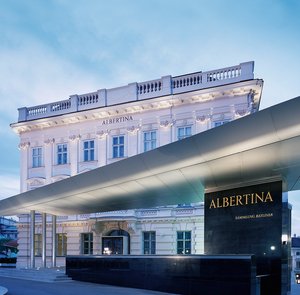
Albertina, ViinAlbertina Viin 1 Loïe Fuller in the Dance
Los Angeles County Museum of Art, Los AngelesLos Angeles County Museum of Art Los Angeles 1 'The Rich Catch of Fish' Armchair

Koloman Moser aastakatega: iga aastakannaga üks unikaalne originaal

Teosed aastakate kaupa

Vali vuosakülg, et näha selle ajastu definieerivat originaalteost.

Koloman Moser maalid: küsimused galeriile

Mis on Koloman Moser kõige kuulsam teos?Paljasta vastus

Dance of the Wreath-Bearing Maidens (1898), Secession, Viin. Järgnevad Poster of the Beethoven sonatas evening (1908) ja Drafts for the exlibris for Fritz Waerndorfer (1903).

Mis vanuses luunud Koloman Moser teos Dance of the Wreath-Bearing Maidens?Paljasta vastus

30 aastat vanus: teos Dance of the Wreath-Bearing Maidens on pärinev aastast 1898 ning Koloman Moser sündis aastal 1868.

Millised on Koloman Moser kümneks kuulsumat maalatist?Paljasta vastus

Dance of the Wreath-Bearing Maidens, Poster of the Beethoven sonatas evening, Drafts for the exlibris for Fritz Waerndorfer, Semmering Landscape, Loneliness, Figure study of Tristan, Poster for 'Prince Richard Metternich', Self Portrait in Colonial Dress, Sketch for a poster of the Vienna Workshop ja Am Steinhof Church, Design for the rise window. Ülemine reiting näitab iga teose puhul aastat ja muuseumi.

Kui palju teoseid kunstniku Koloman Moser kohta on teada?Paljasta vastus

Meie kataloogist leiate 189 teost kunstnikult Koloman Moser, mis on pärinevad ajastust 1888 kuni 1917.

Kust saab näha kõige kuulsamaid Koloman Moser originaalteoseid?Paljasta vastus

Peamiselt Leopold Museum (Viin), Secession (Viin) ja MAK – Kunsti ja Tööstusmuseum (Viin) muuseumites. Ülalpool olevate muuseumite tabelis on nendest kõik loetletud.

Mille perioodi jooksul lõi Koloman Moser oma tuntumad maalid?Paljasta vastus

Ajal 1900s: 47 100 sellel lehel olevat teost on sellel perioodil loodud, მათart közül Poster of the Beethoven sonatas evening.

Milline kuuls Koloman Moser maal on kõige varasem ja milline kõige hiljema?Paljasta vastus

Sellel lehel on kõige vanem teos Male Nude Study (1888) ja kõige värskeim Stamp Design for Emperor Charles I (not accepted) (1917).

Millist teemasid Koloman Moser eelistas?Paljasta vastus

Designs and sketches (14), Woman (13) ja Man (11), kogu selle lehekülje 100 teose kohta.

Mida Koloman Moser kõige rohkem kasutas oma maalide nimiseks?Paljasta vastus

Oil On Canvas, 10 teoseks 100 töödelt sellel lehel.

Millisse toomangu kuulub Koloman Moser teos?Paljasta vastus

Art nouveau, seda lähtudes selle lehe originaalteostest.

Mida Koloman Moser originaalte ma näen Leopold Museum muuseumis?Paljasta vastus

The Rax, Inlaid Eisler-Terramare Armoire ja Venus in the Grotto: Leopold Museum, Viin säilitab 5 selle lehel olevat teost.

Koloman Moser: kunstniku portree

Varajane Elu ja Haridus

Koloman Moser, sündinud 30. märtsil 1868. aastal Viinis Austria-Ungaris (praeguse Horvaatia osas), oli oluline figuur Austria kunstimaastikul, eriti tuntud oma panuse poolest graafilisse kunsti ja kui Viini Secessioni liikumise asutajaliige. Tema kunstiline teekond algas formaalsete õpingutega Wiener Akademiel ja Kunstgewerbeschules, kus ta hiljem 1899. aastal sai instruktoriks. See akadeemiline alus osutus kriitilise tähtsusega tema mitmekülgse karjääri kujundamisel erinevates meediumites. Moseri perekonna taust mõjutas varakult tema kokkupuudet kunsti ja disainiga, soodustades teravat silma detailidele ja esteetikale, mis defineerisid tema kunstilist stiili. Tema isa oli botanikakollektsionäär ning ema andis talle esimesed joonistusõpetused. See varajane kokkupuude looduse vormidega ja täpsusega mõjutas hiljem tema graafilisi töid.

Kunstilised Panused: Mitmekülgne Karjäär

Moseri mõju graafilisele kunstile on vaieldamatu. Ta kujundas postmarke, ajakirja vinjete ja muid trükimaterjale eristuvate geomeetriliste mustrite ja stiliseeritud kujunditega. Tema disainid iseloomustasid selgus, elegants ja innovatiivne tüpograafia kasutamine. Ta ei piirdunud pelgalt kaunistusega, vaid püüdis luua terviklikke visuaalseid lahendusi, mis olid funktsionaalsed ja esteetiliselt nauditavad. Lisaks graafilisele disainile ulatus Moseri talent moele, vitraažakendele, portselanile, keraamikale, puhutud klaasile, söögitarvikutele, hõbedale ja ehetele. See demonstreerib tema pühendumust kunsti integreerimisele igapäevaelu. Tema arhitektuurilised disainid, eriti apse mosaiik ja vitraažaknad Viini Steinhofi kirikus (1904), näitavad tema võimet ühendada kunstiline visioon funktsionaalse disainiga. Need teosed peetakse Art Nouveau arhitektuuri meistriteosteks. Ta töötas tihedalt ka mööblidisainerina, luues elegantseid ja praktilisi esemeid, mis olid kooskõlas Secessioni ideaalidega.

Wiener Werkstätte ja Koostöö Vaim

1903. aastal asutas Moser Josef Hoffmanniga Wiener Werkstätte (Viini Töökoja). See koostööl põhinev töötuba eesmärgiks luua esteetiliselt meeldivaid majapidamistarbeid, ühendades kunstnikke ja käsitöölisi. Wiener Werkstätte propageeris filosoofiat “Gesamtkunstwerk” – totaalne teos – kus iga objekti aspekti, alates disainist kuni tootmiseni, hoolikalt kaaluti. Moseri osalemine Wiener Werkstättenis kinnistas tema pühendumust funktsionaalsele ilule ja tõstis rakenduskunsti staatust. Ta uskus, et kunst peaks olema kättesaadav kõigile, mitte ainult eliidile, ning töötas selle nimel, et luua kauneid ja taskukohaseid esemeid igapäevaeluks. See workshop oli oluline platvorm Secessioni ideede levitamiseks ja uue disainikeele arendamiseks.

Mõjud, Areng ja Pärand

Moseri kunstiline areng oli mõjutatud mitmest võtme liikumisest, sealhulgas Art Nouveau’st, sümbolismist ja Viini Secessionist. Ta ammutas inspiratsiooni Jaapani puugravüüridest, mis mõjutasid tema lamedate värvipindade ja lihtsustatud vormide kasutamist. Tema stiil arenes aja jooksul, muutudes üha abstraktsemaks ja geomeetrilisemaks, säilitades samal ajal elegantsi ja rafineerituse tunde. Moseri pärand on kinnistunud tema disainide jäädvustamisel Austria 100 Euro Steinhofi kiriku mälestusmündil (2005), mis tunnistas tema kestvat mõju kunstile ja disainile. Ta suri Viinis 1918. aastal, jättes maha olulise koguse töid, mis jätkab inspireerides kunstnikke ja disainereid tänapäeval. Tema panus aitas kujundada kaasaegse kunsti ja disaini kulgu, rõhutades ilu integreerimise tähtsust igapäevastesse objektidesse ja ruumidesse. Tema tööd on näinud valgust paljudes rahvusvahelistes näitustel ning tema loomingut leidub olulistes kunstikollektsioonides üle maailma. Ta oli ka viljakas õpetaja, kes andis oma teadmisi ja kogemusi edasi uuele põlvkonnale Austria kunstnikke. Tema mõju on tunda tänapäevases disainis ja arhitektuuris ning tema loomingut peetakse oluliseks osa Viini kultuuripärandist.