Early Renaissance · 1448
St Agnes (Zanobi Strozzi, 1448)
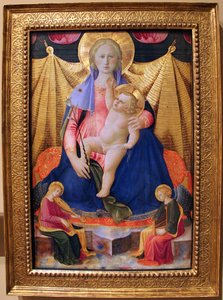
Zanobi Strozzi (1412–1468) on loonud teose St Agnes. See on pärinev 1448 aastast. See kuulub Early Renaissance suuntrime. See on valmistatud materjalist Tempera On Panel. Teos on säilitatud San Marco kloster kogamuses Firenze, Italia. Mõõtmed on 63 × 47 cm.
- 1448
- Tempera On Panel
- 63 × 47 cm
- San Marco kloster, Firenze

 Eelvaade

 Käsitsi maalatud õlimaalatsioon
 Saada
 Jaga
 Teosest infokaart


 Laadi alla
 Sarnased teosed
 Röntgenuuring
 Slaidietendus
 KÜSIMUSED JA VASTUSID

 Statistika
St Agnes lühidalt
- Pealkiri
- St Agnes
- Kunstnik
- Zanobi Strozzi (1412–1468)
- Kunstniku sünnukoht
- Firenze, Itaalia
- Kuupäev
- 1448
- Materjalid
- Tempera On Panel
- Mõõtmed
- 63 × 47 cm
- Kus seda näeb
- San Marco kloster, Firenze, Italia
- Liikumine
- Early Renaissance
- Aeglkond
- Renaissance
- Teema
- st agnes, zanobi strozzi, renaissance art, tempera panel, religious painting, italian art
Mida St Agnes kujutab?
Zanobi Strozzi’s ‘St Agnes’: A Florentine Echo of Devotion
The tempera panel painting, “St Agnes,” attributed to Zanobi Strozzi and completed in 1448, is more than simply a depiction of a saint; it's a meticulously crafted window into the artistic sensibilities of early Renaissance Florence. Measuring just 63 x 47 cm, this work housed within the Museo di San Marco possesses an intimate quality that draws the viewer into its serene and profoundly devotional world. Strozzi, a pupil of the celebrated Fra Angelico, established himself as a master of detail and color, creating works imbued with a quiet spirituality that resonated deeply during his time.
- Subject & Narrative: The painting portrays Saint Agnes, martyred for her refusal to succumb to pagan temptations. The narrative is conveyed through the saint’s posture – dignified yet vulnerable – and the surrounding symbolic elements.
- Technique - Tempera on Panel: Strozzi's masterful use of tempera paint on a wooden panel creates a remarkable depth and luminosity. This technique, favored for its durability and ability to achieve rich colors, is evident in the subtle gradations of tone and the meticulous rendering of textures – from the folds of Agnes’ cloak to the intricate patterns adorning her surroundings.
A Symphony of Color and Decorative Detail
The visual impact of “St Agnes” stems largely from Strozzi's bold use of color and his extraordinary attention to decorative detail. Predominantly employing shades of blue, red, and gold – colors deeply associated with piety and royalty in the late medieval period – he constructs a complex tapestry of patterns that frame the central figure. Swirls, floral motifs, and other decorative elements aren’t merely ornamental; they serve as a visual language, amplifying the saint's solemnity and invoking a sense of heavenly grace. The background isn’t a simple backdrop but an active participant in the narrative, contributing to the overall atmosphere of reverence.
Historical Context & Artistic Influences
Created during a period of immense artistic innovation in Florence – a time when artists were rediscovering classical ideals while simultaneously developing their own unique styles – “St Agnes” reflects the evolving aesthetic sensibilities of the era. Strozzi’s close association with Fra Angelico undoubtedly influenced his approach, sharing a commitment to clarity, emotional intensity, and a profound sense of spirituality. The painting's style aligns perfectly with the artistic trends of the Florentine Renaissance, showcasing a sophisticated understanding of perspective and proportion, albeit within the constraints of the tempera medium.
Symbolism & Emotional Resonance
Beyond its technical brilliance, “St Agnes” is rich in symbolism. The red cloak, traditionally associated with sacrifice and martyrdom, underscores the saint’s tragic fate. The serene expression on her face conveys a sense of acceptance and unwavering faith. The overall effect is one of profound contemplation – an invitation to reflect on themes of devotion, courage, and ultimately, redemption. This painting continues to resonate with viewers today, offering a tangible connection to the artistic and spiritual values of Renaissance Florence.
Kumba muuseumis asub teos St Agnes?
San Marco kloster
Firenze, Italia
Usk ja kunst pühas kohtumispunkis San Marco kloster seisab ainulaadse tõestusena Florentsi kunstipärandile — kohtana, kus renessanssi vaim on sügavalt religioosusega seotud. See pole pelgalt meistriteoste säilitaja, vaid pakub sügavpõhjust laupust tagasi XV sajandisse, kutsumates külastajaid mõütma Fra Angelico ja Girolamo Savonarola pärandi üle ilmavalt säilitatud dominikaanide kloostri müüride all. Algup Originaalselt XIII sajandil Vallombrosia kloosterina asutatud San Marco muutumine humanistliku mõtte ja kunstilise uuenduse vürdakas keskuseks algas Cosimo de' Medicite patroonkärgimus — see oli võtmehetk, mis tagas reformitud dominikaanide kogule kohale jõudmise ja avas teekonna ühestuurilise loovuse ajastusse.


St Agnes kõrge resolutsiooniga pildid
Zanobi Strozzi, St Agnes (1448), San Marco kloster. Avalik omaniklik õigus
Küsimused teemal St Agnes – vastused
Millises muuseumis on säilitatud originaal "St Agnes"?
Originaalteost „St Agnes“, autor Zanobi Strozzi hoiustatakse San Marco kloster, Firenze, Italia muuseumis. Reproduktsioon võimaldab teost koduses keskkonnas esitleda.
Mis aastal loodi teos „St Agnes“, autor Zanobi Strozzi?
Teos "St Agnes" on pärit aastast 1448. See ajastu aitab mõista teost Zanobi Strozzi karjääri ja selle ajastu kontekstis.
Millises materjalis on teos „St Agnes“, autor Zanobi Strozzi valmistatud?
Teose "St Agnes" loomisel kasutas Zanobi Strozzi Tempera On Panel tehnikat. See tehnika määrab originaalteose materjalilise olemuse.
Mis on originaalteose "St Agnes" mõõdud?
Teose "St Agnes" originaalmõõdud on 63 x 47 cm. Algdimensioonid on kasulik viide reproduktsiooni suuruse valimisel.
Mille kohta teos "St Agnes" on?
„St Agnes“, autor Zanobi Strozzi kujutab: st agnes, zanobi strozzi, renaissance art, tempera panel, religious painting, italian art, medieval text.
Kas teose „St Agnes“, autor Zanobi Strozzi pilt on vabalt reproduseeritav?
Teos „St Agnes“, autor Zanobi Strozzi on lubaõiguslikult avalik && copyright on aegunud. See staatus reguleerib teose pildi reprodüseerimise võimalusi.
Kes on teose "St Agnes" kunstnik?
Teose "St Agnes" loovija on Zanobi Strozzi. Selle lehe info kirjeldab Zanobi Strozzi algteost.
Millisse kunstisuuna kuulub teos „St Agnes“, autor Zanobi Strozzi?
Teos „St Agnes“, autor Zanobi Strozzi kuulub Early Renaissance suunasse. See suund annab teosele stilistilise konteksti.
Kuhu Zanobi Strozzi loomingulisse perioodi kuulub teos "St Agnes"?
Zanobi Strozzi loomingus kuulub teos "St Agnes" perioodi Early Renaissance. See etap aitab seda võrdida kunstniku teiste töödega.
Kunstnik Zanobi Strozzi kohta
1412–1468, Itaalia
Zanobi Strozzi
Florentine visjonäär: Zanobi Strozzi elu ja pärand फ्लोरentine renessanssi kuldsel ajal, mil valgus ja vari hakkasid tantsima uue humanistliku sügavusega, tõusev Zanobi Strozzi nimi linna kunstilises kanga sees elutähtsaks niudiks. Sündides 1412. aastal illustrisse Strozzi familiasse, oli Zanobi varajast elu kujundanud Florentine sügavad poliitilised muutused. Kuigi tema päritolu ühendas ta sündlikusega, surus tema isa eelseaduslik surm, kui Zanobi oli alles viisteista-aastane, teda hoopis teistsuguse saatusest.
Teel Zanobi Strozzi kohta Zanobi Strozzi silmapaistvad teosed
Ka Zanobi Strozzi teosed
 Madonna and Child with Angels1434
 Camaldolese Friars in Choir1450
 The Annunciation1442
 Virgin and Child with Four Angels and the Redeemer1450
Teemad teemal St Agnes
 From Gold to Gravity: Italo-Byzantine Style vs. the Proto-RenaissanceMaster the shift from Byzantine gold to Proto-Renaissance naturalism. Learn to spot the evolution of art history today.
 Italian early Renaissance paintersMasterpieces by Botticelli and Giotto define the Italian Early Renaissance. Explore the full collection online at OriginalUniqueArt.com.
 Divine Beauty: The 25 Most Iconic Masterpieces by Fra AngelicoJourney through the divine beauty of Fra Angelico's finest works. Explore 25 iconic Renaissance masterpieces, from ethereal frescoes to sac…