American Realism · 1878
The Pumpkin Patch (Winslow Homer, 1878)
Winslow Homer (1836–1910) on loonud teose The Pumpkin Patch. See on pärinev 1878 aastast. See kuulub American Realism suuntrime. See on valmistatud materjalist Akvarell.
- 1878
- Akvarell

 Eelvaade

 Käsitsi maalatud õlimaalatsioon
 Saada
 Jaga
 Teosest infokaart


 Laadi alla
 Sarnased teosed
 Röntgenuuring
 Slaidietendus
 KÜSIMUSED JA VASTUSID

 Statistika
The Pumpkin Patch lühidalt
- Pealkiri
- The Pumpkin Patch
- Kunstnik
- Winslow Homer (1836–1910)
- Kunstniku sünnukoht
- Boston, Ameerika Ühendriigid
- Kuupäev
- 1878
- Materjalid
- Akvarell
- Liikumine
- American Realism
- Aeglkond
- 19. sajand
Mida The Pumpkin Patch kujutab?
A Moment Frozen in Time: The Significance of Winslow Homer’s “The Pumpkin Patch”
Winslow Homer's "The Pumpkin Patch," painted in 1878, isn’t merely a depiction of autumnal labor; it’s a poignant snapshot of rural America at the cusp of profound change. This watercolor masterpiece, currently residing within the Canajoharie Library and Art Gallery, invites us into a scene brimming with quiet industry, community spirit, and a subtle undercurrent of nostalgia for a disappearing way of life. Homer, a master of capturing the essence of everyday American experience, skillfully employs his signature technique—a delicate balance between observation and expressive brushwork—to create an atmosphere both warm and deeply resonant.
The painting immediately draws the eye to the group of figures engaged in the harvest – men and women working together with a shared purpose. Their postures, rendered with remarkable sensitivity, suggest not just physical exertion but also a sense of camaraderie and mutual respect. Homer’s use of earthy tones—russets, ochres, and deep greens—dominates the palette, mirroring the landscape itself and grounding the scene in the tangible realities of rural life. The soft, diffused light, characteristic of his watercolor style, lends an almost dreamlike quality to the composition, softening the edges and creating a sense of intimacy.
The Artist’s Approach: Watercolor as a Vehicle for Emotion
Homer's choice of watercolor is crucial to understanding the painting’s impact. Unlike the bolder strokes of oil paint, watercolor allows for a remarkable degree of transparency and luminosity. This technique perfectly suits Homer’s aim—to capture not just the appearance of the scene but also its emotional atmosphere. The subtle gradations of color, achieved through layering washes and delicate brushstrokes, evoke a sense of warmth and comfort, while simultaneously hinting at the hard work involved in the harvest.
Furthermore, Homer’s meticulous attention to detail—the individual pumpkins scattered across the field, the worn clothing of the workers, the subtle expressions on their faces—adds layers of complexity to the scene. He doesn't shy away from depicting the realities of rural labor, yet he does so with a remarkable degree of empathy and respect for his subjects.
A Window into 19th-Century America
"The Pumpkin Patch" offers a valuable glimpse into American life during the late 19th century. It reflects a period of rapid industrialization and urbanization, which were fundamentally altering the social fabric of the nation. The painting celebrates the enduring values of community, hard work, and self-sufficiency—qualities that were increasingly threatened by these changes. The scene speaks to a time when agriculture remained central to American identity, and families relied on each other for support and sustenance.
Beyond its immediate depiction of rural labor, the painting also carries symbolic weight. The abundance of pumpkins – a symbol of harvest, prosperity, and gratitude – suggests a celebration of the bounty of the land. The collective effort of the workers underscores the importance of community and shared responsibility. It’s a quiet testament to the dignity of honest work and the beauty of simple living.
Bringing Homer's Vision Home: High-Quality Reproductions
OriginalUniqueArt offers meticulously crafted, handmade oil paintings reproductions of “The Pumpkin Patch,” allowing art lovers to experience the artistry and emotional depth of this iconic American painting in their own homes. Our skilled artists utilize only the finest materials—traditional oils on canvas—to faithfully recreate every detail of Homer’s original work. We strive to preserve not just the visual appearance but also the spirit and atmosphere of the painting, ensuring that it remains a timeless treasure for generations to come.
Explore the full beauty of “The Pumpkin Patch” – and discover other exceptional reproductions by Winslow Homer – at OriginalUniqueArt.com. Let this evocative image transport you back to a simpler time, reminding us of the enduring values that shaped American culture.
The Pumpkin Patch kõrge resolutsiooniga pildid


Winslow Homer, The Pumpkin Patch (1878). Avalik omaniklik õigus
Küsimused teemal The Pumpkin Patch – vastused
Mis on teose „The Pumpkin Patch“, autor Winslow Homer loomisaeg?
Teos "The Pumpkin Patch" on pärit aastast 1878. See ajastu aitab mõista teost Winslow Homer karjääri ja selle ajastu kontekstis.
Millest on teos "The Pumpkin Patch" valmistatud?
Teos "The Pumpkin Patch" on valmistatud tehnika Akvarell.
Kas teos "The Pumpkin Patch" on ilma autoriõigusteta?
Tegijateõiguse osas on teos "The Pumpkin Patch" kuuluv klassifikatsiooni alla: avalik && copyright on aegunud.
Millisele kunstnikule on teos "The Pumpkin Patch" atribuutseeritud?
Teose "The Pumpkin Patch" autoriks on mõeldud Winslow Homer.
Millisse kunstisuuna kuulub teos „The Pumpkin Patch“, autor Winslow Homer?
Teosest „The Pumpkin Patch“, autor Winslow Homer tuntud kunstisuuna on American Realism. See klassifikatsioon aitab teost paigutada sarnaste kunstnike ja teoste hulka.
Millist etap Winslow Homer loomingus teos "The Pumpkin Patch" esindab?
Teos "The Pumpkin Patch" esindab kunstniku Winslow Homer loovperioodi Mature Period.
Kui vana oli Winslow Homer, kui ta loositud teose "The Pumpkin Patch" aastal 1878?
Winslow Homer oli 42 aastane, kui ta teosest "The Pumpkin Patch" aastal 1878 lõi. Vanus on arvutatud kunstniku sünnaaasta põhjal, 1836.
Kas Winslow Homer teos "The Pumpkin Patch" kuulub avalikku omandisse ja miks?
Teose "The Pumpkin Patch" autoriõiguste staatus - avalik && copyright on aegunud - tuleneb kunstniku surma aastast 1910.
Kunstnik Winslow Homer kohta
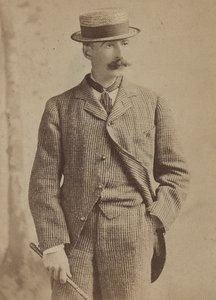
1836–1910, Ameerika Ühendriigid
Winslow Homer
Winslow Homeri elu ja päritolu Winslow Homer jõudis Bostonisse, Massachusettsile, 24. veebruaril 1836. Ta oli teine kolmest Charles Savage Homeri ja Henrietta Maria Bensoni sünnud pojast. Tema isa, kaupmees, lahkus akhirnya perest, et otsida õnne California kuldrushis.
Ka Winslow Homer teosed
 Tuuluhälytys1885
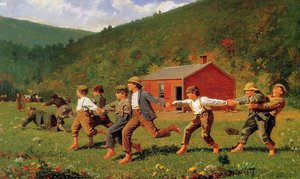 Vipst!1872
 Kaevamajandus Põhjast Key West1903
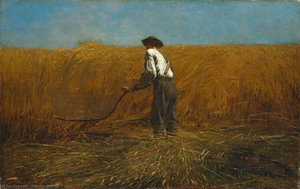 Discover Winslow Homer’s ‘The Veteran in a New Field,’ a poignant 1865 oil painting exploring postwar America. Admire its realism, symbolism & historical impact – a timeless masterpiece.
The Veteran in a New Field
artworks_database
/en/art/winslow-home1865
Teemad teemal The Pumpkin Patch
 American artworks of the 1890s1890s American art by Mary Cassatt, Winslow Homer, and William Merritt Chase. Find museum-quality reproductions on OriginalUniqueArt.com.
 American artworks of the 1870sIconic 1870s American works by Whistler, Eakins, and Homer. Explore museum-quality reproductions on OriginalUniqueArt.com.
 Winslow Homeri 25 parimat teost: Ameerika maalikunstniku võimsaimad lood OriginalUniqueArtisAvastage Winslow Homeri 25 parimat teost! Sukeldu Ameerika maalikunsti võimsaimatesse lugudesse – realistlikest mereainelistest maalidest a…