 Eelvaade
 Saada
Saada Jaga
Jaga
 Teave teose kohta
 Juhend

 Laadi alla
 Sarnased teosed
 Röntgenuuring
 Slaidietendus
 KÜSIMUSED JA VASTUSID
 Statistika
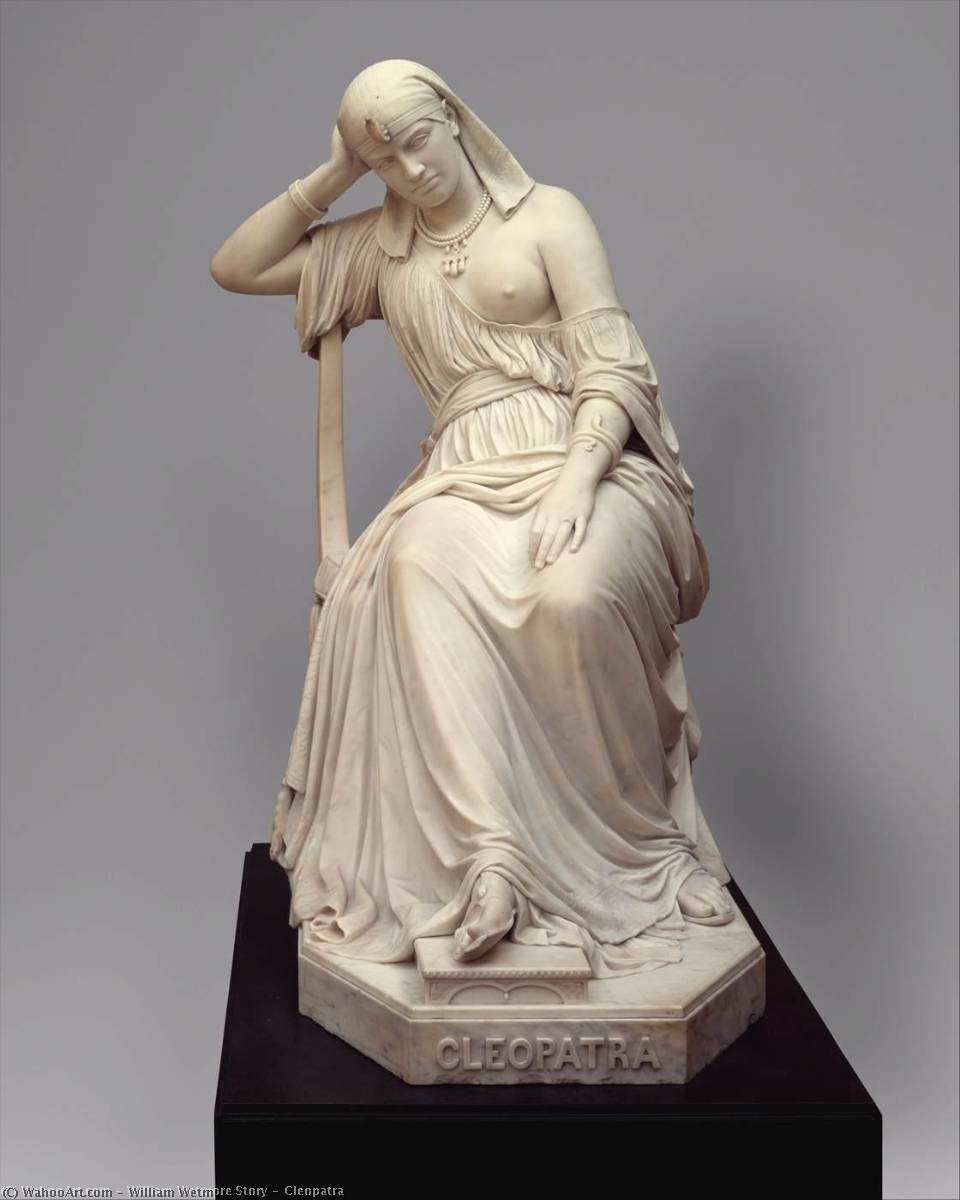
Cleopatra

 Loe lähemalt
Hankige trükiivaldatav fail, mis on kvaliteedilt palju parem kui veebilehel näidatud eelvaade. Kõik meie müüdavad digitaalsed pildid pärinevad meie arhiivist kõrge resolutsiooniga originaalfailidest — tavaliselt 5000 kuni 15 000 pikslit laiust — nii et saate julgelt trükida suurematsat, lüüdist teha või detailset sisu reproduktsiooni teha.
Meie stuudiost ei lahtu ükski fail puutumatuna. Digiekpert võrdleb värve algsest maalistimusega ja vajadusel korrigeerib neid, seejärel parandab selgust ja detaile professionaalsete retušimisvahendite abil — püüdes alati jääda truudeks kunstniku pintoonile ja stiilile. Tulemuseks on pilt, mis näeb välja nagu maali, mitte nagu filtreeritud skann.
Teet kinnituse enne lõplikku valmimist: meie ekspert saadab pildi 72 tunni jooksul e-posti ülevaatamiseks. Ei ole rahul? Paluge parandusi või korrektsioone ning kui kvaliteet ei vasta ootustele, võite paluda tagastamist.
See on kvaliteet, millele tuguvad väljaandjad, disainistuudiod, galeriid ja trükikojad.
Digitaalne kunstiteos
Laadi alla kõrge resolutsiooniga fail isiklikuks vaatamiseks, trükkimiseks ja loomingulisteks projektideks. ( Lülita trükkitoodetele Osta käsitsi maalatud teos)
Sisse kuulub iga digitaalse pildi tellimusega
Eksperdi digitaalne kohaletoimetamine, garanteeritud
Valides OriginalUniqueArt.com, ei saa sa lihtsalt pilti – saad professionaalselt parandatud digitaalse teose, mida on valmistatud täpsusega ja mis on toetatud rahuldamatusgarantiiga. Siin on kõik, mis sinu tellimusega automaatselt kaasneb:

Kiire digitaalne edastus
Teie kõrge resolutsiooniga digitaalne pildifail saadetakse teile e-posti 72 tunni jooksul pärast tellimist – kohe kasutamiseks valmis.

Tehisintellektiga täiustatud digitaalne fail
Teie teos on professionaalselt optimeeritud arenenud tehisintellekti tööriistade ja käsitsi redigeerimise abil, tagades maksimaalse detailitaseme, selguse ja värvitäpsuse.

Tasuta eluaegne uuesti saatmine
Kas kustutasid faili kogukalu unustamisel või kustutamisel? Puudub mure – saad selle uuesti igal ajal ilma lisatasuta.

Puuduvad importimaksud – alati
Nautige oma teoseid koheselt ilma tolli-, maksude või tarnimaskuludeta – digiletchargused on alati maksuvabadud.

Värvitäpsuse garantii
Me tagame, et teie digitaalne pilt kajastaks originaali värve professionaalsete tööriistade ja värvihalduse abil võimalikult täpselt.

100 päeva rahuldamatuse garantii
Kui te ei ole oma digitaalse pildi eest rahul, siis me parandame seda või tagastame 100% summast 100 päeva jooksul – küsimusteta.

100% raha tagastamise garantii
Ei ole rahul? Saate täielise tagastaja 100 päeva jooksul pärast digitaalse faili kättesaamist – ilma küsimusteta.

Suurema tellimuse soodustused
Osta 3 pilti, säästa 10% - Osta 5, säästa 15% - Osta 10+, säästa 20%. Sobib suurepäraselt loomingulisteks projektideks, galeriideks ja agentuurideks.
Kunstniku elulugu
A Life Shaped by Marble and Law
Born in Salem, Massachusetts, William Wetmore Story began his adult life far from the quiet dust of a sculptor's studio. He was a man of intellect and rigorous study, having graduated from Harvard College in 1838 and later completing his studies at Harvard Law School in 1840. Under the guidance of his father, the Supreme Court Justice Joseph Story, he practiced law and even authored legal treatises regarding contracts and sales. Yet, the heavy books of jurisprudence could not entirely contain a spirit drawn toward the classical world. After a period of practicing law in Boston, a profound shift occurred. Following the commission to create a bust of his late father, he felt a calling to move toward the arts, eventually settling in Rome in 1850.
This transition from the courtroom to the studio was not merely a change in profession but a relocation of his very soul. His home in the Palazzo Barberini became a gathering place for many notable figures living in Italy. He lived among the poets and thinkers of his age, finding himself part of a circle that included the Brownings. This Roman period allowed him to immerse himself in the traditions of antiquity, moving away from the dry logic of American law toward the emotional weight of Greek tragedy and biblical narrative.
The Weight of Emotion in Stone
In his hands, cold marble took on a heavy, psychological presence. He did not seek to merely replicate the human form but to capture the internal struggles of his subjects. His work often focused on figures from antiquity or scripture, imbuing them with a sense of profound thought and impending fate. In his sculpture Cleopatra, he avoided the sensationalism of her death, focusing instead on the quiet introspection of a queen caught in a moment of deep contemplation. The marble was carved to suggest the softness of skin and the heavy flow of drapery, creating a tension between the hard stone and the vulnerable life it represented.
Other works revealed a similar preoccupation with the human condition through dramatic storytelling. His Dalilah explored themes of vulnerability and resilience within a biblical framework, while his Hero Looking for Leander utilized fine-grained white marble to depict a youthful, timid priestess. Even in his more somber monuments, such as the Angel of Grief, there is a palpable sense of loss. This piece, which he designed for his wife Emelyn, rests in the Protestant Cemetery in Rome, marking his final resting place alongside her.
A Legacy of Letters and Stone
Beyond the chisel, Story was a man of many voices. He was an author, poet, and editor who used words to explore the same classical themes found in his sculptures. His writings, such as Roba di Roma and Conversations in a Studio, provided observations on the culture and people of his adopted home. He possessed a wide-ranging intellect that allowed him to move between the precision of legal writing and the imaginative impulse required for poetry and drama.
His influence extended into the very fabric of American identity during the nineteenth century. While he lived much of his life in Italy, his works found their way back to the United States, appearing in collections from the Smithsonian American Art Museum to the Metropolitan Museum of Art. He left behind a family deeply rooted in the arts, with children who pursued their own paths as sculptors and painters. When he passed away at Vallombrosa, Italy, he left a body of work that bridged the gap between the legalistic rigor of his New England upbringing and the classical grandeur of the Roman world.

William Wetmore Story
1819 - 1895
Lühikesed faktid
- Artistic Movement Or Style: Neoclassicism
- Full Name: William Wetmore Story
- Nationality: American
- Notable Artworks:
- Cleopatra
- Dalilah
- Angel of Grief
- Hero Looking for Leander
- Medea
- Sappho
- Place Of Birth: Salem, United States
- Date Of Birth: 1819
- Date Of Death: 1895