

 Eelvaade
 Saada
Saada Jaga
Jaga
 Teave teose kohta

 Laadi alla
 Sarnased teosed
 Röntgenuuring
 Slaidietendus
 Statistika
For Sunday's Dinner


 Loe lähemalt
Käsitsi valmistatud õlimaalireproduktsioon
Meie kunstnike poolt tellimusel valmistatud käsitsi maalitud õli-kainaste teos teie soovitud suuruses ja raamis. ( Lülita trükkitoodetele Ülemineks digitaalse pildiga müügi kanalisse)




P118B $10

P118H $10

P118W $10

P438Z $10

P508JH $12

P508YH $12

P805H $10

P805Z $10

P919BZ $10

P919G $10

P919XJ $10

P959ZH $10

P968JZ $12

W106C $8

W218G $10

W218JH $8

W218Y $10

W307PJ $10

W316G $10

W316PJ $8

W316Y $10

W398PJ $8

W4111J $10

W500HY $15

W500JH $15

W692G $12

W849H $8

W940BG $15

W953PJ $8




Vali meie eelmääratud suurused, mis vastavad teose algupärastele proportsioonidele.

Sa võite sisestada oma mõõtmed konkreetse raami või ruumi sobivuse tagamiseks. Kui teie valitud suurus ei vasta originaalpildi proportsioonidele, siis kärvime kunstiteost või laiendame maali täiendavate käsitsi maalitud elementidega. Enne tootmise algust saadetakse teile heakskiitmiseks digitaalne eelvaade.
Palun pidage meeles, et ekraanil kuvatav eelvaade ei kajasta tegelikku kärpimist või laiendamist. Ainult eelvaade näitab täpselt lõplikku kompositsiooni.
Kuigi on saadaval kohandatud suurused, soovitame originaalproportsioonide säilimiseks valida mõõdud eelmääratletud nimekirjast.
Pärast tellimust saadab OriginalUniqueArt.com meeskond kliendile e-posti juhised ning esitab eelvaate kavandi.
Maailmline tarne 3–4 nädala jooksul tavalise 5 nädala asemel. (11 september). Kvaliteedis kompromisse ei tehta.

Tasuta ekspresssaatmine üle maailma

Kõrgekvaliteediline linakangas

Täielik transpordikindlustus

Tollimaksude tagastamise garantii

Värvitoime täpsuse garantii

100 päeva tagastusõigus (ainult tootmisdefektide korral)

100% raha tagasi garantii

Hulgusoodustus
 Klaasivalik on saadaval ainult suuruses kuni 110 cm

For Sunday's Dinner
Reproduktsiooni tehnika
Reproduktsiooni suurus
-


Kogusumma
$ 300
William Michael Harnett: The Illusionist of Everyday Life
William Michael Harnett (1848 – 1892) stands as a singular figure in American art history, celebrated for his masterful trompe-l'œil paintings that elevate the mundane into breathtaking illusions. Born in Clonakilty, County Cork, Ireland, Harnett’s early life was marked by emigration to Philadelphia shortly after his birth, shaping him into an artist deeply rooted in both European tradition and burgeoning American realism. His formative years were spent honing skills in engraving design on table silver – a craft that instilled precision and attention to detail – alongside pursuing formal artistic training at institutions like the Pennsylvania Academy of Fine Arts and Cooper Union. This dual influence—the meticulous craftsmanship of engraving combined with the burgeoning aesthetic ideals of Impressionism—would profoundly shape Harnett’s distinctive visual language.- Early Training & Technique: Harnett’s dedication to mastering technique began with night classes at Penn and NYAD, where he absorbed influences from luminaries like Raphael Peale Jr., who pioneered tabletop still life in America. This influence is particularly evident in his early works, characterized by a painstaking rendering of texture and surface detail—a hallmark of American Realism that sought to capture the tangible world with uncompromising accuracy. Harnett’s meticulous approach extended beyond mere observation; he actively manipulated light and shadow to create convincing illusions of depth and dimensionality, mirroring techniques employed by Dutch masters during the Baroque period.
For Sunday's Dinner: A Study in Illusion
“For Sunday’s Dinner” exemplifies Harnett’s unparalleled skill as a trompe-l'œil painter—a technique that deliberately deceives the eye by presenting an image that appears to exist beyond its physical boundaries. Painted in 1888, this unsettling still life depicts a dead rooster hanging upside down from the ceiling by its feet against a dark, textured background resembling aged wood paneling. The composition is centered around the rooster, which dominates the frame with its vivid coloration contrasting sharply with the somber backdrop. Harnett’s masterful manipulation of perspective and color creates a palpable sense of unease, prompting viewers to question what they perceive as “real.”
- Composition & Color Palette: The painting employs a central and symmetrical composition, drawing immediate attention to the suspended rooster. The vertical orientation emphasizes the bird’s hanging posture. The background consists of dark wooden planks with ornate metal hinges and corner pieces, providing a sense of enclosure and adding visual interest without distracting from the main subject. Harnett utilizes a warm color palette dominated by yellows, oranges, and browns in the rooster’s plumage, juxtaposed against deep, muted browns and blacks of the background. Subtle highlights suggest light reflecting off the feathers and metal hardware—a deliberate tactic designed to heighten realism and reinforce the illusion of depth.
Symbolism & Emotional Impact
Beyond its technical brilliance, “For Sunday’s Dinner” carries significant symbolic weight. The image evokes themes of life, death, and consumption – confronting viewers with the unsettling reality that beauty can coexist alongside decay. Harnett's choice to depict a deceased animal—a common motif in Victorian art—underscores the inevitability of mortality while simultaneously referencing the ritualistic preparation for sustenance. The title itself is deliberately ironic, highlighting the juxtaposition between domestic tranquility and morbid contemplation.
- Style & Technique: Harnett’s style is rooted in American Realism, characterized by meticulous detail and a focus on everyday objects. He employed oil paint on canvas to achieve a high degree of verisimilitude—a painstaking process that involved layering thin glazes of pigment to build up tonal variations and create luminous surfaces. The artist's unwavering commitment to capturing the materiality of his subjects—the rough texture of wood grain, the metallic sheen of hinges—is testament to Harnett’s profound understanding of artistic principles and his desire to engage viewers on a visceral level.
Historical Context & Legacy
Harnett's work emerged during a period of significant cultural change in America, as Impressionism gained traction alongside the rise of industrialization and urbanization. Unlike many artists of his time who sought to glorify heroic narratives or idealized landscapes, Harnett turned his gaze inward—focusing on seemingly insignificant objects and scenes—to explore profound philosophical questions about existence and perception. His enduring influence can be seen in subsequent generations of American painters who embraced trompe-l'œil as a means of challenging conventional notions of representation and inviting viewers to actively participate in the artistic experience.
- Further Research: Harnett’s fascination with illusion extended beyond painting into other mediums, including engraving design on table silver—a craft that instilled precision and attention to detail. Explore William Michael Harnett’s stunning trompe-l'œil still lifes of everyday objects – a unique American style inspired by Dutch masters. Discover his legacy! For Sunday's Dinner

Additional Resources
Explore William Michael Harnett’s artistic journey through biographical accounts and critical analyses—illuminating the intellectual currents that shaped his vision and solidified his place as a pivotal figure in American art history.
Kunstniku elulugu
William Michael Harnett: igapäevast elu võltsija
William Michael Harnett (1848–1892) seisab Ameerika kunstiajaloos eraldiseisva nähtavena, olles kuulus oma meistralaste trompe-l'œil maaliduste eest, mis tõstavad igapäevase banaluse hingetuldustavaks illusiooniks. Iirlandis, Clonakiltys, County Corkis sündinud Harnetti varajane elu jäi tähistatud emigreerimisega Filadelfiaした pärast tema sünni, mis kujundas temast kunstniku, kelle juured olid sügavalt nii Euroopa traditsioonis kui ka kasvavas Ameerika realismis. Tema kujunendusajal veeti aega täpsuse ja detailide hoolikuse omakompetentsuse arendamisel söögiselmsest hõbedast uremate disainimisel – käsitöö, mis õpetas teda täpsust – samal ajal järeldades ametlikku kunstikatmist sellistes asutustes nagu Pennsylvania Fine Arts Academy ja Cooper Union.- Varajane koolitus ja tehnika: Harnetti pühendumus tehnika meisterdamisele algas õhtuklassidest Pennis ja NYADis, kus ta imetas mõju suuremaid nimisid nagu Raphael Peale Jr., kes oli Ameerikas laualavastiku (still life) pioneer. See mõju on kättesaadav Harnetti eripärases stiilis – teadlik lahkumine valitsevatele akadeemilistele konventsioonidele.
- See sari näitab Harnetti tehnikat täiuslikult, demonstreerides, kuidas ta kasutab optilisi trikke, et luua veenvat sügavuse illusiooni piidetud ruumis.

William Michael Harnett
1848 - 1892 , Iрma
Lühikesed faktid
- Artistic Movement Or Style: Trompe l'œil maalimine
- Artists Or Movements Influenced By This Artist: ['American realism']
- Artists Who Influenced This Artist:
- Raphaelle Peale
- Pieter Claesz
- Date Of Birth: 10. august 1848
- Date Of Death: 1892
- Full Name: William Michael Harnett
- Nationality: Iiri-ameerlik
- Notable Artworks:
- After the Hunt
- The Old Violin
- Music and Good Luck
- Place Of Birth: Clonakilty, Iirimaa
Seotud artiklid

American Realism's Defining Works: 10 Masterpieces for Your Home
Explore 10 defining American Realism masterpieces – Hopper, Homer & more. Discover the stories behind these iconic paintings and bring timeless art to your home with OriginalUniqueArt's museum-quality reproductions. Explore the full collection online.
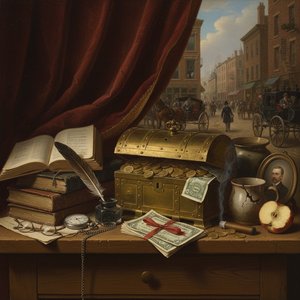
William Michael Harnett: Still Life, Realism & the American Pursuit of Materiality
Explore the captivating still lifes of William Michael Harnett, a master of American realism and trompe l'oeil painting. Discover his technique, legacy & the cultural context behind his iconic works.
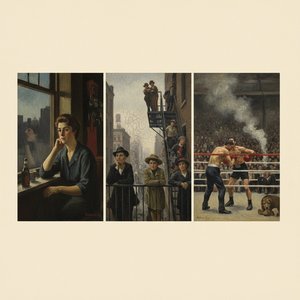
American Realism: Social Commentary & Artistic Representation in Early 20th-Century Painting
Explore the powerful social commentary & artistic representation of American Realism. Discover key artists like Bellows & Sloan, and understand the movement's lasting impact on 20th-century art history.

The Unvarnished Truth: A Cultural Journey Through the Soul of American Realism
Explore the profound beauty of American Realism. From the Ashcan School's urban grit to intimate portraits, discover how artists captured the authentic soul of a nation through unvarnished truth and masterful observation.
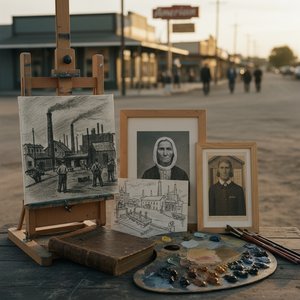
American Realism: Capturing the Raw Soul of a Nation Through the Lens of Art History
Explore the profound depth of American Realism. From the gritty Ashcan School to poignant social landscapes, discover how masters captured the raw soul of a nation through evocative oil paintings and timeless art history.