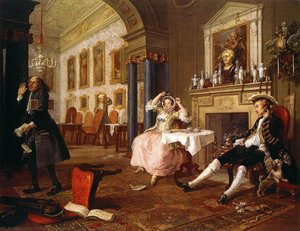
Eelvaade
 Saada
Saada Jaga
Jaga
 Teave teose kohta

 Laadi alla
 Sarnased teosed
 Röntgenuuring
 Slaidietendus
The Bathos


 Loe lähemalt
Käsitsi valmistatud õlimaalireproduktsioon
Meie kunstnike poolt tellimusel valmistatud käsitsi maalitud õli-kainaste teos teie soovitud suuruses ja raamis. ( Osta print Osta pilt)




P118B $10

P118H $10

P118W $10

P438Z $10

P508JH $12

P508YH $12

P805H $10

P805Z $10

P919BZ $10

P919G $10

P919XJ $10

P959ZH $10

P968JZ $12

W106C $8

W218G $10

W218JH $8

W218Y $10

W307PJ $10

W316G $10

W316PJ $8

W316Y $10

W398PJ $8

W4111J $10

W500HY $15

W500JH $15

W692G $12

W849H $8

W940BG $15

W953PJ $8




Vali meie eelmääratud suurused, mis vastavad teose algupärastele proportsioonidele.

Sa võite sisestada oma mõõtmed konkreetse raami või ruumi sobivuse tagamiseks. Kui teie valitud suurus ei vasta originaalpildi proportsioonidele, siis kärvime kunstiteost või laiendame maali täiendavate käsitsi maalitud elementidega. Enne tootmise algust saadetakse teile heakskiitmiseks digitaalne eelvaade.
Palun pidage meeles, et ekraanil kuvatav eelvaade ei kajasta tegelikku kärpimist või laiendamist. Ainult eelvaade näitab täpselt lõplikku kompositsiooni.
Kuigi on saadaval kohandatud suurused, soovitame originaalproportsioonide säilimiseks valida mõõdud eelmääratletud nimekirjast.
Pärast tellimust saadab OriginalUniqueArt.com meeskond kliendile e-posti juhised ning esitab eelvaate kavandi.
Maailmline tarne 3–4 nädala jooksul tavalise 5 nädala asemel. (2 september). Kvaliteedis kompromisse ei tehta.

Tasuta ekspresssaatmine üle maailma

Kõrgekvaliteediline linakangas

Täielik transpordikindlustus

Tollimaksude tagastamise garantii

Värvitoime täpsuse garantii

60-päevane tagastusõig: ainult tootmisdefektide korral

100% raha tagasi garantii

Hulgusoodustus
 Klaasivalik on saadaval ainult suuruses kuni 110 cm

The Bathos
Reproduktsiooni tehnika
Reproduktsiooni suurus
-


Kogusumma
$ 300
A Descent into Chaos: Decoding William Hogarth’s *The Bathos*
William Hogarth's *The Bathos*, a powerfully unsettling engraving created towards the end of his life, is not merely an artwork; it’s a visual lament—a darkly satirical reckoning with the decline of knowledge, artistic standards, and perhaps even civilization itself. Completed in 1764, just months before his death, this densely packed composition feels less like a carefully constructed image and more like a fever dream rendered in meticulous lines. It's an apocalyptic vision born from a mind acutely aware of its own mortality and deeply critical of the world around him. The very title, “Bathos,” derived from a rhetorical term signifying a deliberate descent from the sublime to the ridiculous, signals Hogarth’s intention: to expose the absurdity lurking beneath pretensions of grandeur.
The Language of Ruin and Satire
To gaze upon *The Bathos* is to be overwhelmed. The scene unfolds with chaotic energy, a swirling vortex of fragmented objects—books scattered like fallen ideals, musical instruments silenced, tools rendered useless. Dominating this wreckage lies the skeletal figure of Death, not as an active agent of destruction but as a weary observer, slumped amidst the debris. This isn’t a triumphant depiction of the end times; it's one of exhaustion and disillusionment. Above him, an angel ascends towards a sign proclaiming “The World’s End,” yet even this celestial messenger appears burdened, almost defeated. Hogarth masterfully employs the engraving technique—the precise interplay of light and shadow created through intricate hatching and cross-hatching—to amplify the sense of claustrophobia and impending doom. The turbulent sea forming the backdrop isn't merely a setting; it’s a metaphor for the instability threatening to engulf everything. The artist doesn’t shy away from detail, each object meticulously rendered, contributing to the overall feeling of oppressive disorder.
Hogarth’s Final Statement: A Critique of Artistic and Intellectual Decay
Understanding *The Bathos* requires acknowledging Hogarth's broader artistic project. He was a pioneer in British art, forging a path independent of traditional patronage by appealing directly to the public through his narrative series—works like *A Harlot’s Progress* and *A Rake’s Progress*. These earlier works were moralizing tales told through vivid imagery, but *The Bathos* feels different. It's less about specific vices and more about a systemic failure of values. Hogarth wasn’t simply lamenting the decline of artistic taste—he was critiquing what he saw as a broader intellectual and spiritual decay. The inclusion of references to classical art, like allusions to Dürer and Poussin, suggests a disillusionment with even the most revered traditions. He seems to be arguing that even the great masters were not immune to superficiality and artistic pretense. The print’s complex symbolism—the broken instruments, the crumbling architecture, the exhausted angel—all contribute to this overarching theme of collapse.
A Legacy of Social Commentary
Though created in the 18th century, *The Bathos* resonates with a timeless relevance. Its depiction of societal breakdown and intellectual exhaustion feels eerily prescient, speaking to anxieties that continue to plague us today. Hogarth’s genius lies not only in his technical skill but also in his ability to tap into universal human fears—the fear of loss, the fear of meaninglessness, the fear of oblivion. A reproduction of *The Bathos* is more than just a decorative piece; it's a conversation starter, a visual embodiment of critical thought, and a powerful reminder of the fragility of civilization. For collectors seeking works with intellectual depth, or for interior designers aiming to create spaces that provoke contemplation, Hogarth’s final masterpiece offers a compelling and enduring statement.
Kunstniku elulugu
Londoni elu tintides ja värvides: William Hogarthi maailm
William Hogarth, kes sündis 1697. aastal 18. sajandi Londoni puldavas südames, oli olnud palju enamat kui lihtsalt kunstnik; ta oli visuaalne ajaloolane, inimliku looduse terav vaatleja ja oma ajastu ühiskondlike voogude satiiriline kommentator. Tema elu lugu on lahutusmatult seotud Inglismaa lõimuga suurepärase transformatsiooni perioodil – selle kasvavate ambitsioonide, peitliste ärevuste ja igasuguse hiiliva ebaauskusega, mis leidsid kõigi nende jõukase väljenduse tema hämmastavalt detailsetes ja sageli teravates teostes. Kui ta oli vaevaastunud latini kooli õpetaja poeg, siis Hogarthi varased kogemused sisaldasid temas nii armastus õppimise vastu kui ka teravat teadlikkust sotsiaalsetest ebavõrdsustest – see alus tõususki tema kunstilise visiooni kujundamiseks. Algul oli ta õppinud graveerija juures, kuid demonstreeris kiiresti talenti, mis ulatus kaugele puhtast tehnilisest oskusest; tal oli loomulik võime märkida inimkäitumise nüansse ja tõlkida need kaasahaaravaks visuaalseks narratiiviks. Kuid ta ei suutnud piirata end traditsimoonse graveerimise raamides, otsides oma kasvavale loovusele ekspressiivsemat väljundit. See juhtis teda nii St Martin’s Lane Academiale kui ka Sir James Thornhilli õppetööle, kus ta täisas oma oskusi maalias ja kompositsioonis, imeldes mõjutusi, mis hiljem tema unikaalset stiili määrasid.Kaasaegsete moraalsete teemade sünnik Hogarthi tõeline innovatsioon ei olnud pelgalt selles, *mida* ta maalis, vaid *kuidas*. Ta tõi vastu maailma, mida nimetas „kaasaegseteks moraalseteks teemade sarjadeks“ – piltide kordade, mis olid loodud jutustama lugu, sageli tugeva satiilse teravusega. Need ei olnud üksildased portreid või maastikud; need olid visuaalsed romaanid, mis avanesid vaataja silme ees, pakkudes teravat kommentaari ajastikus ühiskonnale. 1742. aastal loodud A Harlot's Progress (Lootuse kadutus) on ehk tema kuulsaim näide. See kuuest maalist koosnevas sarjas jälgib hoolikalt Mary tragöödia – noore naise, kes saabus Londoni täis lootust, kuid lõpuks allujub linnaelu kiusatustele ja ohtudele. Iga stseen on kujundatud ääretult detailsetult, täidetud sümbolitega, mis paljastajavad teda ümbritsevat moraalset lagunemist. Sarnaselt sellele jutustab 1733. aastal alustatud A Rake's Progress (Lõbusmehe kadutus) Tom Rakewelli hoolimatut langust – mehe, kes pillerdab oma pärandi kumalatust mängu, debaušis ja lõpuks madnessuses. Need ei olnud pelgalt hoiatused; need olid kangevaatluslikud portreetsid ühiskonnast, kes võitles klasside, moraalist ja sotsiaalse liikuvuse probleemidega. Hogarthi genius peitus tema võimes tõsta igapäevased stseenid – Londoni puldavad tänavad, rikkate luksuslikud siseõued, vaestade rängad elud – kunstiteosteks, mis kõlastasid oma publikut sügavalt. Ta ei kartnud kujundada elu karmid reaalsused, esitades need naudingi ja patoosiga segatud viisil, mis sundis vaatajatele seisata silm saamatu tõdigusega nii endaga kui ka oma ühiskonnaga.
Tehnika ja mõjud: stiilide sünd Hogarthi kunstiline stiil oli mitmekoloogiliste mõjudude unikaalne amalgami. Ta austas suuresti hollandi žanripittide, nagu Pieter de Hoochi, realismit ja narratiivset detailset kuju, mis on nähtav tema hoolikas siseõude ja igapäevase elu kujundamises. Ka Prantsimaas loodud satiilised joonised mängisid rolli tema sotsiaalse kommentaari lähenemise vormimisel. Kuid Hogarth ei imiteerinud neid allikaid lihtsalt; ta sünteetiseeris need midagi täiesti uut ja selgelt oma kätte. Tema tehnikat iseloomustas meistraline jooneline ja varjundite kasutamine, mis on eriti ilmne tema graveerides. Ta kasutas eripärast ristivarjunduste tehnikat (cross-hatching), mis lõi sügavust ja tekstuuri, tuues oma stseenid elavaks üllastava selgusega. Tal oli ka erakordne silm kompositsioonile, korraldades kadrame sees figure ja objekte nii, et luua dünaamilisi ja kaasahaaravaid lugusid. Lisaks visuaalsele kunstile oli Hogarthit mõjutanud kirjandus, eriti Jonathan Swifti ja Henry Fieldingi teosed, kelle satiiriline vaim juhendas tema enda sotsiaalseid tähelepanuid. Ta uskois, et kunst ei tohiks olla pelgalt ilus, vaid peab ka teenima moraalset eesmärgi, väljakutses vaatajatele seisata silm oma ja ühiskonna ebamugavatele tõetustele. Ta püüdis hoida peeglit looduse ees, peegeldades nii selle ilu kui ka kolelust kangevaatlusliku aususega.
Pärand ja igav mõju
William Hogarthi mõju ulatub kaugele 18. sajandi kunsti piiridest. Tema töö sai tohutut populaarsust tänu tema maalistide põhjal loodud jooniste massprodutsioonile, muutes tema satiilised kommentaarid kunagi rohkem kättesaadavaks kui hiç varem. Teda peetakse laialt poliitilise karikatuuride ja trummikomiksite eeltulevaks, laidades aluse visuaalse lugujutamisele populaarkultuuris. Kunstnikud nagu James Gillray ja George Cruikshank olid otseselt tema stiilist mõjutatud, kandudes edasi tema sotsiaalse satiiri traditsiooni. Isegi kuulus esseist Charles Lamb tunnistas Hogarthi kujundite narratiivset jõudu, märkides kuulsa sõnadega, et need olid „nagu raamatud, mida on lugeda, rather than mereley looked at (lihtsalt vaadata“.- Hogarth lõi selgelt briti kunstiline identiteet.
- Tema töö pakub vääramatut ülevaadet 18. sajandi Inglismaa ühiskonnale.
- Ta mõjutas kunstnike ja satiirikute põlvkonnasid.

William Hogarth
1697 - 1764 , Ühendunud kuningriik
Lühikesed faktid
- Artistic Movement Or Style: Satire, Realism
- Artists Who Influenced This Artist:
- Pieter de Hooch
- Jonathan Swift
- Date Of Birth: 1697
- Date Of Death: 1764
- Full Name: William Hogarth
- Nationality: Briti
- Notable Artworks:
- A Harlot's Progress
- A Rake's Progress
- Place Of Birth: London, UK
Seotud artiklid

William Hogarth: Satire, Social Commentary & the Birth of Modern British Art
Explore the satirical world of William Hogarth, pioneering British painter & engraver. Discover his iconic works like *A Rake's Progress* and insightful social commentary on 18th-century London life.
Engraving's Golden Age: 10 Masterpieces That Redefined Art | OriginalUniqueArt
Journey through art history with our Top 10 Legendary Engravings! Explore masterpieces by Dürer, Rembrandt & Goya. Discover the stories behind these iconic prints and find museum-quality reproductions for your home at OriginalUniqueArt.com.
18th Century Masters: 10 Artworks That Define an Era | OriginalUniqueArt
Journey through 18th century art! Explore 10 iconic paintings – from Rococo elegance to Neoclassical grandeur. Discover Fragonard, David & more. Find museum-quality reproductions and elevate your home decor on OriginalUniqueArt.com.
The Sharpest Wit: A Critical Exploration of Satire in Art History – From Hogarth to Contemporary Critique
Explore the history of satire in art! From Hogarth's London to contemporary critique, discover how artists use wit & visual power to reflect and challenge society. Expert insights at OriginalUniqueArt.

Engraving: A Historical Survey of Technique, Artistic Expression & Enduring Legacy
Explore the rich history of engraving with OriginalUniqueArt. Discover techniques, iconic artists like Dürer & Callot, collecting tips, and expert guidance for preserving your art investment. Learn about intaglio printing & more!