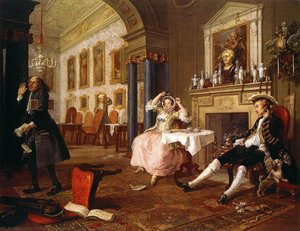
Vaata sisu
 Jaga teost
 Jaga
Jaga
 Detailid
 Õppekate juhend

 Laadi alla
 Sarnased teosed
 Röntgenuuring
 Slaidietendus
 Statistika
Soliciting Votes
 Acrylic On Canvas
- WallArt
- Neoclassical Style
 1754
1754 101.0 x 127.0 cm
 Sir John Soane's Museum
 Loe lähemalt
Giclée / Kunstiprint
Muuseumikvaliteediga giclée- või kangasprint kiire tootmisega ja paindlikud viimistlusvõimalused. ( Telli käsitsi maalitud reproduktsioon Ülemineku digitaalse pildi müügi kanalisse)




P118B €10

P118H €10

P118W €10

P438Z €10

P508JH €12

P508YH €12

P805H €10

P805Z €10

P919BZ €10

P919G €10

P919XJ €10

P959ZH €10

P968JZ €12

W106C €8

W218G €10

W218JH €8

W218Y €10

W307PJ €10

W316G €10

W316PJ €8

W316Y €10

W398PJ €8

W4111J €10

W500HY €15

W500JH €15

W692G €12

W849H €8

W940BG €15

W953PJ €8




Vali meie eelmääratud suurused, mis vastavad teose algupärastele proportsioonidele.

Sisestage vajalik laius ja kõrgus, et see sobiks teie raamile või seinale. Trükki saab ainult lõigata, seda ei saa kunagi pildist suuremaks teha, seega ka differentse vormiga suurus kaotab osa pildist. Enne trükkimist saadame teile kinnitamiseks digitaalse näidisprojektsiooni. Sellel lehel näidatud pilt ei kujuta reaalset lõiget — seda näitab ainult näidisprojekttsioon.
Ülemaailmne tarne () 2 nädala jooksul, tavalise 4/5 nädala asemel. (22 oktoober)

Tasuta ekspresssaatmine üle maailma

Kõrgekvaliteediline lina-kangastest muld

Täielik transpordikindlustus

Tollimaksude tagastamise garantii

Värvitoime täpsuse garantii

100 päeva tagastusõigus (ainult defektide korral)

100% raha tagasi garantii

Hulgusoodustus
 Klaasivalik on saadaval ainult kuni 110 cm suuruses teostes

Soliciting Votes
Giclée / Kunstiprint
Reproduktsiooni mõõtmed
-


Lõppsumma
€ 70
A Snapshot of Political Discourse: Examining Hogarth’s “Soliciting Votes”
William Hogarth's "Soliciting Votes," completed in 1754, stands as a masterful distillation of Enlightenment satire and a poignant reflection on the burgeoning political landscape of London. More than just a depiction of an outdoor gathering—a clock subtly anchoring the scene against the backdrop of a bustling city—the painting is a meticulously crafted commentary on the manipulative tactics employed during electoral campaigns.
- Subject Matter: The artwork portrays a group of men engaged in fervent discussion around a table adorned with a banner bearing the words “Soliciting Votes.” This deliberate choice underscores Hogarth’s focus on the process of political persuasion and the anxieties surrounding democratic participation.
- Style & Technique: Executed in Hogarth's signature Rococo style, albeit infused with Neoclassical influences—evident in the careful composition and restrained palette—the painting utilizes chiaroscuro to heighten dramatic tension. Light and shadow sculpt the figures, emphasizing their expressions and gestures, conveying a palpable sense of urgency and conviction.
- Historical Context: “Soliciting Votes” emerged during a period marked by intense political debate concerning parliamentary reform. Hogarth skillfully captures the atmosphere of deliberation and ambition that characterized these elections, exposing the vanity and moral compromises inherent in seeking public office. The inclusion of the clock serves as a reminder of time’s relentless march and the importance of accountability.
Decoding Symbolism: Layers of Meaning Beyond Appearances
Hogarth doesn't merely record what he sees; he imbues his canvas with symbolic representations that amplify its critique. The banner proclaiming “Soliciting Votes” itself symbolizes the allure of power and the deceptive promises made by politicians. Each participant in the tableau embodies a particular type of character—some are earnest, others cynical—reflecting Hogarth’s broader exploration of human psychology.
- Character Types: Observe the figures clustered around the table; they represent diverse personalities – from those driven by ambition and self-interest to those attempting to persuade others with sincerity.
- Gesture & Expression: Hogarth’s masterful use of gesture and facial expression conveys emotion and intention, revealing the inner turmoil beneath the veneer of polite conversation.
Emotional Resonance: Capturing the Spirit of an Era
"Soliciting Votes" transcends its immediate subject matter to evoke a profound sense of unease about the moral compromises demanded by political ambition. Hogarth’s depiction captures the anxieties and uncertainties that gripped London society during this transformative period, prompting viewers to confront uncomfortable truths about human nature.
- Atmosphere: The painting's lively atmosphere—characterized by animated discussion and palpable tension—reflects the dynamism of the political arena.
- Impact on Viewers: Hogarth’s intention was not merely to entertain but to provoke contemplation, urging audiences to scrutinize the motivations behind political actions and consider their consequences.
This remarkable artwork exemplifies Hogarth's unparalleled ability to blend artistic skill with social critique—a legacy that continues to resonate with art historians and collectors alike.
Küsimused ja vastused
Millist emotsiooni edastab Neoclassical Style suunaga teos "Soliciting Votes"?
"Soliciting Votes" kannab endas Somber emotsionaalset toonist, mis on omane Neoclassical Style suunale.
Mille kohta on teos "Soliciting Votes" ja milline on selle atmosfer?
Teos „Soliciting Votes“, autor William Hogarth ühendab endas political satire, 18th century painting, london scene, social commentary, election campaign, human behavior, public discourse ning loob Dramatic atmosfääri.
Kust saan näha originaalteost „Soliciting Votes“, autor William Hogarth?
Originaalteost „Soliciting Votes“, autor William Hogarth hoiustatakse Sir John Soane's Museum, London, Ühendkuningriik muuseumis. Reproduktsioon võimaldab teost koduses keskkonnas esitleda.
Kunstniku elulugu
Londoni elu tintides ja värvides: William Hogarthi maailm
William Hogarth, kes sündis 1697. aastal 18. sajandi Londoni puldavas südames, oli olnud palju enamat kui lihtsalt kunstnik; ta oli visuaalne ajaloolane, inimliku looduse terav vaatleja ja oma ajastu ühiskondlike voogude satiiriline kommentator. Tema elu lugu on lahutusmatult seotud Inglismaa lõimuga suurepärase transformatsiooni perioodil – selle kasvavate ambitsioonide, peitliste ärevuste ja igasuguse hiiliva ebaauskusega, mis leidsid kõigi nende jõukase väljenduse tema hämmastavalt detailsetes ja sageli teravates teostes. Kui ta oli vaevaastunud latini kooli õpetaja poeg, siis Hogarthi varased kogemused sisaldasid temas nii armastus õppimise vastu kui ka teravat teadlikkust sotsiaalsetest ebavõrdsustest – see alus tõususki tema kunstilise visiooni kujundamiseks. Algul oli ta õppinud graveerija juures, kuid demonstreeris kiiresti talenti, mis ulatus kaugele puhtast tehnilisest oskusest; tal oli loomulik võime märkida inimkäitumise nüansse ja tõlkida need kaasahaaravaks visuaalseks narratiiviks. Kuid ta ei suutnud piirata end traditsimoonse graveerimise raamides, otsides oma kasvavale loovusele ekspressiivsemat väljundit. See juhtis teda nii St Martin’s Lane Academiale kui ka Sir James Thornhilli õppetööle, kus ta täisas oma oskusi maalias ja kompositsioonis, imeldes mõjutusi, mis hiljem tema unikaalset stiili määrasid.Kaasaegsete moraalsete teemade sünnik Hogarthi tõeline innovatsioon ei olnud pelgalt selles, *mida* ta maalis, vaid *kuidas*. Ta tõi vastu maailma, mida nimetas „kaasaegseteks moraalseteks teemade sarjadeks“ – piltide kordade, mis olid loodud jutustama lugu, sageli tugeva satiilse teravusega. Need ei olnud üksildased portreid või maastikud; need olid visuaalsed romaanid, mis avanesid vaataja silme ees, pakkudes teravat kommentaari ajastikus ühiskonnale. 1742. aastal loodud A Harlot's Progress (Lootuse kadutus) on ehk tema kuulsaim näide. See kuuest maalist koosnevas sarjas jälgib hoolikalt Mary tragöödia – noore naise, kes saabus Londoni täis lootust, kuid lõpuks allujub linnaelu kiusatustele ja ohtudele. Iga stseen on kujundatud ääretult detailsetult, täidetud sümbolitega, mis paljastajavad teda ümbritsevat moraalset lagunemist. Sarnaselt sellele jutustab 1733. aastal alustatud A Rake's Progress (Lõbusmehe kadutus) Tom Rakewelli hoolimatut langust – mehe, kes pillerdab oma pärandi kumalatust mängu, debaušis ja lõpuks madnessuses. Need ei olnud pelgalt hoiatused; need olid kangevaatluslikud portreetsid ühiskonnast, kes võitles klasside, moraalist ja sotsiaalse liikuvuse probleemidega. Hogarthi genius peitus tema võimes tõsta igapäevased stseenid – Londoni puldavad tänavad, rikkate luksuslikud siseõued, vaestade rängad elud – kunstiteosteks, mis kõlastasid oma publikut sügavalt. Ta ei kartnud kujundada elu karmid reaalsused, esitades need naudingi ja patoosiga segatud viisil, mis sundis vaatajatele seisata silm saamatu tõdigusega nii endaga kui ka oma ühiskonnaga.
Tehnika ja mõjud: stiilide sünd Hogarthi kunstiline stiil oli mitmekoloogiliste mõjudude unikaalne amalgami. Ta austas suuresti hollandi žanripittide, nagu Pieter de Hoochi, realismit ja narratiivset detailset kuju, mis on nähtav tema hoolikas siseõude ja igapäevase elu kujundamises. Ka Prantsimaas loodud satiilised joonised mängisid rolli tema sotsiaalse kommentaari lähenemise vormimisel. Kuid Hogarth ei imiteerinud neid allikaid lihtsalt; ta sünteetiseeris need midagi täiesti uut ja selgelt oma kätte. Tema tehnikat iseloomustas meistraline jooneline ja varjundite kasutamine, mis on eriti ilmne tema graveerides. Ta kasutas eripärast ristivarjunduste tehnikat (cross-hatching), mis lõi sügavust ja tekstuuri, tuues oma stseenid elavaks üllastava selgusega. Tal oli ka erakordne silm kompositsioonile, korraldades kadrame sees figure ja objekte nii, et luua dünaamilisi ja kaasahaaravaid lugusid. Lisaks visuaalsele kunstile oli Hogarthit mõjutanud kirjandus, eriti Jonathan Swifti ja Henry Fieldingi teosed, kelle satiiriline vaim juhendas tema enda sotsiaalseid tähelepanuid. Ta uskois, et kunst ei tohiks olla pelgalt ilus, vaid peab ka teenima moraalset eesmärgi, väljakutses vaatajatele seisata silm oma ja ühiskonna ebamugavatele tõetustele. Ta püüdis hoida peeglit looduse ees, peegeldades nii selle ilu kui ka kolelust kangevaatlusliku aususega.
Pärand ja igav mõju
William Hogarthi mõju ulatub kaugele 18. sajandi kunsti piiridest. Tema töö sai tohutut populaarsust tänu tema maalistide põhjal loodud jooniste massprodutsioonile, muutes tema satiilised kommentaarid kunagi rohkem kättesaadavaks kui hiç varem. Teda peetakse laialt poliitilise karikatuuride ja trummikomiksite eeltulevaks, laidades aluse visuaalse lugujutamisele populaarkultuuris. Kunstnikud nagu James Gillray ja George Cruikshank olid otseselt tema stiilist mõjutatud, kandudes edasi tema sotsiaalse satiiri traditsiooni. Isegi kuulus esseist Charles Lamb tunnistas Hogarthi kujundite narratiivset jõudu, märkides kuulsa sõnadega, et need olid „nagu raamatud, mida on lugeda, rather than mereley looked at (lihtsalt vaadata“.- Hogarth lõi selgelt briti kunstiline identiteet.
- Tema töö pakub vääramatut ülevaadet 18. sajandi Inglismaa ühiskonnale.
- Ta mõjutas kunstnike ja satiirikute põlvkonnasid.

William Hogarth
1697 - 1764 , Ühendunud kuningriik
Lühikest infot
- Artistic Movement Or Style: Satire, Realism
- Artists Who Influenced This Artist:
- Pieter de Hooch
- Jonathan Swift
- Date Of Birth: 1697
- Date Of Death: 1764
- Full Name: William Hogarth
- Nationality: Briti
- Notable Artworks:
- A Harlot's Progress
- A Rake's Progress
- Place Of Birth: London, UK
Sarnased artiklid
The Sharpest Wit: A Critical Exploration of Satire in Art History – From Hogarth to Contemporary Critique
Explore the history of satire in art! From Hogarth's London to contemporary critique, discover how artists use wit & visual power to reflect and challenge society. Expert insights at OriginalUniqueArt.

William Hogarth: Satire, Social Commentary & the Birth of Modern British Art
Explore the satirical world of William Hogarth, pioneering British painter & engraver. Discover his iconic works like *A Rake's Progress* and insightful social commentary on 18th-century London life.
18th Century Masters: 10 Artworks That Define an Era | OriginalUniqueArt
Journey through 18th century art! Explore 10 iconic paintings – from Rococo elegance to Neoclassical grandeur. Discover Fragonard, David & more. Find museum-quality reproductions and elevate your home decor on OriginalUniqueArt.com.
The Sharpest Wit: A Historical Exploration of Satire in Visual Culture
Explore the history of satire in art! From ancient masters like Aristophanes to Goya & Grosz, discover how artists use wit and critique to reflect—and challenge—society. Expert insights at OriginalUniqueArt.
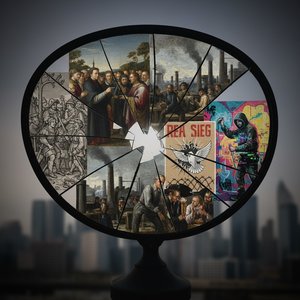
Reflecting Society's Shadows: Social Commentary in Art Through the Ages
Explore the powerful history of social commentary in art! Discover key artists like Hogarth & Daumier, movements from Realism to American Social Realism, and how art reflects—and challenges—society. Expert insights at OriginalUniqueArt.