

 Vaata sisu
 Jaga teost
 Jaga
Jaga
 Detailid
 Õppekate juhend

 Laadi alla
 Sarnased teosed
 Röntgenuuring
 Slaidietendus
 Statistika
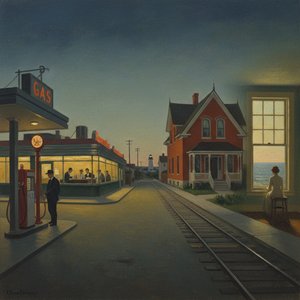
Approaching Night
 Impressionism
 1917
1917 28.0 x 41.0 cm
 Touchstones Rochdale
 Loe lähemalt
Sellel lehel kuvatav kunstiteos on kaitstud autoriõigusega, mis tähendab, et meil ei ole seaduslikku õigust luua või müüa identset reproduktsiooni. Seda kaitset rakendatakse rahvusvaheliste kokkulepete alusel, nagu näiteks Berne konventsioon ning riiklike seadustega, sealhulgas nendega, mida on sätestatud USA autoriõiguse seadus – 17. peatükk.
See meetod järgib täielikult autoriõiguse reegleid, kuna see ei põhine kaitstud kunstiteose kopeerimisel või dupliteerimisel. Selle asemel on tegu loova reinterpreetatsiooniga – uue maaldisega, mis on algteosest inspireeritud, kuid ei ole sellest identiline.
Giclée / Kunstiprint
Muuseumikvaliteediga giclée- või kangasprint kiire tootmisega ja paindlikud viimistlusvõimalused. ( Telli käsitsi maalitud reproduktsioon Ülemineku digitaalse pildi müügi kanalisse)




































Vali meie eelmääratud suurused, mis vastavad teose algupärastele proportsioonidele.

Sisestage vajalik laius ja kõrgus, et see sobiks teie raamile või seinale. Trükki saab ainult lõigata, seda ei saa kunagi pildist suuremaks teha, seega ka differentse vormiga suurus kaotab osa pildist. Enne trükkimist saadame teile kinnitamiseks digitaalse näidisprojektsiooni. Sellel lehel näidatud pilt ei kujuta reaalset lõiget — seda näitab ainult näidisprojekttsioon.
Ülemaailmne tarne () 2 nädala jooksul, tavalise 4/5 nädala asemel. (26 oktoober)

Tasuta ekspresssaatmine üle maailma

Kõrgekvaliteediline lina-kangastest muld

Täielik transpordikindlustus

Tollimaksude tagastamise garantii

Värvitoime täpsuse garantii

100 päeva tagastusõigus (ainult defektide korral)

100% raha tagasi garantii

Hulgusoodustus
 Klaasivalik on saadaval ainult kuni 110 cm suuruses teostes

Approaching Night
Giclée / Kunstiprint
Reproduktsiooni mõõtmed
-


Lõppsumma
€ 70
Composition and Style
The painting depicts a scene of a herd of cattle standing in front of a house with a barn, creating a sense of depth and tranquility. The animals are positioned in various directions, adding variety to the composition. A person is visible near the center of the painting, possibly tending to the livestock or observing them from afar. The overall atmosphere of the painting suggests a peaceful rural setting where humans and animals coexist harmoniously. Key elements of the painting include the use of warm colors, such as browns and oranges, which evoke a sense of comfort and serenity. The brushstrokes are bold and expressive, adding texture and depth to the scene. The artist's attention to detail is evident in the rendering of the animals and the landscape.Artist and Museum
William Edward Stott was a British artist known for his landscapes and rural scenes. His work can be found in various museums, including the Touchstones Rochdale. For more information on the artist and his works, visit William Edward Stott: Approaching Night. Other notable paintings by the artist include Ploughing, Early Spring, which can be found on OriginalUniqueArt.com.- Rural life is a common theme in William Edward Stott's work, showcasing his ability to capture the essence of nature.
- The Touchstones Rochdale museum houses a collection of artworks, including paintings by William Edward Stott.
- For more information on the artist and his works, visit OriginalUniqueArt.com.
The Approaching Night painting is a beautiful representation of rural life, showcasing the artist's ability to capture the essence of nature. With its warm colors and bold brushstrokes, this piece is a must-see for anyone interested in landscape and rural scene paintings.
Küsimused ja vastused
Mis on teose „Approaching Night“, autor William Edward Stott kuju ja mõõdud?
„Approaching Night“, autor William Edward Stott on Landscape kompositsioon, mille originaalsed mõõdud on 28 x 41 cm.
Kui harmoniliselt on teoses „Approaching Night“, autor William Edward Stott värvid ühendatud?
Teose "Approaching Night" värviharmonia on Strong Color Unity.
Kust William Edward Stott korduvad teemad Approaching Night kohta peegeldavad?
William Edward Stott dokumenteeritud teemade — barbizon school, impressionism", naturalistic landscape, rural life", agricultural society, british countryside, "classi — seas eeldab teos "Approaching Night" erilist tähelepanu teemadel rural landscape, cattle farm scene, twilight setting, british countryside, impressionist style, peaceful pastoral, warm color palette.
Kunstniku elulugu
A Vision of English Light: The Life and Legacy of William Edward Stott
In the tapestry of late Victorian art, few threads possess the quiet, evocative strength of William Edward Stott. Born in 1855 amidst the industrial landscape of Wardleworth, near Rochdale, Stott emerged from a world defined by the rhythmic toil of Lancashire’s cotton mills. While his father, Samuel Stott, presided over a successful mill, the young artist’s gaze was frequently drawn away from the smoke of industry toward the enduring beauty of the natural world. This early exposure to the stark contrasts between industrial progress and rural tradition would become a cornerstone of his artistic identity, instating in him a profound empathy for the lives of those tethered to the land.
Stott’s journey was one of significant geographical and stylistic evolution. His formal training took him to the heart of the art world in Paris, where he studied under the esteemed academic painter Carolus Duran. While this period provided him with a rigorous foundation in meticulous technique and classical composition, it also placed him at the epicenter of a burgeoning revolution. The whispers of Impressionism and the soulful, earth-bound realism of the Barbizon School began to permeate his consciousness. He found himself deeply moved by the work of Jules Bastien-Lepage, whose ability to marry naturalistic detail with an atmospheric, almost poetic sense of light offered Stott a new vocabulary for his own explorations.
The Art of Atmosphere and Rural Narrative
As his style matured, Stott transitioned from the rigid constraints of academicism toward a more fluid, emotive approach. His canvases became windows into a vanishing way of life, capturing the subtle shifts of light that define the English countryside. He did not merely paint landscapes; he painted atmospheres. Whether it was the soft, encroaching shadows in Approaching Night or the warm, sun-drenched serenity found in The Watering Place, Stott possessed a rare gift for rendering the ephemeral qualities of the air and the earth.
His subject matter often centered on the dignity of rural labor and the quiet rhythms of pastoral existence. In works such as Ploughing, Early Spring, one can sense the connection between the artist and his subjects—a shared understanding of the seasonal cycles and the physical reality of the landscape. His technique utilized a sophisticated palette to evoke mood, often employing:
- Naturalistic Color Palettes: Using earthy tones to ground his scenes in reality.
- Impressionistic Brushwork: Capturing the fleeting movement of light and wind.
- Tonal Depth: Creating a sense of space and melancholy through carefully managed shadows.
Historical Significance and Enduring Resonance
Though Stott may not have attained the global celebrity of his contemporaries like Monet or Renoir, his contribution to the British aesthetic remains vital. He stood at a pivotal historical crossroads, navigating the transition from the structured traditions of the 19th century to the more experimental sensibilities of the early 20th century. His work serves as a poignant historical record, preserving the essence of an English landscape and a social order that were rapidly being transformed by the very industrial forces he witnessed in his youth.
Today, Stott’s paintings continue to resonate with a modern audience, offering a sense of tranquility and a nostalgic connection to the pastoral. His ability to imbue ordinary scenes with extraordinary emotional weight ensures his place in the canon of British Naturalism. To view a Stott painting is to experience a moment of stillness—a chance to witness the quiet dignity of the earth and the enduring, beautiful melancholy of the passing light.

William Edward Stott
1918 -
Lühikest infot
- Full Name: William Edward Stott
- Nationality: British
- Date Of Birth: 1918
- Date Of Death: March 19, 1918
- Place Of Birth: Wardleworth, Rochdale, UK
- Notable Artworks:
- Approaching Night
- Rural Landscapes
- Artistic Movement Or Style: Naturalism, Barbizon, Impressionist
- Artists Who Influenced This Artist:
- Bastien-Lepage
- Corot
- Millet
- Artists Or Movements Influenced By This Artist: ['New English Art Club']
Sarnased artiklid
Edward Hopperi 25 parimat teost: Valgus, vari ja ameerika hingus seinakaunistuseks | OriginalUniqueArt
Avastage Edward Hopperi 25 parimat teost! Sukelduge valgusest ja varjust täis maailma, mis peegeldab ameerika hingust. Leidke inspiratsiooni kodukaunistuseks ja kvaliteetsed kunstireproduktsioonid OriginalUniqueArt.com-ist. Vaadake kogu kollektsiooni online!

Impressionistic Landscapes: 10 Masterpieces That Changed Art & Decor
Journey into the heart of Impressionism! Explore 10 masterpieces by Monet, Renoir & Degas that revolutionized landscape art. Discover their stories, techniques & find museum-quality reproductions to elevate your home decor on OriginalUniqueArt.com.

Impressionistliku Maastiku Tipp 10 Meisterteost: Kunsti ja Disaini Klassika
Avasta impressionistliku maastikukunstiga 10 legendaarset meistriteost! Monet, Renoir jt. värvilised maailmad ja kunstnike lood – OriginalUniqueArt.com pakub kaunite kunstide ajaloo klassikat seinakaunistuseks. Uuri kollektsiooni!

John Constable: 25 Suurimat Teost Inglise Maastikumaali Tippu
Avastage John Constable'i 25 suurimat teost! Sukeldu inglise maastikumaali romantismisse, imetlege Dedham Vale ilu ja leia inspiratsiooni kodukaunistuseks. Kvaliteetsed kunstireprodutsioonid OriginalUniqueArt.com-is. Vaata kohe!

Cultivating Visions: A Historical Journey Through Rural Landscapes in Art
Explore the rich history of rural landscape painting with OriginalUniqueArt. Discover Impressionist masterpieces, key artists & movements. Find your perfect serene artwork and bring nature's beauty home.