
 Eelvaade
 Saada
Saada Jaga
Jaga
 Teave teose kohta

 Laadi alla
 Sarnased teosed
 Röntgenuuring
 Slaidietendus
St Joseph
 Oil On Canvas
- WallArt
- Pre-Raphaelite
 1847
1847 79.0 x 55.0 cm
 Royal Collection
 Loe lähemalt
Giclée / Kunstiprint
Muuseumikvaliteediga giclée- või kangasprint kiire tootmisega ja paindlikud viimistlusvõimalused. ( Osta käsitsi maalitud maal Osta pilt)




P118B $10

P118H $10

P118W $10

P438Z $10

P508JH $12

P508YH $12

P805H $10

P805Z $10

P919BZ $10

P919G $10

P919XJ $10

P959ZH $10

P968JZ $12

W106C $8

W218G $10

W218JH $8

W218Y $10

W307PJ $10

W316G $10

W316PJ $8

W316Y $10

W398PJ $8

W4111J $10

W500HY $15

W500JH $15

W692G $12

W849H $8

W940BG $15

W953PJ $8




Vali meie eelmääratud suurused, mis vastavad teose algupärastele proportsioonidele.

Saate sisestada oma mõõdud, et need sobiks konkreetse raami või ruumi sisse. Kui valitud suurus ei vasta originaalteose proportsioonidele, lõigame teose ära või laiendame pilti peegeldatud või ühtlase servaga. Enne tootmisprotsessi algust saadetakse Teie kinnitamiseks digitaalne näidis.
Palun märka, et ekraanil kuvatav eelvaade ei kajasta tegelikku lõigamist või laiendamist. Ainult näidis kujutab täpselt lõplikku kompositsiooni.
Kuigi erimõõdu on saadaval, soovitame originaaproportsioonide säilitamiseks valida mõõt ette määratud nimekirjast.
Ülemaailmne tarne () 2 nädala jooksul, tavalise 4/5 nädala asemel. (7 september)

Tasuta ekspresssaatmine üle maailma

Kõrgekvaliteediline linakangas

Täielik transpordikindlustus

Tollimaksude tagastamise garantii

Värvitoime täpsuse garantii

100 päeva tagastusõigus (ainult tootmisdefektide korral)

100% raha tagasi garantii

Hulgusoodustus
 Klaasivalik on saadaval ainult suuruses kuni 110 cm

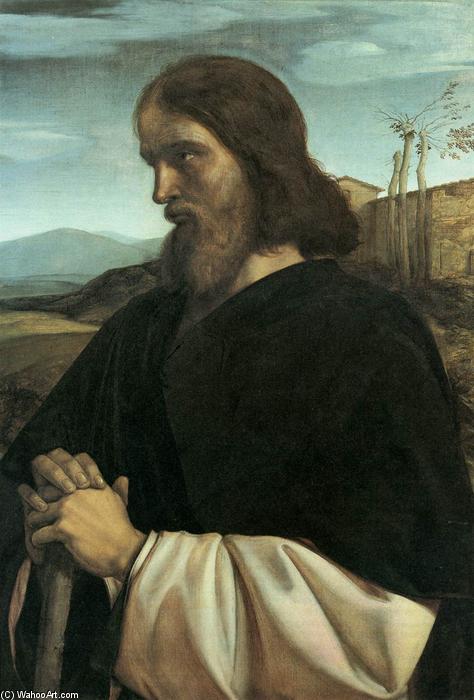
St Joseph
Giclée / Kunstiprint
Reproduktsiooni suurus
-


Kogusumma
$ 80
The Serene Figure: William Dyce’s St. Joseph
William Dyce's "St. Joseph" is more than a portrait; it’s a carefully constructed meditation on faith, domesticity, and the quiet dignity of a biblical figure. Painted in 1847 during a period of burgeoning Pre-Raphaelite influence in England, this oil-on-canvas work transcends mere representation to become a deeply evocative study of human character. Dyce, a pivotal figure in establishing art education within the British system, imbues the scene with an almost palpable sense of contemplation – Joseph’s gaze, slightly turned leftward, suggests a man lost in thought, perhaps reflecting on his role as guardian of Mary and infant Jesus.
The composition itself is remarkably restrained. Dyce eschews dramatic gestures or elaborate drapery, opting instead for a directness that draws the viewer into Joseph’s world. The muted palette – dominated by earthy browns, ochres, and subtle greens – contributes to the painting's overall sense of solemnity and timelessness. Notice how Dyce masterfully employs light and shadow; it isn’t harsh or theatrical but rather a gentle diffusion that softens the features and emphasizes the texture of Joseph’s clothing, hinting at both its practicality and the inherent value placed upon his role.
A Pre-Raphaelite Echo
Dyce's work firmly resides within the orbit of the Pre-Raphaelites, though he never formally joined their brotherhood. The influence is evident in his meticulous attention to detail, his preference for naturalistic rendering, and his exploration of religious themes with a heightened sense of emotional resonance. The painting shares similarities with works by Millais and Rossetti – particularly in its focus on the domestic sphere and the portrayal of biblical figures as relatable human beings. However, Dyce’s approach is subtly different; there's a greater emphasis on psychological depth and a quiet reverence that distinguishes his style.
The choice of subject matter itself—St. Joseph—is significant. Often overshadowed by Mary and Jesus in traditional iconography, Joseph represents the steadfastness, humility, and protective spirit essential to the Christian narrative. Dyce’s portrayal elevates him beyond a mere supporting character, presenting him as a man of quiet strength and unwavering devotion.
Craftsmanship and Context
Created in 1847, “St. Joseph” reflects the artistic climate of Victorian England. The Royal Collection, where it currently resides at Windsor Castle, speaks to its historical importance and enduring appeal. Dyce’s technical skill is undeniable; his brushwork is smooth and controlled, creating a sense of depth and texture that invites close examination. The canvas itself, likely prepared by a skilled craftsman, provides an ideal surface for Dyce's meticulous rendering.
Furthermore, the painting was commissioned by Prince Albert, highlighting its significance within the royal household. This connection adds another layer to the artwork’s narrative – it wasn’t merely a devotional image but also a symbol of familial piety and the values championed by the Victorian monarchy. The inclusion of the landscape background—rolling hills under a cloudy sky—further grounds the scene in a tangible reality, suggesting that Joseph's faith is rooted in the everyday world.
A Legacy of Reflection
“St. Joseph” remains a powerful and moving work of art. It’s a testament to Dyce’s artistic vision and his ability to capture the essence of human emotion through meticulous observation and skillful execution. More than just a depiction of a biblical figure, it's an invitation to contemplate themes of faith, family, and the quiet dignity of ordinary lives. Reproductions of this piece offer a beautiful opportunity to bring a touch of Victorian serenity and contemplative grace into any space.
Kunstniku elulugu
Varajärgi ja kunstiline haridus
William Dyce (1806–1864) sündis Aberdeenis, Šotlandias, arst Dr William Dyce FRSE ja rikkast pangandusmehe tütarlaps Margaret Chalmersi pojana. Tema perekond kultivis temas õppimise ja kultuuri väärtustamist, luues tugeva vundamendi tema tulevikusteks kunstilisteks ambitsioonideks. Ta käibus Aberdeenis asuvates Marischal College'i ülikooli esinduses, kust ta lõi magistrikraadi juba kaheksteistkümnena — see oli oma ajastu jaoks hämmastav saavutus. Tundes oma disainivalmidust, jätkas Dyce ametlikku õpet, osutades Royal Academy Schoolsid Edimburgis ja Londonis, süvenedes klassikaliselt kunstile ja omandades tehnikaid, mis olid tema hilisemale karjäärile hädavajalikud. Tema kujundusvuasaid aastaid isutasid Skotiandes ja Inglismaal laialt levinud mõjuvaid kunstilisi ideemaailmasid, mis kujundasid tema esteetilist tundlikkust ning kinnistasid teda õpilasena, kes oli sügavalt pühendunud kunstilisele täiuslikkuselle.Itaalsed mõjud ja kunstiline areng
Dyce esimene suurem reis välismaale toimus 1eks 1825. aastal, kui ta rändas Rooma — see oli võtmehetk, mis muutis igavesti tema kunstilise elu suunda. Olles inspireeritud Renessanssi kunniootusest ja võlates end Nazareenide maalidid vaimuga, veetas Dyce ühekseks kuuks hoolikalt Tiziani ja Poussini teoseid uurides, imeldes nende kompositsioonipõhimõtteid ning omandades nende meistralust rikkaliku värvikasutuse. See süvenemine Itaalia kunstipärandisse mõjutas sügavalt tema stiili, edustades eelist detailsetele uuringutele ja sügavale vaimsele kontemplatsioonile — omadustele, mis said hiljem tema loomingu kaubamärgiks. Ta naasid Aberdeenisse 1926. aastal, jätkates oma meisterlikkuse teravmist asja lapsed ja luues mitmeid märkimisväärseid teoseid, sealhulgas teose "Bacchus Nursed by the Nymphs of Nysa", mis leidis suurt tunnustust.Edinburgi aastad ja portreimaal kunst
1830. aastate keskel kinnistas Dyce end Edinburgis portretistina, hankides tellimusi Šoti sotsiaalkonna prominentsetelt isikutelt. Tema hoolikus detailide suhtes — eriti võime vangistada peened avalikustused ja psühholoogilised nüanssid — tõi talle suurt mainet. Ta ühendas oskuslikult klassikalised mõjud romantilise tundlikkusega, luues portreid, mis olid nii esteetiliselt rafineeritud kui ka emotsionaalselt kütkestavad. Samal ajal tõukus ta kunstihariduse eest, soovides luua Edinburgis disainikoolit, mille juhtimisel ja moderniseerimisel ta osales kuni 1843. aastani.Londoni tegevus ja arhitektuuriline patroonlus
1837. aastal liikus Dyce Londoni, et võtta vastu disainikooli ülemme roll Somerset House'is. See oli tema karjääris märkimisväärne pöördepunkt, mis tõi teda Victorian ajastu kunstilise arutelude südamesse ning avas talle ligipääsu mõjuvate patroonidele — eriti prints Albertile. Ta teostas laiaulatuslikku uuringut välismaistest kunstihariduse praktikadest, mis andis aluse "South Kensington Systemi" loomisele ja domineeris Inglismaa kunstipõhjalist õpetust aastakümnetel. Dyce'i panus ei piirdunud vaid pedagoogiliste pingutustega; ta tegeles ka konsultantina arhitektuuriprojektides, sealhulajades uue Riiklikul Parlamentil (Houses of Parliament) projekti, mis demonstreeris tema freskoteknika meistriklassi ja kinnistas tema mainet kui ühed Briti kõige es frontline kunstnikud.Suured saavutused ja pärand
Dyce'i kunstiline pärand tugineb peamiselt kahte monumentaalset ettevõtet: Westminster Abbey dekoratsioonile ja Riikliku Parlamendi loomisele. Tema freskod Westminster Abbey's — eriti "Neptune Resigning to Britannia" — esindavad Victorian ambitsioonide ja kunstilise visiooni triumfi, sümboliseerides imperialistliku Briti suurmeedust ning demonstreerides Dyce'i võrratumat oskust freskoteknikas. Kuid tema kõige kuulsam teos on ikka jäänud "Pegwell Bay, Kent" — maalistus, mis näitab Dyce'i täpsust looduse jälgimisel ja suutlikkust edastada sügavat emotsionaalset sügavust. Lisaks on Dyce'i panused kunstihariduses — Royal College of Art'i asutamine ja tema toetus innovaatilistele õppemetoodikatele — jäänud alles kui tunnistus tema vankumatule usule kunstipõhjalise hariduse transformatsioonivõimule. William Dyce jääb kunstnikuna, kelle töö kehastab Victorian Briti vaimu — iseloomustatuna intellektuaalse uudishimu, moraalilise tõsiduse ja inimkultuuri tõstmise poole surenud kireliku pühendumusega.
William Dyce
1806 - 1864 , Ühendkuninga Realm
Lühikesed faktid
- Artistic Movement Or Style: Pre-rafaeliidid
- Artists Or Movements Influenced By This Artist: ['Nazareenid']
- Artists Who Influenced This Artist:
- Friedrich Overbeck
- John Ruskin
- Date Of Birth: 1806-09-19
- Date Of Death: 1864-02-14
- Full Name: William Dyce
- Nationality: Šotlaste
- Notable Artworks:
- Pegwell Bay, Kent
- Madonna ja laps
- Dunstan eraldamas Edwy't ja Elgivat
- Place Of Birth: Aberdeen, Ühendkuningriik
Seotud artiklid

Oil on Canvas: A Historical & Technical Exploration of a Timeless Artistic Medium
Explore the rich history & enduring techniques of oil painting on canvas. Discover the science behind its longevity, conservation practices, and contemporary relevance. Expert insights for art enthusiasts.

El Greco 25 parimat teost: Hingemattev kunst kollektsioon OriginalUniqueArt.com-is
Avastage El Greco 25 parimat teost! Sukelduge hispaania renessansi ja baroki maailma. Vaadake ikoonilisi maale nagu St Sebastian, Laagendatud Maria ja palju muud. Leidke täiuslik kunstiteos oma kodule OriginalUniqueArt.com-is – kvaliteetsed reproduktsioonid ja inspiratsioon interjööridisainiks. Avastage kogu

The Enduring Legacy of Oil on Canvas: Technique, History & Aesthetic Impact
Explore the rich history & techniques of oil painting – from Renaissance masters to Impressionism. Discover pigments, layering methods, and why this timeless medium endures. Expert insights for artists & art enthusiasts.

The Enduring Power of Painting: A Historical & Contemporary Exploration of Form and Emotion
Explore the rich history & enduring techniques of oil painting with OriginalUniqueArt. Discover masterpieces, learn about art collecting, and find authentic handmade reproductions crafted by skilled artists.

Lõuendi püsivus ja väljendusvõime: Tehnika, ajalugu ja kaasaegne praktika
Avastage lõuendi püsivuse ja väljendusvõime saladused! Ajaloolised tehnikad, kaasaegsed lähenemised ja ekspertide nõuanded maalikunsti austajatele. Lugege nüüd!