Lülita trükkitoodetele
 Loe lähemalt







































 Kunstiteoste või reproduktsioonide puhul, mille üks külg on üle 105 cm (umbikmolt 41 tolli), saadetakse raam kirjal asendis, la Dismantlitud komplektina. See meetod tagab ohutuse kohaletoimetamisel ja väldib transpordil tekkivaid kahjustusi.


William Blake’s “The Sun in His Wrath”: A Visionary Encounter Between Divinity and Nature
William Blake's The Sun in His Wrath stands as a cornerstone of Romanticism—a movement that prioritized emotion, imagination, and individual experience above rational observation.
Composition and Symbolism: Harmony Within Paradox
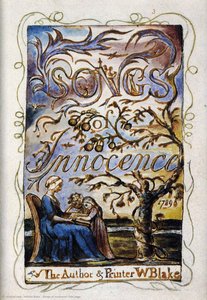
Painted in 1820, this watercolour captures a serene tableau featuring a woman accompanied by another figure before a prominent tree. Two trees flank the central figures, while an angelic presence hovers aloft—a celestial being embodying the sun or divine illumination. This deliberate arrangement isn’t merely aesthetically pleasing; it embodies Blake's profound belief in the interconnectedness of all creation – a microcosm reflecting the grand scheme of God.
Neo-Romantic Influence: Rejecting Realism for Transcendental Beauty
Blake’s work aligns powerfully with Neo-Romanticism, emerging after Romanticism itself. Unlike its predecessor, Neo-Romanticism actively eschewed realism and naturalism, instead embracing elements from the Romantic era. Neo-Romanticism championed imagination, fantasy, and a deep engagement with human emotion—qualities vividly realized in Blake’s artistic vision.
Blake's Artistic Style: Mysticism Embodied
William Blake was celebrated as a visionary artist renowned for his poetic and prophetic works. His paintings frequently depicted dreamlike scenarios populated by symbolic figures, reflecting his fervent interest in mysticism and spirituality. “The Sun in His Wrath” exemplifies this distinctive style, fusing natural imagery with celestial references—creating an atmosphere of wonder and awe that transcends mere visual representation.
Beyond Blake: Echoes in Richmond’s Landscape Paintings
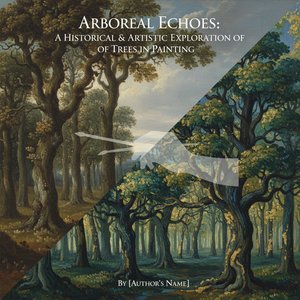
Blake's influence extends beyond his own oeuvre; artists like Sir William Blake Richmond absorbed his aesthetic principles. Richmond’s landscapes, particularly “Trees at Bocca d’Arno,” demonstrate a similar preoccupation with capturing the sublime—the awe-inspiring grandeur of nature perceived as infused with divine presence. This stylistic kinship underscores Blake’s enduring legacy as a pioneer of Romantic landscape painting.
Exploring Further: Reproduction Quality & Artistic Inspiration
For those seeking to experience “The Sun in His Wrath” firsthand, OriginalUniqueArt offers meticulously crafted oil painting reproductions that faithfully preserve the original artwork's nuances. Visit OriginalUniqueArt to discover a curated collection of exceptional prints and immerse yourself in the artistic spirit of Blake’s timeless masterpiece.
Korduvad küsimused
Millale William Blake karjääri etapile vastab teose "The Sun in His Wrath" kuupäev 1820?
"The Sun in His Wrath", mis loodi aastal 1820, kuulub William Blake loomingulise karjääri perioodi Mature Period.
Millisesse ruumi on teose „The Sun in His Wrath“, autor William Blake värvide tõttu soovituslik paigutada?
Olles värvipalett Neutraalsed toonid, on teos „The Sun in His Wrath“, autor William Blake soovitatav ruumideks Elutuba. Just needistlikud toonid on üks põhjuseid selle soovituse taga.
Millisse kunstisuuna kuulub teos „The Sun in His Wrath“, autor William Blake?
Teosest „The Sun in His Wrath“, autor William Blake tuntud kunstisuuna on Romanticism. See klassifikatsioon aitab teost paigutada sarnaste kunstnike ja teoste hulka.
 Eelvaade
 Saada
Saada Jaga
Jaga
 Teave teose kohta
 Juhend

 Laadi alla
 Sarnased teosed
 Röntgenuuring
 Slaidietendus
 KÜSIMUSED JA VASTUSID
 Statistika