
 Preview
 Saada
Saada Jaga
Jaga
 Teave teose kohta

 Laadi alla
 Sarnased teosed
 Röntgenuuring
 Slaidietendus
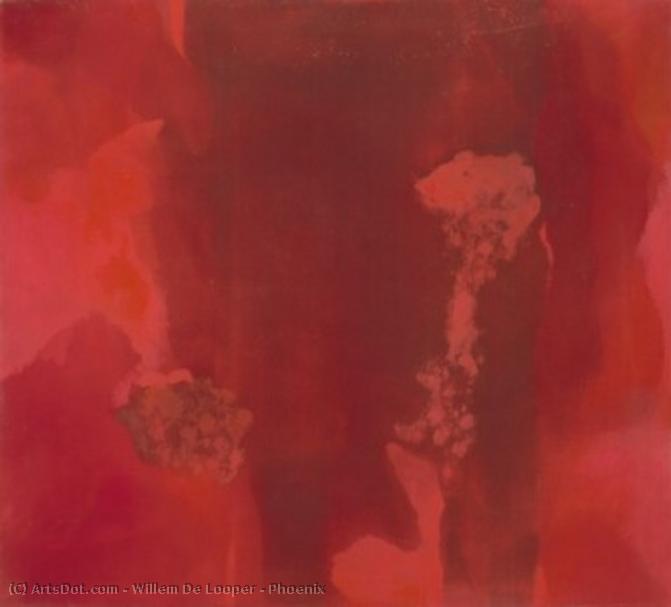
Phoenix
 1970
1970 191.0 x 213.0 cm
 Loe lähemalt
Käsitsi valmistatud õlimaalireproduktsioon
Meie kunstnike poolt tellimusel valmistatud käsitsi maalitud õli-kainaste teos teie soovitud suuruses ja raamis. ( Switch to Print Switch to Image)




































Vali meie eelmääratud suurused, mis vastavad teose algupärastele proportsioonidele.

Sa võite sisestada oma mõõtmed konkreetse raami või ruumi sobivuse tagamiseks. Kui teie valitud suurus ei vasta originaalpildi proportsioonidele, siis kärvime kunstiteost või laiendame maali täiendavate käsitsi maalitud elementidega. Enne tootmise algust saadetakse teile heakskiitmiseks digitaalne eelvaade.
Palun pidage meeles, et ekraanil kuvatav eelvaade ei kajasta tegelikku kärpimist või laiendamist. Ainult eelvaade näitab täpselt lõplikku kompositsiooni.
Kuigi on saadaval kohandatud suurused, soovitame originaalproportsioonide säilimiseks valida mõõdud eelmääratletud nimekirjast.
Pärast tellimust saadab OriginalUniqueArt.com meeskond kliendile e-posti juhised ning esitab eelvaate kavandi.
Maailmline tarne 3–4 nädala jooksul tavalise 5 nädala asemel. (28 juuli). Kvaliteedis kompromisse ei tehta.

Tasuta ekspresssaatmine üle maailma

Kõrgekvaliteediline linakangas

Täielik transpordikindlustus

Tollimaksude tagastamise garantii

Värvitoime täpsuse garantii

60-päevane tagastusõig: ainult tootmisdefektide korral

100% raha tagasi garantii

Hulgusoodustus
 Klaasivalik on saadaval ainult suuruses kuni 110 cm

Phoenix
Reproduktsiooni tehnika
Reproduktsiooni suurus
-


Kogusumma
$ 300
Kunstniku elulugu
Willem Johan de Looper (1932–2009): A Pioneer of Color Field Painting
Willem Johan de Looper (October 30, 1932 – January 30, 2009) stands as a significant figure in American Abstract Expressionism and the broader landscape of color field painting. Born in The Hague, Netherlands, his formative years were shaped by a Montessori education and profoundly impacted by the anxieties of World War II—a period marked by displacement and familial resilience.
- Early Life & Education: De Looper’s upbringing instilled in him a meticulous attention to detail and an appreciation for observation, qualities that would later inform his artistic approach. His brother's encouragement fueled his ambition to pursue higher education, culminating in a degree from American University where he studied under influential mentors like Robert Gates and Ben Summerford.
- Influence of American Culture: The arrival of publications such as *The New Yorker* during the war years proved pivotal. De Looper was captivated by their exploration of culture, music, advertising, and art—a fascination that propelled him toward a career in visual arts and cemented his lifelong admiration for American artistic traditions.
- Military Service & Initial Artistic Exploration: Serving two years in the United States Army during the Korean War provided De Looper with valuable experience and broadened his worldview. Following his discharge, he began his museum career at The Phillips Collection, where he honed his skills as a curator and developed an enduring connection to the art world.
De Looper’s artistic journey commenced in the late 1960s with a groundbreaking technique—abandoning brushes altogether. He embraced a process of layering acrylic paint onto canvas, creating expansive compositions dominated by harmonious color fields devoid of representational imagery. This method, championed by fellow Washington Color School artists like Paul Klee and John Marin, represented a radical departure from traditional painting conventions.
- Washington Color School Movement: De Looper’s participation in the Washington Color School movement solidified his reputation as an innovator who prioritized pure color and atmospheric resonance. His canvases—characterized by broad stripes of pigment—became emblematic of this influential artistic trend.
- Notable Works: Among his most celebrated pieces are “Phoenix” and “The Duke,” which exemplify De Looper’s distinctive style and demonstrate his masterful command of color and texture. These paintings, housed in prominent museums across the United States and internationally, continue to inspire admiration for their simplicity and profound emotional impact.
Throughout his career, De Looper maintained a steadfast commitment to artistic integrity and pursued excellence with unwavering dedication. His legacy extends beyond individual artworks; he served as chief curator at The Phillips Collection for decades, shaping the museum’s collection and fostering dialogue about contemporary art. Willem Johan de Looper's contribution to American Abstract Expressionism remains indelible—a testament to his visionary approach and enduring artistic vision.
- Museum Curator: De Looper’s tenure at The Phillips Collection underscored his passion for promoting artistic understanding and enriching cultural experiences.
De Looper died January 30, 2009, leaving behind a rich artistic output that continues to resonate with collectors and critics alike.

willem johan de looper
1932 - 2009 , Netherlands
Lühikesed faktid
- Artistic Movement Or Style: Washington Color School
- Artists Or Movements Influenced By This Artist: ['Color Field painting']
- Artists Who Influenced This Artist:
- Paul Klee
- John Marin
- Arthur Dove
- Date Of Birth: October 30, 1932
- Date Of Death: January 30, 2009
- Full Name: Willem Johan de Looper
- Nationality: Dutch-American
- Notable Artworks:
- Phoenix
- The Duke
- Place Of Birth: The Hague, Netherlands

