

 Vaata sisu
 Jaga teost
 Jaga
Jaga
 Detailid
 Õppekate juhend

 Laadi alla
 Sarnased teosed
 Röntgenuuring
 Slaidietendus
 Statistika
Juudiit
 Akrüülkainal
- Seinakunst
- Venetian Renaissance
 1520
1520 82.0 x 65.0 cm
 Fondazione Querini Stampalia
 Loe lähemalt
Käsitsi valmistatud õlimaalireproduktsioon
Meie kunstnike poolt tellimusel valmistatud käsitsi maalitud õli-kainaste teos teie soovitud suuruses ja raamis. ( Lülita trükkitoodetele Ülemineku digitaalse pildi müügi kanalisse)




P118B €10

P118H €10

P118W €10

P438Z €10

P508JH €12

P508YH €12

P805H €10

P805Z €10

P919BZ €10

P919G €10

P919XJ €10

P959ZH €10

P968JZ €12

W106C €8

W218G €10

W218JH €8

W218Y €10

W307PJ €10

W316G €10

W316PJ €8

W316Y €10

W398PJ €8

W4111J €10

W500HY €15

W500JH €15

W692G €12

W849H €8

W940BG €15

W953PJ €8




Vali meie eelmääratud suurused, mis vastavad teose algupärastele proportsioonidele.

Sisestage vajalik laius ja kõrgus, et teos sobiks teie raamile või seinale. Kuna tegu on käsipainatud teosega, siis erineva kujuga suuruse korral võib kunstnik jätta pildi ümber veidi rohkem marginaali või lõigata osa ära — valik on teie. Enne maali alustamist saadame teile kinnitamiseks digitaalse näidisprojektsiooni. Sellel lehel näidatud pilt ei kajasta tegelikku tulemust — seda näitab ainult näidisprojekttsioon.
Pärast tellimust saadab OriginalUniqueArt.com meeskond kliendile e-posti juhised ning esitab eelvaate kavandi
Maailmline tarne 3–4 nädala jooksul tavalise 5 nädala asemel. (23 oktoober). Kvaliteedis kompromisse ei tehta.

Tasuta ekspresssaatmine üle maailma

Kõrgekvaliteediline lina-kangastest muld

Täielik transpordikindlustus

Tollimaksude tagastamise garantii

Värvitoime täpsuse garantii

100 päeva tagastusõigus (ainult defektide korral)

100% raha tagasi garantii

Hulgusoodustus
 Klaasivalik on saadaval ainult kuni 110 cm suuruses teostes

Juudiit
Reproduktsiooni materjal
Reproduktsiooni mõõtmed
-


Lõppsumma
€ 264
Judith: A Venetian Masterpiece Reflecting Mortality and Divine Justice
Vincenzo Catena’s “Judith,” painted circa 1520, stands as a testament to the enduring fascination with biblical narratives within the Venetian Renaissance. This striking depiction captures a pivotal moment from Jewish folklore – Judith, a Moabite widow driven by piety and courage, decapitates Holofernes, Assyrian general besieging Jerusalem, securing Israel’s salvation.
- Subject Matter: The painting portrays Judith holding the severed head of Holofernes, accompanied by Abraam, her loyal servant. This dramatic composition emphasizes the triumph over evil and celebrates female fortitude.
- Style & Influences: Catena’s artistic vision draws heavily from Giovanni Bellini's serene aesthetic, particularly evident in the subtle drapery folds and luminous coloration. However, he skillfully incorporates elements characteristic of Titian and Giorgione—a dynamic interplay of light and shadow that imbues the scene with palpable emotion.
- Technique: Catena employed oil paint on canvas, utilizing glazing techniques to achieve remarkable depth and realism. The meticulous attention to detail – from Judith’s expressive gaze to Abraam's solemn posture – underscores his mastery of Renaissance painting conventions.
The historical context surrounding “Judith” is significant. Painted during a period marked by religious fervor and political instability, the artwork reflects broader anxieties about mortality and divine retribution. Holofernes represents pagan arrogance and oppression, while Judith embodies unwavering faith and righteous defiance.
Symbolism permeates every aspect of the painting. The severed head symbolizes victory over evil, yet simultaneously serves as a poignant reminder of death’s inevitability. Judith's crimson dress signifies purity and sacrifice—a visual declaration of her devotion to God. Furthermore, the positioning of Holofernes’ head on the left side contrasts sharply with Judith’s upright stance on the right, reinforcing the narrative’s moral core.
“Judith” transcends mere representation; it evokes a profound emotional response in the viewer. The painting's dramatic lighting and masterful composition convey both terror and triumph—capturing the psychological complexities of heroism and spiritual conviction. It remains an inspiring emblem of resilience and unwavering belief, continuing to resonate with audiences centuries later.
Küsimused ja vastused
Kui palju oli Vincenzo Catena aastane, kui teos "Juudiit" loodi?
Vincenzo Catena loosutas teose "Juudiit" 50 aasta vanuses. Kunstnik on sündinud aastal 1470 ning teos on dateeritud 1520.
Kas teos "Juudiit" autorilt Vincenzo Catena kuulub avalikku omandisse ja miks?
Teos „Juudiit“, autor Vincenzo Catena on avalikus õiguses – selle autoriõigud onหมดunud. Tegijakeskuse kaitse lõpp määratakse kunstniku surmaaja järgi, mis toimus aastal 1531.
Milliseid ühiseid elemente jagab teos "Juudiit" ümbri mõeldu "Vincenzo Catena loominguga"?
Vincenzo Catena loominguses kuulub teos "Juudiit" Venetian Renaissance stiilile, kandes endas ka teemasid nagu bellini, giorgione, titian, religious narrative, classical symbolism, artist legacy.
Kunstniku elulugu
Vincenzo Catena: A Venetian Renaissance Painter
Life and Background
- Born in Venice, Italy around 1470, Vincenzo Catena was a painter of the Venetian Renaissance.
- Little is known about his early life or formal training. Records are scarce regarding his upbringing and initial artistic development.
- He was also sometimes referred to as Vincenzo de Biagio.
- Catena passed away in 1531, leaving behind a modest but significant body of work.
Artistic Development and Influences
- Initially, Catena’s style closely resembled that of Giovanni Bellini, a leading Venetian painter known for his serene Madonnas and refined technique.
- The earliest documented mention of Catena is an inscription on the back of La Laura by Giorgione, where he’s described as Giorgione's *colego* (colleague).
- However, it wasn’t until after Giorgione’s death in 1510 that his innovative influence began to manifest itself in Catena’s paintings.
- He also shows some influences from Titian, another prominent figure of the Venetian School, particularly in his use of color and composition.
Major Works and Style
- Approximately a dozen paintings are confidently attributed to Catena based on signatures.
- The Martyrdom of St. Christina (1520), located in the church of Santa Maria Mater Domini in Venice, is his most securely dated work thanks to an inscription on its marble surround.
- Other notable works include The Adoration of the Shepherds, and several depictions of the Madonna and Child with Saints and Donors.
- Catena’s paintings often feature religious scenes and portraits, characterized by a blend of Bellini's precision and Giorgione’s atmospheric qualities.
- His style is marked by detailed realism, warm color palettes, and rich symbolism, typical of Venetian Renaissance art.
Historical Significance and Legacy
- While not as widely celebrated as some of his contemporaries like Titian or Giorgione, Catena played a role in the development of Venetian painting during a crucial period.
- His work demonstrates the transition between the High Renaissance and the emerging Mannerist styles.
- Wills left by Catena reveal he was a man of considerable wealth and had connections within Venetian humanist circles, suggesting his artistic success extended beyond purely aesthetic recognition.
- Today, Vincenzo Catena’s paintings are valued for their historical importance and offer insights into the artistic landscape of 16th-century Venice.
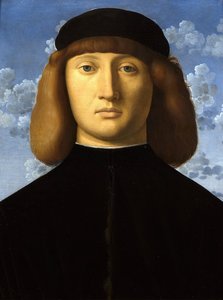
Vincenzo Catena
1470 - 1531 , Italy
Lühikest infot
- Name: Vincenzo Catena
- Movement: Renaissance, Venetian School
- Birth Date: 1470
- Death Date: 1531
- Birth Place: Venice, Italy
- Nationality: Italian
- Date Of Birth: 1470
- Date Of Death: 1531
- Influenced By:
- Giovanni Bellini
- Giorgione
- Notable Works:
- Santa Cristina Altarpiece
- The Adoration of the Shepherds
- Madonna and Child with a Holy Female Martyr, Saint Francis of Assisi and the Donor
- Place Of Birth: Venice, Italy
Sarnased artiklid
Venetian Renaissance: The Golden Age of Color, Light, and Luminous Artistry
Embark on a journey through the Venetian Renaissance. Discover how masters like Giorgione and Titian revolutionized art through luminous color and light. Explore the profound legacy of the Venetian School and its enduring influence on the world of fine art.

Venetian Renaissance: The Mastery of Color, Light, and the Art of Colorito
Explore the luminous mastery of the Venetian Renaissance. Discover how masters like Titian and Giorgione revolutionized art through colorito, light, and atmosphere. An expert guide to the golden age of Italian painting for collectors and enthusiasts.

Giorgione: Enigma and Innovation in Early Venetian Renaissance Painting
Explore the enigmatic world of Giorgione, a pivotal figure in the Venetian Renaissance. Discover his innovative techniques, iconic paintings like 'The Tempest', and lasting influence on art history. Learn more at OriginalUniqueArt.
Titian: Innovation, Technique & the Venetian Renaissance Portrait Tradition
Explore the revolutionary techniques & enduring legacy of Titian, the master of Venetian Renaissance portraiture. Discover insights for collectors & appreciate his impact on art history.

The Golden Light of Innovation: Exploring the Venetian Renaissance Art Movement (1430–1580)
Explore the Golden Age of Venetian art (1430–1580). Discover Giorgione, Titian & Tintoretto's techniques, the 'colorito' revolution, and lasting influence. Expert insights for collectors & enthusiasts.
