Lülita trükkitoodetele
 Loe lähemalt







































 Kunstiteoste või reproduktsioonide puhul, mille üks külg on üle 105 cm (umbikmolt 41 tolli), saadetakse raam kirjal asendis, la Dismantlitud komplektina. See meetod tagab ohutuse kohaletoimetamisel ja väldib transpordil tekkivaid kahjustusi.


A Moment Frozen in Motion: Exploring Vincent van Gogh’s “Dog”
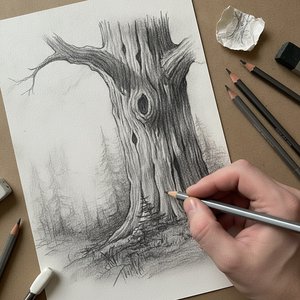
- Subject Matter & Narrative The artwork depicts a dynamic scene of animals—specifically, a dog in motion amidst other dogs and birds. More than just a depiction of creatures inhabiting a landscape, it encapsulates a feeling of unrestrained energy and spontaneity. Van Gogh’s intention wasn't merely to record what he saw; rather, he sought to convey an emotional response to the subject matter – a palpable sense of movement and vitality that transcends literal representation.
- Style & Technique: Impressionistic Echoes While firmly rooted in representational art, “Dog” possesses stylistic qualities reminiscent of Impressionism. This is achieved through Van Gogh’s masterful use of loose brushstrokes and an emphasis on capturing the fleeting effects of light and atmosphere. Unlike academic painting traditions prioritizing meticulous detail, Van Gogh deliberately eschewed precision, favoring instead a technique characterized by direct pencil application with minimal erasing—a bold decision that prioritized expressive gesture over photographic accuracy.
- Composition & Visual Language The diagonal placement of the central dog immediately draws the viewer’s eye and establishes a dominant visual rhythm. Supporting this dynamic element are secondary figures – other dogs and birds – rendered with less detail, serving to heighten depth perception and reinforce the overall impression of movement. Careful consideration is given to perspective; size variations between the foreground dog and background animals contribute to creating an illusion of space.
- Color Palette & Material Considerations The artwork’s monochromatic palette—primarily shades of gray—is a deliberate choice that amplifies the impact of line work and tonal variation. Graphite pencils were employed as the medium, allowing for nuanced shading and textural rendering. This selection underscores Van Gogh's commitment to conveying emotion through form and surface qualities rather than relying on color to stimulate visual sensation.
- Symbolism & Emotional Resonance Beyond its depiction of animals, “Dog” speaks to broader themes of freedom, vitality, and perhaps even vulnerability. The dog’s energetic posture embodies a spirit of unrestrained movement—a defiance against confinement—reflecting Van Gogh's own personal struggles and aspirations during his turbulent life. It invites contemplation on the beauty found in imperfection and the transformative power of artistic expression.
Korduvad küsimused
Kust leian juhendi teose "Dog" kohta?
Teose „Dog“, autor Vincent Van Gogh Õppekasutusjuhend leht pakub trükkideletavat kahele lehele jaotatud infolehte: teose koos identifiekatsiooniga, ajajooni, mis asetab selle kunstniku eluajale, muid kunstniku teoseid, mõõdetud väripaletti ning neljas stiilis kopeerimiseks valmis allatlusi.
Kui eraldavad teose "Dog" värvid?
Teose „Dog“, autor Vincent Van Gogh värvitoit on Muted kütkusega ja Monochromatic intensiivsusega.
Kas teos "Dog" on tüüpiline sellele, mida Vincent Van Gogh tavaliselt lõi?
"Dog" kujutab teemasid animal sketch, motion capture, monochrome drawing, landscape detail, dynamic composition, pencil technique, wildlife scene, samal ajal kui Vincent Van Gogh tuntud teemad on impressionist impressionism, dutch landscape tradition, emotional expression style, movement exploration, artist vision legacy. Nende kahe võrdlemine näitab, kuidas teos seobub kunstniku tavalistega motiividega.
 Eelvaade
 Saada
Saada Jaga
Jaga
 Teave teose kohta
 Juhend

 Laadi alla
 Sarnased teosed
 Röntgenuuring
 Slaidietendus
 Q&A
Q&A Statistika