Impressionism · 1890
Spring (Thomas Wilmer Dewing, 1890)
Thomas Wilmer Dewing (1851–1938) on loonud teose Spring. See on pärinev 1890 aastast. See kuulub Impressionism suuntrime. Teos on valmistatud materjalist Oil On Canvas. Teos asub Smithsonian American Art Museum kogamuses Washington, D.C., USA. Mõõdud on 52 × 88 cm.
- 1890
- Oil On Canvas
- 52 × 88 cm
- Smithsonian American Art Museum, Washington, D.C.

 Eelvaade

 Käsitsi maalatud õlimaalatsioon
 Saada
 Jaga
 Teave teose kohta


 Laadi alla
 Sarnased teosed
 Röntgenuuring
 Slaidietendus
 KÜSIMUSED JA VASTUSID

 Statistika
Spring lühidalt
- Pealkiri
- Spring
- Kunstnik
- Thomas Wilmer Dewing (1851–1938)
- Kunstnik on sündinud
- Boston, Ameerika Ühendriigid
- Kuupäev
- 1890
- Tehnika
- Oil On Canvas
- Mõõtmed
- 52 × 88 cm
- Kus seda näeb
- Smithsonian American Art Museum, Washington, D.C., USA
- Suunad
- Impressionism
- Aeglkond
- 19th Century
- Teema
- pastoral scene, outdoor leisure, women in art, springtime, nature landscape, soft light
Mida Spring kujutab?
Identification of Spring by Thomas Dewing
Spring is an oil on canvas painting by the American artist Thomas Dewing. The work was executed in 1890. This specific piece measures 52 x 88 cm in size. It is currently held in the collection of the Hirshhorn Museum and Sculpture Garden located in the United States.
The artist, Thomas Dewing, was born in Boston, United States. His practice involved the use of oil paints to render figures within outdoor settings. This particular composition depicts a group of women situated in a field characterized by grass and trees. The scene includes figures in various positions, some seated on the ground and others standing, amidst a landscape that contains two birds.
The Composition and Visual Elements
The scene is organized within a lush field where a group of women is positioned amidst tall grass and surrounding trees. The arrangement of the figures creates a sense of depth across the landscape. Some women are standing upright while others are seated directly on the ground. These subjects are engaged in various activities, such as playing games or simply occupying the outdoor space. Two birds are visible within the composition, placed among the natural elements.
The spatial organization is divided into a foreground, a middle ground, and a background. In the foreground and middle ground, the figures interact within the greenery, while the background recedes toward distant, less distinct elements. The horizon line is emphasized by the horizontal expanse of the field. The lighting appears diffused, consistent with an overcast sky, which casts a soft light over the figures and the vegetation. This arrangement creates an atmosphere of movement and social interaction within the natural setting.
Technique and Artistic Style
The work is an oil painting on canvas executed in a loose, impressionistic style. The application of paint is visible throughout the surface, creating a textured, impasto-like quality particularly in the rendering of the grass and the sky. This technique emphasizes the physical presence of the medium. The composition is structured through a clear division of the foreground, middle ground, and background, establishing a sense of spatial depth. Predominantly horizontal lines define the landscape, emphasizing the expanse of the field and the flatness of the terrain.
Organic shapes constitute the primary forms within the scene, including the hills, the fields, and the human figures. The brushwork is spontaneous, utilizing broken color to capture the specific atmosphere of an overcast day. Lighting appears diffused across the landscape. The artist employs a muted color palette and soft, feathery brushstrokes to define the subjects and their surroundings. This approach prioritizes the immediate visual impression of the environment over precise, sharp detail.
Related Works by the Artist
The artist's body of work includes several notable compositions that explore similar themes of female figures in specific settings. The White Dress is identified as a key work within his oeuvre. Other significant pieces include Woman in Black: Portrait of Maria Oakey Dewing, which is an oil on panel, and Lady in Gold, painted in 1912. These works often feature the refined, aristocratic female figures that characterize his tonalist style.
Other compositions from his career include The Recitation, dated 1891, and Summer, also known as Moonrise, which was painted in 1893. These paintings contribute to a collection that includes various works held in museums and private collections across the United States, such as those found in the Freer Gallery of Art at the Smithsonian Institution.
Kumba muuseumis asub teos Spring?
Smithsonian American Art Museum
Washington, D.C., USA
Ameerika identiteedi kronika Washington, D.C. aastal asub Smithsonian American Art Museum, mis on riigi esimene Ameerika kunstikogu. Olles osa Smithsoniani instituutsist, hoiab see üks Largest ja kõige kaasavamaid Ameerikas loodud kunstikogumeid.


Spring kõrge resolutsiooniga pildid

Avalik omanik: kunstnik suri aastal 1938.
Teised laiused, uueste lõikud ja alluding →Thomas Wilmer Dewing, Spring (1890), Smithsonian American Art Museum. Avalik omaniklik õigus
Küsimused teemal Spring – vastused
Millises muuseumis on säilitatud originaal "Spring"?
Originaalteost "Spring" saab vaadata Smithsonian American Art Museum, Washington, D.C., USA-is.
Mis on teose „Spring“, autor Thomas Wilmer Dewing loomisaeg?
Teos "Spring" on pärit aastast 1890. See ajastu aitab mõista teost Thomas Wilmer Dewing karjääri ja selle ajastu kontekstis.
Millist tehnikat teose „Spring“, autor Thomas Wilmer Dewing valmistamisel kasutati?
Teos "Spring" on valmistatud tehnika Oil On Canvas.
Mis on teose „Spring“, autor Thomas Wilmer Dewing tegelik suurus?
Teose "Spring" originaalmõõdud on 52 x 88 cm. Algdimensioonid on kasulik viide reproduktsiooni suuruse valimisel.
Mille kohta teos "Spring" on?
Teemad, mis teoses „Spring“, autor Thomas Wilmer Dewing esinevad, hõlmavad pastoral scene, outdoor leisure, women in art, springtime, nature landscape, soft light, american art, impressionistic. Koos need kokkuvõtavad teose sisu.
Kas teose „Spring“, autor Thomas Wilmer Dewing pilt on vabalt reproduseeritav?
Tegijateõiguse osas on teos "Spring" kuuluv klassifikatsiooni alla: avalikus õiguses – selle autoriõigud onหมดunud.
Millisele kunstnikule on teos "Spring" atribuutseeritud?
Teose "Spring" looja on Thomas Wilmer Dewing. Teos on kataloogitud nime Thomas Wilmer Dewing all.
Millissele stiilile kuulub "Spring"?
Teosest „Spring“, autor Thomas Wilmer Dewing tuntud kunstisuuna on Impressionism. See klassifikatsioon aitab teost paigutada sarnaste kunstnike ja teoste hulka.
Kuhu Thomas Wilmer Dewing loomingulisse perioodi kuulub teos "Spring"?
Thomas Wilmer Dewing loomingus kuulub teos "Spring" perioodi Mature Period. See etap aitab seda võrdida kunstniku teiste töödega.
Kunstnikust, Thomas Wilmer Dewing

1851–1938, Ameerika Ühendriigid
Thomas Wilmer Dewing
Varajane Elu Ja Koolitus Thomas Wilmer Dewing, sündinud 4. mail 1851. aastal Bostonis Massachusettsis, oli ameerika maalikunstnik, kelle kunstiline teekond algas litograafia õpipoisina. See varajane kogemus andis talle põhja tehniliste oskuste ja tähelepanu detailidele, mis hiljem said tema maalide tunnusjooneks.
Teel Thomas Wilmer Dewing kohta Thomas Wilmer Dewing silmapaistvad teosed
Ka Thomas Wilmer Dewing teosed
 Lady in Gold1912
 The Recitation1891
 The Sorcerer's Slave (The Young Sorcerer), (painting)1877
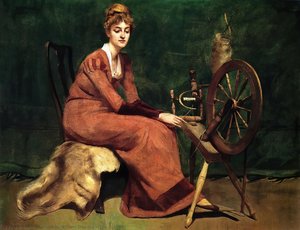 The Spinner1880

Essee teemadel Spring
 Masterpieces of the Wilderness: The Top 25 Thomas Cole ArtworksExplore the sublime Hudson River School through Thomas Cole's top 25 masterpieces. Discover the full collection online at OriginalUniqueArt…
 The Logic of the Landscape: Understanding Compositional Structure and DepthMaster landscape composition through the works of Patinir and Cézanne. Explore the logic of depth and perspective now.
 Virgin Islands artworks of the 1890s1890s US Virgin Islands artworks feature Camille Pissarro's landscapes and rare local pieces. View these masterpieces on OriginalUniqueArt.…