Romanticism
A gun crew (Thomas Stothard)
Thomas Stothard (1755–1834) on loonud teose A gun crew. See kuulub Romanticism suuntrime. See on valmistatud materjalist Oil On Canvas.
- Oil On Canvas

 Eelvaade

 Käsitsi maalatud õlimaalatsioon
 Saada
 Jaga
 Teosest infokaart


 Laadi alla
 Sarnased teosed
 Röntgenuuring
 Slaidietendus
 KÜSIMUSED JA VASTUSID

 Statistika
A gun crew lühidalt
- Pealkiri
- A gun crew
- Kunstnik
- Thomas Stothard (1755–1834)
- Kunstniku sünnukoht
- London, Suurbritannia
- Materjalid
- Oil On Canvas
- Liikumine
- Romanticism
- Aeglkond
- 19th Century
- Teema
- maritime struggle, shipwreck rescue, human resilience, dramatic coastline, 18th century seafaring, historical labor
Mida A gun crew kujutab?
The Subject and Artist of the Work
In the dramatic scene of A gun crew, the viewer finds themselves amidst a chaotic struggle on a rugged, rocky shore. Sailors strain with every ounce of their strength, their bodies leaning into the heavy weight of a massive object—perhaps a piece of a shipwreck or a heavy fragment of debris—as they attempt to haul it from the sea. The air feels thick with the exertion of these men, caught in a moment of intense physical toil against the unyielding elements. This struggle highlights the sheer hardship and resilience required to survive the unpredictable nature of the ocean.
The artist behind this intense depiction is Thomas Stothard. Born in London, United Kingdom, Stothard brings a sense of narrative urgency to the canvas, focusing on the human cost of maritime life. He moves away from mere stillness to capture the very essence of desperation and the precariousness of existence at sea. Every figure in the composition seems locked in a battle against overwhelming forces, both natural and man-made, as they fight to reclaim something from the waves.
Composition and Visual Elements
The scene unfolds within a tightly packed space that pulls the viewer directly into the heart of the chaos. Figures cluster together in a frantic mass, their bodies overlapping to convey a sense of urgent, shared struggle. Every movement feels compressed, as if the very air is heavy with the effort of the men. Diagonal lines, formed by the straining ropes and the angled limbs of the sailors, cut through the frame to lead the eye toward the central point of action. This arrangement creates a feeling of immediacy, trapping the viewer within the struggle.
A flattened perspective heightens this sense of claustrophobia, making the rocky shore and the wreckage feel as though they are pressing inward. Light does not merely fall upon the scene; it seems to emanate from multiple sources, pouring down from above and glowing from within the wreckage itself. These light sources cast dramatic shadows that define the rugged textures of the environment and the straining muscles of the crew. The interplay of light and shadow emphasizes the desperation of the moment, highlighting the raw power of nature as it clashes against human resilience.
Technique and Artistic Style
The oil paint clings to the canvas with a heavy, impasto-like texture, particularly where the wreckage meets the shore. This thick application of pigment gives the scene a tactile, rugged quality, making the struggle feel physically present. The brushwork is not precise; instead, it is loose and expressive, using energetic strokes to capture the sudden movement and the chaotic energy of the sailors. Every layer of paint contributes to a sense of depth and turmoil, as if the medium itself is caught in the same upheaval as the figures on the rocks.
The style leans heavily into Romanticism, prioritizing raw emotion and the intensity of the moment over clinical realism. This emotional weight is carried by a dark and earthy color palette. Deep browns and blacks dominate the shadows, while strong, sudden bursts of red pull the eye through the darkness. Light emanates from multiple sources, appearing to glow from within the wreckage itself and from above, casting dramatic shadows that heighten the sense of urgency. The result is a scene defined by tension and the visceral power of the elements.
A gun crew kõrge resolutsiooniga pildid
Thomas Stothard, A gun crew. Avalik omaniklik õigus
Küsimused teemal A gun crew – vastused
Millist tehnikat teose „A gun crew“, autor Thomas Stothard valmistamisel kasutati?
Teose "A gun crew" loomisel kasutas Thomas Stothard Oil On Canvas tehnikat. See tehnika määrab originaalteose materjalilise olemuse.
Mida „A gun crew“, autor Thomas Stothard kujutab?
„A gun crew“, autor Thomas Stothard kujutab: maritime struggle, shipwreck rescue, human resilience, dramatic coastline, 18th century seafaring, historical labor, force of nature.
Kas teose „A gun crew“, autor Thomas Stothard pilt on vabalt reproduseeritav?
Tegijateõiguse osas on teos "A gun crew" kuuluv klassifikatsiooni alla: avalik && copyright on aegunud.
Kes on teose "A gun crew" kunstnik?
Teose "A gun crew" loovija on Thomas Stothard. Selle lehe info kirjeldab Thomas Stothard algteost.
Millissele stiilile kuulub "A gun crew"?
"A gun crew" on Romanticism suunaga teos. See suundumine viitab kunstilisele traditsioonile, millega teos on seotud.
Millissele perioodile Thomas Stothard karjäärist kuulub teos "A gun crew"?
Teos "A gun crew" kuulub Thomas Stothard loomingulise karjääri perioodi Mature Period. See klassifikatsioon seostab teose kunstniku loovliku arenguga.
Mis selgitab teose „A gun crew“, autor Thomas Stothard autoriõiguste olukorda?
Thomas Stothard teos "A gun crew" on avalik && copyright on aegunud. Autoriõiguse kaitseajad arvutatakse alates kunstniku surmaõigustest ning Thomas Stothard suri aastal 1834.
Kust koht teoses "A gun crew" on Thomas Stothard loomingus?
"A gun crew" kuulub Thomas Stothard Romanticism perioodi teosetele, mille tuntud teemad hõlmavad classical & romantic blend, seafaring hardship depicted, humanity vs. nature's force, british maritime history, stothard's sentimental style, illustrative historical scenes, moralizing narrative art.
Kas teos "A gun crew" on tüüpiline sellele, mida Thomas Stothard tavaliselt lõi?
Thomas Stothard dokumenteeritud teemade — classical & romantic blend, seafaring hardship depicted, humanity vs. nature's force, british maritime history, stothard's sentimental style, illustrative historical scenes, moralizing narrative art — seas paneb teos "A gun crew" erilist tähelepanu teemadel maritime struggle, shipwreck rescue, human resilience, dramatic coastline, 18th century seafaring, historical labor, force of nature.
Kunstnik Thomas Stothard kohta

1755–1834, Suurbritannia
Thomas Stothard
Thomas Stothard: Unist ja ajalooliste kaja koodija Sündides 1755. aastal Londoni puldavas südames, oli Thomas Stothardi elu kui kanga, mis oli kudud õrande ilu, kunstiline õpilikkus ja igavene lugude jutustamise armastus niitidest. Tema varajased aastad olid iseloomulikult haiguse varjundisse mähitud – lapsepuid, mis viideti suurema osa ajast kodust eemale tema haavatavuse tõttu – kuid see periood kultiveeris temas sügavat austust vaiksele peetlemisele, mis kujundaks hiljem tema kunsti. Ta alustas oma kunstilist teekonda brokaditud siidimustrite joonistajana, oskus, mis sisaldas temasse teravat silma detailidele ning sügavat arusaamist tekstuurist ja värvist – omadusi, mida ta hiljem tõlgistas oma kuulsates illustratsioonides.
Teel Thomas Stothard kohta Thomas Stothard silmapaistvad teosed
Ka Thomas Stothard teosed
 The Supper by the Fountain1820
 Portrait Of General Francis Marion )1732
 The Return of Othello, 'Othello,' Act II, Scene II1799
 The Horrors of War, Sketch for Burghley House Mural1800
Teemad teemal A gun crew
 Emotion vs. Observation: A Guide to Romanticism and RealismMaster the differences between Romanticism and Realism through expert analysis. Discover the art of emotion versus observation now.
 Echoes of Conflict: A Curated Exploration of Art Capturing the Intensity of War and Human ResilienceExplore a profound collection of historical war art. From visceral realism to poignant depictions of human resilience, discover museum-qual…
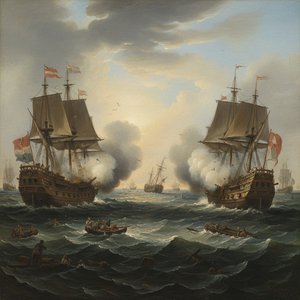 Masterpieces of Maritime Warfare: The Artistry and Intensity of Naval Combat in Historical PaintingExplore the dramatic intensity of naval combat through art history. From Romanticism to classical maritime masterpieces, discover how legen…