Romanticism · 1905
Venice (Thomas Moran, 1905)
Thomas Moran (1837–1926) on loonud teose Venice. See on pärinev 1905 aastast. See kuulub Romanticism suuntrime. See on valmistatud materjalist Oil On Canvas.
- 1905
- Oil On Canvas

 Eelvaade

 Käsitsi maalatud õlimaalatsioon
 Saada
 Jaga
 Teosest infokaart


 Laadi alla
 Sarnased teosed
 Röntgenuuring
 Slaidietendus
 KÜSIMUSED JA VASTUSID

 Statistika
Venice lühidalt
- Pealkiri
- Venice
- Kunstnik
- Thomas Moran (1837–1926)
- Kunstniku sünnukoht
- Bolton, Suurbritannia
- Kuupäev
- 1905
- Materjalid
- Oil On Canvas
- Liikumine
- Romanticism
- Aeglkond
- 19th Century
- Teema
- venetian landscape, sunset reflections, gondola scene, bell tower view, golden light effect, coastal italy art
Mida Venice kujutab?
Identification of the Artwork and Artist
This work, titled Venice, was painted by Thomas Moran in 1905. It offers a quiet glimpse into the Venetian landscape, capturing a specific moment of light and activity along the waterways. The artist, who was born in Bolton, United Kingdom, on February 12, 1837, brought a unique perspective to this European setting, moving away from the rugged terrains of his earlier career to focus on the atmosphere of the Italian coast. He remained active in his craft until his death in 1926.
Moran’s presence in the art world was marked by a transition from the meticulous precision of wood-engraving to a more fluid, emotive application of oil. In this particular piece, his ability to handle color and light is central to the work's character. The scene focuses on the interaction between the architecture of the city and the movement of the water, rendered with a sensitivity to the shifting qualities of the sky and its reflections.
The Composition and Visual Elements
The scene unfolds through a broadly horizontal composition, emphasizing the quiet expanse of the Venetian waterway. In the foreground, a sandy bank provides a grounded entry point to the work, where several individuals are gathered. These figures appear engaged in quiet, everyday tasks, perhaps collecting shells or fishing, which lends a sense of lived-in reality to the setting. The water itself is tranquil, reflecting the soft, golden light of a sunset that bathes the entire landscape in warm hues.
Moving into the middle ground, several gondolas drift across the surface, their dark forms cutting through the shimmering reflections. These boats, occupied by various figures, add a rhythmic movement to the water without disturbing its inherent peace. The architecture of the city lines the edges of the canal, providing a structured boundary to the liquid path. In the distance, a prominent campanile rises above the rooftops, anchoring the composition and providing a sense of vertical depth against the low horizon.
The arrangement of elements creates a deep perspective, drawing the eye from the active shoreline toward the softer, hazy details of the distant cityscape. The interplay of light and shadow is central here, as the setting sun casts long shadows and illuminates the textures of the water and stone. It is a study of atmosphere and the quietude of Venetian life at dusk.
Technique and Artistic Style
The work is executed in oil, utilizing a technique that leans toward Romanticism. Moran employs loose brushwork to define the movement of the water and the soft edges of the distant architecture. These fluid and expressive lines allow the forms of the gondolas and the buildings to merge subtly with the surrounding atmosphere. There is a palpable sense of air and light, achieved through a sophisticated use of atmospheric perspective that recedes into the distance.
The lighting is central to the composition, casting a strong sunset glow across the scene. This warmth illuminates the water's surface and the sandy bank in the foreground, creating long shadows that anchor the figures and boats within the landscape. The interplay of this golden light with the organic shapes of the canal creates a quiet, luminous presence. The texture of the paint is visible, lending a physical depth to the depiction of the Venetian waterway.
Related Works by Thomas Moran
Moran’s fascination with the Venetian landscape is evident through several other studies of the city. He captured the movement of the canals in The Gate of Venice in 1895, a work that focuses on the rhythm of gondolas and the activity of people within the waterways. His interest in the city's atmosphere also led him to explore its nocturnal character. In 1898, he produced Moonlight in Venice, which examines the interplay between light and shadow under a lunar glow, and he also painted Venice during that same year.
The artist continued to return to these maritime settings, later producing Grand Canal, Venice in 1906. These various iterations show a persistent preoccupation with how light settles upon the liquid surfaces and the stone architecture of the Adriatic. His approach to the subject matter shifted between the lively, active scenes of the canals and more quiet, contemplative studies of the water and its reflections.
Venice kõrge resolutsiooniga pildid
Thomas Moran, Venice (1905). Avalik omaniklik õigus
Küsimused teemal Venice – vastused
Mis on teose „Venice“, autor Thomas Moran loomisaeg?
Teose „Venice“, autor Thomas Moran loomimisaastaks on märgitud 1905.
Millest on teos "Venice" valmistatud?
Teos "Venice" on valmistatud tehnika Oil On Canvas.
Mille kohta teos "Venice" on?
Teemad, mis teoses „Venice“, autor Thomas Moran esinevad, hõlmavad venetian landscape, sunset reflections, gondola scene, bell tower view, golden light effect, coastal italy art, romantic venice. Koos need kokkuvõtavad teose sisu.
Kas teos „Venice“, autor Thomas Moran kuulub avalikku omandisse?
Autoriõiguse teave teose „Venice“, autor Thomas Moran kohta: teos kuulub luba ala avalik && copyright on aegunud. See määrab, kas kujundist on lubatud vabadelt reproduktsioone teha.
Kes on teose "Venice" looja?
Teose "Venice" loovija on Thomas Moran. Selle lehe info kirjeldab Thomas Moran algteost.
Millissele stiilile kuulub "Venice"?
Teos „Venice“, autor Thomas Moran kuulub Romanticism suunasse. See suund annab teosele stilistilise konteksti.
Millist etap Thomas Moran loomingus teos "Venice" esindab?
Teos "Venice" kuulub Thomas Moran loomingulise karjääri perioodi Mature Period. See klassifikatsioon seostab teose kunstniku loovliku arenguga.
Mis vanuses loos Thomas Moran teose "Venice"?
Kui teos "Venice" loodi aastal 1905, oli Thomas Moran (sündinud aastal 1837) 68 aastane.
Kas Thomas Moran teos "Venice" kuulub avalikku omandisse ja miks?
Thomas Moran teos "Venice" on avalik && copyright on aegunud. Autoriõiguse kaitseajad arvutatakse alates kunstniku surmaõigustest ning Thomas Moran suri aastal 1926.
Kunstnik Thomas Moran kohta

1837–1926, Suurbritannia
Thomas Moran
Pioneer Ameerika Lääne Maalikunstis Thomas Moran, sündinud 1837. aastal Boltonis Inglismaal, ei olnud ette määratud elule, mis oleks sügavalt juurdunud tema hilisemates kuulsatena jäädvustatud Ameerika maastike karedas ilus. Tema perekonna emigreerumine Ameerika Ühendriikidesse 1844. aastal, otsingutes paremate võimaluste ja kodumaa kasvava industrialiseerumise eest põgenemises, osutus pöördeliseks.
Ka Thomas Moran teosed
 Teton Range1897
 East Moriches1900
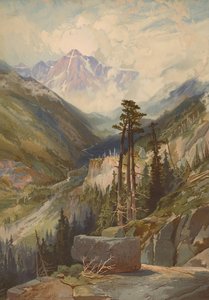 The Mountain of the Holy Cross, Colorado1876
 Fingal's Cave, Island of Staffa, Scotland1884
Teemad teemal Venice
 Masterpieces of the Dutch Golden Age: Top 25 Jan van Goyen ArtworksExplore 25 iconic Jan van Goyen masterpieces of the Dutch Golden Age. Discover the beauty of tonal landscapes on OriginalUniqueArt.com.
 Reflections of Venice: The Mastery of Canal Scene Painting from Canaletto to ImpressionismTrace the evolution of Venetian canal scenes from Canaletto to Monet. Explore this masterclass in art history now.
 20th century British paintersIconic 20th century British art from David Hockney to Henry Moore. Explore the full collection online at OriginalUniqueArt.com.