Teksti suurus

() ·

Sinu jaoks käsitsi valmistatud maal

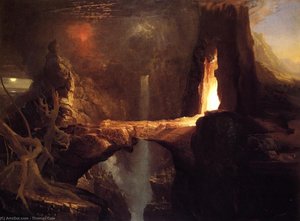
The Architect's Dream (detail)

Käsitsi valmistatud õlimaalireproduktsioon

Meie kunstnike poolt tellimusel valmistatud käsitsi maalitud õli-kainaste teos teie soovitud suuruses ja raamis. ( Lülita trükkitoodetele Lülita digitaalse pildi juurde)

Kogumisobjekti kirjeldus

Thomas Cole's "The Architect’s Dream" (1840) is a monumental oil painting blending classical & Gothic architecture, reflecting Romantic ideals and American artistic innovation.

Kunstniku elulugu

Thomas Cole oli Hudsoni jõe koolkonna rajajaks tuntud Ameerika maalikunstnik, kes kujundas romantismi ja looduse tänuväärsust. Tema suurimad teosed on 'Impeeriumi kulg' ja 'Jõesoot', mis mõjutasid hilapäeva kunstnike.

alates ·

1. peatükk

Millise suurusega see peaks olema?

Libistage suuruse muutmiseks; vasakul olev pilt näitab raami tegelikku laiust. Originaali proportsioonid on säilitatud.

Standardne suurus
kohandatud
CM
INCH

Vali meie eelmääratud suurused, mis vastavad teose algupärastele proportsioonidele.

laius
kõrgus

Sisestage vajalik laius ja kõrgus, et teos sobiks teie raamile või seinale. Kuna tegu on käsipainatud teosega, siis erineva kujuga suuruse korral võib kunstnik jätta pildi ümber veidi rohkem marginaali või lõigata osa ära — valik on teie. Enne maali alustamist saadame teile kinnitamiseks digitaalse näidisprojektsiooni. Sellel lehel näidatud pilt ei kajasta tegelikku tulemust — seda näitab ainult näidisprojektsioon.

Lugu 2

Kuidas see peaks lleguema?

Vali pingutatud kanga servade stiil

Vali oma raam

Corner sample of the WhiteWrap canvas edge finish, stretched on massivpuit bars
Valge serv €1
Corner sample of the BlurSideWrap canvas edge finish, stretched on massivpuit bars
häguse servaga lõppviimistlus €1
Corner sample of the ExtendedWrap canvas edge finish, stretched on massivpuit bars
Laiendatud €1
Corner sample of the P118B picture frame: vormitud polüstüreen, 5 cm wide and 3 cm thick
P118B €10
Corner sample of the P118H picture frame: vormitud polüstüreen, 5 cm wide and 3 cm thick
P118H €10
Corner sample of the P118W picture frame: vormitud polüstüreen, 5 cm wide and 3 cm thick
P118W €10
Corner sample of the P438Z picture frame: vormitud polüstüreen, 5.5 cm wide and 3.5 cm thick
P438Z €10
Corner sample of the P508JH picture frame: vormitud polüstüreen, 7 cm wide and 3.5 cm thick
P508JH €12
Corner sample of the P508YH picture frame: vormitud polüstüreen, 7 cm wide and 3.5 cm thick
P508YH €12
Corner sample of the P805H picture frame: vormitud polüstüreen, 5 cm wide and 3.5 cm thick
P805H €10
Corner sample of the P805Z picture frame: vormitud polüstüreen, 5 cm wide and 3.5 cm thick
P805Z €10
Corner sample of the P919BZ picture frame: vormitud polüstüreen, 7 cm wide and 3.5 cm thick
P919BZ €10
Corner sample of the P919G picture frame: vormitud polüstüreen, 7 cm wide and 3.5 cm thick
P919G €10
Corner sample of the P919XJ picture frame: vormitud polüstüreen, 7 cm wide and 3.5 cm thick
P919XJ €10
Corner sample of the P959ZH picture frame: vormitud polüstüreen, 5 cm wide and 3 cm thick
P959ZH €10
Corner sample of the P968JZ picture frame: vormitud polüstüreen, 6 cm wide and 4 cm thick
P968JZ €12
Corner sample of the W106C picture frame: massivpuit, 5 cm wide and 3 cm thick
W106C €8
Corner sample of the W218G picture frame: massivpuit, 5 cm wide and 3 cm thick
W218G €10
Corner sample of the W218JH picture frame: massivpuit, 5 cm wide and 3 cm thick
W218JH €8
Corner sample of the W218Y picture frame: massivpuit, 5 cm wide and 3 cm thick
W218Y €10
Corner sample of the W307PJ picture frame: massivpuit, 6 cm wide and 3 cm thick
W307PJ €10
Corner sample of the W316G picture frame: massivpuit, 6 cm wide and 3 cm thick
W316G €10
Corner sample of the W316PJ picture frame: massivpuit, 6 cm wide and 3 cm thick
W316PJ €8
Corner sample of the W316Y picture frame: massivpuit, 6 cm wide and 3 cm thick
W316Y €10
Corner sample of the W398PJ picture frame: massivpuit, 5 cm wide and 3 cm thick
W398PJ €8
Corner sample of the W4111J picture frame: massivpuit, 6.5 cm wide and 3.5 cm thick
W4111J €10
Corner sample of the W500HY picture frame: massivpuit, 7 cm wide and 5 cm thick
W500HY €15
Corner sample of the W500JH picture frame: massivpuit, 7 cm wide and 5 cm thick
W500JH €15
Corner sample of the W692G picture frame: massivpuit, 8 cm wide and 4 cm thick
W692G €12
Corner sample of the W849H picture frame: massivpuit, 5 cm wide and 3 cm thick
W849H €8
Corner sample of the W940BG picture frame: massivpuit, 7.5 cm wide and 4.5 cm thick
W940BG €15
Corner sample of the W953PJ picture frame: massivpuit, 6 cm wide and 3.5 cm thick
W953PJ €8
Corner sample of the H24-GOLD picture frame: kareeritud puit ja gesso, 10 cm wide and 6 cm thick
H24-GOLD €30
Corner sample of the H24-SILVER picture frame: kareeritud puit ja gesso, 10 cm wide and 6 cm thick
H24-SILVER €30
Corner sample of the H36-GOLD picture frame: kareeritud puit ja gesso, 15 cm wide and 6.5 cm thick
H36-GOLD €45
Corner sample of the H36-SILVER picture frame: kareeritud puit ja gesso, 15 cm wide and 6.5 cm thick
H36-SILVER €45
Raami eelvaade
Raamitud

Kujund: . Kogumõõt koos raamiga: .

Lugu 3

Kes seda maalib ja kas midagi peaks muutuma?

Näited sellest, mida saab muuta: asendage nägu kliendi fotoga; lisage lemmikloom (nt asendage kass koega); lisage taustale peidetud sõnum; muutke tausta maastikku või elemente.
Pärast tellimust saadetab OriginalUniqueArt.com meeskond klientile e-posti juhised ning esitab ette tasandatud eelvaate

Maailmline tarne 3–4 nädala jooksul tavalise 5 nädala asemel. (5 november). Kvaliteedis kompromisse ei tehta.

Lugu 4

Viimistlusdetailid

Nimetelis, nagu muuseumis?

Graveeritud pronksplaadi üksikasjad

This elegant plaque features the artist's name and the title of the artwork, finely engraved for a timeless presentation.

It is made from bronze with a refined, elegant finish. The text is precisely laser-engraved for a sharp and permanent result. Measuring 9x2 cm, the plaque is compact yet easy to read. It's built to be durable and scratch-resistant, offering a professional, museum-quality look. Mounting is simple thanks to the included adhesive backing.

Läbipaistva akrüülplaadi üksikasjad

The plaque includes essential engraved details such as the artist's name, the title of the artwork, the date it was created, the type of media used-like oil on canvas or watercolor-a brief description of the piece, and a QR code that links to the complete artwork information.

It is crafted from clear acrylic, offering a sleek, modern appearance. The text is UV-engraved in black to ensure strong visual contrast. With a size of 10x15 cm, it ensures optimal readability. It comes equipped with two metal hooks for secure wall mounting. The plaque is designed to be weather-resistant, making it suitable for various environments, and it includes interactive features that work seamlessly with smartphone scanning.

Musta akrüülplaadiรายละเอียด (Note: The user provided "Musta akrüülplaadi detailid" as the current translation and asked for an improved version. Since "Musta akrüülplaadi

This elegant plaque includes engraved information such as the artist's name, the title of the artwork, the date it was created, the type of media used (like oil on canvas or watercolor), a short description of the artwork, and a QR code for quick access to more information.

The plaque itself is made from refined black acrylic with a premium finish. The text is laser-engraved in white for high contrast and readability. Its size is 10x15 cm, designed to be easy to read. It comes with two metal hooks for professional mounting. The design is sleek and fits any interior style. It is also weather-resistant and durable, with built-in digital integration for mobile compatibility.

Kaitsev lakikih?

Millal te seda vajate?

Lugu 5

Teie maalid vastavalt tellimusele

The Architect's Dream (detail)

Reproduktsiooni tehnika

Reproduktsiooni suurus

-

Eelistatud tippkunstnik

Rohkem detaile, peenust ja lisatootmisaega

-

Reproduktsiooni raamivalikud

-

-

Kunstiteoste või reproduktsioonide puhul, mille üks külg on üle 105 cm (umbikmolt 41 tolli), saadetakse raam kirjal asendis, la Dismantlitud komplektina. See meetod tagab ohutuse kohaletoimetamisel ja väldib transpordil tekkivaid kahjustusi.

Vajalik professionaalne kokkupanek – see ei ole isetegevusega valmistamiseks mõeldud toode.
Komplekt tuleb kokku panna ja lõvet pingutada kogemusega professionaalse raamija, kasutades puiduliim (ei kuulu komplekti), lõvetpingi ja klempe, et hoida raami kande mustad õigena liimi kuivamisaja jooksul. Vale kokkupanek või ebaühtlane lõvetping võib kunstiteost püsivalt kahjustada ning seda ei katta meie garantii.

  • Kaasatud on kõik tahked puidust liistud, täpselt lõigatud vastavaks suuruseks.

  • Kokku panemiseks kasutatakse lisatud kruvisid ning nurkade liimamiseks vajalikku puuliima, mida ei ole komplektis ja mida peab raamivalmistaja ise hankima.

  • Vajalik on kasutada professionaalseid tööriistu, mis ei kuulu komplekti: lõvetelapide pingist (pingutaja) ja klambreid, et hoida raami puidu nurgas õigena liimi kuivamisaja jooksul.

Oluline:
Nurgaliimamiseks on vaja puiduliim, liimimine peab toimuma klempide all kuni liim on täielikult kuivanud ning kokku monteeritud raami kanga pingutamiseks on vajalik kanga pingutustang. Kumbki neist ei kuulu komplekti. Palun veenduge enne selle suuruse tellimist, et teil on saadaval kogenud professionaalne raamistaja.

Nimesildikiri

-

-

Kaitsevärnitsus

Läikiv lakk (muudab värvid elavamaks ning kaitseb valgust ja niiskust eest)

-

Kohanda oma teost

Näiteid muudatuste kohta: Asenda nägu kliendi fotoga; Lisa lemmikloom (nt asenda kass koeraga); Lisa taustale peidetud sõnum; Muuda tausta maastikku või elemente.

-

Kiire tarne

Ülemaailmne tarne riiki 3–4 nädalaga tavalise 5 nädala asemel. (5 november). Kvaliteedis kompromisse ei tehta.

-

Kiirsaatmine

Ülemaailmne tarne () 5 nädala jooksul. (12 november).

Sisse kuuluv

Koguhind

€ 267

Kogu summa € 267

Klaasivalik on saadaval ainult kuni 110 cm suuruses teostes

Säli iga tellimusega

  • Tasuta ekspresssaatmine üle maailma
  • Kõrgekvaliteediline lina-kangas
  • Täielik transpordikindlustus
  • Tollimaksude tagastamise garantii
  • Värvitoime täpsuse garantii
  • 100 päeva tagastusõigus (ainult valmistusdefektide korral)
  • 100% raha tagasi garantii
  • Hulgusoodustus

A Vision of Architectural Grandeur

Thomas Cole's “The Architect’s Dream,” painted in 1840, isn’t merely a landscape; it’s an immersive architectural fantasy—a testament to the artist’s profound understanding of Western artistic history and his own creative vision. This monumental oil on canvas, now residing within the Toledo Museum of Art, immediately captivates with its sheer scale and meticulously rendered details, transporting the viewer into a realm where classical temples, Roman arches, and Gothic cathedrals coexist in an improbable yet strangely harmonious tableau.

At first glance, the painting appears to depict a serene vista—a tranquil harbor dotted with boats. However, closer inspection reveals a complex layering of architectural styles spanning millennia. Egyptian pyramids rise majestically alongside Doric Greek temples, Roman aqueducts stretch across the landscape, and Gothic arches frame the scene. This deliberate juxtaposition wasn’t simply an artistic flourish; it reflected the 19th-century fascination with classical antiquity and the revival of interest in ancient building techniques that was sweeping through Europe and America.

The Romantic Spirit and Cole's Artistic Journey

“The Architect’s Dream” is a quintessential example of the Hudson River School, an artistic movement characterized by its romanticized depictions of American landscapes. Unlike earlier European landscape painting, which often focused on historical or mythological subjects, the Hudson River School sought to capture the sublime beauty and spiritual essence of the American wilderness. Cole, deeply influenced by his travels in Europe—particularly Italy—brought this sensibility back to America, infusing it with a uniquely American perspective.

Cole’s artistic journey was marked by a deliberate rejection of academic conventions. He eschewed the polished techniques favored by established artists and instead developed a distinctive style characterized by loose brushwork, vibrant colors, and an emphasis on capturing atmospheric effects. This approach, combined with his deep knowledge of architecture and history, allowed him to create a painting that is both visually stunning and intellectually stimulating.

Symbolism and the Architect’s Dream

The central figure in “The Architect’s Dream”—a young man reclining on a stack of books—represents the architect himself. He embodies not just the profession but also the pursuit of knowledge, imagination, and artistic creation. His pose suggests contemplation and a deep connection to the past, while his hand holding a blueprint symbolizes the act of design and construction. The setting itself is laden with symbolism; the ruins evoke the decline of empires, while the vibrant colors and dynamic composition suggest the potential for renewal and rebirth.

The painting’s title—“The Architect’s Dream”—hints at its underlying theme: the power of imagination to transcend time and create enduring works of art. Cole wasn't simply depicting a collection of buildings; he was exploring the very nature of architectural history, questioning how past styles could inform and inspire future designs. The inclusion of Gothic elements, often associated with spiritual aspiration, subtly contrasts with the more secular grandeur of classical architecture, suggesting a broader vision of human creativity.

A Legacy of Vision

“The Architect’s Dream” remains one of Thomas Cole's most ambitious and captivating works. It is a testament to his artistic skill, intellectual curiosity, and profound understanding of the relationship between art, architecture, and history. More than just a beautiful painting, it offers a glimpse into the mind of an artist who dared to dream beyond the confines of his time—a dream that continues to resonate with viewers today.

Korduvad küsimused

Millisele kunstnikule on teos "The Architect's Dream (detail)" atribuutseeritud?

Teose "The Architect's Dream (detail)" autoriks on mõeldud Thomas Cole.

Kui tuntud on Thomas Cole teos "The Architect's Dream (detail)"?

Teose „The Architect's Dream (detail)“, autor Thomas Cole registreeritud populaarsusaste on Iconic.

Mis on teose „The Architect's Dream (detail)“, autor Thomas Cole loomisaeg?

Teos „The Architect's Dream (detail)“, autor Thomas Cole loodi aastal 1840.

Lisateavet selle maali kohta

Eelvaade AR-eelvaade Lülita trükkitoodetele Lülita digitaalse pildi juurde Saada
Teave teose kohta Juhend Lisa lemmikutesse Laadi alla Sarnased teosed Röntgenuuring Slaidietendus KÜSIMUSED JA VASTUSID Statistika

Numbritega

  • 1840maalimis年份
  • 29valikud raamidest
  • standardne suurus, oma proportsioonidega
  • 5nädalaid maalimiseks ja kohaletoimetamiseks
Thomas Cole

Thomas Cole

1801 - 1848, Suurbritannia

Kiirinfo Thomas Cole kohta

  • Artistic Movement Or Style: Hudson River School
  • Artists Who Influenced This Artist: ['Frederic Church']
  • Date Of Birth: Feb 1, 1801
  • Full Name: Thomas Cole
  • Nationality: American
  • Notable Artworks:
    • Course of Empire
    • Oxbow
    • View from Mt Etna
  • Place Of Birth: Bolton, UK

Kunstniku elulugu

A Pioneer of American Landscape Painting

Thomas Cole (February 1, 1801 – February 11, 1848) oli Inglismaal sündinud Ameerika maalikunstnik. Ta kolis 1818. aastal koos perekonnaga USA-sse, algul Steubenville'i Ohio osariigis, kaks aastat hiljem Philadelphiasse. Ta õppis ringireisiva kunstniku John Steini käe all ja aastatel 1823–1824 maastikumaali Phildadelphia kunstikoolis Pennsylvania Academy of the Fine Arts.

Early Life and Artistic Influences

Thomas Cole urodził się w Bolton le Moors, Lancashire, Anglia, dnia 1 lutego 1801 roku jako syn angielskiego imigranta, który osiadł w Ohio. Jego dzieciństwo nie oferowało wiele wskazówek dotyczących głębokości wpływu, jaki miał na sztukę. Początkowo Cole pracował jako itinerant portrait painter – częsty handel w tamtych czasach – ale szybko poczuł się przyciągnięty pięknem dzikiej amerykańskiej przyrody. Ta zmiana nie była jedynie zmianą tematu obrazu; reprezentowała fundamentalną różnicę od europejskich tradycji artystycznych, które często koncentrowały się na historiach lub mitologiach. Jego krajobrazy nie były tylko przedstawieniami krajobrazu; były wypełnione duchową i alegoryczną głębokością, która głęboko rezonowała z narodem kształtującym własną tożsamość. Jego przeniesienie do Catskill Mountains w stanie Nowy Jork w 1825 roku okazało się transformacyjne, zapewniając mu zarówno inspirację, jak i trwałą bazę wypadową – obszar, który stał się nieodłącznie związany z jego dziedzictwem artystycznym. Jego twórczość została zainspirowana przez europejską Romantyzm – szczególnie dziełami Claude Lorraina i J.M.W. Turnerem – adaptując tym sposobem estetykę europejskich romantyków do kontekstu amerykańskiego. Podczas gdy europejscy Romantycy często przedstawiali dramatyczne, sublimarne krajobrazy jako odzwierciedlenie wewnętrznych rozterek, Cole często wyrażał optymizm i obecność boską w przyrodzie. Widział w ogromie amerykańskiej dzikiej przyrody symbol potencjału narodowego i duchowej odnowy.

The Hudson River School and Romantic Ideals

Cole jest uznawany za twórcę Hudsoni Szkół Sztuki, ruchu artystycznego charakteryzującego się romantycznym przedstawieniem amerykańskiego krajobrazu. Jednak nazwanie go jedynie „malarzem krajobrazowym” wydaje się niewystarczające. Jego dzieła przekraczały prostą reprezentację; były głęboko filozoficzne, często eksplorując temat relacji między człowiekiem a naturą, mijającego czasu i wzlotu i upadku cywilizacji. Jego twórczość została zainspirowana przez europejską Romantyzm – szczególnie dziełami Claude Lorraina i J.M.W. Turnerem – adaptując tym sposobem estetykę europejskich romantyków do kontekstu amerykańskiego. Podczas gdy europejscy Romantycy często przedstawiali dramatyczne, sublimarne krajobrazy jako odzwierciedlenie wewnętrznych rozterek, Cole często wyrażał optymizm i obecność boską w przyrodzie. Jego dzieła nie były jedynie reprezentacją krajobrazu; były wypełnione duchową i alegoryczną głębokością, która głęboko rezonowała z narodem kształtującym własną tożsamość. Jego przeniesienie do Catskill Mountains w stanie Nowy Jork w 1825 roku okazało się transformacyjne, zapewniając mu zarówno inspirację, jak i trwałą bazę wypadową – obszar, który stał się nieodłącznie związany z jego dziedzictwem artystycznym. Jego dzieła były często uznawane za konserwatywne i krytykowano go za brak uwzględnienia szybko industrializującego się świata oraz ekspansji zachodu. Cole był jednym z najważniejszych twórców Hudsoni Szkół Sztuki, ruchu artystycznego charakteryzującego się romantycznym przedstawieniem amerykańskiego krajobrazu. Jego dzieła przekraczały prostą reprezentację; były głęboko filozoficzne, często eksplorując temat relacji między człowiekiem a naturą, mijającego czasu i wzlotu i upadku cywilizacji. Jego twórczość została zainspirowana przez europejską Romantyzm – szczególnie dziełami Claude Lorraina i J.M.W. Turnerem – adaptując tym sposobem estetykę europejskich romantyków do kontekstu amerykańskiego. Podczas gdy europejscy Romantycy często przedstawiali dramatyczne, sublimarne krajobrazy jako odzwierciedlenie wewnętrznych rozterek, Cole często wyrażał optymizm i obecność boską w przyrodzie. Jego dzieła nie były jedynie reprezentacją krajobrazu; były wypełnione duchową i alegoryczną głębokością, która głęboko rezonowała z narodem kształtującym własną tożsamość. Jego przeniesienie do Catskill Mountains w stanie Nowy Jork w 1825 roku okazało się transformacyjne, zapewniając mu zarówno inspirację, jak i trwałą bazę wypadową – obszar, który stał się nieodłącznie związany z jego dziedzictwem artystycznym. Jego dzieła były często uznawane za konserwatywne i krytykowano go za brak uwzględnienia szybko industrializującego się świata oraz ekspansji zachodu. Cole był jednym z najważniejszych twórców Hudsoni Szkół Sztuki, ruchu artystycznego charakteryzującego się romantycznym przedstawieniem amerykańskiego krajobrazu. Jego dzieła przekraczały prostą reprezentację; były głęboko filozoficzne, często eksplorując temat relacji między człowiekiem a naturą, mijającego czasu i wzlotu i upadku cywilizacji. Jego twórczość została zainspirowana przez europejską Romantyzm – szczególnie dziełami Claude Lorraina i J.M.W. Turnerem – adaptując tym sposobem estetykę europejskich romantyków do kontekstu amerykańskiego. Podczas gdy europejscy Romantycy często przedstawiali dramatyczne, sublimarne krajobrazy jako odzwierciedlenie wewnętrznych rozterek, Cole często wyrażał optymizm i obecność boską w przyrodzie. Jego dzieła nie były jedynie reprezentacją krajobrazu; były wypełnione duchową i alegoryczną głębokością, która głęboko rezonowała z narodem kształtującym własną tożsamość. Jego przeniesienie do Catskill Mountains w stanie Nowy Jork w 1825 roku okazało się transformacyjne, zapewniając mu zarówno inspirację, jak i trwałą bazę wypadową – obszar, który stał się nieodłącznie związany z jego dziedzictwem artystycznym. Jego dzieła były często uznawane za konserwatywne i krytykowano go za brak uwzględnienia szybko industrializującego się świata oraz ekspansji zachodu. Cole był jednym z najważniejszych twórców Hudsoni Szkół Sztuki, ruchu artystycznego charakteryzującego się romantycznym przedstawieniem amerykańskiego krajobrazu. Jego dzieła przekraczały prostą reprezentację; były głęboko filozoficzne, często eksplorując temat relacji między człowiekiem a naturą, mijającego czasu i wzlotu i upadku cywilizacji. Jego twórczość została zainspirowana przez europejską Romantyzm – szczególnie dziełami Claude Lorraina i J.M.W. Turnerem – adaptując tym sposobem estetykę europejskich romantyków do kontekstu amerykańskiego. Podczas gdy europejscy Romantycy często przedstawiali dramatyczne, sublimarne krajobrazy jako odzwierciedlenie wewnętrznych rozterek, Cole często wyrażał optymizm i obecność boską w przyrodzie. Jego dzieła nie były jedynie reprezentacją krajobrazu; były wypełnione duchową i alegoryczną głębokością, która głęboko rezonowała z narodem kształtującym własną tożsamość. Jego przeniesienie do Catskill Mountains w stanie Nowy Jork w 1825 roku okazało się transformacyjne, zapewniając mu zarówno inspirację, jak i trwałą bazę wypadową – obszar, który stał się nieodłącznie związany z jego dziedzictwem artystycznym. Jego dzieła były często uznawane za konserwatywne i krytykowano go za brak uwzględnienia szybko industrializującego się świata oraz ekspansji zachodu. Cole był jednym z najważniejszych twórców Hudsoni Szkół Sztuki, ruchu artystycznego charakteryzującego się romantycznym przedstawieniem amerykańskiego krajobrazu. Jego dzieła przekracza

Teave teose kohta

  • Subject or theme: Architecture history
  • Artistic style: Romanticism, Allegory
  • Year: 1840
  • Title: The Architect’s Dream
  • Influences:
    • Greek
    • Roman
    • Egyptian
  • Location: Toledo Museum of Art

Kunstiteaduse kvartett

Iga küsimuse kohta on ainult üks õige vastus.

Küsimus 1:
What architectural style is prominently featured in Thomas Cole’s ‘The Architect’s Dream’?
Küsimus 2:
The figure reclining on the books in ‘The Architect’s Dream’ likely represents:
Küsimus 3:
What was a key reason why Ithiel Town initially rejected ‘The Architect’s Dream’?
Küsimus 4:
‘The Architect’s Dream’ is considered significant within the context of the Hudson River School because it:
Küsimus 5:
The trompe l'oeil archway in ‘The Architect’s Dream’ creates the illusion of: