Lülita trükkitoodetele
 Loe lähemalt







































 Kunstiteoste või reproduktsioonide puhul, mille üks külg on üle 105 cm (umbikmolt 41 tolli), saadetakse raam kirjal asendis, la Dismantlitud komplektina. See meetod tagab ohutuse kohaletoimetamisel ja väldib transpordil tekkivaid kahjustusi.


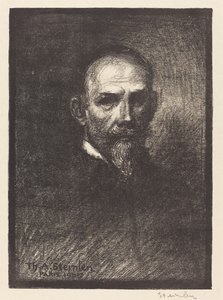
Lion en cage by Théophile Alexandre Steinlen: A Study in Captivity
- Subject Matter: This poignant artwork depicts a lion confined within a cage, a powerful symbol of captivity and loss of freedom. The scene immediately draws the viewer into a contemplation of restriction and vulnerability.
Style and Technique: Echoes of Impressionism and Art Nouveau
- Artistic Style: Steinlen’s “Lion en cage” exemplifies a style reminiscent of late 19th-century European art, drawing influences from both Impressionism and Post-Impressionism. The loose brushwork and emphasis on capturing the overall impression rather than precise detail are hallmarks of this approach. There's also a clear connection to Art Nouveau aesthetics in its decorative quality and flowing lines.
- Technical Execution: The artwork is an oil painting on canvas, evident through the visible brushstrokes that add depth and dimension. Lines are used gesturally, particularly in depicting the lion’s fur and musculature. The cage bars are suggested with broad strokes rather than precise lines, contributing to the overall impressionistic style. A clear light source from the left illuminates the lion's side, creating shadows that emphasize its form and the feeling of enclosure.
Composition and Emotional Impact
- Visual Elements: The composition is relatively simple yet effective. The lion dominates the frame, positioned slightly off-center to create visual interest. The dark, undefined background emphasizes the animal's isolation. Horizontal emphasis is created by the cage bars and the lion’s posture. The color palette—muted browns, grays, and blacks with touches of ochre and beige—contributes significantly to the somber mood.
- Emotional Resonance: "Lion en cage" evokes feelings of sadness, loneliness, and confinement. The lion, traditionally a symbol of strength and power, appears diminished and vulnerable within its cage. This contrast amplifies the emotional impact, prompting reflection on themes of captivity and loss. It can be interpreted as a metaphor for human conditions, resonating with viewers on a deeper level.
Historical Context and Steinlen's Oeuvre
- The Artist: Théophile Alexandre Steinlen (1859-1923) was a Swiss-born French artist renowned for his Art Nouveau posters, cat illustrations, and depictions of Parisian life. He studied at the University of Lausanne before honing his skills in Mulhouse and later finding artistic community in Montmartre, Paris. His work often reflected social commentary and captured the spirit of the Belle Époque.
- Influences and Connections: Steinlen’s style shows influence from artists like Degas, who frequently depicted animals in captivity. The artwork aligns with his broader artistic interests in portraying marginalized figures and exploring themes of urban life and social issues. His lithograph "Les chanteurs des rues," the frontispiece to “Chansons de Montmartre,” demonstrates a similar expressive style.
Korduvad küsimused
Kas Musée Alphonse-georges Poulain kogumuses olevat teost „Lion en cage“, autor Théophile Alexandre Steinlen on lubatud seaduslikult reproduktsiooniga?
Teos „Lion en cage“, autor Théophile Alexandre Steinlen, mis asub Musée Alphonse-georges Poulain kogumuses, kuulub lubaõigusliku ala kategoria avalikus õiguses – selle autoriõigud onหมดunud. See staatus määravad, kas teose reproduktsioone on lubatud valmistada.
Kas teos „Lion en cage“, autor Théophile Alexandre Steinlen on värvitoonilt kerge või tumenev?
Teose „Lion en cage“, autor Théophile Alexandre Steinlen registreeritud väärtused on: eregus bright ja luminants Gentle Luminance.
Milline on teose „Lion en cage“, autor Théophile Alexandre Steinlen värvitoit?
Teose „Lion en cage“, autor Théophile Alexandre Steinlen värvide kütkuse aste on Muted. Kütkus kirjeldab, kui erksad või pehmed värvid on.
 Eelvaade
 Saada
Saada Jaga
Jaga
 Teave teose kohta
 Juhend

 Laadi alla
 Sarnased teosed
 Röntgenuuring
 Slaidietendus
 KÜSIMUSED JA VASTUSID
 Statistika