

 Eelvaade
 Saada
Saada Jaga
Jaga
 Teave teose kohta

 Laadi alla
 Sarnased teosed
 Röntgenuuring
 Slaidietendus
Suur Jehoomaa


 Loe lähemalt
Giclée / Kunstiprint
Muuseumikvaliteediga giclée- või kangasprint kiire tootmisega ja paindlikud viimistlusvõimalused. ( Osta käsitsi maalitud maal Osta pilt)




P118B $10

P118H $10

P118W $10

P438Z $10

P508JH $12

P508YH $12

P805H $10

P805Z $10

P919BZ $10

P919G $10

P919XJ $10

P959ZH $10

P968JZ $12

W106C $8

W218G $10

W218JH $8

W218Y $10

W307PJ $10

W316G $10

W316PJ $8

W316Y $10

W398PJ $8

W4111J $10

W500HY $15

W500JH $15

W692G $12

W849H $8

W940BG $15

W953PJ $8




Vali meie eelmääratud suurused, mis vastavad teose algupärastele proportsioonidele.

Saate sisestada oma mõõdud, et need sobiks konkreetse raami või ruumi sisse. Kui valitud suurus ei vasta originaalteose proportsioonidele, lõigame teose ära või laiendame pilti peegeldatud või ühtlase servaga. Enne tootmisprotsessi algust saadetakse Teie kinnitamiseks digitaalne näidis.
Palun märka, et ekraanil kuvatav eelvaade ei kajasta tegelikku lõigamist või laiendamist. Ainult näidis kujutab täpselt lõplikku kompositsiooni.
Kuigi erimõõdu on saadaval, soovitame originaaproportsioonide säilitamiseks valida mõõt ette määratud nimekirjast.
Ülemaailmne tarne () 2 nädala jooksul, tavalise 4/5 nädala asemel. (22 august)

Tasuta ekspresssaatmine üle maailma

Kõrgekvaliteediline linakangas

Täielik transpordikindlustus

Tollimaksude tagastamise garantii

Värvitoime täpsuse garantii

60-päevane tagastusõig: ainult tootmisdefektide korral

100% raha tagasi garantii

Hulgusoodustus
 Klaasivalik on saadaval ainult suuruses kuni 110 cm

Suur Jehoomaa
Giclée / Kunstiprint
Reproduktsiooni suurus
-


Kogusumma
$ 80
Kogumuse kirjeldus
Warrior with Headdress - Teotihuacan: A Glimpse Into Mesoamerican Cosmology
The Warrior with Headdress – Teotihuacan is more than just a ceramic sculpture; it’s a window into the complex spiritual beliefs of one of Mesoamerica's most remarkable civilizations. Discovered in the Tepantitla compound, nestled within the sprawling ruins of Teotihuacan (circa 100 BCE - 700 CE), this piece embodies the city’s fascination with duality – strength and vulnerability, life and death – concepts central to Aztec cosmology and powerfully expressed through artistic representation.- Subject Matter: The sculpture depicts a stylized warrior figure adorned with an elaborate headdress featuring a bird motif. This imagery isn't merely decorative; it speaks directly to Teotihuacan’s reverence for avian deities, particularly Quetzalcoatl – the feathered serpent god who symbolized rebirth and divine wisdom.
- Style: The sculpture adheres to a distinctly geometric style characteristic of Teotihuacan art. Lines are crisp and precise, conveying stability and order—a deliberate contrast to the turbulent forces believed to govern the cosmos.
- Technique: Crafted from terracotta clay, the sculpture showcases masterful ceramic craftsmanship. The artist skillfully molded and fired the clay, achieving a remarkable level of detail despite the limitations of ancient tools. Notice the subtle shading achieved through careful application of pigment—primarily shades of brown and white—creating an aged patina that evokes the grandeur of Teotihuacan’s past.
Historical Context: The Zenith of Mesoamerican Power
Teotihuacan reigned supreme between 150 CE and 450 CE, dominating trade routes and influencing artistic styles across Central America. Its monumental architecture—most notably the Pyramid of the Sun and Pyramid of the Moon—served as focal points for religious rituals aimed at appeasing deities and ensuring cosmic harmony. The Warrior with Headdress reflects this worldview, embodying the warrior archetype – protector of the sacred realm – alongside symbols of divine grace.- Religious Significance: The bird headdress directly references Quetzalcoatl’s role as a bringer of maize (corn), symbolizing fertility and sustenance—essential elements in Teotihuacan’s agricultural economy and spiritual beliefs.
- Symbolism: Beyond the obvious iconography, the sculpture embodies broader concepts of balance and transformation. The warrior figure represents strength and resilience, while the headdress signifies connection to the divine realm.
Emotional Impact: Echoes of Ancient Ritual
Viewing this ceramic piece evokes a profound sense of awe—a feeling rooted in its connection to one of history’s most enigmatic civilizations. The sculpture's austere beauty invites contemplation on themes of mortality and rebirth, mirroring the Aztec belief that death was merely a transition into another realm of existence. Its aged patina whispers tales of centuries past, reminding us of Teotihuacan’s enduring legacy as a beacon of artistic innovation and spiritual aspiration.A Reproduction Worthy of Distinction
To truly appreciate the artistry and symbolism embedded within The Warrior with Headdress – Teotihuacan, consider commissioning a high-resolution digital reproduction from OriginalUniqueArt.com. Utilizing advanced AI tools and meticulous manual retouching, this reproduction captures the sculpture’s original colors and textures with unparalleled accuracy—bringing the spirit of ancient Mesoamerica into your home or studio.Kunstniku elulugu
Teotihuacan: A Legacy in Stone
Teotihuacan represents not an individual artist, but a powerful ancient Mesoamerican city and civilization that flourished in what is now Mexico. This biography explores its rise, achievements, and enduring legacy.
Origins and Historical Context
Located in the Valley of Mexico, approximately 40 kilometers (25 miles) northeast of modern-day Mexico City, Teotihuacan began as a religious center around 100 BCE. Its major monuments were continuously constructed until roughly 250 CE. The city reached its zenith between 150 and 450 CE, becoming the largest in the Americas with an estimated population exceeding 125,000.
Urban Planning and Architecture
Teotihuacan was meticulously planned, showcasing advanced urban design. Key features included:
- The Avenue of the Dead: A central thoroughfare stretching over a mile long, flanked by monumental structures.
- Pyramid of the Sun: One of the largest buildings in Mesoamerica, likely dedicated to a deity associated with solar power.
- Pyramid of the Moon: Situated at the northern end of the Avenue of the Dead, possibly dedicated to a lunar or fertility goddess.
- Residential Compounds: Complex multi-family dwellings accommodating a significant portion of the population.
Artistic Style and Themes
Teotihuacan art is characterized by:
- Monumental Murals: Vibrant, well-preserved murals depicting religious iconography, deities, and cosmological beliefs. These murals provide invaluable insights into Teotihuacan worldview.
- Sculptural Representations: Stone sculptures of gods, animals, and human figures, often adorned with elaborate headdresses and ornamentation.
- Obsidian Craftsmanship: The city was a major producer of finely crafted obsidian tools and artifacts, traded throughout Mesoamerica.
Influences and Cultural Impact
Teotihuacan exerted considerable influence over much of Mesoamerica:
- Religious Beliefs: Its pantheon of deities and cosmological concepts spread to other cultures, including the Maya.
- Architectural Styles: Teotihuacan’s architectural innovations influenced building designs in various regions.
- Trade Networks: The city controlled extensive trade routes, distributing obsidian, pottery, and other goods across a wide area.
Decline and Collapse
The reasons for Teotihuacan's decline remain debated. Around 550 CE, the city experienced widespread destruction, with its major monuments sacked and burned. Possible contributing factors include:
- Internal Strife: Social unrest or political instability may have weakened the city’s foundations.
- Environmental Factors: Prolonged drought or other environmental changes could have disrupted agricultural production.
- External Invasion: Although evidence is limited, some scholars suggest an external invasion played a role.
Legacy and Historical Significance
Despite its eventual collapse, Teotihuacan left an indelible mark on Mesoamerican history:
- Inspiration for Later Cultures: The Aztecs revered Teotihuacan as a sacred city, claiming ancestry with its inhabitants.
- Archaeological Insights: Ongoing archaeological research continues to reveal new information about this fascinating civilization.
- A Testament to Human Ingenuity: Teotihuacan stands as a remarkable example of urban planning, artistic achievement, and cultural complexity in the pre-Columbian Americas. Its ruins continue to captivate and inspire awe today.

teotihuacan
Mexico
Lühikesed faktid
- Birth_Place: Mexico
- Influenced:
- Aztec civilization
- Maya civilization
- Movement: Pre-Columbian Mesoamerican
- Name: Teotihuacan
- Nationality: Mexican
- Notable Works:
- Pyramid of the Sun
- Pyramid of the Moon
- Avenue of the Dead
- Mural fragments (Feathered Serpent)
Seotud artiklid
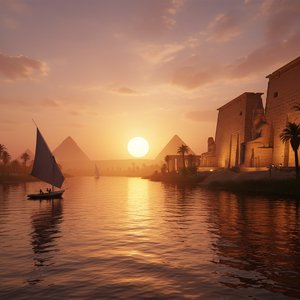
Golden Hour on the Nile: Symbolism & Artistic Legacy of Egyptian Sunsets
Explore the rich symbolism of Egyptian sunset paintings & their artistic legacy. Discover how color, ritual, and landscape shaped ancient beliefs – a guide for discerning collectors.

Sun-Drenched Masterpieces: Capturing the Golden Glow of Summer in Fine Art
Embark on a visual journey through the golden glow of summer fine art. Discover how masters captured sunlight through Impressionism and landscape painting. Explore premium hand-painted reproductions and expert curation for your collection.

Sun-Drenched Masterpieces: A Visual Journey Through the Iconic Art of Arles
Embark on a visual journey through the sun-drenched landscapes of Arles. Discover how Van Gogh captured the golden light of Provence through iconic Post-Impressionist masterpieces and explore the enduring legacy of these textured, emotive works of art.

Timeless Echoes: Capturing the Majesty of Ancient Ruins through the Lens of Fine Art History
Explore the profound beauty of ancient ruins through fine art history. Discover how masters like Pannini captured Roman grandeur, and learn how to bring this timeless architectural majesty into your home with museum-quality, hand-painted oil reproductions.
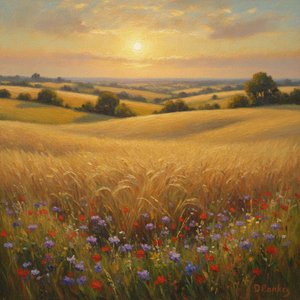
Golden Fields & Sun-Drenched Meadows: Capturing the Soul of Impressionist Landscapes
Immerse yourself in the luminous world of Impressionist landscapes. Discover how masters like Monet and Gauguin captured ephemeral light through plein air painting, and learn to bring the soul of sun-drenched meadows into your home with exquisite, hand-painted oil reproductions.


