
 Eelvaade
 Saada
Saada Jaga
Jaga
 Teave teose kohta
 Juhend

 Laadi alla
 Sarnased teosed
 Röntgenuuring
 Slaidietendus
 Q&A
Q&A Statistika
two hundred and eighty two

- 200.0 x 35.0 cm


 Loe lähemalt
Sellel lehel kuvatav kunstiteos on kaitstud autoriõigusega, mis tähendab, et meil ei ole seaduslikku õigust luua või müüa identset reproduktsiooni. Seda kaitset rakendatakse rahvusvaheliste kokkulepete alusel, nagu näiteks Berne konventsioon ning riiklike seadustega, sealhulgas nendega, mida on sätestatud USA autoriõiguse seadus – 17. peatükk.
See meetod järgib täielikult autoriõiguse reegleid, kuna see ei põhine kaitstud kunstiteose kopeerimisel või dupliteerimisel. Selle asemel on tegu loova reinterpreetatsiooniga – uue maaldisega, mis on algteosest inspireeritud, kuid ei ole sellest identiline.
Giclée / Kunstiprint
Muuseumikvaliteediga giclée- või kangasprint kiire tootmisega ja paindlikud viimistlusvõimalused. ( Osta käsitsi maalatud teos Lülita digitaalse pildi juurde)




































Vali meie eelmääratud suurused, mis vastavad teose algupärastele proportsioonidele.

Sisestage vajalik laius ja kõrgus, et see sobiks teie raamile või seinale. Trükki saab ainult lõigata, seda ei saa kunagi pildist suuremaks teha, seega ka erineva mustega suurus kaotab osa pildist. Enne trükkimist saadame teile kinnitamiseks digitaalse näidisprojektsiooni. Sellel lehel näidatud pilt ei kujuta reaalset lõiget — seda näitab ainult näidisprojektsioon.
Ülemaailmne tarne () 2 nädala jooksul, tavalise 4/5 nädala asemel. (2 november)

Tasuta ekspresssaatmine üle maailma

Kõrgekvaliteediline lina-kangas

Täielik transpordikindlustus

Tollimaksude tagastamise garantii

Värvitoime täpsuse garantii

100 päeva tagastusõigus (ainult valmistusdefektide korral)

100% raha tagasi garantii

Hulgusoodustus
 Klaasivalik on saadaval ainult kuni 110 cm suuruses teostes

two hundred and eighty two
Giclée / Kunstiprint
Reproduktsiooni suurus
-


Koguhind
€ 71
The Pulse of the Earth: Unveiling Tania Kovats' Two Hundred and Eighty Two
In the quiet intersection where human perception meets the raw endurance of nature, Tania Kovarts’ Two hundred and eighty two stands as a profound meditation on time, connectivity, and the silent autobiography of the natural world. This striking work is not merely a depiction of wood; it is an intimate encounter with a living history. Created in 2009, the piece utilizes a physical slice of an ancient oak tree, transformed into a canvas through the meticulous application of black ink. As one gazes upon the concentric rings, there is an undeniable sense of witnessing a life story unfold—a rhythmic, circular narrative that traces the passage of centuries through every growth spurt and seasonal struggle recorded in the grain.
The technique employed by Kovats is both sculptural and graphic, blurring the lines between traditional drawing and organic installation. By tracing each ring with deliberate black ink, the artist elevates the natural texture of the oak into a highly legible, almost cartographic map of existence. This process of "expanded drawing" allows the viewer to follow a single line of grain from its deep, central root to the delicate tip of a branch. The result is a mesmerizing visual flow that captures the essence of what Kovats calls the "autobiography" of the tree. For collectors and enthusiasts of contemporary art, this piece offers a rare tactile quality, where the medium itself—the very wood of Longleat Forestry—carries the weight of its own ecological heritage.
Beyond its aesthetic allure, the work is steeped in deep symbolism regarding the interconnectedness of all living things. Inspired by her travels through the dense, multi-layered environments of South America, Kovats brings a jungle-like awareness of verticality and connection to the English woodland. The piece serves as a poignant reminder that no organism exists in isolation; rather, every element of the landscape is part of a complex, breathing web. There is a bittersweet emotional resonance within the work, born from the artist's reflection on the felling of the tree itself—a moment of loss that simultaneously births a new form of artistic immortality. It is a study of life, death, and the enduring legacy of the natural cycle.
For interior designers and curators seeking to infuse a space with organic warmth and intellectual depth, Two hundred and eighty two offers an unparalleled presence. Its elongated format and earthy, monochromatic palette make it a sophisticated centerpiece for modern, minimalist, or rustic-luxe environments. It does not merely decorate a wall; it invites contemplation, grounding a room with the ancient, rhythmic heartbeat of the forest. Owning a reproduction of this work means bringing a piece of the earth's enduring memory into the home, providing a constant, soothing connection to the profound mysteries of the natural world.
Korduvad küsimused
Millisesse ruumi on teose „two hundred and eighty two“, autor Tania Kovats värvide tõttu soovituslik paigutada?
Teose „two hundred and eighty two“, autor Tania Kovats Neutrals värvigamma sobib suurepäraselt selle soovituslikule ruumile: Hallway.
Millised on teose "two hundred and eighty two" reprodutseerimissõjaõigused British Council kogumuses?
Originaalteos "two hundred and eighty two" asub British Council kogumuses ning teos on on endiselt autoriõiguse all under kaitse.
Kust saan osta teose „two hundred and eighty two“, autor Tania Kovats käsitsi maalatud reproduktsiooni?
Teose „two hundred and eighty two“, autor Tania Kovats käsitsi maaldatud reproduktsiooni saab tellada otse selle Käsitsi maalatud reproduktsioon lehelt: käsitsi maalatud õlireproduktsioon linaelapale, valmistatud tellimusest.
Kunstniku elulugu
Tania Kovats: Exploring Landscape and the Self Through Drawing
Tania Kovats (born 1966) is an English visual artist renowned for her sculptural works, large-scale installations, and drawing practice—a field she champions as a fundamental tool of thinking and expression. Her artistic journey began in Brighton, where she pursued her BAHons degree at Newcastle Polytechnic (1985–88), laying the groundwork for a career dedicated to investigating the relationship between art and the natural world. Further honing her skills with an MA at Royal College of Art, London (1988–90), Kovats established herself as a formidable figure in contemporary visual arts.- Early Influences: Kovats’ formative years were marked by exposure to diverse artistic traditions and philosophical ideas, fostering her fascination with exploring the intersection between subjective experience and environmental perception.
- Rome Scholar Experience: In 1997–8, she was awarded a Rome Scholarship at the British School in Rome, providing invaluable opportunities for intellectual growth and creative experimentation.
- Recognition & Awards: Kovats’ talent gained international acclaim through prestigious accolades such as the Barclays Young Artist of the Year Award (1991), the Royal Society of Arts’ Arts for Architecture Awards (1996 and 1997), and the British School at Rome Scholarship (1997).
Sculptural Practice & Installations
Kovats' sculptural output is characterized by a profound engagement with geological forms, particularly those found in coastal landscapes. Her monumental series *The Divers* (2018), cast in concrete using wetsuits as molds, powerfully conveys the vulnerability of human existence within the immensity of nature—a recurring motif throughout her oeuvre. These sculptures explore themes of fluidity and surrender, mirroring the transformative potential of encountering environments that challenge our perceptions of self and space. Her installations often incorporate materials like fabric and resin to create immersive experiences that invite contemplation on ecological concerns. Notable exhibitions include Asprey Jacques (1998), Jupiter Artland (2004), and The Fruitmarket Gallery Edinburgh (2014).Drawing as Exploration & Reflection
At the core of Kovats’ artistic vision lies a deep appreciation for drawing—a medium she considers paramount to fostering critical thinking and accessing inner landscapes. She describes drawing as “something I can retreat into when I don’t know what else to do,” emphasizing its role in facilitating introspection and generating visual representations of complex ideas. Her extensive drawing practice encompasses diverse techniques, from meticulous observational sketches to experimental explorations of materiality and gesture. Kovats' books *The Drawing Book: A Survey of Drawing – The Primary Means of Expression* (2017) and *Drawing Water - Drawing as a Mechanism of Exploration* (2014) articulate her belief in drawing’s capacity to illuminate both artistic and philosophical dimensions.Recent Projects & Collaborations
Kovats continues to push boundaries within her artistic practice, engaging in collaborative projects that address pressing environmental challenges. Her involvement with the British School at Rome's GAIA project—inspired by James Lovelock’s Gaia theory—underscores her commitment to fostering dialogue between art and ecological thought. Recent exhibitions include ‘WELL’ (2019) at Design Exhibition Scotland, where she created a ceramic public drinking water fountain; ‘TREE’ for the Natural History Museum London; and collaborations with institutions like Babraham Institute Cambridge and Jupiter Artland Scotland. Her ongoing research focuses on exploring drawing as a tool for wellbeing and fostering connections between artistic practice and environmental stewardship.
Tania Kovats
1966 - , United Kingdom
Lühikest infot
- Full Name: Tania Kovats
- Nationality: British
- Date Of Birth: 1966
- Place Of Birth: United Kingdom
- Notable Artworks:
- two hundred and eighty two
- Oceanic
- Artistic Movement Or Style: Contemporary Drawing
- Artists Who Influenced This Artist:
- Isadora Duncan
- Edgar Degas
- James Lovelock
- Artists Or Movements Influenced By This Artist: ['Modern Art Oxford']
Sarnased artiklid

Arboreal Echoes: A Historical & Artistic Exploration of Trees in Painting
Explore the rich history of trees in painting! Discover symbolism, Romantic masterpieces by Caspar David Friedrich & beyond. A curated journey for art enthusiasts.

Ephemeral Expressions: Exploring the Nuances of Ink on Paper Through History & Contemporary Art
Explore the captivating world of ink wash painting – from its ancient origins to contemporary masters. Discover techniques, symbolism & conservation insights with OriginalUniqueArt.com.

Dark Masterpieces: 10 Iconic Paintings Dominated by Black Tones |
Explore 10 iconic paintings dominated by black tones, from Rembrandt’s chiaroscuro to Goya's dark expressions. Discover the stories behind these masterpieces & find museum-quality art reproductions for your home at .

The Alchemy of Ink: Mastering the Timeless Beauty and Art History of Paper and Brush
Embark on a sophisticated exploration of ink wash painting and Sumi-e. Uncover the profound historical lineages, Zen philosophies, and technical mastery behind this timeless medium in our authoritative guide for fine art enthusiasts.
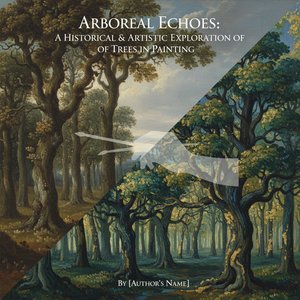
Arboreal Echoes: A Historical & Artistic Exploration of Trees in Painting
Explore the rich history of trees in painting! Discover symbolism, Romantic masterpieces by Caspar David Friedrich & beyond. A curated journey for art enthusiasts.