Teksti suurus

() ·

Sinu jaoks käsitsi valmistatud maal

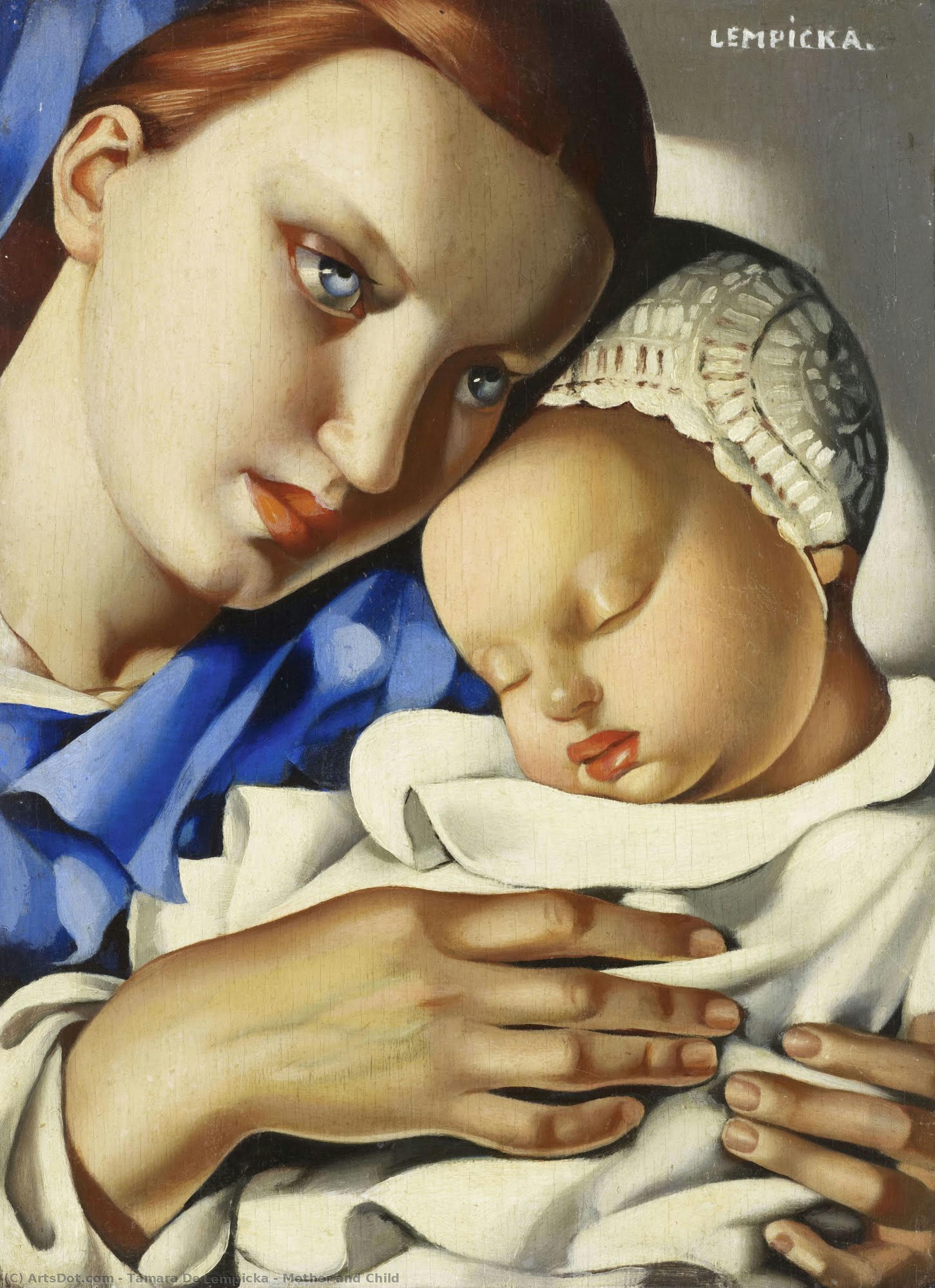
Mother and Child

Käsitsi valmistatud õlimaalireproduktsioon

Meie kunstnike poolt tellimusel valmistatud käsitsi maalitud õli-kainaste teos teie soovitud suuruses ja raamis. ( Lülita trükkitoodetele Lülita digitaalse pildi juurde)

Kogumisobjekti kirjeldus

Experience Tamara de Lempicka's 'Mother and Child,' a captivating Art Deco portrait of a Polish aristocrat and her baby. Explore the beauty, intimacy, and historical context of this iconic masterpiece.

Kunstniku elulugu

Avastage Tamara de Lempicka (1898-1980), Art Deco stiili ikoon! Elegantsete portreede ja stiliseeritud aktide maailm, mis tähistab aristokraatiat ja moodsamat naiselikkust. 1920ndate glamuur!

alates ·

1. peatükk

Millise suurusega see peaks olema?

Libistage suuruse muutmiseks; vasakul olev pilt näitab raami tegelikku laiust. Originaali proportsioonid on säilitatud.

Standardne suurus
kohandatud
CM
INCH

Vali meie eelmääratud suurused, mis vastavad teose algupärastele proportsioonidele.

laius
kõrgus

Sisestage vajalik laius ja kõrgus, et teos sobiks teie raamile või seinale. Kuna tegu on käsipainatud teosega, siis erineva kujuga suuruse korral võib kunstnik jätta pildi ümber veidi rohkem marginaali või lõigata osa ära — valik on teie. Enne maali alustamist saadame teile kinnitamiseks digitaalse näidisprojektsiooni. Sellel lehel näidatud pilt ei kajasta tegelikku tulemust — seda näitab ainult näidisprojektsioon.

Lugu 2

Kuidas see peaks lleguema?

Vali pingutatud kanga servade stiil

Vali oma raam

Corner sample of the WhiteWrap canvas edge finish, stretched on massivpuit bars
Valge serv €1
Corner sample of the BlurSideWrap canvas edge finish, stretched on massivpuit bars
häguse servaga lõppviimistlus €1
Corner sample of the ExtendedWrap canvas edge finish, stretched on massivpuit bars
Laiendatud €1
Corner sample of the P118B picture frame: vormitud polüstüreen, 5 cm wide and 3 cm thick
P118B €10
Corner sample of the P118H picture frame: vormitud polüstüreen, 5 cm wide and 3 cm thick
P118H €10
Corner sample of the P118W picture frame: vormitud polüstüreen, 5 cm wide and 3 cm thick
P118W €10
Corner sample of the P438Z picture frame: vormitud polüstüreen, 5.5 cm wide and 3.5 cm thick
P438Z €10
Corner sample of the P508JH picture frame: vormitud polüstüreen, 7 cm wide and 3.5 cm thick
P508JH €12
Corner sample of the P508YH picture frame: vormitud polüstüreen, 7 cm wide and 3.5 cm thick
P508YH €12
Corner sample of the P805H picture frame: vormitud polüstüreen, 5 cm wide and 3.5 cm thick
P805H €10
Corner sample of the P805Z picture frame: vormitud polüstüreen, 5 cm wide and 3.5 cm thick
P805Z €10
Corner sample of the P919BZ picture frame: vormitud polüstüreen, 7 cm wide and 3.5 cm thick
P919BZ €10
Corner sample of the P919G picture frame: vormitud polüstüreen, 7 cm wide and 3.5 cm thick
P919G €10
Corner sample of the P919XJ picture frame: vormitud polüstüreen, 7 cm wide and 3.5 cm thick
P919XJ €10
Corner sample of the P959ZH picture frame: vormitud polüstüreen, 5 cm wide and 3 cm thick
P959ZH €10
Corner sample of the P968JZ picture frame: vormitud polüstüreen, 6 cm wide and 4 cm thick
P968JZ €12
Corner sample of the W106C picture frame: massivpuit, 5 cm wide and 3 cm thick
W106C €8
Corner sample of the W218G picture frame: massivpuit, 5 cm wide and 3 cm thick
W218G €10
Corner sample of the W218JH picture frame: massivpuit, 5 cm wide and 3 cm thick
W218JH €8
Corner sample of the W218Y picture frame: massivpuit, 5 cm wide and 3 cm thick
W218Y €10
Corner sample of the W307PJ picture frame: massivpuit, 6 cm wide and 3 cm thick
W307PJ €10
Corner sample of the W316G picture frame: massivpuit, 6 cm wide and 3 cm thick
W316G €10
Corner sample of the W316PJ picture frame: massivpuit, 6 cm wide and 3 cm thick
W316PJ €8
Corner sample of the W316Y picture frame: massivpuit, 6 cm wide and 3 cm thick
W316Y €10
Corner sample of the W398PJ picture frame: massivpuit, 5 cm wide and 3 cm thick
W398PJ €8
Corner sample of the W4111J picture frame: massivpuit, 6.5 cm wide and 3.5 cm thick
W4111J €10
Corner sample of the W500HY picture frame: massivpuit, 7 cm wide and 5 cm thick
W500HY €15
Corner sample of the W500JH picture frame: massivpuit, 7 cm wide and 5 cm thick
W500JH €15
Corner sample of the W692G picture frame: massivpuit, 8 cm wide and 4 cm thick
W692G €12
Corner sample of the W849H picture frame: massivpuit, 5 cm wide and 3 cm thick
W849H €8
Corner sample of the W940BG picture frame: massivpuit, 7.5 cm wide and 4.5 cm thick
W940BG €15
Corner sample of the W953PJ picture frame: massivpuit, 6 cm wide and 3.5 cm thick
W953PJ €8
Corner sample of the H24-GOLD picture frame: kareeritud puit ja gesso, 10 cm wide and 6 cm thick
H24-GOLD €30
Corner sample of the H24-SILVER picture frame: kareeritud puit ja gesso, 10 cm wide and 6 cm thick
H24-SILVER €30
Corner sample of the H36-GOLD picture frame: kareeritud puit ja gesso, 15 cm wide and 6.5 cm thick
H36-GOLD €45
Corner sample of the H36-SILVER picture frame: kareeritud puit ja gesso, 15 cm wide and 6.5 cm thick
H36-SILVER €45
Raami eelvaade
Raamitud

Kujund: . Kogumõõt koos raamiga: .

Lugu 3

Kes seda maalib ja kas midagi peaks muutuma?

Näited sellest, mida saab muuta: asendage nägu kliendi fotoga; lisage lemmikloom (nt asendage kass koega); lisage taustale peidetud sõnum; muutke tausta maastikku või elemente.
Pärast tellimust saadetab OriginalUniqueArt.com meeskond klientile e-posti juhised ning esitab ette tasandatud eelvaate

Maailmline tarne 3–4 nädala jooksul tavalise 5 nädala asemel. (8 november). Kvaliteedis kompromisse ei tehta.

Lugu 4

Viimistlusdetailid

Nimetelis, nagu muuseumis?

Graveeritud pronksplaadi üksikasjad

This elegant plaque features the artist's name and the title of the artwork, finely engraved for a timeless presentation.

It is made from bronze with a refined, elegant finish. The text is precisely laser-engraved for a sharp and permanent result. Measuring 9x2 cm, the plaque is compact yet easy to read. It's built to be durable and scratch-resistant, offering a professional, museum-quality look. Mounting is simple thanks to the included adhesive backing.

Läbipaistva akrüülplaadi üksikasjad

The plaque includes essential engraved details such as the artist's name, the title of the artwork, the date it was created, the type of media used-like oil on canvas or watercolor-a brief description of the piece, and a QR code that links to the complete artwork information.

It is crafted from clear acrylic, offering a sleek, modern appearance. The text is UV-engraved in black to ensure strong visual contrast. With a size of 10x15 cm, it ensures optimal readability. It comes equipped with two metal hooks for secure wall mounting. The plaque is designed to be weather-resistant, making it suitable for various environments, and it includes interactive features that work seamlessly with smartphone scanning.

Musta akrüülplaadiรายละเอียด (Note: The user provided "Musta akrüülplaadi detailid" as the current translation and asked for an improved version. Since "Musta akrüülplaadi

This elegant plaque includes engraved information such as the artist's name, the title of the artwork, the date it was created, the type of media used (like oil on canvas or watercolor), a short description of the artwork, and a QR code for quick access to more information.

The plaque itself is made from refined black acrylic with a premium finish. The text is laser-engraved in white for high contrast and readability. Its size is 10x15 cm, designed to be easy to read. It comes with two metal hooks for professional mounting. The design is sleek and fits any interior style. It is also weather-resistant and durable, with built-in digital integration for mobile compatibility.

Kaitsev lakikih?

Millal te seda vajate?

Lugu 5

Teie maalid vastavalt tellimusele

Mother and Child

Reproduktsiooni tehnika

Reproduktsiooni suurus

-

Eelistatud tippkunstnik

Rohkem detaile, peenust ja lisatootmisaega

-

Reproduktsiooni raamivalikud

-

-

Kunstiteoste või reproduktsioonide puhul, mille üks külg on üle 105 cm (umbikmolt 41 tolli), saadetakse raam kirjal asendis, la Dismantlitud komplektina. See meetod tagab ohutuse kohaletoimetamisel ja väldib transpordil tekkivaid kahjustusi.

Vajalik professionaalne kokkupanek – see ei ole isetegevusega valmistamiseks mõeldud toode.
Komplekt tuleb kokku panna ja lõvet pingutada kogemusega professionaalse raamija, kasutades puiduliim (ei kuulu komplekti), lõvetpingi ja klempe, et hoida raami kande mustad õigena liimi kuivamisaja jooksul. Vale kokkupanek või ebaühtlane lõvetping võib kunstiteost püsivalt kahjustada ning seda ei katta meie garantii.

  • Kaasatud on kõik tahked puidust liistud, täpselt lõigatud vastavaks suuruseks.

  • Kokku panemiseks kasutatakse lisatud kruvisid ning nurkade liimamiseks vajalikku puuliima, mida ei ole komplektis ja mida peab raamivalmistaja ise hankima.

  • Vajalik on kasutada professionaalseid tööriistu, mis ei kuulu komplekti: lõvetelapide pingist (pingutaja) ja klambreid, et hoida raami puidu nurgas õigena liimi kuivamisaja jooksul.

Oluline:
Nurgaliimamiseks on vaja puiduliim, liimimine peab toimuma klempide all kuni liim on täielikult kuivanud ning kokku monteeritud raami kanga pingutamiseks on vajalik kanga pingutustang. Kumbki neist ei kuulu komplekti. Palun veenduge enne selle suuruse tellimist, et teil on saadaval kogenud professionaalne raamistaja.

Nimesildikiri

-

-

Kaitsevärnitsus

Läikiv lakk (muudab värvid elavamaks ning kaitseb valgust ja niiskust eest)

-

Kohanda oma teost

Näiteid muudatuste kohta: Asenda nägu kliendi fotoga; Lisa lemmikloom (nt asenda kass koeraga); Lisa taustale peidetud sõnum; Muuda tausta maastikku või elemente.

-

Kiire tarne

Ülemaailmne tarne riiki 3–4 nädalaga tavalise 5 nädala asemel. (8 november). Kvaliteedis kompromisse ei tehta.

-

Kiirsaatmine

Ülemaailmne tarne () 5 nädala jooksul. (15 november).

Sisse kuuluv

Koguhind

€ 268

Kogu summa € 268

Klaasivalik on saadaval ainult kuni 110 cm suuruses teostes

Säli iga tellimusega

  • Tasuta ekspresssaatmine üle maailma
  • Kõrgekvaliteediline lina-kangas
  • Täielik transpordikindlustus
  • Tollimaksude tagastamise garantii
  • Värvitoime täpsuse garantii
  • 100 päeva tagastusõigus (ainult valmistusdefektide korral)
  • 100% raha tagasi garantii
  • Hulgusoodustus

A Portrait of Intimate Strength: Deconstructing Tamara de Lempicka's 'Mother and Child'

Tamara de Lempicka’s “Mother and Child,” painted in 1953, is more than just a depiction of familial love; it’s a carefully constructed tableau of aristocratic poise, quiet resilience, and the enduring power of maternal connection. Born Maria Teresa Górska in Warsaw in 1898, de Lempicka’s life was one of dramatic shifts – from a privileged Polish upbringing to a whirlwind romance with Tadeusz Łempicki, a tumultuous period during the Russian Revolution, and ultimately, a successful career as a celebrated Art Deco painter. This particular work, created later in her life, offers a poignant glimpse into her artistic evolution and her deeply personal understanding of motherhood.

The painting immediately draws the eye to the central figures: a woman, presumably Tamara herself, cradling a small child within her arms. The composition is strikingly formal, reminiscent of classical portraiture yet imbued with the sharp angles and geometric precision characteristic of de Lempicka’s signature style. She eschews loose brushstrokes or expressive gestures in favor of clean lines, precise modeling, and a deliberate flattening of perspective – techniques borrowed from Cubism but filtered through her own unique vision. The palette is restrained: muted browns, creams, and ochres dominate, creating a sense of understated elegance and timelessness. This careful control over color and form reflects de Lempicka’s meticulous approach to art, mirroring the precision she applied to her portraits.

Art Deco Elegance and Polish Roots

“Mother and Child” is firmly rooted in the Art Deco movement, a style that flourished in the 1920s and 30s, characterized by its geometric forms, luxurious materials, and celebration of modernity. De Lempicka embraced this aesthetic wholeheartedly, incorporating it into her portraits of wealthy patrons – industrialists, financiers, and socialites – who sought to project an image of sophistication and success. However, the painting also subtly hints at de Lempicka’s Polish heritage. The woman's posture, the rich fabrics of her clothing, and the overall sense of dignified reserve evoke a distinctly Eastern European sensibility—a quiet strength born from a history shaped by both privilege and upheaval.

The historical context is crucial to understanding the painting’s deeper meaning. De Lempicka had experienced significant personal turmoil – a divorce, the loss of her husband, and the challenges posed by World War II. “Mother and Child” can be interpreted as a reflection on these experiences, a yearning for stability and connection amidst a world in constant flux. The act of cradling the child represents not just maternal love but also a desire to nurture and protect—a powerful antidote to the anxieties and uncertainties of her life.

Symbolism of Protection and Legacy

The pose itself is laden with symbolism. The woman’s hand gently supporting the child conveys a sense of protection, security, and unwavering devotion. Her gaze is direct and confident, suggesting an inner strength that transcends mere motherhood. The child, nestled securely in her arms, embodies the future—a continuation of lineage, a promise of hope. It's not a sentimental depiction of blissful domesticity; rather, it’s a portrait of resilience and quiet determination.

Furthermore, the painting subtly references the concept of legacy. De Lempicka herself was a prolific artist who left behind a significant body of work—a testament to her enduring talent and artistic vision. “Mother and Child” can be seen as an extension of this legacy, a visual representation of the values she held dear: family, beauty, and the pursuit of excellence. It’s a poignant reminder that even in moments of personal struggle, the bonds of love and the desire to create something lasting can provide solace and purpose.

A Timeless Masterpiece for the Home

Reproductions of “Mother and Child” offer a beautiful addition to any interior space. The painting’s elegant composition and restrained palette complement a wide range of design styles, from classic to contemporary. Its powerful symbolism resonates with viewers on an emotional level, evoking feelings of warmth, security, and enduring love. Whether displayed in a formal living room or a more relaxed setting, this timeless masterpiece will undoubtedly serve as a focal point—a reminder of the beauty and strength found within the bonds of family.

Korduvad küsimused

Kas Tamara De Lempicka teos "Mother and Child" kuulub avalikku omandisse ja miks?

Teose "Mother and Child" autoriõiguste staatus - on endiselt autoriõiguse all under kaitse - tuleneb kunstniku surma aastast 1980.

Millised teemad teoses „Mother and Child“, autor Tamara De Lempicka esile tõelve?

Teose "Mother and Child" teemad on mother, child, tamara, lempicka, art deco, polish, family.

Millist emotsiooni edastab Cubist Abstract suunaga teos "Mother and Child"?

Teose "Mother and Child" Romantic tunne on ühtne selle Cubist Abstract stiiliga.

Lisateavet selle maali kohta

Eelvaade AR-eelvaade Lülita trükkitoodetele Lülita digitaalse pildi juurde Saada
Teave teose kohta Juhend Lisa lemmikutesse Laadi alla Sarnased teosed Röntgenuuring Slaidietendus KÜSIMUSED JA VASTUSID Statistika

Numbritega

  • 29valikud raamidest
  • standardne suurus, oma proportsioonidega
  • 5nädalaid maalimiseks ja kohaletoimetamiseks

Originaali kohta

Mõõtmed
33.0 x 24.0 cm
Tamara De Lempicka

Tamara De Lempicka

1898 - 1980, Eesti

Kiirinfo Tamara De Lempicka kohta

  • Artistic Movement Or Style: Art Deco, Kubism
  • Artists Or Movements Influenced By This Artist: ['Art Deco liikumine']
  • Artists Who Influenced This Artist: ['Jean-Dominique Ingres']
  • Date Of Birth: 16. mai 1898
  • Date Of Death: 18. märts 1980
  • Full Name: Tamara de Lempicka
  • Nationality: Poolane
  • Notable Artworks:
    • Self-Portrait in the Green Bugatti
    • Portree Marjorie Ferryst
    • Aadam ja Eeva
  • Place Of Birth (City And Country): Varssavi, Poola

Kunstniku elulugu

Poola Aristokraat Art Déco maailmas

Tamara de Lempicka, sündinud Maria Teresa Górska 1898. aastal Varssavis, oli tegelane sama põnev ja keerukas kui tema portreed. Tema elulugu on nagu romaan – keeris aristokraatlikust kasvatusest, revolutsioonilisest ümberkujunemisest, kunstilisest ärkamisest ja kestvast glamuurist. Ta sündis jõuka Poola-juudi perekonda ning tema varajased aastad olid täidetud Euroopa kultuuriga, reisidest kuurortidesse ja peenesse seltskonnasse tutvumisega. See privileeritud taust andis talle ilu ja elegantsi hindamise, mis mõjutas sügavalt tema esteetilist visiooni. Kuid tema nooruse idülliline maailm purunes Venemaa revolutsiooniga. Koos abikaasa Tadeusz Łempickiga põgenes ta poliitilisest rahutustest Pariisi, linna, mis oli valmis saama kunstilise innovatsiooni keskuseks. Just siin, Art Déco liikumise keskel, leidis Tamara tõelise hääle.

Ainulaadse Esteetika Loomine

Lempicka kunstiline teekond ei sündinud formaalsest akadeemilisest väljaõppest, vaid kirglikust eneseleidmisest ja mentorlusest. Ta õppis lühiajaliselt Maurice Denisi ja André Lhote’i juures, omandades nende tehnikaid, samal ajal kui ta kujundas oma eristava stiili. Jean-Dominique Ingresi mõju on tajutav tema neoklassikalises täpsuses ja vormile rõhus, kuid ta integreeris oskuslikult kuubismi killustatud perspektiivid ja geomeetrilise abstraktsiooni – julge sulandumine, mis määras tema tunnusjoonelise esteetika. Tema maalid iseloomustavad poleeritud pinnad, siledad jooned ja figuuride tahtlik stiliseerimine, mis on kõik Art Déco omaks võtmise tunnused modernsusele ja luksusele. Ta ei piirdunud portreede maalimisega; ta konstrueeris ikoone. Tema tegelased – sageli aristokraatia või jõuka eliidi liikmed – kujutati rahuliku elegantsi õhkkonnas, kehuldades Jazziajastu vabastatud vaimu. Self-Portrait in the Green Bugatti, võib-olla tema kuulsaim töö, on selle täiuslik näide – muljetavaldav pilt enesakindlusest ja autode kiirusest, mis tabab kaasaegse elu hetke võrreldamatu elegantsiga.

Triumf ja Tunnustus

1925. aasta rahvusvaheline dekoratiivkunsti ja tööstusliku modernismi näitus Pariisis osutus Lempicka jaoks pöördeliseks hetkeks. Tema osalemine aitas Art Déco’d peavoolu tõugata, kinnistades tema mainet ajastu juhtiva kunstnikuna. Seda edu kinnitati 1927. aastal, kui ta võitis Bordeaux' näitusel esikoha teosega Kizette on the Balcony, portree, mis täiuslikult kehastab tema tunnusjoonelist stiili – klassikalise tasakaalu ja kaasaegse sensuaalsuse segu. 1920. aastate lõpus ja 1930. aastatel oli Lempicka väga nõutud jõukate patroonide seas, kes soovisid tellida portreid, mis jäädvustaksid nende staatuse ja võlu. Teosed nagu Portrait of Marjorie Ferry demonstreerivad tema võimet tabada mitte ainult sarnasust, vaid ka oma tegelaste sisemist olemust – nende ambitsioone, enesekindlust ja rafineeritud maitset. Lisaks portreekunstile uuris ta mütoloogilisi teemasid, nagu näiteks Adam and Eve, mis demonstreerib tema mitmekülgsust ja intellektuaalset uudishimu.

Pärand ja Taastulek

Teise maailmasõja puhkemine sundis Lempickat 1939. aastal kolima Ameerika Ühendriikidesse, kus ta jätkas maalimist, kuid leidis end veidi ebakindlas olukorras areneva kunstimaastiku suhtes. Tema stiil, mis oli nii tihedalt seotud sõjaeelse Euroopa glamuuriga, tundus vähem asjakohane maailmas, mis maadles konfliktide ja määramatusega. Kuid tema töö koges tähelepanuväärset populaarsuse tõusu 1960. ja 70. aastatel Art Déco taaselustamise ajal. Uus põlvkond avastas tema maalid, lummatud nende ajatu elegantsi ja julge esteetilise visiooni poolest. Tamara de Lempicka suri Méxicos 1980. aastal, valides oma tuhad hajutada Popocatépetli vulkaanile – viimane akt vastupanu ja iseseisvust, mis sobib naisele, kes elas elu oma tingimustel. Täna tähistatakse teda kui üht Art Déco kunsti olulisimat figuuri, kunstnikku, kelle maalid jätkavad aukartust ja imetlust nende ilu, elegantsi ja minevikku kuuluva ajastu kehastamise eest. Tema pärand ulatub esteetikast kaugemale; ta jääb ikooniliseks kujuks, mis tähistab naiste võimestamist ja kunstilist innovatsiooni ajalooliselt meeste domineeritud valdkonnas.

Olulised Teosed

  • Self-Portrait in the Green Bugatti: Art Déco määratlev pilt, mis näitab iseseisvust ja modernsust.
  • Portrait of Marjorie Ferry: Vapustav näide tema portreekunstist, mis tabab elegantsi ja müsteeriumi.
  • Adam and Eve: Demonstreerib tema mütoloogiliste teemade uurimist eristava stiiliga.
  • The Two Friends: Peegeldab tema varajast kuubisti mõju ja eksperimente.
  • Printemps: Elav kevadine kujutus, mis näitab tema värvi- ja vormimeisterlikkust.
  • Spring: Veel üks kaunis näide Lempicka võimest tabada hooaja olemus graatsia ja stiiliga.

Teave teose kohta

  • Subject or theme: Mother-child bond
  • Title: Mother and Child
  • Notable elements: Warm, loving scene
  • Location: Private collection
  • Movement: Art Deco

Kunstiteaduse kvartett

Iga küsimuse kohta on ainult üks õige vastus.

Küsimus 1:
What artistic movement is Tamara de Lempicka most closely associated with?
Küsimus 2:
The painting 'Mother and Child' depicts a scene primarily focused on:
Küsimus 3:
In 'Mother and Child', what is the overall mood or atmosphere conveyed?
Küsimus 4:
What is the approximate size of the painting 'Mother and Child'?
Küsimus 5:
Tamara de Lempicka was born in which city?