
 Eelvaade
 Saada
Saada Jaga
Jaga
 Teave teose kohta

 Laadi alla
 Sarnased teosed
 Röntgenuuring
 Slaidietendus
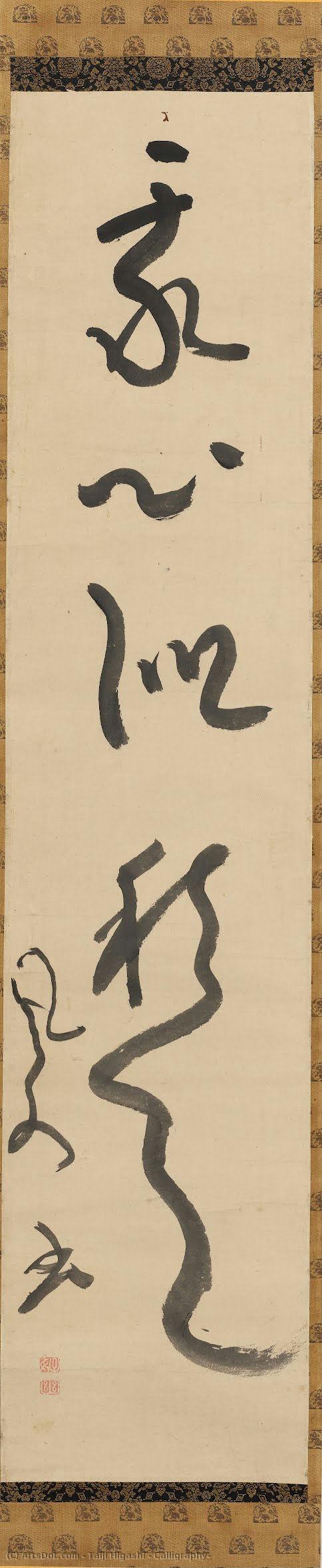
Calligraphy

 Loe lähemalt
Käsitsi valmistatud õlimaalireproduktsioon
Meie kunstnike poolt tellimusel valmistatud käsitsi maalitud õli-kainaste teos teie soovitud suuruses ja raamis. ( Osta print Osta pilt)




































Vali meie eelmääratud suurused, mis vastavad teose algupärastele proportsioonidele.

Sa võite sisestada oma mõõtmed konkreetse raami või ruumi sobivuse tagamiseks. Kui teie valitud suurus ei vasta originaalpildi proportsioonidele, siis kärvime kunstiteost või laiendame maali täiendavate käsitsi maalitud elementidega. Enne tootmise algust saadetakse teile heakskiitmiseks digitaalne eelvaade.
Palun pidage meeles, et ekraanil kuvatav eelvaade ei kajasta tegelikku kärpimist või laiendamist. Ainult eelvaade näitab täpselt lõplikku kompositsiooni.
Kuigi on saadaval kohandatud suurused, soovitame originaalproportsioonide säilimiseks valida mõõdud eelmääratletud nimekirjast.
Pärast tellimust saadab OriginalUniqueArt.com meeskond kliendile e-posti juhised ning esitab eelvaate kavandi.
Maailmline tarne 3–4 nädala jooksul tavalise 5 nädala asemel. (12 august). Kvaliteedis kompromisse ei tehta.

Tasuta ekspresssaatmine üle maailma

Kõrgekvaliteediline linakangas

Täielik transpordikindlustus

Tollimaksude tagastamise garantii

Värvitoime täpsuse garantii

60-päevane tagastusõig: ainult tootmisdefektide korral

100% raha tagasi garantii

Hulgusoodustus
 Klaasivalik on saadaval ainult suuruses kuni 110 cm

Calligraphy
Reproduktsiooni tehnika
Reproduktsiooni suurus
-


Kogusumma
$ 300
Kunstniku elulugu
A Life Immersed in Zen: The Art of Taiji Higashi (Fūgai Honkō)
Taiji Higashi, revered also by his name Fūgai Honkō, emerges as a compelling figure bridging the realms of spiritual practice and artistic expression within 19th-century Japan. Born in 1779 in Aichi Prefecture, his life unfolded within the rigorous discipline of Sōtō Zen Buddhism, ultimately shaping not only his personal journey but also the distinctive character of his artwork. While precise details regarding his early years remain somewhat elusive, it’s clear that from a young age, Higashi demonstrated an aptitude for artistic creation alongside a deep commitment to spiritual understanding. His path led him to Eiheiji Temple, a pivotal center of Zen Buddhism, where he eventually ascended to the position of 50th abbot – a testament to his profound dedication and intellectual prowess. This dual role as both religious leader and artist is crucial to appreciating the unique nature of Higashi’s artistic output; it wasn't merely aesthetic creation but an extension of his spiritual practice, a visual manifestation of Zen principles. His legacy extends beyond his artistry, notably including his significant contribution to Buddhist scholarship – overseeing the publication of a modern typeset edition of Dōgen’s *Shōbōgenzō*, a monumental work of Zen philosophy. He passed away in 1847, leaving behind a body of work that continues to resonate with its quiet power and contemplative depth.The Language of Dharma: Themes and Subjects
Higashi's artistic focus centered primarily on depictions of Buddhist themes, most notably the figures of dharma (Buddhist teachings) and Budai, the beloved Zen monk known for his jovial nature and profound wisdom. These weren’t simply representational portraits; rather, they were imbued with a spiritual essence, reflecting Higashi’s own understanding of these figures within the context of Zen practice. His depictions of Budai, in particular, are characterized by a gentle humor and an underlying sense of serenity, capturing the monk's embodiment of enlightenment through simplicity and acceptance. Beyond these central subjects, his calligraphy also holds immense significance. He was renowned for his expressive brushwork and elegant script, transforming written words into works of art that conveyed not just meaning but also emotion and spiritual insight. The “Letter to the Chief Priest of Zuiryuji Temple” and "Letter to Matsu" exemplify this skill, demonstrating a mastery of both calligraphy and composition, where each stroke seems deliberate and imbued with intention. These letters are more than mere correspondence; they are visual meditations on Zen principles, reflecting Higashi’s ability to integrate his spiritual practice with artistic expression.A Signature Style: The "Octopus Fūgai"
Higashi developed a distinctive style that earned him the affectionate nickname “octopus Fūgai.” This moniker wasn't derived from any visual representation of cephalopods, but rather from the complexity and abundance of his signature. He employed an elaborate and intricate seal, often incorporating multiple characters and layers of meaning – a testament to his erudition and artistic flair. His paintings themselves are characterized by their restrained palette, typically employing monochrome ink washes with subtle gradations of tone. This minimalist approach is deeply rooted in Zen aesthetics, emphasizing simplicity, directness, and the inherent beauty of natural materials. The use of space—or *ma*—is also crucial to understanding his work; empty areas are not merely absences but active components of the composition, allowing for contemplation and inviting the viewer into a meditative state. His technique involved a remarkable control over the brush, capable of producing both delicate washes and bold strokes with equal skill. This mastery allowed him to convey a wide range of emotions and ideas with remarkable economy.Legacy and Historical Significance
Taiji Higashi’s contribution to Japanese art history lies in his ability to seamlessly integrate spiritual practice with artistic creation. He wasn't simply an artist depicting Buddhist themes; he was a Zen monk using art as a vehicle for expressing and transmitting the principles of enlightenment. His work stands as a testament to the profound connection between Buddhism and aesthetics in traditional Japan, demonstrating how artistic expression can be elevated to a form of spiritual practice. While not widely known outside specialist circles until relatively recently, his reputation within Japanese Buddhist communities has always been strong. The rediscovery and appreciation of his art in recent decades have brought renewed attention to his unique perspective and the enduring power of Zen aesthetics. His paintings and calligraphy offer a window into the intellectual and spiritual world of 19th-century Japan, providing valuable insights into the practice of Sōtō Zen Buddhism and the role of art within that tradition. The Minneapolis Institute of Art’s holding of “Mountain Wandering” further underscores his importance as an artist who captured the restorative power of nature through a uniquely Zen lens.
taiji higashi
1779 - 1847 , Japan
Lühikesed faktid
- Artistic Movement Or Style: Zen Buddhist Art, Ink Painting
- Date Of Birth: 1779
- Date Of Death: 1847
- Full Name: Taiji Higashi (Fūgai Honkō)
- Nationality: Japanese
- Notable Artworks:
- Letter to the Chief Priest
- Letter to Matsu
- Mountain Wandering
- Place Of Birth: Aichi Prefecture, Japan

